

🐾 Top 7 Hypoallergenic Dogs for Allergy Sufferers
(Low-Shedding Breeds That May Be Easier on Allergies are Hypoallergenic Dogs)
🌿 What Makes a Dog Hypoallergenic? (Science-Backed Explanation)
While the term “hypoallergenic dog” is widely used, no dog is entirely allergen-free. The term simply refers to breeds that are less likely to trigger allergic reactions in sensitive individuals. This difference arises from how much and how often a dog sheds, and—more importantly—the specific proteins they produce and how those proteins are distributed into the environment.
Let’s break it down scientifically:
🧬 1. The Real Culprit: Canine Allergens (Fel d 1 ≠ Can f 1)
Most people mistakenly assume that dog fur causes allergies. In truth, allergies are primarily triggered by specific proteins found in a dog’s:

- Saliva
- Dander (microscopic flakes of skin)
- Urine
- Sebaceous gland secretions
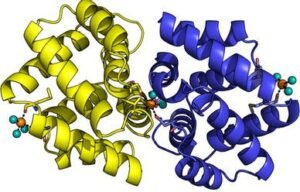
The most common dog allergen is a protein called Can f 1, followed by Can f 2, Can f 3, and others. These proteins are enzymatic and sticky, meaning they easily bind to hair and airborne particles—eventually settling on floors, furniture, and clothes.
Once inhaled or touched, these proteins can activate the immune system of an allergic person, causing symptoms like:
- Sneezing
- Coughing
- Itchy or watery eyes
- Skin rashes
- Asthma flare-ups
🐶 2. Hypoallergenic Dogs: Why Some Breeds Are Better for Allergy Sufferers
So why are some dog breeds labeled hypoallergenic?
These breeds typically have one or more of the following characteristics:
✅ a. Low Shedding Coats
Dogs that shed less hair release fewer allergen-coated hairs into the environment. Less hair = fewer allergenic proteins distributed through your home.
Examples: Poodles, Portuguese Water Dogs, Schnauzers
✅ b. Hair Instead of Fur
Some breeds have hair-like coats (similar to human hair) that grow continuously and don’t shed seasonally. These dogs also produce less dander.
Examples: Yorkshire Terrier, Maltese
✅ c. Single Coats (No Undercoat)
Double-coated dogs shed more heavily, especially during seasonal changes. Breeds with single coats trap less dander and shed less, minimizing allergen spread.
Examples: Basenji, Italian Greyhound
✅ d. Tighter, Curly, or Dense Coats
Curly or wiry coats trap dander and saliva proteins, preventing them from floating in the air or coating surfaces. Regular grooming helps remove these trapped allergens safely.
Examples: Bichon Frise, Lagotto Romagnolo
✅ e. Smaller Size
Smaller dogs naturally produce fewer allergens overall simply because they have less surface area and secrete fewer proteins.
Examples: Affenpinscher, Toy Poodle
🧪 3. Research on Hypoallergenic Breeds: Fact or Myth?
Surprisingly, some scientific studies have found that:
“So-called hypoallergenic breeds don’t always produce significantly less Can f 1 allergen than non-hypoallergenic breeds.”
— Journal of Allergy and Clinical Immunology, 2011
This suggests that the term “hypoallergenic” is subjective and varies case by case.
However, other studies show that individuals allergic to dogs often tolerate certain breeds better, likely due to:
- Genetic variability in allergen sensitivity
- Differences in grooming and cleaning practices
- Reduced allergen distribution due to coat type and behavior
In short: while no dog breed is completely allergy-safe, some are lower risk and can work well for many allergy-prone individuals.
🧼 4. Lifestyle Factors That Matter Just as Much
Even the most hypoallergenic dog won’t help if your home is covered in dander. Managing dog allergens requires consistent hygiene habits, such as:
- Frequent grooming and bathing of your dog
- Using HEPA air purifiers
- Cleaning upholstery and carpets regularly
- Restricting dog access to bedrooms
- Using anti-allergen sprays and enzymatic cleaners
🐾 In Summary:
A “hypoallergenic” dog:
- Produces less Can f 1 protein, OR
- Releases fewer allergens into the environment, due to coat structure, shedding rate, or grooming practices.
They are better tolerated by sensitive individuals, but allergy responses vary greatly. Always spend time around a specific breed before bringing one home, and consult an allergist for personalized advice.
🏆 1. Poodle (Toy, Miniature & Standard)
The Crown Jewel of Hypoallergenic Dogs

🌿 Why Poodles Rank #1 Among Hypoallergenic Dogs
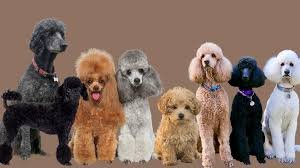
Among all hypoallergenic dogs, the Poodle consistently tops the list—and for good reason. Poodles produce minimal allergens, thanks to a combination of biological, behavioral, and coat-related factors. What makes them truly unique among hypoallergenic dogs is the curly, dense, and non-shedding coat, which acts like a filter by trapping dander and reducing the spread of allergy-triggering proteins such as Can f 1.
In fact, Poodles are often used in crossbreeding programs (e.g., Labradoodles, Goldendoodles, Sheepadoodles) precisely because of their hypoallergenic traits. While no dog is entirely allergen-free, the Poodle’s physiology makes them one of the most reliable hypoallergenic dogs for allergy-prone households.
🧬 Understanding the Poodle Coat: A Hypoallergenic Powerhouse
The Poodle’s coat is not fur in the traditional sense. It’s composed of hair that grows continuously, much like human hair. This means:
- No seasonal shedding
- Fewer airborne allergens
- Lower household contamination
While this coat is a major reason why Poodles are beloved hypoallergenic dogs, it requires dedication. If not groomed regularly, the curly hair can trap allergens, dust, and debris close to the skin, possibly increasing allergic reactions rather than reducing them.
🔬 Scientific insight: According to research in veterinary dermatology, low-shedding breeds like the Poodle tend to retain more allergens in their coat unless regularly bathed and brushed. Proper coat maintenance is key to maximizing hypoallergenic benefits.
🧽 Grooming Needs: Non-Negotiable for Hypoallergenic Dogs
As one of the most popular hypoallergenic dogs, the Poodle’s coat must be maintained properly to remain allergy-friendly:
- Daily brushing is recommended to prevent matting and dander build-up
- Professional grooming every 4–6 weeks is essential
- Hypoallergenic dog shampoos and coat conditioning sprays further reduce allergens
🧼 Pro tip: Use microfiber wipes or grooming gloves in between baths to remove saliva, dust, and dander trapped in the coat.
Regular grooming not only maintains coat health but also enhances the Poodle’s hypoallergenic effectiveness, especially in multi-pet or carpeted homes.
🧠 Temperament: Hypoallergenic Dog, Genius Personality
Poodles are more than just hypoallergenic dogs—they’re canine intellectuals. With sharp minds and sensitive temperaments, they’re eager to learn, please, and connect. Their behavior can also influence allergen spread:
- Less drooling than many breeds
- Quick to potty train, reducing exposure to urine allergens
- Low anxiety = less scratching and licking, which means fewer allergens on surfaces
This behavioral cleanliness complements their coat traits, making them a top-tier choice among hypoallergenic dogs.
🏡 Lifestyle Compatibility: One Hypoallergenic Dog, Three Sizes
One of the most versatile aspects of Poodles is that they come in three sizes, offering lifestyle options that few other hypoallergenic dogs can match.
| Size | Height | Weight | Best For |
|---|---|---|---|
| Toy Poodle | Up to 10 inches | 4–6 pounds | Apartment living, seniors, solo owners |
| Miniature Poodle | 10–15 inches | 10–15 pounds | Small homes, first-time owners |
| Standard Poodle | Over 15 inches | 40–70 pounds | Active families, large yards |
No matter your space or lifestyle, there’s a Poodle that fits — making them one of the most adaptable hypoallergenic dogs in the world.
📊 Quick Glance at Poodle Profile (Hypoallergenic Rating: ⭐⭐⭐⭐⭐)
| Trait | Details |
|---|---|
| Hypoallergenic Level | Very High (with grooming) |
| Shedding | Extremely Low |
| Saliva/Drool | Minimal |
| Coat Type | Curly, dense, single coat |
| Dander Control | Excellent, if maintained |
| Grooming Needs | High (professional and at-home) |
| Trainability | Exceptional (top 3 most intelligent breeds) |
| Energy Level | Medium to High |
| Lifespan | 12–18 years |
| Common Health Issues | Hip dysplasia, Addison’s disease, eye disorders |
❤️ Why Poodles Are the Face of Hypoallergenic Dogs
Poodles aren’t just a good option—they’re the flagship breed of hypoallergenic dogs. With a winning combination of low-allergen traits, intelligence, elegance, and emotional sensitivity, they’re ideal for families who want a loyal companion without triggering constant allergies.
Their coat isn’t just beautiful — it’s a protective barrier for your health, provided you keep it clean and well-trimmed. Unlike many other hypoallergenic dogs that offer only partial relief, Poodles consistently rank among the most allergy-friendly breeds, supported by both anecdotal experience and scientific evaluation.
✨ Thought: A True Gift for Allergy Sufferers
If you’re searching for hypoallergenic dogs that balance charm, intelligence, and minimal allergen production, the Poodle is your perfect match. With a breed like this, you don’t have to compromise between health and companionship. You just need the commitment to maintain their coat and nourish their brilliant minds.
✅ Whether you choose a Toy, Miniature, or Standard, you’re getting one of the most proven and popular hypoallergenic dogs in the world.
🏆 2. Bichon Frise
The Cloud-Like Companion Among Hypoallergenic Dogs
🌿 Why the Bichon Frise is Considered Hypoallergenic
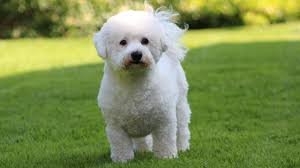
The Bichon Frise is one of the most iconic and beloved hypoallergenic dogs due to its low-shedding, tightly curled double coat that acts as a natural allergen filter. Unlike many shedding breeds, the Bichon’s coat captures loose hairs and allergenic dander before it can float into your home’s air. This coat structure dramatically reduces the dispersion of Can f 1 proteins—the primary allergen found in dogs.
Among hypoallergenic dogs, the Bichon Frise is especially appreciated for being both low-allergen and highly affectionate, making them ideal for allergy-prone families who still want a cuddly, interactive dog.
🧬 Coat Structure: Unique Among Hypoallergenic Dogs
The Bichon Frise features a double coat consisting of:
- A dense, soft undercoat that insulates and retains warmth
- A coarse, curly outer coat that resists shedding and traps allergens
This dual-layer design makes the Bichon stand out among hypoallergenic dogs, as the coat’s curl pattern prevents hair and dander from becoming airborne. However, this also means that grooming is essential to avoid matting and to maintain its hypoallergenic properties.
🧼 Allergy Management Tip: Frequent baths with hypoallergenic shampoos, followed by brushing, help remove trapped dander and saliva—reducing the allergen load in your home.
🧽 Grooming Needs: Essential for Hypoallergenic Results
To maintain the Bichon Frise as one of the top hypoallergenic dogs, consistent grooming is crucial:
- Brushing: At least 3–4 times per week (ideally daily) to prevent matting
- Bathing: Every 2–3 weeks with allergen-reducing shampoos
- Haircuts: Professional grooming every 4–6 weeks to manage length and hygiene
- Eye and tear stain care: Daily wiping helps keep allergens around the face under control
✔️ Keeping their coat clean ensures the Bichon Frise remains a low-risk breed for allergy sufferers—one of the key benefits of owning hypoallergenic dogs.
😊 Temperament: Friendly, Fun, and Family-Focused
The Bichon Frise isn’t just one of the most charming hypoallergenic dogs—it’s also a bundle of joy wrapped in a snowball-like coat. These dogs are known for their:
- Playful, clown-like personalities
- High sociability with humans and pets
- Gentle behavior with children
- Low aggression and high emotional intelligence
This makes the Bichon ideal for households that want hypoallergenic dogs with a sunny disposition—they’re alert, affectionate, and easy to train using positive reinforcement techniques.
🏡 Ideal Living Conditions
The Bichon Frise is highly adaptable and thrives in smaller living spaces, making it one of the best hypoallergenic dogs for:
- Apartment dwellers
- Families with small children
- Elderly owners looking for a low-shedding, manageable breed
- First-time dog owners who want a cheerful, allergy-friendly pet
Because they don’t need a yard but do love to play indoors, the Bichon is one of the more flexible hypoallergenic dogs in terms of lifestyle compatibility.
📊 Quick Overview: Bichon Frise Hypoallergenic Profile
| Trait | Details |
|---|---|
| Hypoallergenic Level | High (with consistent grooming) |
| Shedding | Very Low |
| Coat Type | Curly, dense double coat |
| Grooming Needs | High |
| Trainability | High (sensitive and responsive) |
| Energy Level | Moderate |
| Ideal Home | Apartments, families, multi-pet households |
| Good with Kids? | Excellent |
| Drooling | Minimal (a plus for hypoallergenic dogs) |
| Common Health Concerns | Allergies, dental disease, luxating patella |
💡 Pro Tip: Manage Allergies with Smart Grooming & Environment
Even among the most celebrated hypoallergenic dogs, success comes down to maintenance. If you want to minimize allergen exposure:
- Use HEPA air purifiers in living spaces
- Clean soft surfaces (like couches and beds) regularly
- Use washable bedding for your dog
- Consider enzyme-based cleaners to remove proteins from surfaces
Pairing a Bichon’s hypoallergenic coat with a clean home environment can dramatically reduce allergy symptoms, even in highly sensitive individuals.
❤️ Why the Bichon Frise is a Hypoallergenic Favorite
Bichons are among the most dependable hypoallergenic dogs for families and urban dwellers. They bring together the best of both worlds: low allergen levels and high affection levels. Their manageable size, joyful energy, and minimal shedding make them an excellent match for people who want companionship without the sneezes.
✅ Word: The Little Fluff That Won’t Make You Sniff
The Bichon Frise earns its spot on the list of top hypoallergenic dogs not just because it sheds minimally, but because of its total compatibility with allergy-sensitive lifestyles. If you’re ready for a dog that’s affectionate, apartment-friendly, and less likely to set off your histamines, the Bichon Frise could be your perfect match.
🏆 3. Portuguese Water Dog
The Adventurous Athlete Among Hypoallergenic Dogs

🌿 Why the Portuguese Water Dog is Considered Hypoallergenic
The Portuguese Water Dog (PWD) is one of the most athletic and hardworking hypoallergenic dogs on the planet. Originally bred to assist fishermen along the coast of Portugal, this breed evolved with a dense, water-resistant, non-shedding coat that holds onto dander and loose hair instead of releasing it into the environment.
This coat trait, combined with minimal drooling and low oil production, makes the Portuguese Water Dog a strong contender among top hypoallergenic dogs, especially for allergy-sensitive individuals with active lifestyles.
🧬 Coat Type: Curly, Water-Repellent & Allergy-Friendly
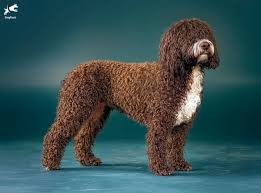
PWDs have a coat that comes in two hypoallergenic varieties:
- Curly: Compact ringlets similar to a Poodle’s
- Wavy: Looser, flowing curls with a slight sheen
Unlike heavy-shedding breeds, the Portuguese Water Dog’s coat does not shed seasonally. Instead, old hairs get caught in the curls or waves and stay there until they’re manually removed through grooming—keeping dander and allergens out of the air.
This unique coat is why the Portuguese Water Dog stands out in the world of hypoallergenic dogs, particularly for those who are allergic to pet hair and airborne dander.
🧽 Grooming: The Key to Hypoallergenic Success
Like most hypoallergenic dogs, the PWD’s coat must be consistently groomed to ensure allergen levels remain low. Here’s what’s required:
- Brushing: At least 2–3 times per week to prevent matting and remove trapped allergens
- Bathing: Every 3–4 weeks using a gentle, hypoallergenic dog shampoo
- Professional grooming: Every 6–8 weeks, especially if trimmed in the traditional “retriever” or “lion” clip
- Ear care: Their floppy ears require regular cleaning to avoid infections
🧼 Allergy Tip: The PWD’s low oil coat also helps minimize “dog smell” and reduces the spread of protein-based allergens like Can f 1 on surfaces.
🧠 Temperament: Intelligent, Driven, and Family-Loyal
As one of the most dynamic hypoallergenic dogs, the Portuguese Water Dog is a bundle of energy and devotion. Their temperament combines:
- High energy: Thrives on exercise, swimming, and problem-solving
- Loyalty: Deeply bonded to their humans, often becoming shadow-like
- Intelligence: Easily trained with positive reinforcement; responds well to structured environments
- Watchfulness: Protective but not aggressive, making them excellent family watchdogs
Because of their working-dog history, they crave daily mental and physical stimulation, and may become destructive if under-stimulated. Among hypoallergenic dogs, they’re one of the most active and engaging companions.
🏡 Best Fit For: Active, Committed Households
This breed is not ideal for low-energy or hands-off owners. The Portuguese Water Dog belongs in homes that:
- Have active individuals or families who can match its energy
- Offer access to a yard or nearby green space
- Love outdoor adventures, swimming, hiking, or beach days
- Can maintain regular grooming schedules
For allergy sufferers with a love of the outdoors, this is one of the few hypoallergenic dogs that matches high energy with low allergen risk.
📊 Quick Breed Snapshot: Portuguese Water Dog
| Trait | Details |
|---|---|
| Hypoallergenic Level | High (if coat is maintained properly) |
| Shedding | Low to virtually none |
| Coat Type | Dense, curly or wavy; water-resistant |
| Drooling | Minimal (great for hypoallergenic dogs) |
| Exercise Needs | Very high |
| Grooming Needs | Moderate to high |
| Trainability | Excellent – thrives on structure and praise |
| Lifespan | 11–14 years |
| Common Health Issues | Hip dysplasia, eye issues, GM1 storage disease (testable) |
📌 Fun Fact: Presidential Hypoallergenic Dogs
The Portuguese Water Dog shot to fame when President Barack Obama chose the breed for his daughters, one of whom has a pet dander allergy. Their dogs, Bo and later Sunny, lived in the White House and were adored by the public.
This real-world example brought massive attention to Portuguese Water Dogs as ideal hypoallergenic dogs for families, combining elegance with allergen-conscious living.
💡 Pro Tips for Managing Allergies
To get the most hypoallergenic benefits from this breed:
- Use HEPA filters in your home and vacuum with allergen-blocking filters
- Designate “no-dog zones” (especially bedrooms)
- Wash bedding and toys regularly
- Schedule consistent grooming and monitor skin for irritation or hot spots
Even among hypoallergenic dogs, your environment and routine play a major role in minimizing allergic reactions.
❤️ Why the Portuguese Water Dog Stands Out Among Hypoallergenic Dogs
If you’re an allergy sufferer who leads an active life, loves the outdoors, and wants a dog that can keep up physically and emotionally, the Portuguese Water Dog is an exceptional choice. With proper grooming and care, it earns its place among the most allergy-friendly and performance-ready hypoallergenic dogs out there.
✅ Word: Adventure Awaits, Without the Sneezes
The Portuguese Water Dog is living proof that hypoallergenic dogs can be high-energy, intelligent, and allergy-conscious all at once. Whether you’re swimming, jogging, hiking, or playing fetch, this breed brings unmatched enthusiasm and loyalty—with minimal risk of triggering your allergies.
🏆 4. Maltese
The Regal Lapdog of Hypoallergenic Dogs
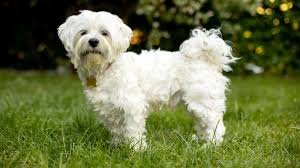
🌿 Why the Maltese is a Top Hypoallergenic Dog
The Maltese is a classic toy breed known not only for its elegance and charm but also for its status as one of the most desirable hypoallergenic dogs for people with pet allergies. Unlike double-coated breeds, the Maltese has a single-layer coat without an undercoat, meaning it sheds very minimally.
What little hair is lost tends to fall into the coat itself rather than spreading across your floors or furniture—a key characteristic of hypoallergenic dogs. Combined with low dander production and minimal saliva exposure, the Maltese is a gentle, allergy-conscious companion perfect for small, quiet homes.
🧬 Coat Type: Silky & Single-Layered — An Allergy-Sensitive Dream
The Maltese features a long, flowing, silky white coat that resembles human hair more than traditional dog fur. This coat type is important for two reasons:
- It doesn’t shed in clumps, which reduces the airborne distribution of dander-bound hair.
- It’s easy to manage allergen levels through regular brushing and bathing.
This coat places the Maltese among the most favored hypoallergenic dogs, especially for individuals who are reactive to fur or airborne pet dander. However, their coat’s beauty comes with a grooming commitment that should not be underestimated.
🎀 Grooming Alert: If left untrimmed, their hair can reach floor-length. Most pet parents opt for a “puppy cut” to make daily maintenance more manageable while keeping allergen levels low.
🧽 Grooming Needs for Allergy Control
As with all hypoallergenic dogs, routine grooming is essential to keep allergens under control and the coat mat-free. Here’s what’s required for Maltese care:
- Brushing: Daily, especially for long coats, to prevent tangles and trap dander
- Bathing: Every 2–3 weeks with a gentle, hypoallergenic dog shampoo
- Eye care: Daily wiping to remove tear stains and avoid buildup
- Hair trimming: Every 4–6 weeks for coat hygiene and comfort
🧼 Allergy Pro Tip: The Maltese benefits from frequent coat cleaning since their white fur shows dirt and debris more readily—making it easier to spot and remove allergens.
🧠 Temperament: Sweet, Devoted, and Low-Allergen
Among all hypoallergenic dogs, the Maltese is a true lap companion. Their temperament is deeply affectionate, loyal, and people-focused. You’ll find them:
- Always wanting to be near you
- Alert but not aggressive
- Easily trainable through positive reinforcement
- Great with calm kids, gentle seniors, and quiet homes
Because they don’t drool much, are easy to housetrain, and rarely engage in excessive licking or rough play, the Maltese reduces multiple allergen pathways—making them perfect for those who react to saliva as well as dander.
🏡 Ideal Living Situations
The Maltese is a natural fit for people who live in:
- Apartments or small spaces
- Calm, quiet households
- Senior residences or assisted living environments
- Homes with allergy sufferers seeking small hypoallergenic dogs
They are also great travel companions, easily adapting to new environments as long as their people are nearby.
📊 Quick Profile: Maltese as a Hypoallergenic Dog
| Trait | Details |
|---|---|
| Hypoallergenic Level | High (with grooming) |
| Shedding | Extremely low |
| Coat Type | Long, silky, single-layer |
| Dander Production | Low |
| Saliva/Drool | Very minimal |
| Size | Toy breed (4–7 lbs) |
| Energy Level | Moderate |
| Trainability | High, with consistent attention |
| Health Watchpoints | Dental issues, luxating patella, tear staining |
| Lifespan | 12–15 years |
💡 Tips to Maximize Hypoallergenic Benefits
To keep your Maltese as allergy-friendly as possible:
- Use hypoallergenic bedding and pet wipes
- Keep hair short if you’re sensitive to airborne particles
- Vacuum regularly using HEPA-filtered vacuums
- Wash your hands after handling your dog or their toys
- Avoid scented products or fabric softeners, which can irritate sensitive skin
Even among hypoallergenic dogs, a clean coat and clean environment = lower allergen load.
❤️ Why the Maltese is a Hypoallergenic Gem
Don’t let their glamorous looks fool you—the Maltese is one of the most loyal and emotionally connected hypoallergenic dogs you can find. Their desire to bond with their human makes them intuitive companions who adapt to your energy levels. If you want a cuddly friend who won’t trigger your allergies, the Maltese is a timeless choice.
✅ Final Word: Hypoallergenic Dogs Can Be Royal Too
Elegant yet approachable, regal yet friendly—the Maltese is everything you’d want in a hypoallergenic dog for modern living. Small in size but huge in personality, they blend perfectly into calm households and bring peace of mind to allergy-sensitive pet lovers.
If you’re dreaming of a dog that fits on your lap and not in your allergen index, the Maltese may just be your ideal match.
🏆 5. Schnauzer (Miniature, Standard & Giant)
The Versatile Watchdog Among Hypoallergenic Dogs

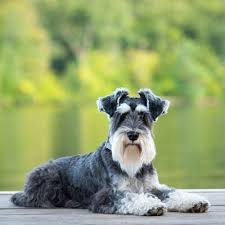
🌿 Why Schnauzers Are Hypoallergenic Dogs
The Schnauzer, in all its sizes—Miniature, Standard, and Giant—is celebrated as one of the most versatile and dependable hypoallergenic dogs. What sets them apart is their harsh, wiry topcoat, which naturally minimizes shedding and traps dander, keeping allergens from circulating freely in your home.
Unlike soft-coated breeds, Schnauzers have a double coat: a coarse outer layer that prevents allergens from becoming airborne and a soft undercoat that can be easily managed with routine grooming. This unique coat structure makes Schnauzers one of the most practical and allergy-conscious hypoallergenic dogs available today.
🧬 Coat Type: Built-In Allergen Control
The Schnauzer’s coat is designed by nature and breeders for utility—and that includes allergy reduction:
- Wiry outer coat: Acts like a shield against dander escape
- Soft undercoat: Requires grooming but sheds minimally
- Low oil production: Contributes to reduced “doggy odor” and fewer allergens in the home
Unlike breeds that “blow” their coat, Schnauzers experience minimal seasonal shedding, which is a major benefit among hypoallergenic dogs. Their coat retains loose hairs until they’re removed through hand-stripping or clipping, reducing hair and dander buildup in the environment.
🛠 Maintenance Tip: Regular grooming—especially hand-stripping for show Schnauzers—enhances the coat’s texture and maintains its hypoallergenic quality.
🧽 Grooming Needs: Key to Allergen Management
As with most hypoallergenic dogs, Schnauzers require consistent coat care to keep allergen levels in check:
- Brushing: At least 2–3 times per week to remove loose hair and debris
- Hand-stripping or clipping: Every 4–6 weeks, depending on coat style
- Bathing: Monthly, using a gentle, hypoallergenic dog shampoo
- Facial cleaning: Their beards can trap saliva, food, and allergens—wipe regularly
🧼 Pro Tip: The beard and leg furnishings are beautiful but should be kept clean and trimmed to reduce dander accumulation and allergen spread in the home.
🧠 Temperament: Guardian Angels with a Hypoallergenic Twist
Schnauzers are among the most intelligent and loyal hypoallergenic dogs, with a personality that shifts slightly depending on their size—but with a shared spirit:
- Miniature Schnauzer: Alert, outgoing, affectionate
- Standard Schnauzer: Even-tempered, courageous, devoted
- Giant Schnauzer: Bold, protective, highly trainable
Regardless of size, Schnauzers are known for being:
- Excellent watchdogs
- Devoted to family
- Naturally clean and low-drooling
- Highly trainable and eager to learn
All these qualities, combined with their low-shedding coat, make Schnauzers ideal hypoallergenic dogs for allergy-conscious homes that still want protection and personality.
🏡 Best Homes for Schnauzers
Schnauzers thrive in homes that offer structure, activity, and attention. They’re suitable for:
- Active individuals or families
- People with dog allergies looking for a protective breed
- Apartment living (Miniature Schnauzer only)
- Homes with yards and a need for a guard dog (Standard & Giant)
Among hypoallergenic dogs, Schnauzers provide one of the best blends of intelligence, protection, and allergy-friendly characteristics.
📊 Schnauzer Breed Comparison for Hypoallergenic Homes
| Size | Height | Best For | Hypoallergenic Traits |
|---|---|---|---|
| Miniature | 12–14 inches | Apartments, seniors, small families | Low-shedding, low dander, easy grooming |
| Standard | 17–20 inches | Active homes, watchdog purposes | Tough wiry coat, manageable allergens |
| Giant | 23–28 inches | Large homes, guard duties, professionals | Requires commitment, powerful protector |
Regardless of size, Schnauzers belong to a rare group of hypoallergenic dogs that come in multiple formats—giving families flexibility based on lifestyle and space.
💡 Pro Allergy Management Tips for Schnauzer Owners
To maximize the hypoallergenic benefit of your Schnauzer:
- Use enzyme-based grooming products to neutralize proteins like Can f 1
- Maintain strict cleaning routines in beard and leg areas
- Use HEPA filters and anti-allergen fabric sprays
- Establish dog-free zones (e.g., bedrooms)
- Clip or strip the coat professionally every few weeks
These steps are crucial in managing allergens even in the most hypoallergenic dogs like the Schnauzer.
❤️ Why Schnauzers Stand Out Among Hypoallergenic Dogs
Schnauzers are bold, brainy, and hypoallergenic, all in one package. Whether you want a small companion with a big bark (Miniature), a sporty and alert family dog (Standard), or a formidable yet trainable protector (Giant), the Schnauzer family has a solution for nearly every allergy-prone dog lover.
Their natural cleanliness, low-shedding coat, and low odor output further solidify their place as one of the most practical hypoallergenic dogs for families who want a little more edge in their companion animal.
✅ Word: The Hypoallergenic Watchdog You Didn’t Know You Needed
The Schnauzer proves that hypoallergenic dogs don’t have to be small, fluffy lapdogs. They can be protectors, companions, and smart working dogs with minimal impact on your allergies—if you commit to grooming and care.
If you’re seeking a vigilant, allergy-friendly dog that brings brains, bravery, and bold style to the table, the Schnauzer is an exceptional choice.
🏆 6. Lagotto Romagnolo
The Ancient Truffle Hunter Among Hypoallergenic Dogs

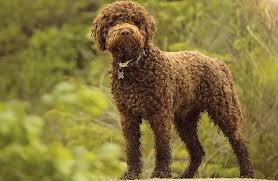
🌿 Why the Lagotto Romagnolo Is Considered Hypoallergenic
The Lagotto Romagnolo is a rare but increasingly popular breed among those seeking hypoallergenic dogs. Originally bred in Italy as a water retriever and later trained to sniff out truffles, this curly-coated canine boasts a dense, woolly, and non-shedding coat that captures dander and reduces allergen spread—similar to that of the Poodle.
Because the breed doesn’t shed seasonally, there’s far less risk of Can f 1 proteins (the primary allergen found in dog dander, saliva, and urine) contaminating your home. This makes the Lagotto Romagnolo a high-ranking hypoallergenic dog, especially for allergy-sensitive households willing to commit to coat care.
🧬 Coat Type: Curly, Woolly, and Allergy-Friendly
The Lagotto Romagnolo has a dense, tightly curled coat that is remarkably similar to a sheep’s wool. This coat is:
- Water-resistant – designed for retrieving in marshy environments
- Non-shedding – curls trap loose hair and dander rather than releasing it
- Low in oil – reduces the likelihood of odor and allergen dispersal
Among hypoallergenic dogs, the Lagotto stands out for its natural self-contained coat structure, which limits the spread of allergens when properly maintained.
🌱 Fun Fact: This breed was originally a water dog but became world-famous as a truffle hunter because of its incredible scenting ability—making it one of the most unique working hypoallergenic dogs.
🧽 Grooming Needs: A Must for Hypoallergenic Homes
Like other curly-coated hypoallergenic dogs, routine grooming is essential to control allergens and maintain the Lagotto’s coat:
- Brushing: 2–3 times per week with a wide-tooth comb to avoid matting
- Bathing: Every 4–6 weeks using a mild, hypoallergenic dog shampoo
- Hair trimming: Every 6–8 weeks to maintain coat shape and hygiene
- Ear cleaning: Crucial for this breed due to their floppy, moisture-prone ears
🧼 Pro Tip for Allergy Sufferers: A clean coat equals fewer allergens. Keeping the coat trimmed short (rather than long and woolly) may reduce dander buildup and make routine cleaning easier.
🧠 Temperament: Calm, Clever, and Scent-Driven
Unlike many high-energy working breeds, the Lagotto Romagnolo is surprisingly calm indoors, but still thrives on mental stimulation and scent work. Traits that make them excellent hypoallergenic dogs for families include:
- High intelligence: Fast learners, love training games
- Gentle nature: Affectionate without being overly clingy
- Natural diggers: Be prepared—they love to excavate!
- Protective instincts: Reserved with strangers, loyal with family
Because they drool minimally and don’t bark excessively, the Lagotto fits well among hypoallergenic dogs that offer low noise, low saliva, and low dander.
🏡 Best Homes for the Lagotto Romagnolo
This breed is best suited for allergy-sensitive homes that also enjoy:
- An active outdoor lifestyle
- Daily walks, hikes, and play sessions
- Time and interest in grooming
- Training, puzzles, and scent work
Lagottos are excellent family dogs, especially for those who want hypoallergenic dogs that can keep up with kids in the yard, join hikes, or even participate in dog sports like agility or nosework.
📊 Lagotto Romagnolo Profile at a Glance
| Trait | Details |
|---|---|
| Hypoallergenic Level | Very high (with grooming) |
| Shedding | Extremely low |
| Coat Type | Curly, woolly, non-shedding |
| Drooling | Minimal |
| Trainability | High – loves to learn and work |
| Exercise Needs | Moderate to high |
| Temperament | Calm indoors, playful outdoors |
| Size | Medium (17–24 inches; 24–35 pounds) |
| Common Health Issues | Hip dysplasia, epilepsy, storage diseases (testable) |
| Life Expectancy | 14–16 years |
💡 Allergy Control Tips for Lagotto Owners
To maximize your success with this breed as one of your chosen hypoallergenic dogs, be sure to:
- Groom frequently and trim the coat regularly
- Use air purifiers in common areas
- Clean bedding and toys weekly
- Train them to stay off beds or couches if allergies are severe
- Wipe their coat with damp hypoallergenic wipes after walks
Even the most allergy-friendly dogs can trigger symptoms if their coat isn’t maintained—environmental control is as crucial as genetics.
❤️ Why the Lagotto Romagnolo Is a Rising Star Among Hypoallergenic Dogs
While not as well-known as the Poodle or Bichon, the Lagotto Romagnolo is quickly gaining recognition as one of the most affectionate, intelligent, and hypoallergenic dogs for active, grooming-savvy households. Their non-shedding coat and stable temperament make them ideal for allergy sufferers who want more than just a lapdog—they want a partner in adventure.
✅ Final Word: Truffle-Sniffing, Allergy-Fighting Champion
The Lagotto Romagnolo blends old-world working instincts with modern allergy-friendly traits. If you’re searching for hypoallergenic dogs that offer energy, affection, and intelligence wrapped in tight curls, the Lagotto is a perfect match. Just be ready to pick up a grooming brush—and possibly a few holes in your backyard.
🏆 7. Yorkshire Terrier
The Fashion-Forward Toy Star Among Hypoallergenic Dogs
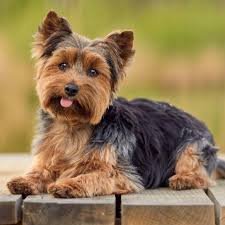
🌿 Why the Yorkshire Terrier is a Top Hypoallergenic Dog
The Yorkshire Terrier, affectionately known as the Yorkie, is one of the smallest yet most beloved hypoallergenic dogs in the world. Don’t let their size fool you—these tiny terriers pack a lot of confidence into a silky, allergy-friendly coat.
Unlike traditional fur, the Yorkie’s coat resembles human hair—it grows continuously, falls out infrequently, and does not shed seasonally. This hair-like quality means less dander and fewer airborne allergens, a hallmark trait among hypoallergenic dogs. Yorkies also produce minimal oil and saliva, further lowering the allergen load in your home.
🧬 Coat Type: Silky, Shedding-Resistant, and Stylish
The Yorkshire Terrier’s coat is:
-
Fine, straight, and silky
-
Single-layered (no undercoat, which means fewer allergens)
-
Slow to fall out, and when it does, it often gets trapped in the coat rather than falling on floors or furniture
This makes Yorkies one of the best hypoallergenic dogs for urban allergy sufferers or anyone looking for a low-mess, high-style pet. However, the beauty of their hair comes with a grooming commitment.
👗 Style Note: Many owners opt for a “puppy cut”—a short, manageable trim that reduces maintenance while preserving the breed’s signature look.
🧽 Grooming Needs: Critical for Hypoallergenic Success
To keep your Yorkie hypoallergenic and happy, proper grooming is non-negotiable:
-
Brushing: Daily if long-coated; every 2–3 days if trimmed short
-
Bathing: Every 2–3 weeks with hypoallergenic dog shampoo
-
Face & beard cleaning: Often needed to remove food, debris, and allergens
-
Regular trims: Every 6–8 weeks to prevent tangling and matting
🧼 Allergy Tip: A clean, well-maintained Yorkie coat traps fewer allergens and is easier to brush and bathe, which maximizes its hypoallergenic effectiveness.
🧠 Temperament: Feisty, Affectionate, and Alert
Yorkshire Terriers may be small, but they boast one of the boldest personalities among hypoallergenic dogs. Their temperament includes:
-
Loyalty: Deeply bonded to their humans
-
Courage: Originally bred to hunt rats in textile mills, Yorkies are brave and alert
-
Affection: Loves lap time, cuddles, and being near their favorite person
-
Energy: Playful, curious, and always on the move indoors or out
These traits make Yorkies one of the best hypoallergenic dogs for singles, seniors, and apartment dwellers who want companionship without high-maintenance exercise demands.
🏡 Best Living Environments for the Yorkie
Because of their compact size and adaptable nature, Yorkies fit well in:
-
Apartments and small urban homes
-
Single-person or senior households
-
Allergy-sensitive homes with no other shedding pets
-
Pet-friendly condos where shedding control is essential
Unlike some hypoallergenic dogs that require yards and long runs, the Yorkie is happy with short walks, indoor play, and cozy naps in a lap or soft bed.
📊 Yorkshire Terrier Hypoallergenic Profile at a Glance
| Trait | Details |
|---|---|
| Hypoallergenic Level | High – with consistent grooming |
| Shedding | Extremely low |
| Coat Type | Silky, single coat, hair-like |
| Drooling | Minimal |
| Size | Toy breed (4–7 pounds) |
| Trainability | Moderate – can be stubborn but smart |
| Energy Level | Moderate – playful indoors, enjoys short walks |
| Grooming Needs | High – especially if long coat is maintained |
| Lifespan | 12–16 years |
| Common Health Issues | Tracheal collapse, dental issues, luxating patella |
💡 Pro Tips for Allergy Control with Yorkies
To keep your home allergy-safe while owning one of the most stylish hypoallergenic dogs:
-
Use a lint roller and microfiber cloths on Yorkie bedding and clothes
-
Vacuum floors and couches weekly with a HEPA-filter vacuum
-
Use unscented, hypoallergenic grooming products
-
Regularly wash bedding, collars, and toys
-
Brush outdoors when possible to keep allergens out of the home
Remember, even hypoallergenic dogs like the Yorkie still produce allergens—it’s the reduced shedding and dander retention that helps lower your risk.
❤️ Why the Yorkshire Terrier is a Star Among Hypoallergenic Dogs
Yorkies prove that hypoallergenic dogs can be glamorous, spirited, and low-allergen all at once. Their compact size, bold heart, and elegant coat make them a favorite of allergy sufferers who still want flair, personality, and devotion in a small package.
Whether you choose a show-style coat or a low-maintenance puppy cut, the Yorkshire Terrier will turn heads without triggering sneezes—a true win for sensitive dog lovers.
✅ Final Word: The Tiny Titan of Hypoallergenic Dogs
Few hypoallergenic dogs combine elegance, energy, and allergen-conscious features like the Yorkshire Terrier. If you’re looking for a dog that fits in your lap, follows you everywhere, and looks stunning doing it—all while keeping allergens to a minimum—the Yorkie may just be your perfect match.
🩺 Bonus Tips for Managing Allergies Around Dogs
Living Comfortably with Hypoallergenic Dogs and Minimizing Reactions
While hypoallergenic dogs greatly reduce the risk of allergic reactions, no dog is 100% allergen-free. People with allergies react to proteins found in dog saliva, dander (dead skin cells), and urine—not fur itself. Therefore, the key to allergy control lies in environmental management, grooming routines, and smart home practices.
Below are proven strategies to help allergy-sensitive individuals live more comfortably with their hypoallergenic dogs.
🧼 1. Grooming & Bathing: The First Line of Defense
Frequent grooming is one of the most effective ways to reduce allergens. Even the most low-shedding hypoallergenic dogs accumulate dander, saliva, and outdoor allergens in their coats.
✅ Tips:
- Brush your dog at least 2–3 times a week using a slicker brush or de-shedding tool
- Bathe your dog every 2–4 weeks using a hypoallergenic or oatmeal-based shampoo
- Use leave-in conditioning sprays to trap dander and reduce airborne particles
- Wipe your dog’s paws and coat after outdoor walks to minimize pollen exposure
🧴 Bonus: Use enzymatic pet wipes between baths to remove allergens quickly.
🧽 2. HEPA Filtration & Vacuuming: Purify the Air and Surfaces
Investing in a HEPA (High-Efficiency Particulate Air) filter can significantly reduce airborne allergens in your home—especially those produced even by hypoallergenic dogs.
✅ Tips:
- Use HEPA air purifiers in bedrooms, living areas, and dog zones
- Vacuum carpets, rugs, and upholstery 2–3 times a week with a HEPA-filter vacuum
- Choose vacuums specifically designed for homes with pets
- Don’t forget baseboards, curtains, and under furniture—these areas trap dander!
🌀 Pro Tip: Clean or replace HEPA filters monthly to maintain peak efficiency.
🚫 3. Allergen-Free Zones: Protect the Bedroom
Your bedroom should be a sanctuary—especially if you’re allergic to dogs. Even hypoallergenic dogs, though cleaner and lower-risk, still carry dander and saliva that can linger on bedding and air surfaces.
✅ Tips:
- Make bedrooms strict no-dog zones
- Wash bedding weekly in hot water (130°F/54°C) to kill allergens
- Use dust-mite-proof covers on pillows and mattresses
- Keep bedroom doors closed and run an air purifier overnight
🛏️ Did You Know? Up to one-third of allergens in the home can accumulate in beds and pillows without proper cleaning.
💨 4. Ventilation & Humidity: Clean Air Matters
Ventilation isn’t just about comfort—it’s critical in managing indoor allergens from even the cleanest hypoallergenic dogs.
✅ Tips:
- Open windows daily to circulate fresh air (when outdoor pollen is low)
- Run ceiling fans or exhaust fans in rooms where dogs spend time
- Use dehumidifiers to keep humidity under 50%—dry air reduces mold and dander buildup
- Consider ventilated dog bedding or mats to prevent heat and allergen trapping
🌬️ Quick Fix: Clean HVAC vents and filters regularly to prevent allergen recirculation.
🪵 5. Flooring Choices: Skip the Carpet, Embrace Easy Cleaning
Even if you have hypoallergenic dogs, carpets can act as reservoirs for dander, fur, saliva, and dust mites—triggering allergies over time.
✅ Tips:
- Choose hard flooring: hardwood, vinyl, tile, laminate
- Use washable area rugs instead of wall-to-wall carpeting
- Mop floors weekly with hypoallergenic or enzyme-based cleaners
- Clean dog beds and blankets on a regular schedule
🪣 Pro Tip: Opt for furniture and bedding materials that are easy to wipe down or machine-wash.
🐶 Bonus: Choose the Right Dog
Even among hypoallergenic dogs, some produce fewer allergens than others. Factors that help:
- Smaller dogs = less surface area = less dander
- Dogs with curly, tight coats (like Poodles or Lagotto Romagnolos) trap allergens better
- Dogs that don’t drool much reduce saliva allergens (Can f 1)
🧬 Every individual reacts differently, so spend time with a breed before committing, and consider allergy testing beforehand.
✅ Final Thought: Allergy Control is a Lifestyle, Not a One-Time Fix
With consistent routines, modern cleaning tools, and the right choice in hypoallergenic dogs, allergy sufferers can enjoy the rewards of dog ownership without the discomfort. Whether it’s brushing daily, running a HEPA filter, or limiting where your dog roams, small habits lead to big relief.
Your home can be both dog-friendly and allergy-friendly—it just takes commitment and the right approach.
Here’s an enhanced, in-depth, and SEO-optimized version of your “Final Thoughts” section, with a warm tone, practical advice, and a natural integration of the focus keyword “hypoallergenic dogs” for stronger impact:
🧠 Final Thoughts: Embracing the Joy of Dogs—Without the Sneezing
Living with allergies doesn’t mean giving up your dream of dog ownership. Thanks to the growing awareness around hypoallergenic dogs, individuals with pet sensitivities can now enjoy the unconditional love of a canine companion—with far fewer allergic reactions.
Breeds like the Poodle, Bichon Frise, Portuguese Water Dog, Lagotto Romagnolo, and Yorkshire Terrier are widely celebrated for producing less dander, shedding minimally, and being more tolerable for allergy sufferers. These hypoallergenic dogs may not be completely allergen-free (no dog truly is), but they offer a significantly lower risk—especially when paired with proper grooming and home hygiene practices.
🩺 However, hypoallergenic dogs are just one piece of the puzzle. Every person’s immune system reacts differently, so it’s crucial to:
- Spend time with a breed before adopting to test your sensitivity
- Consult an allergist for personalized medical advice and treatment plans
- Create an allergy-friendly environment through smart cleaning routines, air purification, and dog-free zones in the home
Owning one of these special hypoallergenic dogs means committing not just to pet care, but to a lifestyle of proactive allergy management. But the reward? Endless loyalty, emotional companionship, and the unique joy only a dog can bring.
Whether you’re looking for a curly-coated cuddle buddy or a low-shedding watchdog, the world of hypoallergenic dogs offers options for every personality and living situation.
✅ Remember:
Allergies don’t have to end your journey—just redirect it toward smarter choices. With the right breed, a well-ventilated home, and consistent care, your allergy-friendly best friend may be just a paw away.
🐶 Frequently Asked Questions About Hypoallergenic Dogs
❓1. What are hypoallergenic dogs exactly?
Hypoallergenic dogs are breeds that are less likely to cause allergic reactions in sensitive individuals. These dogs typically shed less hair, produce lower amounts of dander, and have coat types that trap allergens instead of spreading them. While no dog is 100% allergen-free, hypoallergenic dogs significantly reduce exposure to common allergy triggers.
❓2. Are hypoallergenic dogs completely safe for allergy sufferers?
Not always. Hypoallergenic dogs can still produce allergens through their skin, saliva, and urine. However, many people with mild to moderate allergies find they can live comfortably with certain hypoallergenic dogs—especially when combined with grooming and home allergy management practices.
❓3. Which dog breeds are considered hypoallergenic dogs?
Popular hypoallergenic dogs include the Poodle, Bichon Frise, Yorkshire Terrier, Lagotto Romagnolo, Schnauzer, Portuguese Water Dog, and Havanese. These breeds share traits like low-shedding coats, minimal dander production, and less drooling.
❓4. What makes a dog hypoallergenic?
The defining traits of hypoallergenic dogs include a low-shedding coat, reduced dander production, low drool output, and in many cases, a single-layer coat that traps allergens. These factors contribute to fewer allergens being released into the home.
❓5. Do hypoallergenic dogs still need grooming?
Yes—hypoallergenic dogs actually require regular grooming to maintain their coat health and minimize allergen buildup. Bathing, brushing, and trimming are crucial for keeping allergens like dander and saliva proteins under control.
❓6. Can hypoallergenic dogs live in apartments?
Absolutely. Many hypoallergenic dogs, such as the Miniature Schnauzer, Yorkshire Terrier, and Maltese, are excellent choices for apartment dwellers because they’re small, clean, and don’t leave fur all over the space.
❓7. Are hypoallergenic dogs good with children?
Yes, many hypoallergenic dogs are wonderful with kids. Breeds like the Bichon Frise, Soft Coated Wheaten Terrier, and Labradoodle are gentle, friendly, and low-shedding—making them safe companions for allergy-sensitive families.
❓8. How do hypoallergenic dogs affect asthma sufferers?
Because hypoallergenic dogs shed less and produce fewer airborne allergens, they may be safer for people with asthma. However, it’s always important to spend time with the breed and consult a doctor before bringing any dog into a home with asthma concerns.
❓9. Do hypoallergenic dogs smell less than other dogs?
Generally, yes. Many hypoallergenic dogs have low oil production, which reduces the classic “doggy odor.” Regular grooming also helps keep them smelling fresh and clean.
❓10. Can you be allergic to hypoallergenic dogs?
Yes. “Hypoallergenic” does not mean “allergen-free.” People may still react to the proteins in a hypoallergenic dog’s saliva or skin, but the risk is often lower than with non-hypoallergenic breeds.
❓11. What size hypoallergenic dogs are best for small homes?
Small hypoallergenic dogs such as the Maltese, Toy Poodle, Bichon Frise, and Yorkie are ideal for tight spaces and are easier to bathe and groom regularly, which also helps reduce allergens.
❓12. Are there large hypoallergenic dogs?
Yes! Hypoallergenic dogs like the Giant Schnauzer, Portuguese Water Dog, and Irish Water Spaniel are great choices for those who want a larger companion without the allergen overload.
❓13. Do hypoallergenic dogs shed at all?
Most hypoallergenic dogs shed minimally. Some may lose individual hairs (like humans), but they don’t go through seasonal shedding like double-coated breeds. This makes it easier to keep your home allergen-free.
❓14. How often should I bathe hypoallergenic dogs?
To control allergens, hypoallergenic dogs should be bathed every 2–4 weeks using a mild, hypoallergenic shampoo. Frequent bathing removes dander and reduces allergen buildup in the coat.
❓15. How can I make my home more allergy-friendly with hypoallergenic dogs?
Use HEPA air purifiers, vacuum often with pet-specific vacuums, clean dog bedding weekly, and create dog-free zones like bedrooms. These steps, when combined with the natural advantages of hypoallergenic dogs, greatly reduce allergic reactions.
✅ Final Note on Hypoallergenic Dogs
While no dog can promise a reaction-free experience, hypoallergenic dogs offer the best chance for allergy sufferers to enjoy a fulfilling bond with a pet. With the right breed, regular grooming, and smart home practices, it’s entirely possible to live in harmony with a dog—even if you’re allergy-prone.
📦 Recommended Products & Resources for Hypoallergenic Dogs
| 🛒 Product/Resource | 🔍 Purpose | 🔗 Link |
|---|---|---|
| Allerpet Dog Dander Remover | Reduces allergens on your dog’s coat | Buy on Amazon |
| Vet’s Best Hypo-Allergenic Dog Shampoo | Gentle, soothing, allergy-safe shampoo | View Product |
| Furminator DeShedding Tool for Dogs | Traps loose hair and dander | Check Here |
| LEVOIT Core 300 HEPA Air Purifier | Filters pet dander, dust, and allergens | Buy Now |
| Bissell Pet Hair Eraser Turbo Vacuum | Ideal for pet homes with carpet or upholstery | View Product |
| Nature’s Miracle Hypoallergenic Wipes | Gentle daily grooming for hypoallergenic dogs | Check on Amazon |
| American Kennel Club – Hypoallergenic Dogs List | Educational resource for breed research | Visit AKC |
| Chewy – Hypoallergenic Dog Food & Treats | Low-allergen diet options | Explore Options |
| Tractive GPS Pet Tracker | For tracking your hypoallergenic dog safely | Shop Here |
| KONG ZoomGroom Brush | Ideal for bathing and massaging curly coats | Buy on Amazon |
Top 10 Low-Maintenance Dog Breeds for Busy happy People
Vet‑Approved best dog food Guide: 10 Essential Tips to Choose the Right best dog food
🐾 How to Train a Puppy: 10 Advanced steps to Teaching Essential Commands (Expert-Level Training)