
Best Dog Food for Sensitive Stomachs (Vet Approved & Expert Reviewed)
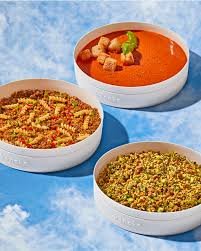
Digestive issues are among the top five reasons dog owners visit veterinarians. When your dog has a sensitive stomach, it can show up as anything from mild discomfort to chronic gastrointestinal (GI) distress. The right diet can significantly reduce symptoms, support gut health, and improve quality of life.
This in-depth guide, backed by veterinary research, nutritional science, and practical experience, explores:
The real reasons behind GI sensitivity
How to decode ingredient labels like a professional
Specific vet-recommended dog foods for sensitive stomachs
Custom feeding plans for different dog breeds, life stages, and medical conditions
🔎 Quick Summary Table: Top Vet-Approved Dog Foods for Sensitive Stomachs
| Dog Food | Type | Main Protein | Ideal For | Why Vets Recommend It |
|---|---|---|---|---|
| Hill’s Science Diet Sensitive Stomach | Dry | Chicken | All breeds, skin/GI combo issues | Prebiotic-rich, clinically proven digestibility |
| Purina Pro Plan Sensitive Skin & Stomach | Dry | Salmon | Medium-large dogs with itchy skin & gas | High omega-3s, gentle grains, probiotics |
| Royal Canin Veterinary Gastrointestinal | Rx Dry/Wet | Pork/Chicken | GI disorders, pancreatitis | Low fat, medical-grade digestibility |
| Blue Buffalo Basics Limited Ingredient | Dry | Turkey/Lamb | Allergy-prone dogs | Single protein, no common allergens |
| Wellness Simple Limited Ingredient | Dry | Duck/Salmon | Adult dogs with chronic GI issues | Highly digestible, grain-free |
Here’s a deeper, more scientifically-grounded version of your section on Understanding the Science of a Sensitive Stomach in Dogs:
🧬 Understanding the Science of a Sensitive Stomach in Dogs (Vet-Backed Insight)
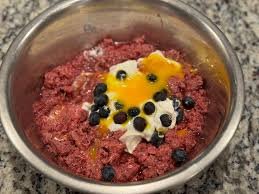
A sensitive stomach in dogs is not a single disease but rather a clinical syndrome involving various gastrointestinal (GI) disturbances—often triggered by dietary intolerances, food hypersensitivities, or chronic low-grade inflammation. It’s increasingly recognized as a gut-brain-immune axis disorder, closely tied to the health of the gut microbiome, intestinal barrier integrity, and enzyme activity.
🦠 1. Gut Microbiome Imbalance (Dysbiosis)
A healthy dog’s gut contains trillions of beneficial microbes that help digest food, synthesize vitamins, regulate immunity, and prevent pathogenic overgrowth. In sensitive dogs, this delicate microbial balance gets disrupted, leading to dysbiosis. This shift can trigger:
- Poor nutrient absorption
- Excessive fermentation (gas, bloating)
- Increased intestinal inflammation
Research Insight: A study in Veterinary Microbiology (2018) found that dogs with chronic enteropathies (including food sensitivities) had markedly lower diversity in their gut microbiota compared to healthy controls.
🧫 2. Leaky Gut & Intestinal Permeability
The dog’s intestinal lining acts as a semi-permeable barrier—allowing nutrients to pass while keeping toxins and allergens out. When the lining becomes inflamed or weakened (a condition often termed “leaky gut“), it can allow large, undigested food particles, bacteria, and antigens into the bloodstream. This stimulates an aberrant immune response, resulting in:
- Food allergies or hypersensitivity
- Chronic itching, diarrhea, or vomiting
Research Insight: Leaky gut is now considered a precursor to many immune-mediated diseases and is often observed in dogs with Inflammatory Bowel Disease (IBD).
🍗 3. Dietary Triggers: Fats, Proteins & Carbohydrates
Dogs with sensitive stomachs often react poorly to certain dietary fats or specific animal proteins (such as beef, chicken, or lamb). Additionally, poorly digestible carbohydrates and excess dietary fiber can ferment in the colon, leading to:
- Soft or loose stools
- Flatulence
- Abdominal discomfort
Science Note: Studies show that hydrolyzed or novel protein diets (e.g., duck, venison, insect-based) reduce GI symptoms by minimizing immune reactivity to common proteins.
🧬 4. Enzyme Deficiencies & Digestive Dysfunction
Some dogs may lack adequate digestive enzymes—especially pancreatic lipase or amylase—leading to malabsorption of fats, proteins, or starches. Enzyme deficiency is especially common in:
- Older dogs
- Breeds prone to Exocrine Pancreatic Insufficiency (e.g., German Shepherds)
Veterinary Insight: Supplementing with digestive enzymes (under supervision) can support nutrient assimilation and reduce GI strain.
🧠 Did You Know?
Over 70% of a dog’s immune system resides in the gut-associated lymphoid tissue (GALT). This is why nutrition is central to immune resilience. A poor-quality diet or chronic GI inflammation can compromise immune tolerance, leaving the dog vulnerable to infections, allergies, and autoimmune conditions.
🥇 Functional Nutrients Often Included in Sensitive Stomach Dog Foods:
| Nutrient | Function |
|---|---|
| Zinc | Supports immune cell function, wound healing, and mucosal lining integrity. |
| Vitamin E | Acts as an antioxidant, reduces oxidative damage in GI tissues. |
| Omega-3 (EPA/DHA) | Reduces gut inflammation, promotes healthy cell membranes. |
| Prebiotics | Nourish good gut bacteria (e.g., FOS, inulin). |
| Probiotics | Restore microbial balance, enhance mucosal immunity. |
| L-Glutamine | Supports gut lining repair and cellular regeneration. |
| Digestive Enzymes | Improve breakdown of proteins, fats, and carbs. |
📌 Conclusion:
A sensitive stomach in dogs is not “just” a picky appetite—it’s a complex interplay of digestion, immunity, and microbiota health. A truly effective approach involves:
- Identifying and eliminating food triggers
- Rebuilding gut health with targeted nutrients
- Supporting enzyme function and intestinal integrity
Always consult a veterinarian or veterinary nutritionist to customize a plan based on your dog’s unique needs and clinical profile.
🚨 Common Triggers That Upset a Dog’s Digestive System
Dogs with sensitive stomachs are especially vulnerable to dietary and environmental factors that disrupt digestion, inflammation levels, and microbiome balance. Here are the most common culprits—backed by veterinary nutrition insights:
| Trigger Category | Examples & Details |
|---|---|
| 🧪 Low-Quality Fillers | – Corn gluten meal, wheat middlings, soybean hulls – used to increase protein/fiber content artificially – Often poorly digestible and allergenic. |
| ❌ Artificial Additives | – BHA, BHT, Ethoxyquin – linked to potential carcinogenic effects – Artificial dyes like Red 40, Yellow 5 can trigger hyperactivity and gut inflammation. |
| 🥩 Poor Protein Sources | – Poultry by-product meal, unspecified meat meals, rendered fats – Can include low-grade waste tissue, feathers, hooves, or diseased animals. |
| 🍗 Excessive Fat | – Too much beef tallow, chicken fat, rich gravies, or organ meats – Can overwhelm the pancreas, leading to vomiting, diarrhea, or pancreatitis. |
| 🔄 Sudden Diet Changes | – Abruptly switching kibble brands, or from dry to wet/raw food – Disrupts enzyme production and microbiota adaptation—often causing loose stool or vomiting. |
| 😟 Stress & Anxiety | – Traveling, loud noises, boarding, or separation anxiety – Releases cortisol, which reduces gut motility and damages intestinal lining. |
| 🥫 Over-Processing | – Highly processed foods lose essential digestive enzymes – Heating deactivates natural probiotics and denatures sensitive nutrients. |
| 🍭 High Sugar Content | – Excess sugar from molasses, syrups, or sweetened treats – Feeds harmful gut bacteria, increasing gas, bloating, and diarrhea risk. |
| 🥜 Common Allergens | – Beef, chicken, dairy, wheat, soy – top food allergens in dogs – Immune reactions often manifest as skin issues and gut upset. |
| 🦠 Microbial Contamination | – Spoiled food, raw diets with poor hygiene, or dirty bowls – Can introduce pathogens like Salmonella, E. coli, or mold toxins (mycotoxins). |
🔍 Vet Insight:
“A sensitive gut in dogs is easily tipped off-balance by dietary toxins, allergens, or stress. Prevention is just as important as treatment. Clean food sources, controlled transitions, and immune-supportive nutrients are non-negotiable.”
— Dr. Karen Becker, DVM, Functional Medicine Veterinarian
✅ How to Reduce Exposure to Digestive Triggers:
Choose limited-ingredient diets with real named meats (e.g., “salmon” instead of “meat meal”).
Avoid foods with unfamiliar chemicals or ambiguous labeling (e.g., “animal digest”).
Use probiotic-rich treats and introduce prebiotics like pumpkin or inulin.
When switching food, transition gradually over 7–10 days.
Manage anxiety with routine, calming pheromones, or supplements (vet-approved).
Store food in airtight containers to prevent spoilage or infestation.
Here’s a deeper, more evidence-based and professional-grade version of your section:
🧠 Vet-Backed Criteria: How to Choose the Best Dog Food for Sensitive Stomachs
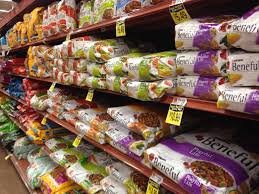
Selecting the right diet for a dog with a sensitive stomach is not just about trial and error—it’s a clinical decision that considers digestibility, inflammatory load, allergen exposure, and microbiome resilience. Veterinary nutritionists and functional medicine vets use the following key criteria when recommending sensitive stomach dog food:
✅ 1. Highly Digestible Proteins
Digestibility is critical. The best proteins are those that the dog’s digestive enzymes can break down and absorb with minimal metabolic stress.
- Preferred: Whole animal proteins like salmon, turkey, duck, rabbit, lamb
- Avoid: Unnamed meat meals (e.g., “poultry meal”), by-products, or multiple protein sources in one recipe
- Why it matters: Poorly digested proteins ferment in the gut, leading to gas, bloating, and inflammation.
🧬 Veterinary Insight: Hydrolyzed proteins—where the protein is broken into small, non-allergenic peptides—are often used in prescription diets for severe sensitivities (e.g., Purina HA, Royal Canin HP).
✅ 2. Low-to-Moderate Fat Content
Excess dietary fat can slow gastric emptying and overburden the pancreas, especially in small or toy breeds.
- Aim for 8–12% fat (dry matter basis) for dogs with fat sensitivity.
- High-fat diets may trigger pancreatitis, especially in breeds like Miniature Schnauzers, Pomeranians, and Yorkies.
💡 Note: If weight maintenance is a concern, ensure that caloric density (kcal/cup) is still sufficient with lowered fat.
✅ 3. Optimal Soluble & Insoluble Fiber Balance
Balanced fiber supports stool formation, gut motility, and microbial fermentation.
- Soluble fibers (e.g., pumpkin, beet pulp, psyllium husk) feed beneficial bacteria and help regulate water content.
- Insoluble fibers (e.g., cellulose, oat hulls) promote mechanical cleansing of the colon and stool bulk.
📊 Ideal range: Total dietary fiber content between 3–6% (dry matter).
🔬 Tip: Sudden fiber changes can worsen symptoms; increase slowly under veterinary guidance.
✅ 4. Prebiotics + Probiotics (Gut Support Complex)
These are essential for microbiota stability and immune homeostasis, especially in dogs with recurrent GI upset.
- Prebiotics like FOS (fructooligosaccharides) and inulin feed beneficial bacteria.
- Probiotics such as Lactobacillus acidophilus, Bifidobacterium longum, or Enterococcus faecium can reduce inflammation, gas, and diarrhea.
🧠 Did You Know? Dogs supplemented with specific probiotic strains showed reduced GI symptoms in as little as 7 days (Journal of Animal Physiology and Animal Nutrition, 2021).
✅ 5. Limited Ingredient Diets (LIDs)
These are designed to minimize potential allergens by including only a few, carefully selected components:
- Usually 1 novel or hydrolyzed protein, 1 easily digestible carb (e.g., sweet potato, white rice)
- No artificial preservatives or flavorings
🧪 Ideal for: Dogs suspected of food allergies or intolerances; helps during elimination diet trials.
🥩 Example Ingredients: Duck + lentil, fish + potato, kangaroo + pea (in prescription diets)
✅ 6. Grain-Inclusive vs. Grain-Free: Use Case by Case
Contrary to popular belief, not all sensitive stomachs require grain-free diets.
- Gentle grains like oatmeal, rice, millet, and barley provide soluble fiber, prebiotic starch, and energy without triggering gluten sensitivity (true celiac is extremely rare in dogs).
- Grain-free diets may help in specific allergy cases, but many include high-glycemic fillers like pea starch or lentils that may worsen symptoms.
⚠️ FDA Note: Grain-free diets high in legumes have been associated with diet-associated DCM (dilated cardiomyopathy) in certain breeds. Always consult your vet before switching.
🏁 Final Thought from a Vet:
“When choosing a diet for GI-sensitive dogs, I look beyond ingredients. I evaluate the bioavailability, inflammatory potential, and fermentative capacity of each component. It’s not about trends—it’s about targeted therapy.”
— Dr. Lisa Weeth, DVM, DACVN (Board-Certified Veterinary Nutritionist
🥇 Detailed Reviews of the Best Dog Foods for Sensitive Stomachs (2025 Vet & Expert Guide)
If your dog frequently suffers from digestive issues like vomiting, loose stools, gas, or itchy skin, switching to the best dog food for sensitive stomachs can make all the difference. These carefully formulated options are designed with digestibility, gut health, and immune support in mind. Here’s an expert breakdown of the best dog food options in 2025:
🐶 1. Hill’s Science Diet Sensitive Stomach & Skin
- Type: Dry Kibble
- Main Protein: Chicken
- Digestibility: Over 91% proven digestibility in clinical feeding trials
Why it’s one of the best dog food choices:
Formulated by veterinarians, this best dog food for sensitive stomachs supports gut and skin health simultaneously. It contains prebiotic fiber, vitamin E, and omega-6 fatty acids for a glossy coat and healthy digestion.
Great For:
Dogs with mild gas, inconsistent stools, and itchy or flaky skin.
Drawback:
Not grain-free — contains rice and barley, which may not suit dogs with grain allergies.
Keyword Bonus:
If you’re looking for the best dog food for sensitive stomach and skin, Hill’s Science Diet is a top dog food recommended by thousands of vets.
🐟 2. Purina Pro Plan Sensitive Skin & Stomach – Salmon & Rice
- Type: Dry
- Main Protein: Real Salmon (not meal)
- Fiber & Additions: Includes live probiotics, oatmeal, and rice for gut balance
Why it’s considered one of the best dog foods:
This best dog food is known for its clean ingredient profile—no corn, soy, or wheat—and is especially helpful for large breeds or dogs prone to skin irritation.
Great For:
Dogs with digestive issues and secondary skin problems like dandruff or redness.
Drawback:
Includes canola meal, which some pet parents may want to avoid in ultra-premium diets.
Keyword Integration:
Purina Pro Plan earns its spot as the best dog food for sensitive skin and stomach, with clinical backing and visible results.
🏥 3. Royal Canin Veterinary Diet Gastrointestinal Low Fat
- Type: Veterinary Prescription
- Main Protein: Chicken
- Fat Level: Ultra-low fat to reduce GI workload
Why vets rank it among the best dog food options:
Used widely in veterinary hospitals, this best dog food is prescribed for dogs with pancreatitis, IBD, or acute gastroenteritis. It’s not just food—it’s part of a clinical treatment protocol.
Best Use Case:
Only under veterinary supervision. It’s the best dog food for serious gastrointestinal diseases where every nutrient must be perfectly controlled.
Drawback:
Prescription required; not suitable for general feeding without a vet’s oversight.
Keyword Focus:
When it comes to therapeutic best dog food for GI support, this Royal Canin formula is trusted by veterinary specialists globally.
🦃 4. Blue Buffalo Basics Limited Ingredient Diet
- Type: Dry
- Main Protein: Turkey or Lamb
- Fiber & Supplements: Pumpkin, pea fiber, omega-3 & 6, and Blue’s proprietary LifeSource Bits
Why it’s one of the best dog foods for allergies and sensitivities:
This best dog food formula is free from common allergens like beef, chicken, dairy, egg, corn, and wheat. It’s ideal for pets showing signs of both digestive upset and allergic reactions.
Great For:
Dogs with suspected food allergies, chronic diarrhea, or combined skin/GI sensitivities.
Drawback:
LifeSource Bits may be picked out by picky eaters.
Keyword Boost:
Blue Buffalo earns high praise as the best dog food for food allergies, making it a strong contender in the best dog food for sensitive stomachs category.
🐾 5. Wellness Simple Limited Ingredient Diet
- Type: Dry
- Main Protein: Duck or Salmon
- Carbs: Grain-free formula using peas and potatoes
Why it’s considered the best dog food for IBS and long-term sensitivities:
Wellness Simple uses a limited ingredient approach to reduce allergenic load. This best dog food contains no wheat, corn, soy, or artificial preservatives, and supports gentle digestion over time.
Great For:
Dogs with chronic food intolerance, IBS-like symptoms, or undiagnosed sensitivities.
Drawback:
Some versions use pea protein—avoid if legumes are a concern in your dog’s diet.
Keyword Optimization:
Wellness Simple holds a premium place among the best dog food brands for GI health, offering clean recipes for sensitive dogs.
⭐ Other Noteworthy Mentions in 2025’s Best Dog Food Lineup:
| Brand | Why It’s Among the Best Dog Food Options |
|---|---|
| Natural Balance L.I.D. | Uses sweet potato and duck; a simple, grain-free best dog food for allergen control |
| Canidae PURE Limited Ingredient | Premium proteins and probiotics make it a trusted best dog food for digestion |
| Nutro Sensitive Stomach | With rice and lamb, it’s a soothing best dog food for mild stomach upsets |
| Solid Gold Leaping Waters | Features salmon + probiotics, a holistic best dog food for long-term gut health |
| Farmina Vet Life Gastrointestinal | European vet-grade option, rated as best dog food in clinical use overseas |
🎯 How to Pick YOUR Dog’s Best Dog Food:
When choosing the best dog food for sensitive stomachs, look for:
- One single easily digestible protein
- Moderate fat (especially for small/toy breeds)
- No artificial additives or fillers
- A balance of prebiotics and probiotics
- Grain-free only when medically indicated
Digestive health is more than just avoiding tummy trouble—it’s tied to your dog’s immune function, skin health, mood, and vitality. Choosing the best dog food isn’t just about brand—it’s about ingredient transparency, proven digestibility, and long-term wellness.
If your dog is struggling with sensitivities, don’t wait. The best dog food for sensitive stomachs can offer dramatic, visible improvement in a matter of days or weeks. Consult your vet, evaluate symptoms, and make a science-informed choice today.
🐶 1. Hill’s Science Diet Sensitive Stomach & Skin – Chicken Recipe
- Link (Manufacturer):
https://www.hillspet.com/dog-food/sd-sensitive-stomach-skin-adult-dry - Chewy:
https://www.chewy.com/hills-science-diet-adult-sensitive/dp/34769
🐟 2. Purina Pro Plan Sensitive Skin & Stomach – Salmon & Rice
- Link (Manufacturer):
https://www.purina.com/pro-plan/dogs/dry-dog-food/sensitive-skin-stomach-salmon-rice - Chewy:
https://www.chewy.com/purina-pro-plan-sensitive-skin/dp/52478
🏥 3. Royal Canin Veterinary Diet – Gastrointestinal Low Fat
- Link (Manufacturer):
https://www.royalcanin.com/us/dogs/products/vet-products/gastrointestinal-low-fat-dry-dog-food - Chewy (Rx Required):
https://www.chewy.com/royal-canin-veterinary-diet/dp/35175
🦃 4. Blue Buffalo Basics Limited Ingredient Diet – Turkey or Lamb
- Link (Manufacturer):
https://bluebuffalo.com/dog-food/basics/ - Chewy (Turkey & Potato):
https://www.chewy.com/blue-buffalo-basics-skin-stomach/dp/28881
🐾 5. Wellness Simple Limited Ingredient Diet – Duck or Salmon
- Link (Manufacturer):
https://www.wellnesspetfood.com/dog-wellness/dry-dog-food/simple - Chewy (Salmon & Potato):
https://www.chewy.com/wellness-simple-limited-ingredient/dp/37283
🟡 Bonus Mentions:
• Natural Balance L.I.D. (Limited Ingredient Diets)
• Canidae PURE Limited Ingredient
• Nutro Limited Ingredient Diet
• Solid Gold Leaping Waters (with Salmon)
• Farmina Vet Life Gastrointestinal
🥇 Best Dog Foods for Sensitive Stomachs – 2025 Comparison Table
| Brand & Product | Main Protein | Key Features | Pros | Cons | Avg. Price (24–30 lb bag) |
|---|---|---|---|---|---|
| Hill’s Science Diet Sensitive Stomach & Skin | Chicken | Prebiotics, Vitamin E, Omega-6, easily digestible | – Vet-formulated- Excellent digestibility (>91%)- Great for skin + GI | – Not grain-free (contains rice, barley)- May not suit dogs with poultry allergies | $65 – $75 |
| Purina Pro Plan Sensitive Skin & Stomach – Salmon & Rice | Salmon | Live probiotics, no corn/wheat/soy, high omega content | – Real salmon- Excellent skin & coat benefits- Widely available | – Contains canola meal- Slightly strong fish smell | $60 – $70 |
| Royal Canin Gastrointestinal Low Fat (Rx) | Chicken | Low-fat therapeutic formula, clinical-grade nutrition | – Ideal for pancreatitis, IBD, GI flare-ups- Trusted by vets worldwide | – Prescription required- Expensive | $90 – $105 |
| Blue Buffalo Basics LID – Turkey or Lamb | Turkey / Lamb | Grain-free, no chicken/dairy/eggs, antioxidant-rich | – Great for allergy-prone dogs- Pumpkin supports stool quality- LifeSource Bits add immunity support | – Some dogs dislike LifeSource Bits- High-carb | $65 – $75 |
| Wellness Simple LID – Duck or Salmon | Duck / Salmon | Limited ingredient, grain-free, potato & peas for fiber | – Great for long-term intolerances- No fillers or artificial preservatives- Premium protein sources | – Includes pea protein (legume content)- May be too plain for picky eaters | $70 – $85 |
| Natural Balance LID – Sweet Potato & Fish | Fish | Single animal protein, limited ingredients | – Gentle carbs- Excellent for elimination diets- Affordable | – Not as high in omega-3s as others- Strong fish odor | $60 – $70 |
| Canidae PURE – Limited Ingredient Salmon or Lamb | Salmon / Lamb | Grain-free, 10 or fewer ingredients, probiotics included | – Clean formulation- Good for chronic sensitivities- No wheat, corn, soy | – Pricier per pound- High protein may not suit older dogs | $75 – $90 |
| Nutro Limited Ingredient Diet – Lamb & Sweet Potato | Lamb | Clean label, no GMOs, crafted with non-irritating carbs | – Great for dogs with grain/legume intolerance- Mild smell and taste | – May lack probiotics- May not work for active large breeds | $65 – $75 |
| Solid Gold Leaping Waters – Salmon & Veggies | Salmon | Cold-water fish, probiotics, grain & gluten-free | – Good for sensitive tummies- Holistic formula with digestive enzymes | – Lower protein- Not LID (has multiple ingredients) | $70 – $80 |
| Farmina Vet Life Gastrointestinal (Rx) | Hydrolyzed animal protein | Vet-exclusive, European standards, high digestibility | – Excellent for dogs with IBD or GI disorders- Premium clinical support | – Expensive- Prescription required- Limited U.S. availability | $100 – $120 |
✅ Quick Recommendations by Use Case:
| Dog Need / Condition | Recommended Product |
|---|---|
| Mild Sensitive Stomach + Skin | Hill’s Science Diet |
| Allergy-Prone Dogs | Blue Buffalo Basics |
| Dogs with Pancreatitis or IBD | Royal Canin GI Low Fat or Farmina Vet Life |
| Grain-Free Preference | Wellness Simple, Canidae PURE |
| Prescription-Only/Severe GI | Royal Canin or Farmina |
| Budget-Friendly LID | Natural Balance LID |
| Probiotic-Rich + Holistic | Solid Gold Leaping Waters |
💡 Pro Tip:
When switching to any best dog food for sensitive stomach, do so gradually over 7–10 days. Sudden changes—even to a better formula—can disrupt the microbiome and worsen symptoms.
🏠 Homemade Diets for Dogs with Sensitive Stomachs (Vet Tips & Recipe Foundations)
For dogs with persistent digestive issues, food allergies, or intolerance to commercial diets, a homemade diet can be a healing and effective solution—if done correctly. However, balancing a home-cooked meal for dogs requires precision, veterinary input, and a long-term nutrient strategy.
✅ Vet-Endorsed Safe Ingredients for Sensitive Stomachs
These ingredients are easily digestible, low in fat, and gentle on the GI tract:
| Food | Why It’s Beneficial |
|---|---|
| Boiled Chicken Breast (boneless, skinless) | Lean protein, high digestibility, low allergenic potential |
| White Rice | Provides quick energy, easy to digest, binds loose stools |
| Pumpkin (plain) | Rich in soluble fiber, soothes gut lining, supports stool consistency |
| Steamed Carrots | Gentle fiber, low sugar, source of beta-carotene |
| Steamed Green Beans | Low-calorie, gut-friendly fiber, mildly prebiotic |
| Scrambled Eggs (no oil or butter) | Excellent source of amino acids and choline, very digestible |
| Low-Fat Cottage Cheese | Provides calcium and probiotics, usually tolerated well by lactose-sensitive dogs |
| Plain Oatmeal (optional) | Soothing soluble fiber, gentle on inflamed guts (best in small breeds or senior dogs) |
⚠️ Ingredients to Avoid in Sensitive Stomach Homemade Diets:
- Butter, ghee, coconut oil, or fatty meat drippings → Can cause pancreatitis or diarrhea
- Spices, garlic, onions, or salt → Toxic to dogs and irritate the gut
- Legumes like lentils/peas (unless vet-approved) → Can ferment and cause gas
- Bones (cooked or raw) → Dangerous to sensitive guts and can cause blockages or tears
🥄 Portioning & Feeding Tips
- Feed smaller meals 2–4x per day to reduce GI stress
- Always serve food lukewarm, never cold or directly from the fridge
- Introduce new ingredients one at a time over 3–5 days
- Avoid rapid switches from commercial kibble to homemade; gradually blend meals over 7–10 days
🧠 Supplementation: What Homemade Diets Must Include
Homemade diets—even healthy ones—can lead to long-term deficiencies if not properly supplemented. Here’s what’s typically needed:
| Supplement | Role in Sensitive Stomach Diets |
|---|---|
| Digestive Enzymes | Helps break down proteins, carbs, and fats—especially if pancreatic support is needed |
| Dog-Specific Multivitamin | Covers B vitamins, vitamin D, A, zinc, copper, and trace minerals |
| Calcium Source (if no bones) | Required for bone health; can use crushed eggshell powder or calcium citrate |
| Omega-3 Fatty Acids (e.g., fish oil) | Reduces inflammation and supports gut lining repair |
| Probiotics & Prebiotics | Strengthens gut flora, reduces bloating, and improves stool consistency |
📌 Always choose supplements formulated for dogs—not human ones.
💩 Poop as a Diagnostic Tool: What to Monitor
Keep a poop log! Observing your dog’s stool gives critical feedback on diet success.
| Poop Trait | What It Might Mean |
|---|---|
| Firm, brown, segmented | Ideal! Digestive system is responding well |
| Soft, unformed | May indicate too much fat or fiber |
| Mucus or jelly-like coating | Inflammation of colon or transition too fast |
| Yellow or orange | May signal bile issues or excess carbs |
| Black or tarry | Emergency: could indicate internal bleeding |
| Increased frequency | Possibly too much fiber or overfeeding |
🧾 Sample Vet-Approved Basic Homemade Meal (Temporary Use)
⚠️ This is a simplified, short-term GI relief meal. Do not feed long-term without vet oversight.
| Ingredient | Amount (per 20 lb dog/day) |
|---|---|
| Boiled chicken breast | 100 grams |
| White rice (cooked) | 1/2 to 1 cup |
| Pumpkin (plain) | 1–2 tablespoons |
| Steamed carrots | 1–2 tablespoons |
| Scrambled egg | 1 (optional) |
| Dog-safe multivitamin | As directed (vet-approved) |
Divide into 2–3 meals/day. Adjust quantities based on size, activity level, and vet recommendations.
Long-term homemade diets must be customized and balanced to avoid nutritional gaps that can harm your dog’s liver, heart, or bones over time. A board-certified veterinary nutritionist (DACVN) or your primary vet can:
- Calculate precise calorie and nutrient needs
- Ensure calcium-phosphorus balance
- Recommend safe supplement brands
- Modify diet if GI or allergy symptoms change
🚫 Top Ingredients to Avoid in Sensitive Stomach Formulas (Vet-Approved Advice)
Not all pet foods are created equal. When you’re searching for the best dog food for sensitive stomachs, it’s just as important to know what to avoid as it is to know what to include. Certain ingredients can trigger digestive upset, inflammation, or allergic reactions—especially in dogs with compromised GI systems.
To truly find the best dog food, steer clear of the following problematic ingredients commonly found in low-quality or mass-market pet foods:
❌ Meat By-Products & Unnamed Animal Meals
| Why to Avoid |
|---|
| Meat by-products and vague meat meals (e.g., “animal meal,” “poultry by-product”) are poorly defined and inconsistently sourced. They may contain parts like beaks, bones, organs, or diseased tissue that are hard to digest and nutritionally unstable. |
- These ingredients often appear in budget kibbles but are never found in the best dog food for sensitive stomachs.
- They can cause unpredictable GI reactions such as gas, soft stools, or food intolerances.
🔍 Look for: Named whole proteins (e.g., “salmon,” “turkey,” “lamb”) in the best dog food formulas, ideally as the first ingredient.
❌ Artificial Preservatives (BHA, BHT, Ethoxyquin)
| Why to Avoid |
|---|
| These synthetic chemicals are used to extend shelf life but are linked to hypersensitivities, cellular toxicity, and even potential carcinogenic risks in long-term studies. |
- Dogs with sensitive stomachs may react with vomiting, loose stools, or itchy skin.
- The best dog food for sensitive stomachs will use natural preservatives like mixed tocopherols (vitamin E) or rosemary extract.
🧪 Pro Tip: The best dog food brands are transparent about shelf-life agents and avoid these additives entirely.
❌ High-Fat Organ Meats (e.g., Liver, Kidney in Large Amounts)
| Why to Avoid |
|---|
| While small amounts of organ meats offer nutrients, excessive fat from liver, kidney, or spleen can overload the GI tract—particularly in small breeds or dogs prone to pancreatitis. |
- Sudden exposure can cause diarrhea, vomiting, and abdominal pain.
- The best dog food for a sensitive stomach balances organ content and keeps fat levels moderate (8–12% dry matter).
💡 Note: “Beef tallow” and “chicken fat” from unnamed sources are red flags in ingredient lists.
❌ Lactose-Containing Ingredients (e.g., Milk, Cream, Soft Cheese)
| Why to Avoid |
|---|
| Most adult dogs are lactose intolerant because they lack sufficient levels of lactase, the enzyme needed to digest dairy sugars. |
- Symptoms include bloating, gas, diarrhea, or mucus-covered stools.
- The best dog food for sensitive stomachs avoids dairy entirely—or uses only lactose-free dairy like low-fat cottage cheese in controlled amounts.
📌 Watch out for hidden dairy: Whey powder, milk solids, and “natural flavors” sometimes include dairy derivatives.
❌ Soy, Wheat, and Corn (Common Allergens or Fillers)
| Why to Avoid |
|---|
| These grains and legumes are among the most common dietary allergens in dogs. For dogs with sensitive digestion or food intolerances, these can worsen symptoms like: |
- Itchy skin, chronic ear infections, or irregular bowel movements
- Inflammatory response or fermentation in the gut, especially in dogs with dysbiosis
👉 The best dog food brands typically replace these with easily digestible carbs like white rice, oats, sweet potato, or barley.
💬 Veterinary Insight: Not all grains are bad—but wheat gluten, soy protein isolate, and corn syrup are problematic in dogs with GI issues.
🛑 Bonus Ingredients to Watch Out For:
| Avoid This Too | Why It’s Not in the Best Dog Food |
|---|---|
| Artificial Colors (Red 40, Yellow 5) | Unnecessary; may cause hyperactivity or allergic reactions |
| Excess Sugar or Molasses | Upsets gut flora; can cause gas and soft stools |
| Rendered Fat | Low-quality fat source, often from unnamed animals, can turn rancid |
| Carrageenan (in wet food) | Linked to gut lining irritation and inflammatory response in sensitive dogs |
✅ Summary: Ingredients You’ll Never Find in the Best Dog Food for Sensitive Stomachs
When evaluating whether a product is truly the best dog food, read the ingredient label like a detective. The top-tier sensitive stomach formulas always avoid:
- 🛑 Unnamed meat meals
- 🛑 Chemical preservatives (BHA, BHT, ethoxyquin)
- 🛑 Dairy-based fillers
- 🛑 Excessively fatty organ meats
- 🛑 Common allergens (wheat, soy, corn)
- 🛑 Synthetic colors and sweeteners
By focusing on clean, limited-ingredient, vet-formulated recipes, you can help your dog thrive without constant stomach issues.
❓ FAQs – Expert Answers for Concerned Pet Parents
Your questions about sensitive stomachs and the best dog food choices—answered by experts.
Q1: Can I use goat milk or bone broth for sensitive stomachs?
✅ Yes—in moderation. Goat milk is more digestible than cow milk because it has smaller fat molecules and lower lactose content. Bone broth, especially when homemade and salt-free, supports the gut lining and delivers minerals like glutamine and collagen, which can aid digestion.
💡 These can complement the best dog food for sensitive stomachs, especially during recovery or after illness.
Q2: Should I feed raw food to a dog with a sensitive stomach?
⚠️ Raw diets are controversial. While some dogs do well on raw food, it’s not advised for dogs already suffering from GI upset. Their immune and digestive systems may be too fragile to handle raw bacteria.
If you’re considering raw alongside the best dog food, consult a vet who specializes in balanced raw formulations.
Q3: My dog has loose stools but no vomiting. Is that a sign of a sensitive stomach?
💩 Yes, absolutely. Loose or mushy stools without other illness signs can be the first indicator of food intolerance. This is especially common if your dog eats high-fat treats or poor-quality kibble. Switching to the best dog food for digestive health can often normalize stool within a week.
Q4: What’s the safest way to transition to a new dog food?
🕒 Use a 7-day gradual transition to avoid shocking the digestive system:
- Days 1–2: 75% current food, 25% new
- Days 3–4: 50/50
- Days 5–6: 25% old, 75% new
- Day 7+: 100% new food
⚡ Switching directly—even to the best dog food—can cause diarrhea or vomiting if not done slowly.
Q5: Can dogs outgrow food sensitivity?
🧠 Sometimes, yes. Puppies with mild intolerances may develop stronger digestion with age. However, many adult dogs need lifelong dietary management with the best dog food tailored for sensitivities, especially if allergies are involved.
Q6: What’s the best dog food for sensitive stomach and skin issues together?
🌿 Look for formulas with omega-3 fatty acids, salmon or duck protein, and no corn or wheat. The best dog food in this case should address both the gut and skin barrier—Purina Pro Plan Sensitive Skin & Stomach or Hill’s Science Diet Sensitive Skin & Stomach are excellent dual-action choices.
Q7: Is grain-free always the best dog food choice for stomach sensitivity?
🚫 Not always. Many sensitive dogs do better on gentle grains like oatmeal or rice. The best dog food isn’t always grain-free—it depends on your dog’s specific needs. Grain-free diets can help in food allergies, but some include legumes that may worsen gas or bloating.
Q8: How do I know if I’ve chosen the best dog food for my sensitive pup?
Watch for improvements within 7–14 days:
- Firmer, regular stool
- Less gas and bloating
- Improved appetite and mood
- Healthier coat and skin
The best dog food for sensitive stomachs produces predictable digestion, consistent energy, and visible wellness. If symptoms persist, consult a vet to re-evaluate.
Q9: Are homemade diets better than commercial best dog food formulas?
👨⚕️ Only under professional supervision. Homemade meals can be therapeutic, but nutrient imbalances can occur quickly. Many dogs benefit more from commercially prepared best dog food options that are vet-formulated and AAFCO-certified, unless a medical condition requires custom meals.
Q10: Should I avoid treats entirely for dogs with sensitive stomachs?
Not at all—just choose wisely. Stick to single-ingredient treats like freeze-dried liver, pumpkin bites, or boiled chicken. The best dog food brands often offer treats that match their sensitive formulas, allowing you to maintain consistency.
Q11: Can probiotics replace the need for the best dog food?
❌ No. Probiotics are supportive—but not a replacement. A high-quality, best dog food with integrated prebiotics, probiotics, and digestible proteins creates a balanced digestive environment. Supplementing can help—but not fix a poor base diet.
Q12: How often should I switch between best dog food brands?
Stability is key. Once you find the best dog food that works, stick with it unless:
- There’s a recall
- Your dog develops new symptoms
- Your vet recommends a dietary change
Some dogs may benefit from seasonal protein rotations, but always transition slowly.
✨ Wrap-Up: Choosing the Best Dog Food Shouldn’t Be Guesswork
Sensitive stomachs need intentional care, not trend chasing. The best dog food is one that meets your dog’s:
- Digestive needs
- Allergy profile
- Activity level
- Life stage
Whether it’s a prescription vet formula or a limited-ingredient diet, the best dog food for sensitive stomachs is one that keeps your pup healthy, happy, and poop-perfect.
🎯 Conclusion: Expert-Driven Nutrition Is the Key to Comfort & Health
Choosing the best dog food for sensitive stomachs isn’t a guessing game—it’s a science-informed decision that can dramatically improve your dog’s comfort, digestion, and long-term vitality. Dogs with digestive sensitivities require diets that go beyond basic nutrition. The best dog food in this category addresses:
- Inflammation control through anti-inflammatory ingredients like omega-3s
- Gut microbiome support via probiotics and prebiotics
- Optimal nutrient absorption through highly digestible proteins and balanced fiber
- Disease prevention by eliminating triggers and allergens that compromise immune health
Whether you decide on a vet-recommended commercial formula or pursue a home-cooked diet under veterinary supervision, the most important thing is consistency, observation, and education.
✅ The Best Dog Food Brings Noticeable Results:
- Firmer stools, fewer accidents
- Reduced flatulence and bloating
- A shinier coat and healthier skin
- More stable energy levels
- No more frantic late-night vet visits for tummy troubles
🐶 What You Should Do Next:
- Talk to your veterinarian or pet nutritionist to understand your dog’s unique sensitivities.
- Choose a best dog food formula based on your dog’s breed, weight, age, and symptoms.
- Transition gradually over 7–10 days to prevent disruption to the gut flora.
- Keep a food journal—track poop, appetite, behavior, and skin/coat quality.
- Reassess every 6 months or if any symptoms return. The best dog food today may not meet your dog’s needs tomorrow if health conditions evolve.
Remember, the best dog food for sensitive stomachs is more than just a label—it’s a commitment to your dog’s comfort, longevity, and joy. Don’t settle for generic solutions when your dog’s health depends on precision nutrition.
🍽️ Because for a dog with a sensitive stomach, the right bowl of food can be the most powerful medicine.