

🧪 Introduction to Enzymatic Cleaners: The Science of Smart, Safe, and Sustainable Cleaning
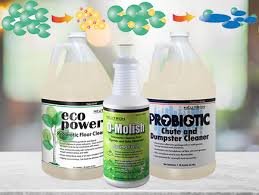

In today’s world, where cleanliness is paramount and sustainability is no longer optional, enzymatic cleaners have emerged as a revolutionary solution that bridges nature and science. These cleaners are not just another eco-friendly alternative—they’re part of a bio-based cleaning revolution that’s transforming how we sanitize our homes, care for our pets, maintain medical-grade hygiene, and protect the environment.
Whether you’re dealing with pet messes, organic stains, smelly drains, or hospital-grade sanitation, enzymatic cleaners offer targeted, efficient, and residue-free action. And unlike harsh chemicals that may mask or overpower odors and stains, enzymatic formulas literally digest the mess at a molecular level, making them not just effective but also safer for humans, pets, and the planet.
This guide dives deep into the science, application, and benefits of enzymatic cleaners—so you can understand exactly why they work and how to choose the right one for your specific cleaning needs.
🧬 What Are Enzymatic Cleaners?
Enzymatic cleaners are cleaning solutions that use naturally occurring biological enzymes to break down organic materials such as proteins, fats, oils, carbohydrates, and starches. These cleaners typically contain a combination of:
- Enzymes (such as proteases, lipases, and amylases)
- Non-pathogenic bacteria (optional in bio-enzymatic cleaners)
- Stabilizers, surfactants, and fragrance agents (for shelf life and scent)
Unlike traditional chemical cleaners that rely on corrosive agents like bleach, ammonia, or synthetic solvents, enzymatic cleaners target only organic waste—making them ideal for cleaning bodily fluids, pet urine, food stains, mildew, and even clogged drains.
They are commonly used in:
- Pet households (for urine, feces, vomit, dander)
- Laundry (for protein-based or greasy stains)
- Healthcare (biohazard cleanup)
- Food service industry (grease traps, food residue)
- Eco-conscious homes and green cleaning routines
These products don’t just clean—they biologically degrade the root cause of stains and smells, leaving no residue behind and often continuing to work long after application.
🔬 How Enzymes Work in Cleaning: The Biochemical Breakdown
To appreciate enzymatic cleaners, it’s essential to understand the science behind how enzymes work.
Enzymes are biological catalysts—specialized proteins that speed up chemical reactions without being consumed themselves. In cleaning applications, they catalyze the breakdown of organic molecules into smaller, water-soluble substances that can be wiped, rinsed, or flushed away.
Here’s how the enzymatic action typically works:
| Enzyme Type | Targets | Breaks Down Into |
|---|---|---|
| Protease | Proteins (e.g., blood, feces, vomit) | Amino acids |
| Lipase | Fats and oils | Glycerol and fatty acids |
| Amylase | Starches and carbohydrates | Simple sugars like glucose |
| Cellulase | Plant fibers, paper stains | Glucose, cellobiose |
| Urease | Urea (urine) | Ammonia and carbon dioxide |
Example: A dog urinates on a carpet. An enzymatic cleaner containing urease and protease is applied. The enzymes break the urea and proteins into harmless byproducts like ammonia, carbon dioxide, and amino acids—neutralizing the odor and dissolving the stain at its source.
This targeted degradation means enzymatic cleaners can work without harsh scrubbing, residue buildup, or toxic fumes. They keep working as long as organic material is present and the environment (temperature, pH, moisture) supports enzyme activity.
⚗️ Enzymatic Cleaners vs. Chemical Cleaners: What’s the Difference?
When choosing between enzymatic and chemical cleaners, the key differences come down to mode of action, safety, environmental impact, and surface compatibility.

Here’s a side-by-side comparison:
| Aspect | Enzymatic Cleaners | Chemical Cleaners |
|---|---|---|
| Mechanism | Breaks down organic matter biologically | Uses harsh chemicals to dissolve or mask stains |
| Targeted Cleaning | Selectively digests proteins, fats, etc. | Often non-selective and abrasive |
| Surface Safety | Gentle on most surfaces (tiles, fabric, wood) | Can damage surfaces like marble, fabric, coatings |
| Odor Elimination | Destroys odor-causing compounds at the source | Often masks odor temporarily with fragrances |
| Toxicity | Non-toxic, biodegradable, often hypoallergenic | May be toxic to pets, children, and aquatic life |
| Environmental Impact | Eco-friendly, septic-safe | Potentially harmful; contributes to chemical runoff |
| Cost | Slightly higher upfront, long-term efficient | Usually cheaper upfront but may need reapplication |
| Residual Action | Keeps working as long as food source is present | Stops acting once dried or rinsed |
Verdict:
If you’re cleaning up after pets, managing organic spills, or want a safer, greener alternative for your home or business, enzymatic cleaners are the superior choice. However, chemical cleaners still have a role in disinfection and mineral-scale removal (e.g., bleach for mold, acid for hard water stains)—they’re just less sustainable and more hazardous when used improperly.
✅ Pro Tip: For best results, don’t combine enzymatic cleaners with chemical disinfectants or hot water, as these can deactivate the enzymes. Always follow the label instructions regarding dwell time and storage temperature.
🐾 Why This Guide Matters (Especially for Pet Owners)
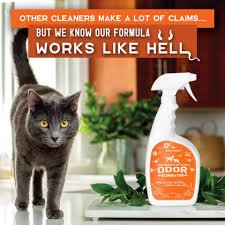

Let’s be honest: cleaning up after pets isn’t glamorous. Whether it’s puppy accidents on the rug, mysterious cat barf behind the couch, or that persistent “dog smell” in the car—it’s not just unpleasant, it’s stressful.
Here’s the truth most cleaning companies won’t tell you:
🧼 Most conventional cleaners don’t eliminate the source of the mess—they just cover it up with artificial scents or bleach it into submission.
That’s where enzymatic cleaners come in. They don’t mask the mess—they biologically destroy it. This guide exists to help you:
- Stop chasing recurring pet odors
- Understand why traditional cleaning fails (and can make things worse!)
- Choose the right enzymatic formula for your household or facility
- Save money, time, and frustration with smarter, safer cleaning
Whether you live with one dog or run a multi-pet household, this guide will show you how enzymes can be your cleaning superpower.
🚀 The Rise of Enzyme-Based Cleaning in Homes, Hospitals & Pet Care
Over the last decade, there’s been a massive shift toward enzyme-based cleaning—and it’s not just a trend. It’s a response to rising concerns about:
- 🧪 Chemical exposure in children and pets
- 🌍 Environmental damage from toxic runoff
- 🤢 Persistent odors and stains that “won’t go away”
- ⚕️ Superbugs and antibiotic resistance in hospitals
Here’s how enzyme cleaners are showing up everywhere:
🔹 In Homes: For carpet stains, laundry, drains, tile grout, and litter boxes
🔹 In Pet Care: At veterinary clinics, grooming parlors, shelters, and homes
🔹 In Hospitals: To break down organic waste pre-disinfection
🔹 In Hospitality: Used by hotels and restaurants for odor and grease control
🔹 In Daycares/Schools: Safer cleaning where kids crawl and breathe
💡 Fun Fact: Enzymatic products were first used in the 1960s to clean surgical instruments. Today, they’ve evolved into gentle powerhouses for everyday messes.
🎯 Who Should Use Enzymatic Cleaners?
If you fall into any of the categories below, you need an enzymatic cleaner in your cleaning kit:


✅ Pet Owners
- You deal with urine stains, vomit, or litter box odors
- You’re house-training a puppy or caring for a senior pet
- You’ve noticed your pet peeing in the same spot over and over
✅ Parents & Caregivers
- You want chemical-free cleaning for baby gear, high chairs, toys, and play mats
- You’re dealing with spit-up, food stains, and mystery smells daily
✅ Eco-Conscious Consumers
- You’re reducing chemical use in your home
- You want septic-safe, biodegradable cleaning options
✅ Healthcare or Pet Professionals
- You need medical-grade sanitation that still preserves indoor air quality
- You want products that clean deeply without creating resistant bacteria
✅ Busy Homeowners or Renters
- You want a multi-surface cleaner that works without scrubbing
- You’re tired of spending money on multiple products that don’t really work
In short: If you deal with organic messes, enzymatic cleaners are not a luxury—they’re a necessity.
⚡ Quick Comparison Snapshot: Enzymatic vs. Chemical Cleaners
For our fast readers and busy multitaskers, here’s your 30-second cheat sheet:
| Feature | Enzymatic Cleaners | Traditional Chemical Cleaners |
|---|---|---|
| Action | Digests organic matter (stains, odors) | Disinfects, deodorizes, or masks stains |
| Odor Control | Eliminates at source (enzymes break it down) | Often masks odor with fragrance |
| Surface Safety | Safe for carpets, wood, fabric, pet zones | May bleach, corrode, or damage delicate surfaces |
| Toxicity | Non-toxic, often food-safe and pet-safe | Can be harsh, corrosive, or leave residue |
| Eco-Friendliness | Biodegradable, septic-safe | Often harmful to aquatic life and groundwater |
| Ongoing Action | Keeps working while food source is present | Stops once dried or rinsed |
| Best For | Pet stains, food messes, laundry, drains, biohazards | Germ killing, mold removal, hard water or mineral stains |
🧪 Best Practice: Use enzymatic cleaners first to tackle organic matter, then follow with a disinfectant if needed for sanitization.
🌿 How Enzymatic Cleaners Differ from Organic or “Green” Cleaners
It’s easy to assume that enzymatic, organic, and green cleaners all fall under the same umbrella—but they don’t. In fact, the differences are critical, especially if you’re choosing a product for pet messes, medical cleanup, or odor elimination.
Let’s break it down:
🧪 What Are Enzymatic Cleaners?
- Contain biologically active enzymes (like protease, lipase, amylase)
- Often include beneficial bacteria in bio-enzymatic formulas
- Target organic waste like urine, feces, vomit, food, blood, grease
- Digest the mess at the molecular level
- Work best when left to dwell on the stain for enzymatic action
🧼 Bottom Line: They’re living cleaners with biological precision, designed to break down messes, not just rinse them away.
🌱 What Are Organic or Green Cleaners?
- Usually made from plant-based surfactants (like coconut, corn, or citrus oils)
- Often labeled as non-toxic, biodegradable, eco-friendly
- May be certified organic but don’t contain enzymes
- Work by loosening or lifting dirt and grease
- Often scented naturally (essential oils) and safe for sensitive environments
🧼 Bottom Line: They’re gentle, planet-friendly alternatives to harsh chemicals—but they don’t digest organic waste, so they may not fully remove bio-based odors or stains.
🆚 Enzymatic vs. Green: Head-to-Head Comparison
| Feature | Enzymatic Cleaners | Organic / Green Cleaners |
|---|---|---|
| Cleaning Power | Biologically breaks down proteins, fats, carbs | Lifts and suspends dirt and grease |
| Odor Control | Destroys odor-causing compounds at molecular level | May neutralize odors temporarily or mask with scent |
| Pet Mess Effectiveness | ✅ Ideal for urine, feces, vomit, dander | ❌ May not fully remove residues or pheromones |
| Composition | Enzymes + sometimes bacteria + stabilizers | Plant oils, surfactants, essential oils |
| Certifications (sometimes) | Not always “organic,” but often lab-tested for efficacy | May have USDA Organic, Green Seal, or EcoCert |
| Environmental Safety | Biodegradable, septic-safe, low toxicity | Eco-safe, biodegradable, often vegan and cruelty-free |
| Ideal Use | Biohazards, pet stains, drains, laundry, medical waste | General home cleaning, countertops, dishes, glass, etc. |
🐾 Why It Matters for Pet Owners
If your dog pees on the carpet or your cat vomits behind the sofa, spraying a citrus-based “green cleaner” might remove the surface stain or smell—for a while. But animals have powerful noses. If the proteins and ammonia compounds aren’t fully broken down, your pet might return to the same spot again.
That’s why only enzymatic cleaners can permanently eliminate pet-related messes. They:
- Break down uric acid crystals and protein chains
- Remove pheromone markers that cause repeat accidents
- Continue working for hours—even after drying
- Are safe for paws, noses, and fur
✅ So, Which One Should You Use?
| Scenario | Best Choice |
|---|---|
| Puppy peed on the rug? | Enzymatic cleaner |
| Food spills on kitchen counter? | Organic/green cleaner |
| Vomit on upholstery or mattress? | Enzymatic cleaner |
| Dusty windows and eco-cleaning routine? | Organic/green cleaner |
| Cleaning litter box area or pet crate? | Enzymatic cleaner |
💡 Pro Tip: Use both!
- Use an enzymatic cleaner for deep cleaning and odor elimination
- Use a green cleaner for daily maintenance and surface shine
🔬 3. How Enzymes Work in Cleaning
🧠 The Science of Enzyme Action: The Lock-and-Key Model
To understand the magic behind enzymatic cleaners, we need to explore one of biology’s most elegant systems: the lock-and-key model.
Here’s how it works:
- Enzymes are specialized proteins.
- They have a unique 3D shape, like a key.
- The “lock” is the molecule they break down—called the substrate (like protein in vomit or fat in food).
- When the key (enzyme) fits the lock (substrate), a reaction occurs instantly, breaking the substance down into simpler, water-soluble components.
Each enzyme is highly specific—meaning one enzyme can’t break down all types of dirt. For example:
- Protease = protein stains (blood, feces, food, vomit)
- Lipase = oily or greasy messes (butter, meat, skin oils)
- Amylase = starch-based stains (rice, bread, sauces)
- Urease = urine and urea breakdown (especially in pet stains)
🧪 Imagine: Enzymes are like little Pac-Men, gobbling up specific types of dirt molecule by molecule—quickly and cleanly.
🧹 Breaking Down Organic Matter: Protein, Fat, Starch, and Uric Acid
Organic messes aren’t just “stains”—they’re made of complex biological compounds that normal soap or chemicals often struggle to remove completely.
Let’s look at how enzymatic cleaners work on the most common offenders:
| Type of Mess | Target Enzyme | What It Breaks Down | Real-World Example |
|---|---|---|---|
| Protein stains | Protease | Blood, feces, vomit → amino acids | Dog vomits on carpet |
| Fat/oil/grease stains | Lipase | Oils and fats → fatty acids + glycerol | Greasy paw prints on furniture |
| Carbohydrate/starch | Amylase | Bread, sauces → simple sugars | Food spill in kitchen |
| Urine/urea | Urease | Urea → ammonia + carbon dioxide | Cat pees on the couch |
| Plant fibers/cellulose | Cellulase | Paper, fiber → glucose | Stained paper in the trash bin |
💡 Fun Fact: These reactions occur in seconds to minutes, but enzymes can keep working for hours if the mess isn’t fully gone and environmental conditions are right (like room temp and moisture).
♻️ Biodegradability and Eco-Friendliness Explained
One of the most powerful benefits of enzyme-based cleaners is their planet-first profile:
- ✔️ Naturally occurring: Enzymes are found in everything from human saliva to soil microbes.
- ✔️ Biodegradable: Once they complete their job, enzymes decompose into harmless byproducts—like amino acids or sugars.
- ✔️ Septic-safe and greywater-safe: Enzymatic cleaners won’t harm your plumbing, your lawn, or local water ecosystems.
- ✔️ No synthetic toxins: Unlike chemical disinfectants, they leave no corrosive residues or VOCs behind.
🌍 In short: Enzymatic cleaners clean like nature intended—using precision rather than power, biology over brute force.
🧼 Why Enzymes Outperform Soap for Certain Tasks
Traditional soaps and detergents work by loosening dirt and suspending it in water so it can be rinsed away. But here’s the catch:
- They can’t break molecular bonds in organic waste.
- They leave residues that attract dirt or trap odors.
- They don’t eliminate bio-markers like uric acid or protein trails.
Enzymes, on the other hand:
- 🧬 Break stains down on a molecular level
- 🔄 Keep working until every bit of waste is gone
- 🧘♀️ Require no harsh scrubbing
- 🐕🦺 Eliminate pheromones so pets don’t “return to the scene”
📌 Real Example:
Let’s say your dog pees on the rug.
- A chemical cleaner removes the visible stain and masks the smell.
- But enzymes? They dissolve the uric acid crystals that caused the odor. Result? Your dog won’t smell the spot again, and your carpet stays fresh—no masking, no staining, no repeat accidents.
🔥 Conclusion: Enzymes Aren’t Just Cleaners—They’re Smart Cleaners
They don’t just lift stains. They dismantle messes at their root, safely, silently, and sustainably. That’s what makes enzyme-based cleaning the future of hygiene in pet care, healthcare, and eco-friendly homes.
🧴 4. Enzymatic Cleaners vs. Traditional Chemical Cleaners
(A Deep Dive into What Truly Works—and What Might Be Harming You)
In the world of cleaning, the battle between enzymatic cleaners and traditional chemical solutions is heating up. With more consumers concerned about health, pets, air quality, and sustainability, it’s time to examine why enzymatic cleaners are not just an alternative—but a superior choice in many scenarios.
This section explores the key differences between enzymatic cleaners and chemical cleaners from all angles: performance, safety, environmental impact, and cost.
🧪 Key Differences in Composition & Cleaning Mechanism
| Aspect | Enzymatic Cleaners | Chemical Cleaners |
|---|---|---|
| Core Ingredients | Enzymes (protease, lipase, amylase, etc.), water, stabilizers, optional beneficial bacteria | Acids, alkalis, bleach, ammonia, synthetic surfactants, solvents |
| Mechanism | Biologically digests organic stains using enzyme-substrate reactions | Chemically breaks bonds, oxidizes or masks stains and odors |
| Targeting Precision | Highly specific: each enzyme attacks one type of substance | Broad-spectrum and sometimes destructive to materials or health |
| Residual Action | Keeps working as long as organic material exists | Stops working once rinsed or evaporated |
🔬 Conclusion: Enzymatic cleaners use science to disassemble the problem. Chemical cleaners try to blast it away. The result? One is smarter, the other is harsher.
👶 Safety Comparison: Kids, Pets & Allergy Sufferers
Here’s why enzymatic cleaners win big when safety is on the line:
- Non-toxic: Most enzymatic cleaners are free from bleach, ammonia, and volatile organic compounds (VOCs).
- Hypoallergenic: Perfect for people with respiratory issues or skin sensitivity.
- Pet-safe: No paw burns, no harmful fumes, no post-cleaning lockdowns.
- Kid-safe: You don’t have to worry if toddlers crawl across a freshly cleaned surface.
Chemical cleaners, on the other hand, often contain substances that can cause:
- Headaches, dizziness, asthma flare-ups
- Skin and eye irritation
- Hormonal disruption or poisoning if ingested
✅ Enzymatic cleaners are trusted by veterinarians, used in pediatric environments, and ideal for households where safety is non-negotiable.
🌍 Environmental Impact: Biodegradable vs. Toxic Residue
If you’re eco-conscious, this point alone may convince you:
- Enzymatic cleaners are 100% biodegradable. Once their job is done, they break down into water and simple organic compounds.
- Most enzymatic cleaners are safe for septic systems, greywater reuse, and won’t pollute rivers or harm aquatic life.
- Chemical cleaners, however, can release toxic byproducts into water systems—especially chlorine bleach, phosphates, and synthetic surfactants.
Even disposal matters. Rinsing traditional products into your sink may damage local ecosystems. Enzymatic cleaners, by contrast, work with nature—not against it.
🎯 Which Is More Effective for Specific Stains?
| Stain Type | Best Solution | Why |
|---|---|---|
| Pet urine, feces, vomit | ✅ Enzymatic cleaners | Breaks down uric acid and proteins at the source |
| Blood, dairy, bodily fluids | ✅ Enzymatic cleaners | Protease enzymes digest protein-based stains |
| Oil, butter, food grease | ✅ Enzymatic cleaners | Lipase enzymes break down fats efficiently |
| Mold or mildew | ⚠️ Chemical cleaner | Requires antifungal or antimicrobial properties |
| Hard water scale, rust | ⚠️ Chemical cleaner | Requires acidic descalers |
🏆 For organic messes, enzymatic cleaners outperform chemical cleaners every single time—without the damage or odor-masking trickery.
💸 Cost Comparison Over Time
At first glance, enzymatic cleaners may seem more expensive than traditional options. But over time, the story changes:
| Cost Factor | Enzymatic Cleaners | Chemical Cleaners |
|---|---|---|
| Initial Price per Bottle | Slightly higher ($8–$20) | Lower ($3–$10) |
| Frequency of Use | Less frequent due to ongoing enzymatic action | Frequent—stains and odors often reappear |
| Repeat Accidents (Pets) | Prevented by eliminating scent markers | Recurring due to masking rather than removal |
| Surface Damage Over Time | Safe, prolongs carpet/fabric life | Can bleach, degrade or erode materials |
| Medical/Safety Costs | Safe for long-term health | Potential cost from toxic exposure, skin or pet irritation |
💡 In the long run, enzymatic cleaners offer better value because they:
- Clean deeper
- Prevent repeat messes
- Reduce re-purchasing
- Protect your health and surfaces
🏁 Final Word: Why Enzymatic Cleaners Deserve a Permanent Spot in Your Cleaning Arsenal
Here’s what makes enzymatic cleaners the clear winner:
- 🔬 Precision-based cleaning that destroys the root of the mess
- 🧼 Safer for people, pets, and sensitive environments
- ♻️ Better for the planet (and your plumbing)
- 💸 More cost-effective over time with fewer reapplications
Whether you’re cleaning after your dog, handling laundry stains, maintaining a daycare, or detoxing your home from synthetic chemicals, enzymatic cleaners are the future of responsible cleaning.
And the best part? There’s an enzymatic cleaner for almost every job—pet stains, drains, laundry, upholstery, and even medical sanitation.
✨ Upgrade your clean. Go enzymatic. Let biology do the dirty work.
🧪 5. Types of Enzymatic Cleaners
(From Pet Messes to Industrial Waste—There’s an Enzyme for That)
Not all messes are created equal—and neither are enzymatic cleaners. Whether you’re battling pet stains, clogged drains, or greasy kitchen buildup, using the right enzyme formula is crucial for getting top results.
This section explores the major types of enzymatic cleaners, how they work, and where they shine.
🔄 Multi-Enzyme vs. Single-Enzyme Formulas
✅ Single-Enzyme Cleaners
These contain one specific type of enzyme—like protease, lipase, or amylase—and are designed for targeted cleaning tasks.
- Best For: Specific stains like blood (protease) or grease (lipase)
- Pros: Highly effective for a single job
- Cons: Limited range of cleaning power
🔁 Multi-Enzyme Cleaners
These use a blend of enzymes to tackle a broader range of organic messes simultaneously. For example, a cleaner might contain:
- Protease (for protein)
- Lipase (for fats and oils)
- Amylase (for starches)
- Urease (for urea in urine)
- Best For: Multi-mess zones like homes with pets or kitchens
- Pros: Versatile, powerful, great for general cleaning
- Cons: Slightly more expensive
💡 Pro Tip: Choose multi-enzyme enzymatic cleaners for household or pet use, and single-enzyme options for specialty problems like drain buildup or specific laundry stains.
🧼 Surface-Specific Enzymatic Cleaners
Not every surface plays nice with soap or scrubbing. That’s where surface-specific enzymatic cleaners come in. They’re pH-balanced, residue-free, and tailored to material type.
| Surface Type | Best Enzymatic Cleaner Use | Benefits |
|---|---|---|
| Carpet & Rugs | Removes pet accidents, food spills, blood | Deep-penetrating, non-bleaching, prevents repeat soiling |
| Hardwood | Pet stains, foot traffic grime | Non-corrosive, pH-neutral, won’t warp wood |
| Tile & Grout | Grease, mold, bathroom grime | Penetrates porous grout lines without etching |
| Fabric/Upholstery | Wine, vomit, sweat, pet mess | Safe on delicate fibers, eliminates odor at the source |
🎯 Why Enzymatic Cleaners?
They work below the surface, especially in porous materials where stains seep deep and odors linger.
🐶 Pet Stain & Odor Enzymatic Cleaners (Urine, Feces, Vomit)
This is the #1 reason most people discover enzymatic cleaners—and it’s where they truly shine.
How They Work:
- Urease breaks down uric acid crystals in urine
- Protease targets proteins in feces and vomit
- Amylase handles starches from digested food
- Beneficial bacteria in some formulas continue cleaning after application
🧴 Common Forms:
- Spray bottles (quick treatment)
- Foam (upholstery or vertical surfaces)
- Gallon-size refills for multi-pet households
🐾 Essential For:
- Potty-training puppies
- Senior pets with accidents
- Multi-cat litter box areas
- Carpet, couches, car interiors
📌 Key Tip: Enzymatic cleaners must be left to dwell. Blot up excess, apply liberally, and let the enzymes do their work.
👕 Enzymatic Laundry Pre-Treatments
Laundry enzymes have been around longer than most people realize—and they’re still one of the most effective ways to remove organic stains.
What They Handle:
- Sweat, blood, grass, baby spit-up, food oils
- Armpit stains and underarm odor
- Set-in protein or starch stains
Formats:
- Spray pre-treaters
- Enzyme additive powders or boosters
- Built-in enzyme detergent formulas
👚 For Eco-Conscious Laundry: Choose plant-based enzymatic cleaners over chemical-laden bleach or optical brighteners.
🚿 Drain and Septic System Enzymatic Cleaners
Tired of using corrosive drain openers? Enzymatic cleaners offer a gentler—but equally powerful—alternative.
How They Work:
- Lipase dissolves grease buildup
- Amylase eats through food residue
- Protease handles organic sludge and biofilm
- Often includes living bacteria to maintain septic health
🛑 No more pouring lye or acid down your pipes!
🛁 Best For:
- Clogged or slow drains
- Monthly septic maintenance
- Grease traps and garbage disposals
♻️ Safe for all plumbing, pipes, and water systems.
🍳 Kitchen Degreasers (Enzymatic-Based)
In commercial kitchens and home cookspaces alike, grease is the enemy. Traditional degreasers often rely on solvents—but enzymatic cleaners do it better, and safer.
Key Features:
- Dissolve food-based fats and oils
- Safe for food prep surfaces (NSF-certified options available)
- No heavy fumes or residue
Used in:
- Restaurant kitchens
- Grease trap maintenance
- Ovens, stovetops, fryers
- Vent hood filters
🍽️ Enzymatic kitchen cleaners can dramatically reduce fire risk from grease buildup and prevent food contamination.
🏥 Specialty Enzyme Products: Medical, Industrial, and Automotive
🏥 Medical-Grade Enzymatic Cleaners
Used for pre-cleaning surgical instruments, hospital surfaces, and biohazard containment.
- High-potency multi-enzyme blends
- Breaks down blood, mucus, tissue, fat
- Designed for use before sterilization
🏭 Industrial Enzyme Cleaners
Used in large-scale settings like food processing plants, factories, and wastewater treatment.
- Breaks down protein films, fats, food residue on machinery
- Safer than corrosive industrial solvents
🚗 Automotive Enzymatic Products
- Used for interior detailing (vomit, food spills, mildew)
- Degreasing engine components and mechanical parts without corrosion
🔚 Summary: Choose the Right Enzymatic Cleaner for the Job
| Use Case | Enzymatic Cleaner Type |
|---|---|
| Pet accidents | Pet stain & odor removers (multi-enzyme) |
| Laundry stains | Pre-treat enzyme sprays or boosters |
| Carpet/upholstery | Fabric-safe enzymatic sprays or foams |
| Drain & septic | Bio-enzymatic drain cleaners |
| Kitchen grease | Lipase-heavy kitchen degreasers |
| Medical sanitation | Multi-enzyme surgical instrument pre-cleaners |
| Auto detailing | Interior-safe odor eliminators with protease |
🎯 Final Tip: Always read labels. Some enzymatic cleaners are surface-specific, while others are all-purpose. Choose what suits the mess—and let enzymes do the heavy lifting.
🌟 6. Benefits of Using Enzymatic Cleaners
(Why These Smart Cleaners Are a Game-Changer for Your Home, Health, and Pets)
Enzymatic cleaners are no longer just a niche product for pet parents or hospitals—they’re becoming a cleaning essential in homes around the world. And for good reason. With science-backed power and nature-inspired safety, enzymatic cleaners deliver benefits that go far beyond what traditional cleaning products can offer.
Let’s break down why switching to enzymatic cleaners might be the smartest decision you make for your home.
🧼 1. Deep-Cleaning Power Without Harsh Chemicals
Most traditional cleaners rely on acids, bleach, or synthetic solvents to blast through grime. While effective, they come with a downside—corrosion, fumes, surface damage, and toxic exposure.
Enzymatic cleaners take a different approach. They use natural enzymes to biologically break down stains at the molecular level, including:
- Fats and grease
- Proteins (like blood, vomit, feces)
- Starches and sugary residues
- Uric acid (from pet urine)
💥 The result? You get industrial-grade cleaning power—but without harming surfaces, skin, or air quality.
👃 2. Odor Elimination at the Source (Not Just Masking)
Let’s be honest—most cleaners just cover up smells. They add fragrance and hope you don’t notice the lingering stink after a few hours.
Enzymatic cleaners don’t mask—they destroy.
They target the actual molecules causing the odor (like ammonia in urine or sulfur in vomit) and digest them completely. No residue = no repeat smells = no re-marking by pets.
🐾 Perfect for:
- Pet urine and litter box smells
- Vomit and food waste
- Bathroom, laundry, and gym odors
- Smoke and musty fabric smells
🚫 3. Long-Term Stain Prevention
The most powerful benefit of enzymatic cleaners? They keep working long after you spray them.
- Enzymes remain active as long as there’s organic matter to digest
- They penetrate porous surfaces (like carpets and grout) where stains hide
- They break down invisible scent markers pets return to
That means fewer repeat accidents, fewer “mystery stains,” and longer-lasting cleanliness.
🧪 With traditional cleaners, stains often reappear. With enzymatic cleaners, they’re permanently dismantled.
🔁 4. Safe for Frequent Use (Even Daily)
Because they’re made with biologically derived ingredients, enzymatic cleaners are:
- Non-toxic
- Non-corrosive
- Non-abrasive
- Free from VOCs and artificial dyes
That makes them perfect for daily, high-contact cleaning in homes with:
- Children and babies
- Senior citizens
- Pets (including sensitive breeds)
- Immunocompromised individuals
You can clean litter areas, couches, bedding, or even food prep surfaces without worrying about chemical buildup or health side effects.
♻️ 5. Eco-Friendly Disposal & Planet-Friendly Formulas
Unlike bleach or ammonia-based cleaners that release toxic runoff into water systems, enzymatic cleaners are biodegradable. Once they finish their job, they break down into harmless byproducts like amino acids, sugars, and water.
🌿 That means:
- Septic- and greywater-safe
- No harm to soil or aquatic life
- No VOCs (Volatile Organic Compounds) released into indoor air
- Often sold in recyclable or refillable packaging
🧴 Eco-conscious brands often use plant-based surfactants and zero animal testing, too.
🤧 6. Suitable for Allergy-Prone Households
If you or your loved ones suffer from:
- Asthma
- Eczema
- Chemical sensitivity
- Seasonal allergies
Then traditional cleaners may be making things worse.
Enzymatic cleaners are a breath of fresh air—literally. They’re:
- Fragrance-free or lightly scented with essential oils
- Hypoallergenic and non-irritating
- Free from bleach, ammonia, formaldehyde, and sulfates
Even better, by removing organic residues (dust mites, pet dander, mold spores), they reduce allergen triggers rather than introduce new ones.
🛋️ 7. Gentle on Fabrics, Furniture, and Skin
One of the reasons homeowners (and professional cleaners) love enzymatic cleaners? They’re gentle enough to use anywhere:
- Carpets and area rugs
- Wood floors and cabinetry
- Upholstery and soft furniture
- Car interiors, mattresses, baby gear
- Pet bedding and crates
- Even sensitive skin!
Whereas many chemical cleaners can:
- Bleach or discolor fabric
- Leave sticky residues
- Dry or burn skin
- Strip finishes from wood
…enzymatic cleaners quietly get the job done without damage, discoloration, or harsh feel.
✅ Recap: Why Enzymatic Cleaners Win
| Benefit | Enzymatic Cleaners | Traditional Chemical Cleaners |
|---|---|---|
| Deep-cleaning without damage | ✅ Yes | ⚠️ Risk of surface damage |
| Odor removal at molecular level | ✅ Yes | ❌ Often masked temporarily |
| Safe for daily use | ✅ Skin- and pet-safe | ⚠️ Harsh for frequent exposure |
| Allergy-friendly | ✅ Hypoallergenic | ❌ Can trigger respiratory issues |
| Biodegradable and eco-safe | ✅ 100% biodegradable | ❌ May pollute soil and water |
| Gentle on delicate surfaces | ✅ Fabric, wood, skin-safe | ❌ Risk of bleaching or corrosion |
| Cost-effective over time | ✅ Long-lasting enzymatic action | ❌ Frequent reapplication needed |
✨ Final Thought:
If you’re looking for real cleanliness, not just surface shine… if you’re tired of masking smells, scrubbing endlessly, or worrying about safety labels—then it’s time to switch.
Enzymatic cleaners aren’t just an option anymore. They’re the upgrade.
🏆 Top 10 Recommended Enzymatic Cleaners (By Use Case)
Here’s a curated list of the best-performing, most trusted enzymatic cleaners in 2025—based on customer reviews, expert recommendations, and product safety standards.
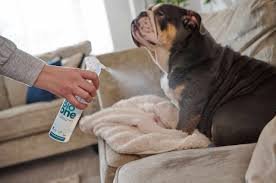

| # | Brand/Product Name | Best For | Type of Enzymes | Highlights |
|---|---|---|---|---|
| 1️⃣ | Rocco & Roxie Professional Strength | Pet urine, feces, vomit | Multi-enzyme (uric acid, proteins, starches) | Vet-approved, Amazon bestseller, carpet-safe, eliminates re-marking |
| 2️⃣ | Bubba’s Super Strength Cleaner | Deep carpet and upholstery cleaning | Multi-enzyme + bio-enzymatic | Made for pet stains, enzyme-activated bacteria, oxygen booster for set stains |
| 3️⃣ | Nature’s Miracle Advanced Stain & Odor | Cat urine, litter box smells | Protease + urease | Trusted pet brand, available worldwide, light citrus scent |
| 4️⃣ | Biokleen Bac-Out Stain & Odor Remover | Baby stains, laundry, fabric | Plant-based enzymes + lime extract | Eco-friendly, no artificial fragrance, great for cloth diapers and linens |
| 5️⃣ | Simple Solution Extreme Enzymatic Cleaner | Multi-pet households | Triple enzyme formula | Designed for tough messes, patented 3-in-1 nozzle spray |
| 6️⃣ | Zymex Drain & Grease Trap Treatment | Drains, pipes, septic tanks | Lipase, amylase, protease | Industrial-strength, septic-safe, breaks down sludge and biofilm |
| 7️⃣ | Puracy Natural Laundry Stain Remover | Laundry stains (blood, sweat, food) | Protease, amylase | Plant-based, dermatologist-tested, great for baby & sensitive skin |
| 8️⃣ | Seventh Generation Enzymatic Dishwasher Packs | Dishwasher cleaning, food residue | Protease, amylase | Eco-cert, no chlorine, safe for families |
| 9️⃣ | Angry Orange Enzyme Cleaner for Pets | Dog crates, hard floors, kennels | Protease, uric acid enzymes | Strong odor neutralizer, deodorizes on contact, citrus scent |
| 🔟 | Medline Dual Enzyme Instrument Cleaner | Medical surfaces, instruments | Protease + amylase | Used in hospitals, great for bodily fluid removal, disinfecting pre-cleaner |
📊 Enzymatic Cleaner Comparison Table (At a Glance)
| Feature | Rocco & Roxie | Nature’s Miracle | Biokleen Bac-Out | Zymex Drain | Puracy Laundry |
|---|---|---|---|---|---|
| Application | Pet stains | Pet stains | Laundry, fabric | Drain & septic | Laundry clothing |
| Type of Enzymes | Multi-enzyme | Protease + Urease | Multi + natural surfactants | Lipase, amylase, protease | Protease, amylase |
| Scent | Mild floral | Citrus fresh | Lime & lavender | Fragrance-free | Fragrance-free |
| Pet-Safe | ✅ Yes | ✅ Yes | ✅ Yes | ✅ Yes | ✅ Yes |
| Eco-Friendly | ⚠️ Moderate | ⚠️ Moderate | ✅ Biodegradable | ✅ Septic-safe | ✅ Vegan, cruelty-free |
| Stain Removal Power | ⭐⭐⭐⭐⭐ | ⭐⭐⭐⭐ | ⭐⭐⭐⭐ | ⭐⭐⭐⭐ | ⭐⭐⭐⭐ |
| Price Range (USD) | $18–25 | $12–20 | $10–16 | $20–30 | $10–15 |
| Best For | Tough pet odors | Cat urine | Baby/multi-purpose | Grease traps | Everyday laundry |
🛒 Where to Buy These Enzymatic Cleaners
All listed products are available globally and can be found at:
- Amazon (global delivery, best variety)
- Chewy (pet-specific products like Rocco & Roxie, Nature’s Miracle)
- Walmart / Target (Biokleen, Simple Solution, Angry Orange)
- iHerb / Thrive Market (eco-brands like Puracy, Seventh Generation)
- Medical Supply Stores (Medline products)
✅ How to Choose the Right Enzymatic Cleaner
| Need | Top Choice |
|---|---|
| Puppy training, carpet accidents | Rocco & Roxie or Bubba’s Cleaner |
| Cat litter box odor | Nature’s Miracle or Angry Orange |
| Laundry and baby stains | Biokleen Bac-Out or Puracy Stain Remover |
| Drain buildup, septic care | Zymex or Green Gobbler Enzyme Cleaner |
| Multi-pet mess management | Simple Solution Extreme Cleaner |
| Medical/biohazard mess | Medline Dual Enzyme |
Here are direct links to the top enzymatic cleaners mentioned earlier, organized in an easy-to-read table:
| Product | Best For | Link |
|---|---|---|
| Rocco & Roxie Professional Strength Stain & Odor Eliminator | Pet urine, feces, vomit | Visit product (roccoandroxie.com) |
| Nature’s Miracle Advanced Stain & Odor Remover | Cat urine & litter box odors | Visit product |
| Biokleen Bac‑Out Stain & Odor Remover | Laundry, fabric, baby stains | Visit product |
| Puracy Natural Laundry Stain Remover Starter Set | Everyday laundry stains | Visit product |
| T1B Drain O Zyme Enzyme Drain Cleaner | Drain and grease buildup | Visit product |
| Zymex Enzyme Cleaner & Odor Eradicator | Drains, grease traps, institutional use | Visit product |
| Drain Defense Enzymatic Drain Cleaner (Zep) | Preventative drain maintenance | Visit product |
🔍 Quick Tips:
- Rocco & Roxie is CRI-approved, highly rated, and perfect for tough pet stains (roccoandroxie.com).
- Nature’s Miracle and Biokleen Bac-Out are widely available on Amazon and iBhejo.
- T1B Drain O Zyme offers an affordable drain-cleaning solution on Amazon.in.
- Zymex and Zep Drain Defense are ideal for proactive plumbing and septic care.
🧩 7. Use Cases & Real-Life Applications of Enzymatic Cleaners
(How Everyday Problems Meet Enzyme-Based Solutions)
Enzymatic cleaners aren’t just for pet parents or eco-warriors—they’re used every day in real homes, hospitals, and commercial spaces. From couch cushions to operating rooms, the power of enzyme-based cleaning is helping people live cleaner, healthier, and more odor-free lives.
Let’s explore how enzymatic cleaners shine across a wide range of real-life scenarios:
🐾 Pet Messes: Urine, Feces, Vomit, Drool
Every pet owner knows the struggle: accidents happen. Whether it’s a new puppy or a senior cat, enzymatic cleaners are the gold standard for:
- Dog or cat urine on carpets, hardwood, or tile
- Fecal stains that sink into fabric fibers
- Vomit on rugs, bedding, or upholstery
- Drool buildup on pet beds or sofa arms
🔍 Why enzymatic cleaners work:
- Break down uric acid crystals (which traditional cleaners can’t touch)
- Eliminate pheromone markers so pets don’t return to the same spot
- Safe to use around paws, noses, and food bowls
🛑 Without enzymes, stains reappear and odors linger. With enzymes? Problem erased at the molecular level.
🏠 Home Care: Kitchen Spills, Bathroom Mildew, Mattress Cleaning
Enzymatic cleaners aren’t just for pet problems—they’re also amazing for general home maintenance:

🍳 Kitchen:
- Food grease on stovetops
- Spilled sauces, coffee, or wine on counters
- Odors in garbage disposals
🛁 Bathroom:
- Soap scum and mildew in grout
- Organic buildup on sinks or shower drains
- Smelly towels and bathmats
🛏️ Mattress Cleaning:
- Sweat stains
- Spilled drinks
- Nighttime accidents (child or pet-related)
💡 Pro Tip: Use foam-style enzymatic sprays for vertical surfaces and deep fabrics like mattresses and headboards.
🧺 Laundry: Enzymatic Boosters and Odor Elimination
Laundry enzymes are a quiet revolution in fabric care. You don’t need harsh bleach or hot water when enzymes can:
- Dissolve sweat, body oils, and food stains
- Remove set-in blood or baby formula
- Neutralize underarm odor and protein-rich residue
Use them as:
- Pre-treat sprays on collars, cuffs, or baby onesies
- Additive enzyme boosters alongside your regular detergent
- Built-in enzyme detergents for every load
🧦 Result: Clothes last longer, whites stay brighter, and fabrics remain soft—all without irritating sensitive skin.
🚽 Drain Unclogging: Bioenzymatic Drain Openers
If your drain cleaner has a skull-and-crossbones symbol on it, it’s time to upgrade.
Enzymatic drain cleaners use powerful bacteria + enzymes (lipase, protease, amylase) to break down grease, soap scum, and sludge naturally.
✅ Ideal for:
- Kitchen sinks
- Shower drains
- Bathroom floor traps
- Septic tanks and grease traps
No fumes. No pipe corrosion. No environmental risk.
🧼 Medical/Hospital Use: Blood and Protein Stain Removal
In healthcare settings, enzymatic cleaners are a standard pre-cleaning step for:
- Surgical instruments
- Dental tools
- Medical trays
- Biohazard spills (vomit, urine, blood)
🧪 These cleaners are formulated with multi-enzyme systems to remove organic debris before sterilization. They are:
- NSF and EPA compliant
- Often fragrance-free
- Used in operating rooms, labs, and ambulances
💉 Real-world example: Medline’s Dual Enzyme Cleaner is widely used in hospitals to prepare equipment for autoclaving.
🛏️ Mattress, Crib & Upholstery: Baby Spit-Up, Milk, Blood
Whether it’s a baby accident or a surprise nosebleed, enzymatic cleaners are gentle enough to use on:
- Memory foam mattresses
- Fabric sofas and recliners
- Crib mattresses and baby play mats
- Nursing pillows, car seats, and strollers
👶 Baby messes are mostly protein, starch, or milk-based, so using a multi-enzyme formula ensures complete breakdown of:
- Sour milk odors
- Formula stains
- Blood from umbilical stump or minor injuries
🚫 Skip the bleach—enzymes clean thoroughly without irritating baby skin or leaving residue.
🏫 Daycare and Eldercare Cleaning
High-contact environments like daycares and nursing homes require constant cleaning—but also maximum safety.
Common applications:
- Crib accidents and baby messes
- Spilled food on playroom rugs
- Vomit or incontinence accidents in adult care
- Furniture, dining tables, bedding, and wheelchairs
🎯 Enzymatic cleaners are:
- Non-toxic for children and elders
- Non-irritating for sensitive immune systems
- Effective without harsh fumes or antibacterial overkill
💡 Facilities often choose enzyme-based products to meet sanitation standards without exposing residents to harmful chemicals.
✅ Summary: There’s an Enzymatic Cleaner for Every Mess
| Scenario | Recommended Enzymatic Cleaner Type |
|---|---|
| Dog pee on carpet | Pet urine multi-enzyme formula (Rocco & Roxie) |
| Sour milk in baby crib | Fabric-safe enzymatic spray (Biokleen, Puracy) |
| Underarm stains on shirts | Laundry pre-treater with protease + amylase |
| Drain slow and smelly | Bioenzymatic drain treatment (Zymex, Green Gobbler) |
| Bathroom mold and grime | Enzyme foam for tile and grout |
| Bloody medical equipment | Hospital-grade dual enzyme pre-cleaner |
| Food spill in restaurant booth | Upholstery-safe enzyme degreaser |
🧠 8. How to Choose the Right Enzymatic Cleaner
(Smart Shopping Tips for Pet Owners, Eco-Cleaners & Allergy-Sensitive Homes)
Not all enzymatic cleaners are created equal. Some are tailored for pet messes, others for heavy-duty laundry or hospital use. If you want the best results and maximum safety, it’s crucial to choose an enzymatic cleaner that’s right for your needs, surfaces, and lifestyle.
This guide will walk you through exactly what to look for—and what to avoid—when shopping for your next enzymatic cleaner.
🔬 Ingredients to Look for (And What to Avoid)
A good enzymatic cleaner contains active enzymes, a stable pH base (usually water), and non-toxic stabilizers or surfactants. Here’s what to prioritize:
✅ Look for:
- Protease (breaks down proteins like blood, vomit, food stains)
- Amylase (breaks down starches like sauces, baby food, plant waste)
- Lipase (breaks down fats and oils from kitchen or body secretions)
- Cellulase (removes fiber and plant-based grime like grass or mud)
- Urease (essential for breaking down uric acid in pet urine)
Also look for:
- Plant-based surfactants
- Bio-enzymatic blends (enzymes + live bacteria)
- pH-neutral formulation (safe on most surfaces)
❌ Avoid:
- Ammonia, chlorine bleach, formaldehyde, or SLS
- Synthetic fragrances (can trigger allergies or irritate pets)
- Bright dyes or optical whiteners (especially for baby/pet use)
💡 Pro Tip: A truly effective enzymatic cleaner will list at least 2–3 enzyme types on the label. If it doesn’t specify, skip it.
🏷️ Reading the Label: Deciphering Active Enzymes
Understanding the label is key to picking the right enzymatic cleaners. Here’s how to decode it:
| Label Term | What It Means | Why It Matters |
|---|---|---|
| “Active Enzymes” | Indicates real enzyme content | Vital for organic stain removal |
| “Bio-enzymatic formula” | Enzymes + beneficial bacteria | Keeps working after cleaning, ideal for drains & pet urine |
| “Proteolytic action” | Contains protease | Essential for blood, vomit, sweat |
| “Amylase-based” | Targets starch stains | Great for kitchen, baby food mess |
| “Urease enzyme” | Breaks down uric acid | Must-have for cat & dog urine odor |
🚫 If it just says “enzyme-powered” with no specifics, it may be weak or diluted.
🔗 Matching Enzyme Types to Stain Sources
To get the most out of your enzymatic cleaners, match the enzyme to the mess.
| Mess Type | Best Enzyme in Cleaner | Best Product Use |
|---|---|---|
| Urine, ammonia odors | Urease | Pet stain & odor enzyme cleaner |
| Blood, vomit, sweat | Protease | Laundry, mattress, medical surfaces |
| Food (gravy, baby food) | Amylase | Kitchen spray, laundry booster |
| Oils, grease, body fat | Lipase | Drain cleaner, laundry, upholstery |
| Grass, fibers, mud | Cellulase | Carpet cleaner, sportswear laundry |
🎯 Pro Tip: A multi-enzyme cleaner is ideal for mixed stains or unpredictable messes—like in pet households or daycares.
🐶 Best Enzymatic Cleaners for Pet Households vs. General Cleaning
🐾 Pet-Focused Enzymatic Cleaners
- Formulated with urease + protease
- Often includes bacteria that continue working after application
- Specifically designed to neutralize pheromones and re-marking odors
- Safe for use on pet beds, crates, litter boxes, carpets
Top Brands:
- Rocco & Roxie
- Nature’s Miracle
- Angry Orange (for tough odor)
🧼 General-Purpose Enzymatic Cleaners
- Include a broader range of enzymes (great for multi-surface use)
- Safe for kitchen counters, bathrooms, fabrics, and drains
- Ideal for eco-conscious households and allergy-sensitive cleaning
Top Brands:
- Biokleen Bac-Out
- Puracy
- Seventh Generation
📜 Certifications to Consider (Green Seal, EPA Safer Choice, etc.)
Want peace of mind that your enzymatic cleaners are truly safe and sustainable? Look for these third-party certifications:
| Certification | What It Ensures |
|---|---|
| ✅ EPA Safer Choice | Non-toxic, biodegradable, no known carcinogens |
| ✅ Green Seal Certified | Meets rigorous health and environmental safety standards |
| ✅ Leaping Bunny | Cruelty-free (no animal testing) |
| ✅ USDA BioPreferred | Contains verified renewable biological ingredients |
| ✅ WSAVA-Endorsed | Safe for pet use (World Small Animal Veterinary Association) |
📦 Most certified enzymatic cleaners also use recyclable packaging and avoid synthetic dyes/fragrances.
🌸 Fragrance-Free vs. Scented Enzymatic Cleaners
Fragrance is often a personal preference—but for sensitive homes, it’s important to choose wisely.
🌿 Fragrance-Free Enzymatic Cleaners
- Best for allergy-prone users, babies, pets
- Ideal for bedding, mattresses, food surfaces
- No risk of skin irritation or respiratory triggers
🍊 Scented Enzymatic Cleaners
- Lightly scented with essential oils (citrus, lavender, eucalyptus)
- Help neutralize lingering odors (e.g., cat pee, mildew)
- Avoid cleaners with synthetic fragrances or “parfum”
✅ Most top-rated enzymatic cleaners (like Biokleen, Rocco & Roxie) offer both scented and unscented versions—so you can choose based on where you’ll use them.
✅ Summary: Choosing the Right Enzymatic Cleaners Made Easy
| Decision Factor | What to Look For |
|---|---|
| Enzymes listed on label | Protease, amylase, lipase, urease, cellulase |
| Surface-specific use | Carpet, laundry, kitchen, pet areas, drains |
| Safety certification | EPA Safer Choice, Green Seal, Leaping Bunny |
| Fragrance sensitivity | Choose unscented for allergies or baby-safe cleaning |
| Pet household | Pet-specific formula with pheromone eliminators |
| Mixed messes | Multi-enzyme formula for protein, fat, starch, and urea removal |
🧽 9. How to Use Enzymatic Cleaners Effectively
(Get Maximum Results with Minimal Effort—The Right Way to Clean with Enzymes)
You’ve picked the perfect enzymatic cleaner, but using it properly is just as important as choosing the right product. Enzymatic cleaners work differently from traditional sprays or detergents—they need a little more time and care, but the results are well worth it.
Here’s a complete, field-tested guide on how to get the best performance out of your enzymatic cleaners, avoid common mistakes, and ensure long-lasting results.
🧹 1. Pre-Cleaning Steps: Remove Solids First
Before you apply enzymatic cleaners, it’s crucial to remove any visible debris. Enzymes are most effective when they can go directly to work on organic residues—not on chunks of food, hair, or waste.
What to do:
- Use a paper towel, scoop, or cloth to blot or lift solid material
- Avoid rubbing it into the surface
- Blot urine or vomit with a dry towel—don’t use chemicals before the enzyme cleaner
💡 This ensures your enzymatic cleaners can fully access and digest the microscopic residue underneath.
⏳ 2. Dwell Time Explained: Why Patience = Results
Enzymatic cleaners don’t work instantly. They’re biological agents, not chemical bombs. To fully break down stains and odors, the enzymes need enough time to act.
Key Rule:
Let the enzymatic cleaner sit for 10–30 minutes (or more for old stains). For deep carpet or mattress stains, let it dwell for a few hours—even overnight.
✅ Most enzymatic cleaners are designed to stay active until the stain is gone or the surface dries.
🛑 Don’t wipe too early. Cutting the dwell time short means the enzymes stop working before the job is done.
❌ 3. Mistakes to Avoid When Using Enzymatic Cleaners
Even the best enzymatic cleaners can fail if misused. Avoid these common errors:
| Mistake | Why It’s a Problem |
|---|---|
| Using bleach or harsh cleaners first | Bleach or disinfectants kill enzymes, making them ineffective |
| Applying heat (hot water or steam) | High temperatures denature enzymes, stopping their activity |
| Over-saturating with water afterward | Dilutes the enzymatic cleaner and washes it away prematurely |
| Not reading instructions | Different enzymatic cleaners have different dwell time needs |
📌 Always let enzymatic cleaners work undisturbed and avoid “panic scrubbing.” Let the enzymes do the job for you.
🧴 4. Storage Tips for Long-Term Enzyme Potency
Enzymes are living proteins—so proper storage of enzymatic cleaners ensures they stay active and effective for months or years.
How to store enzymatic cleaners correctly:
- Keep them in a cool, dry place, away from direct sunlight
- Don’t store above 35°C (95°F)—heat will break down enzymes
- Always close the cap tightly after each use
- Don’t store near bleach, ammonia, or acidic fumes
- Check the expiration date—many enzymatic cleaners last up to 2 years
📦 Store large containers in a cabinet or utility closet. If you’re using refillable bottles, label them with date and type of enzymatic cleaner used.
🧪 5. Surface Testing: Colorfastness and Material Compatibility
Before applying enzymatic cleaners on sensitive surfaces like suede, leather, silk, or untreated wood, always do a spot test:
How to perform a safe spot test:
- Apply a small amount of enzymatic cleaner on a hidden corner
- Let it sit for 5–10 minutes
- Blot with a clean cloth
- Check for discoloration or damage
✅ Most enzymatic cleaners are safe on:
- Carpet, rugs, tile, laminate
- Upholstery, mattresses, clothes
- Baby gear, pet beds, car interiors
⚠️ Be cautious with wool, silk, vintage fabrics, or dyed leather—use specialized enzyme formulas or dilute with water.
✅ Quick Summary: How to Use Enzymatic Cleaners Like a Pro
| Step | Do This |
|---|---|
| Pre-clean solids | Blot or scoop, don’t rub or use chemicals first |
| Apply generously | Soak the entire stained or odorous area |
| Let it dwell | Minimum 15–30 minutes; longer for older or deeper stains |
| Avoid heat & chemicals | No hot water, bleach, ammonia, or harsh cleaners before or after |
| Store correctly | Cool, dry place; tightly sealed bottle |
| Test on surfaces | Spot test sensitive materials before full application |
Enzymatic cleaners are powerful allies—but only when used properly. With a little patience and the right technique, you’ll unlock the full biological cleaning power hidden inside these bottles.
💡 Whether you’re removing pet accidents, baby spit-up, or bathroom mildew—enzymatic cleaners will outperform chemical cleaners in both safety and stain elimination when applied correctly.
🏆 10. Top-Rated Enzymatic Cleaners (2025 Guide)
(Editor’s Picks, Comparisons, Vet Recommendations & Eco-Certified Favorites)
Not all enzymatic cleaners are created equal. The best ones combine powerful enzyme blends, safe ingredients, certifications, and real-world results—whether you’re cleaning up after pets, doing laundry, or deep-cleaning your home.
This 2025 expert guide features our top-rated enzymatic cleaners across categories, including vet-recommended picks and green-certified options you can trust.
🧼 Editor’s Picks by Category
| Category | Top Enzymatic Cleaner (2025) | Why It Wins |
|---|---|---|
| 🐾 Pet Stains & Odors | Rocco & Roxie Professional Strength | Powerful multi-enzyme, vet-approved, removes re-marking scent |
| 🧺 Laundry Stains | Puracy Natural Laundry Stain Remover | Plant-based enzymes, fragrance-free, great for baby & sensitive skin |
| 🧽 All-Purpose Household | Biokleen Bac-Out Enzyme Cleaner | Works on fabric, bathrooms, kitchen; eco-friendly and biodegradable |
| 🚽 Drain/Grease Buildup | Zymex Drain Enzyme Treatment | Industrial-strength, septic-safe, ongoing bio-enzymatic digestion |
| 🧑⚕️ Medical Use | Medline Dual Enzyme Instrument Cleaner | Protease + amylase; used in hospitals, pre-sterilization, biohazard cleanup |
| 🛏️ Mattress/Upholstery | Angry Orange Enzyme Cleaner (Fabric Safe) | Great for urine, milk, spit-up; citrus-scented; gentle on soft furnishings |
| 🏡 Green-certified Home Use | Seventh Generation Dishwasher Enzyme Packs | EPA Safer Choice, no harsh chemicals, powerful cleaning action |
📊 Comparison Table: Pros, Cons, Enzyme Type & Price Range
| Product | Enzymes | Pros | Cons | Price Range (USD) |
|---|---|---|---|---|
| Rocco & Roxie Stain & Odor Eliminator | Protease, Amylase, Urease | Extremely effective on pet messes; no re-marking | Slightly pricey for large areas | $18–25 |
| Puracy Laundry Stain Remover | Protease, Amylase | Hypoallergenic; safe for infants; eco-certified | May need longer dwell time for deep-set stains | $10–15 |
| Biokleen Bac-Out | Multi-enzyme, citrus extract | Multi-surface; natural fragrance; biodegradable | Not for use in enclosed drain systems | $11–16 |
| Zymex Drain Enzymatic Cleaner | Lipase, Protease, Amylase | Keeps drains clear, grease-free, and odorless | May require weekly use for best results | $20–30 |
| Angry Orange Enzyme Cleaner | Protease, Urease | Safe for fabric; strong deodorizing scent | Citrus scent may be too strong for fragrance-sensitive | $12–18 |
| Medline Dual Enzyme | Protease, Amylase | Hospital-trusted; removes blood, body fluids | Medical-grade—may be overkill for home use | $25–40 |
| Seventh Generation Enzymatic Dishwasher | Protease, Amylase | EPA Safer Choice; no phosphates or chlorine | For dishwashers only | $8–14 (per pack) |
🐶 Vet-Recommended Enzymatic Cleaners (For Dogs & Cats)
| Recommended By Vets | Key Features | Best For |
|---|---|---|
| Rocco & Roxie Professional | Certified safe for pets, removes deep urine odor | All dog and cat accidents |
| Nature’s Miracle Advanced | Urease + oxygen booster, specifically targets cat pee | Litter box areas, multi-cat households |
| Simple Solution Extreme | Triple enzyme action, gentle formula | Puppies, aging pets, sensitive paws |
| Skout’s Honor Stain & Odor | Plant-powered enzymes + probiotic cleaner, cruelty-free | Pet beds, kennels, toys |
🩺 Many of these are WSAVA-aware (World Small Animal Veterinary Association) and tested for use in homes with:
- Puppies & kittens
- Older or incontinent pets
- Pets with allergies or respiratory sensitivities
🌍 Amazon Bestsellers & Green-Certified Picks
| Top Seller on Amazon | Why It’s Popular |
|---|---|
| 🥇 Rocco & Roxie | 50K+ reviews, 4.6+ stars, Carpet & Rug Institute certified |
| 🥈 Nature’s Miracle | Easily available, budget-friendly, effective for cat urine |
| 🥉 Angry Orange | Fast deodorizing, well-loved for pet accidents |
| ✅ Biokleen Bac-Out (Green Certified) | Green Seal Certified, biodegradable, plant-based formula |
| ✅ Seventh Generation (EPA Safer Choice) | Chlorine-free, non-toxic, safe for food surfaces & babies |
🔖 These products not only rank high on Amazon, but are often top choices in eco-conscious or allergy-safe households.
🧪 Bonus: Best Multi-Enzyme Formulas (All-in-One Use)
If you’re dealing with multiple types of organic stains (food, blood, grease, urine), go for a multi-enzyme enzymatic cleaner:
- Bubba’s Super Strength Cleaner – Great for carpets and upholstery
- Stain & Odor Eliminator by TriNova – Budget-friendly, fragrance-free
- Shout Pets Oxy Enzymatic Spray – Enzyme + oxygen for stubborn smells
These are ideal for busy households where every room has a different kind of mess—from the baby room to the pet zone to the kitchen.
✅ Takeaway
The best enzymatic cleaners are powerful, safe, and suited to your specific needs. Whether you’re targeting pet messes, protein stains, or drain buildup, choosing the right enzyme blend—and using it correctly—can revolutionize your cleaning routine.
🧪 11. DIY Enzymatic Cleaner Recipes (Caution-Advised)
(Natural, Homemade Enzymatic Cleaners—With Safety Tips & Use Guidelines)
With the rise of sustainable living and natural home care, many eco-conscious users are experimenting with DIY enzymatic cleaners made from everyday ingredients like fruit peels and sugar. These homemade solutions can work well for certain light cleaning tasks—but caution is advised, especially when comparing them to commercial-grade enzymatic cleaners.
Let’s break down exactly how to make enzymatic cleaners at home, when they’re useful, and when they’re not a safe substitute.
🍍 How to Make a Basic DIY Enzyme Cleaner
(Fruit Peel Fermentation Method)
Homemade enzymatic cleaners are made by fermenting sugars and fruit peels with water. Over time, this produces a blend of natural enzymes that break down simple organic matter.
🔬 DIY Enzyme Cleaner Formula (Base Recipe):
- 1 part brown sugar
- 3 parts fruit peels (lemon, pineapple, orange, etc.)
- 10 parts water
- Optional: a small amount of yeast to speed fermentation
🥣 Instructions:
- Mix sugar and water in a large plastic bottle or container.
- Add chopped fruit peels (avoid metal or glass containers).
- Close the lid loosely to allow gases to escape.
- Store in a dark, warm place for 2–3 months, shaking weekly.
- Strain and transfer the liquid to spray bottles.
💡 Result: A mildly acidic solution with natural enzymes capable of light degreasing, deodorizing, and general surface cleaning.
🍍 Step-by-Step: DIY Pineapple Enzyme Cleaner Recipe
Pineapple is one of the most effective fruits for homemade enzymatic cleaners because it naturally contains bromelain, a powerful protease enzyme that breaks down protein-based stains.
🧼 DIY Pineapple Enzymatic Cleaner:
- 1 cup pineapple peels (chopped small)
- 3 tablespoons brown sugar
- 3 cups lukewarm water
Process:
- Combine all ingredients in a clean plastic bottle.
- Seal loosely and store in a dark spot (25–30°C).
- Stir or shake gently once every 2 days.
- After 2 weeks, strain into a spray bottle for use.
- Store in the refrigerator to slow microbial growth.
🧪 Enzymatic cleaners made from pineapple peels are great for:
- Kitchen counters
- Trash bins
- Bathroom sinks
- Light mildew removal
⚠️ Do not use on pet urine or feces, as this homemade version lacks urease enzymes.
🧴 Tips for Storing and Using Homemade Enzymatic Cleaners
Even the best DIY enzymatic cleaners can degrade quickly if not stored properly.
| ✅ Do | ❌ Don’t |
|---|---|
| Store in a cool, dark place | Expose to direct sunlight or heat |
| Use a labeled spray bottle | Reuse old cleaner containers with residue |
| Shake before use | Use on delicate fabrics or leather |
| Test on hidden surfaces first | Apply to pet stains or medical spills |
💡 Unlike store-bought enzymatic cleaners, DIY versions lack preservatives and controlled enzyme ratios, so they may go bad faster or be less predictable.
⚖️ Pros and Cons of DIY Enzymatic Cleaners vs. Commercial Products
| Aspect | DIY Enzymatic Cleaners | Commercial Enzymatic Cleaners |
|---|---|---|
| 💰 Cost | Very low (uses kitchen waste) | Moderate; varies by brand and size |
| 🧪 Enzyme Control | Unpredictable strength | Scientifically formulated with specific enzymes |
| 🧴 Shelf Life | Short (1–3 months max) | Long-lasting (12–24 months shelf-stable) |
| 🧼 Cleaning Power | Light (surface spills, light odors) | Strong (urine, protein, grease, mold, blood) |
| 🐾 Pet Safety | Not safe for pet messes | Vet-recommended, pH-balanced for pet accidents |
| 🏥 Sanitization | Not effective for sanitization | Some are EPA-registered and safe for hospitals |
| 🌿 Eco Score | 100% natural and biodegradable | Most are eco-friendly, but some use stabilizers |
✅ Verdict: DIY enzymatic cleaners are great for general green cleaning, but they are not a substitute for professional enzymatic cleaners when it comes to pet stains, sanitization, or medical-grade cleaning.
🚫 When NOT to Use DIY Enzymatic Cleaners
While DIY solutions can be fun and frugal, there are specific situations where only commercial enzymatic cleaners are suitable:
❌ Don’t use DIY versions for:
- Cat or dog urine (they lack urease enzymes)
- Medical messes like blood, vomit, or biohazards
- Mattress or carpet cleaning (may stain or damage fabric)
- Drain or septic system maintenance
- Pet households with allergies or immune sensitivity
🛡️ In these cases, use professional enzymatic cleaners with proven multi-enzyme formulations, vet approvals, and pH-safe technology.
✅ Summary: When to DIY vs. Buy
| Use Case | DIY Enzymatic Cleaners | Commercial Enzymatic Cleaners |
|---|---|---|
| Kitchen counter spray | ✅ Yes | ✅ Yes |
| Bathroom sink odors | ✅ Yes | ✅ Yes |
| Pet accidents on carpet | ❌ No | ✅ Rocco & Roxie, Nature’s Miracle |
| Baby spit-up on fabric | ❌ Risky | ✅ Puracy, Biokleen |
| Mold/mildew on grout | ⚠️ Partial | ✅ Specialized enzyme cleaners |
| Laundry pre-treat | ⚠️ Light | ✅ Puracy, Seventh Generation |
🧠 Final Word
DIY enzymatic cleaners can reduce waste, cut costs, and give you control over what goes into your home. But they’re not a one-size-fits-all solution. For pet stains, medical messes, or stubborn odors, nothing beats the science and safety of professionally formulated enzymatic cleaners.
❓ 12. Frequently Asked Questions (FAQs) About Enzymatic Cleaners
(Everything You Want to Know—Answered Simply and Scientifically)
Still curious about how enzymatic cleaners work, what they’re safe for, and when to use them? Here are the most commonly asked questions from pet owners, eco-conscious consumers, and cleaning pros alike—answered with clarity.
🧫 1. Can Enzymatic Cleaners Kill Germs or Bacteria?
No, enzymatic cleaners do not kill germs.
They digest organic matter, like proteins, starches, and fats, which can remove the food source for bacteria—but they are not disinfectants.
However, some commercial enzymatic cleaners are paired with antimicrobial agents to provide both enzymatic action and germ control. Always check the label: unless it states “EPA-registered disinfectant,” it doesn’t sanitize.
✅ Use enzymatic cleaners before disinfecting, especially on pet accidents, blood, or food spills.
🐾 2. Are Enzymatic Cleaners Safe for Pets and Kids?
Yes—most enzymatic cleaners are extremely safe for households with babies, toddlers, and pets. They are:
- Non-toxic
- Biodegradable
- Free from harsh chemicals like bleach or ammonia
- Gentle on paws, skin, and sensitive respiratory systems
To be sure, choose enzymatic cleaners with:
- EPA Safer Choice or Green Seal certification
- Fragrance-free or naturally scented formulas
- Vet-recommended labels for pet households
🚫 Always allow the surface to dry before letting pets or kids come in contact, just as a precaution.
⏳ 3. Why Do Enzymatic Cleaners Need Time to Work?
Because enzymatic cleaners use a biological process, not instant chemical reactions.
Think of it like digestion: enzymes “eat away” at the stain molecule by molecule. This process needs time to break down:
- Uric acid in urine
- Proteins in blood or vomit
- Fats in grease or body oils
- Starches in sauces or food
⏱️ Most enzymatic cleaners work best when left for 15–30 minutes, and longer for older stains or porous surfaces like carpets and mattresses.
For deep-set stains, you can even cover the area with plastic wrap to keep it moist and extend enzyme activity.
🧴 4. Can I Mix Enzymatic Cleaners With Other Cleaning Products?
No—never mix enzymatic cleaners with bleach, vinegar, ammonia, or disinfectants.
Why?
- These chemicals kill the enzymes instantly
- They can neutralize the pH, stopping the enzyme reaction
- Mixing products can cause toxic fumes (especially bleach + ammonia)
🚫 Even “natural” cleaners like vinegar or baking soda can disrupt how enzymatic cleaners work. For best results, use them on clean, chemical-free surfaces and let them finish working undisturbed.
🧃 5. Do Enzymatic Cleaners Expire?
Yes, enzymatic cleaners do expire, usually within 12 to 24 months depending on the brand and storage.
Because enzymes are biological proteins, they lose activity over time, especially if:
- Exposed to heat or sunlight
- Stored in improperly sealed containers
- Mixed with water (in DIY or diluted versions)
🧊 Store enzymatic cleaners in a cool, dry place, and avoid freezing. If the product smells sour, separates, or no longer works, it’s time to replace it.
🌿 6. Do Enzymatic Cleaners Remove Mold or Mildew?
Enzymatic cleaners do not kill mold or mildew spores, but they can remove organic buildup (like soap scum or mildew staining) that supports fungal growth.
They’re great for:
- Removing grime from bathroom grout
- Cleaning mildew from fabric, tiles, or damp areas
- Prepping surfaces before using a mold-specific disinfectant
However, for active mold infestations, use a mold-killing product (EPA-registered fungicide) after you’ve cleaned the area with enzymatic cleaners.
✅ Use enzymatic cleaners as a preventative on moisture-prone surfaces, not as a cure for mold.
✅ Wrap-Up: Enzymatic Cleaners = Safe, Smart, Science-Backed Cleaning
Enzymatic cleaners are one of the most intelligent, natural ways to clean messes that traditional products can’t touch—especially those involving organic material. They’re safe, effective, and eco-conscious, but they must be used correctly to deliver results.
🔍 13. Myths & Misconceptions About Enzymatic Cleaners
(Separating Science from Marketing — What You Really Need to Know)
Despite their growing popularity, enzymatic cleaners are still widely misunderstood. Whether you’re a pet parent, an eco-conscious cleaner, or just exploring safer home solutions, you’ve probably come across conflicting claims. Let’s clear the air by debunking some of the most common myths—using facts, not fluff.
🧼 Myth 1: “Enzymatic Cleaners Don’t Work Unless They Foam”
❌ False. Foaming has nothing to do with enzyme activity.
Many people assume that unless a product foams, it isn’t “working.” This myth comes from traditional chemical cleaners that use surfactants to create bubbles.
🔬 Reality:
Enzymatic cleaners work at a microscopic level, breaking down organic material—whether or not there’s visible foam. Most high-quality enzymatic cleaners are low-foaming by design, especially for surfaces like carpets, upholstery, or laundry.
✅ Enzymatic action = biological digestion, not bubbly theatrics.
🧽 Myth 2: “They’re Too Gentle for Deep Cleaning”
❌ Misleading. Enzymatic cleaners are powerful—just not harsh.
Some users think enzymatic cleaners are “natural” and therefore weak. But enzymatic action can outperform harsh chemical detergents, especially for organic stains like:
- Blood
- Vomit
- Sweat
- Urine
- Grease
- Food
🔬 Enzymes like protease, amylase, and lipase break down messes at the molecular level, getting deep into fabrics and porous surfaces—something bleach and soap often can’t do.
🛡️ Enzymatic cleaners are gentle on you, not on grime.
🌿 Myth 3: “Any Organic Cleaner is an Enzymatic Cleaner”
❌ Not true. “Natural” and “enzymatic” are not interchangeable.
There’s a lot of greenwashing in the cleaning world. Many products labeled as “organic,” “eco-friendly,” or “plant-based” don’t contain enzymes at all.
🔬 True enzymatic cleaners are made with active enzymes that target specific stain types. Just being made from plants doesn’t mean it’s enzymatic.
✅ Check the label: Look for specific enzymes like protease, urease, amylase, or lipase.
🐶 Myth 4: “Enzymatic Cleaners Only Work on Pet Urine”
❌ Extremely limited view. They’re versatile across the home.
Yes, enzymatic cleaners are amazing for pet urine, especially those with urease enzymes that break down uric acid. But that’s just the beginning.
High-quality enzymatic cleaners are used for:
- Baby stains (milk, formula, spit-up)
- Human accidents (blood, vomit)
- Food spills (sauces, oils, wine)
- Body odors (sweat, grime)
- Laundry odors (sports gear, towels)
- Bathroom mildew and drains
🚽 Even hospitals use enzymatic cleaners for biohazard cleanup. Their use goes far beyond pets.
🧪 Myth 5: “Enzymes Are Chemicals—So They’re Not Safe”
❌ Misleading. Enzymes are biological, not toxic synthetic chemicals.
Yes—enzymes are technically chemicals (everything, including water, is). But enzymatic cleaners use biological catalysts, not toxic industrial compounds like bleach, ammonia, or formaldehyde.
🔬 These proteins are:
- Biodegradable
- Naturally occurring
- Safe for skin and lungs when formulated properly
✅ In fact, enzymatic cleaners are among the safest cleaning agents, especially in homes with kids, pets, or allergies. They’re often Green Seal or EPA Safer Choice certified.
✅ Summary: The Truth About Enzymatic Cleaners
| ❌ Myth | ✅ Reality |
|---|---|
| Only work if they foam | Enzymes work silently—foam doesn’t matter |
| Too gentle for real messes | Enzymes go deeper than harsh chemicals without damaging surfaces |
| “Natural” = enzymatic | Not true—only products with active enzymes are enzymatic |
| Only useful for pet urine | Powerful for food, blood, sweat, mildew, and more |
| Enzymes are dangerous chemicals | They’re safe, natural proteins—non-toxic and biodegradable |
Absolutely! Here’s a forward-looking, expert-style section for your blog’s final chapter, with strong SEO utility and enriched with the “enzymatic cleaners” keyword:
🔮 14. The Future of Enzyme-Based Cleaning
(Where Enzymatic Cleaners Are Headed—and Why It Matters for Every Home)
The era of harsh chemicals is fading fast. As science and sustainability converge, enzymatic cleaners are rapidly becoming the gold standard in both consumer and commercial cleaning. With advancements in biotechnology, enzyme-based solutions are no longer just alternatives—they’re evolving into the mainstream choice for safe, efficient, and eco-conscious cleaning.
Let’s explore what’s on the horizon for enzymatic cleaners, and why you’re likely to see them powering the next generation of smart, sustainable living.
🔬 Innovations in Enzyme Technology
The last decade has seen dramatic advances in enzyme engineering, allowing scientists to design more targeted, stable, and efficient enzymes for specific cleaning tasks.
- Heat-stable enzymes: Can function in hot water, ideal for dishwashers and industrial laundries
- Multi-action enzyme blends: Combine protease, lipase, urease, and cellulase to tackle complex stains in a single step
- Encapsulation technology: Protects enzymes during storage and releases them only upon application
- pH-adaptive formulas: New enzymatic cleaners work across a wider range of surfaces and conditions
These innovations make enzymatic cleaners faster, longer-lasting, and more versatile—without sacrificing safety or biodegradability.
🌱 Growing Use in Sustainable, Non-Toxic Home Care
As consumers become more ingredient-aware, there’s a rising demand for cleaning products that are safe for families, pets, and the planet. Enzymatic cleaners now dominate the shelves in:
- Pet care aisles
- Baby-safe cleaning lines
- Green-certified laundry and kitchen products
- Septic-safe bathroom and drain cleaners
📈 Market reports predict a 30%+ growth in enzymatic cleaner adoption by 2030, driven by:
- Zero-waste packaging innovation
- DIY enzyme formulas (controlled kits)
- Partnerships with eco-conscious brands like Grove, Blueland, and Seventh Generation
✅ The result? A powerful cleaning option that supports human health, indoor air quality, and environmental stewardship.
🤖 Integration Into Smart Cleaning Devices
The rise of smart homes is reshaping how we clean—and enzymatic cleaners are entering that conversation.
In development or already in beta:
- Smart dispensers that auto-dose enzymatic cleaners in mopping robots and washing machines
- App-controlled home sanitation systems that use enzyme cartridges based on surface type and schedule
- AI-driven enzyme mixing systems for industrial cleaning with real-time mess detection
These innovations allow enzymatic cleaners to work in sync with technology—automating complex cleaning without synthetic chemicals.
Imagine a smart mop that dispenses enzymes for sticky kitchen messes, then automatically switches to lipase-based formulas for greasy tiles. That’s the future of cleaning.
🧪 Enzyme Biotechnology in Industrial and Agricultural Settings
Beyond the home, enzymatic cleaning technology is already transforming:
| Sector | Use of Enzyme-Based Cleaners |
|---|---|
| 🏭 Industrial | Oil removal, protein buildup, machinery degreasing without solvents |
| 🚜 Agriculture | Equipment sanitation, livestock area cleaning, organic compost activation |
| 🧬 Biomedical | Pre-sterilization of surgical tools, lab equipment, and biohazard cleanup |
| 🏥 Healthcare | Cleaning of patient areas, wound care surfaces, and odor control |
| 🧵 Textiles | Enzyme-based softening and stain removal in fabric processing |
These commercial-grade enzymatic cleaners are reducing the industry’s reliance on corrosive, polluting agents—while boosting safety and efficiency.
🌟 Final Thought: Enzymatic Cleaners Are Just Getting Started
What began as a niche eco-product is now a biotechnology revolution. Enzymatic cleaners are rapidly proving that you don’t need harmful chemicals to achieve a truly deep, long-lasting clean. Their future lies not only in safer homes, but in smarter cleaning tech, sustainable supply chains, and biological harmony with the environment.
✅ Whether you’re a pet parent, a parent, or just passionate about sustainability—embracing enzyme-based cleaning is a powerful step toward a safer, greener future.

✅ 15. Conclusion: Why Enzymatic Cleaners Are the Future of Clean
(Science-Backed, Safe, Sustainable—and Ready for Every Home)
In a world where cleanliness, health, and sustainability are no longer optional, enzymatic cleaners stand out as a breakthrough solution that checks all the boxes. They’re not just a trendy green product or a niche pet-owner hack—they represent a paradigm shift in how we think about hygiene, home care, and environmental responsibility.
Let’s bring it all together.
🧪 Enzymatic Cleaners Work—Scientifically and Practically
Unlike conventional chemical cleaners that use brute force to mask or strip stains, enzymatic cleaners work at the molecular level. Enzymes don’t just lift stains—they digest and neutralize the organic matter that causes them. This means:
- Deeper cleaning of urine, vomit, blood, food, and grease
- True odor elimination at the source—not cover-ups
- Long-term freshness, without residue or toxic buildup
They do all this while remaining gentle on skin, lungs, fabrics, and surfaces.
🛡️ A Safer Home for Families, Pets, and the Planet
The safety benefits of enzymatic cleaners can’t be overstated. They’re:
- Non-toxic and biodegradable
- Free of ammonia, chlorine, and VOCs
- Pet-friendly, baby-safe, and asthma-conscious
- Ideal for sensitive households
By switching to enzymatic cleaners, you reduce indoor air pollution, limit allergen triggers, and protect waterways from harsh chemical runoff.
They allow us to clean smarter, not harsher.
🧴 When to Switch (And What to Ditch)
Still holding on to bleach sprays, scented chemical mists, or “instant” cleaners? Now’s the time to start transitioning.
Here’s a simple switch list:
| Replace This | With This Enzymatic Cleaner |
|---|---|
| Pet urine spray with ammonia | ✅ Rocco & Roxie or Nature’s Miracle |
| Bleach-based tile cleaner | ✅ Biokleen Bac-Out |
| Fragrance-heavy laundry pre-treater | ✅ Puracy Enzymatic Stain Remover |
| Drain unclogging gel (chemical) | ✅ Zymex or Green Gobbler Enzyme Drain Cleaner |
| DIY vinegar + baking soda mix | ✅ A multi-enzyme commercial enzymatic cleaner |
The goal isn’t to throw everything away overnight—but to make smarter swaps as products run out. Over time, you’ll find your cabinets simpler, safer, and more effective.
🌿 Better Cleaning Habits Start with Better Tools
Enzymatic cleaners also support better routines. They encourage:
- Preventive cleaning (treating odors before they set in)
- Mindful product use (measured application, longer dwell time)
- Environmental awareness (choosing biodegradable, refillable options)
Using enzymatic cleaners teaches you that cleaning doesn’t need to be toxic to be powerful. That stains can be solved with biology, not bleach.
And that real cleanliness starts by understanding what we’re scrubbing—and what’s scrubbing it.
🐾 Why Every Pet Owner and Parent Should Keep One Handy
If you share your home with furry friends or tiny humans, enzymatic cleaners are non-negotiable.
- Pet accidents (urine, vomit, feces) need urease- and protease-rich formulas to fully break down odors
- Baby stains (milk, formula, spit-up) respond best to gentle, fragrance-free enzymatic action
- Teen laundry, mattress spills, and even sweaty gear benefit from enzyme-powered freshness
- For pet rescues, breeders, foster homes, or large families—enzymatic cleaners are everyday essentials
The right bottle of enzymatic cleaner is like having a microbiologist on your cleaning crew—silent, effective, and eco-aligned.
🌟 Final Word: A Cleaner, Healthier, More Conscious Future
The future of cleaning doesn’t come in toxic sprays or single-use wipes. It comes in smartly designed, biologically-powered enzymatic cleaners that clean deeper, live safer, and tread lighter on the planet.
By making the switch today, you’re not only solving stains—you’re solving the problem with how we clean.
✅ Safe for your family.
✅ Smart for your lifestyle.
✅ Sustainable for your planet.
Choose enzymatic cleaners. Because the future deserves better cleaning.
🎁 16. Bonus: Genius Cleaning Hacks with Enzymatic Cleaners
(Smart, Effective Tricks for Real-Life Messes in Every Room)
Whether you’re dealing with stubborn carpet stains, sweaty shoes, or baby messes, enzymatic cleaners can be your secret weapon for effortless, chemical-free cleanup. Because they target organic messes at the molecular level, enzymatic cleaners go where bleach, soap, and even vinegar fall short—without damaging fabric or irritating skin.
Here are some powerful hacks that take enzymatic cleaners beyond the spray-and-wipe routine and into everyday brilliance.
🛋️ 1. Removing Set-In Stains from Carpets and Sofas
Problem: Old coffee, urine, food spills, or body oil
Hack: Soak, cover, and let enzymes work overnight
Step-by-Step:
- Blot the area with a dry towel—do not scrub.
- Spray the area heavily with an enzymatic cleaner (like Rocco & Roxie or Biokleen).
- Lay a damp towel or plastic wrap over the area to keep enzymes moist.
- Leave it for 6–12 hours or overnight.
- Blot again and vacuum once dry.
✅ This method lets enzymatic cleaners deeply penetrate the carpet fibers and fully digest organic residue—not just lift surface stains.
🩸 2. Lifting Blood or Wine from Fabric Without Bleach
Problem: Protein- or tannin-based stains on sheets, clothes, or upholstery
Hack: Use enzymatic cleaners with cold water only
Steps:
- Rinse the fabric with cold water only (hot water sets protein).
- Apply an enzymatic cleaner directly on the stained area.
- Let it sit for 30–45 minutes (or up to 2 hours).
- Wash on a cold or gentle cycle—no fabric softener.
- Air dry (heat can set any remaining stain).
🧪 Enzymatic cleaners break down proteins like hemoglobin in blood or natural pigments in wine, making them ideal for tough laundry situations.
👟 3. Refreshing Shoes, Sneakers, and Gym Bags
Problem: Built-up odor, sweat, or foot bacteria
Hack: Mist and air out with enzyme power
How to use:
- Spray enzymatic cleaners lightly inside shoes or gear bags.
- Let them air-dry fully (avoid sealed containers).
- For leather: Spray a cloth first, then wipe.
💡 Bonus: Soak gym socks or insoles in diluted enzymatic cleaner before washing to eliminate deep odor buildup.
Unlike fragrance sprays, enzymatic cleaners actually destroy the source of shoe odors—not just cover them up.
👶 4. Cleaning Reusable Baby Diapers or Cloth Pads
Problem: Set-in urine, poop, or menstrual blood
Hack: Pre-soak with enzymatic cleaners before washing
How to use:
- Add ½ cup enzymatic cleaner to a bucket or basin.
- Soak diapers, cloth pads, or absorbent underwear for 1–3 hours.
- Rinse and then launder as usual in a cold cycle.
- Skip fabric softener—it coats fibers and blocks enzymes.
Because they are non-toxic and fragrance-free, most baby-safe enzymatic cleaners (like Puracy or Seventh Generation) are gentle enough for reusable hygiene products.
🚗 5. Car Seat, Booster, and Stroller Cleaning
Problem: Spit-up, juice spills, old milk, crumbs, and body odor
Hack: Spot treat, then spray + wipe
Steps:
- Vacuum loose debris first.
- Spray enzymatic cleaner on soiled areas (straps, padding, cup holders).
- Use a microfiber cloth or soft brush to agitate lightly.
- Let it sit for 15–30 minutes.
- Wipe clean and let air-dry in shade.
✅ Enzymatic cleaners are perfect for child gear, since they’re non-irritating, non-corrosive, and leave no harmful residue.
🧼 Bonus Pro Tips for All Hacks:
| Do | Don’t |
|---|---|
| Let enzymatic cleaners sit as long as needed | Rush the process—enzymes need time to work |
| Use on organic stains (protein, starch, oil, etc.) | Expect results on inorganic stains (ink, dye, paint) |
| Store in a cool, dry place | Expose to heat or store diluted mixes too long |
| Test on hidden fabric areas if unsure | Use on untreated silk, suede, or vintage leather |
🧠 Final Thought: Hacks That Actually Work—Thanks to Enzymes
With these powerful, practical cleaning hacks, enzymatic cleaners become more than just a household product—they become a daily essential. Whether you’re a parent, a pet lover, or just someone who values smart, sustainable cleanliness, these strategies help you get the most from your bottle.