
Minimalism for Beginners: The 30-Day Declutter Challenge That Transforms Your Home, Mind, and Life 🚀
Declutter your home, digital life, and mind in just 30 days. Save money, cut stress, boost focus, and rediscover joy. Minimalism made simple, practical, and fun for beginners.
TL;DR
Minimalism isn’t about living in an empty white box or throwing away everything you love—it’s about clearing the junk so you can actually see and enjoy what matters. This 30-day challenge breaks it down into bite-sized steps that anyone can do, no matter how messy your closet (or brain) currently looks.
Why commit? The psychology is solid: studies show clutter increases cortisol (that’s stress hormone #1), while organized spaces improve focus, sleep, and even creativity. Over 80% of people say they own more stuff than they need, and almost half admit their clutter costs them money—whether it’s buying duplicates, paying for storage, or losing things they already own. By the end of these 30 days, you’ll likely:
- Save money (less impulse shopping, fewer “where did I put it?” purchases)
- Cut stress levels (a decluttered space equals a calmer nervous system)
- Boost productivity & focus (your brain loves clean environments)
- Find deeper joy (hint: it’s not in Amazon boxes)
Think of it as a mental and physical detox with way less kale juice involved. Ready? Let’s Marie Kondo your life—but with a challenge that’s practical, fun, and doesn’t require thanking every old sock before tossing it.
Introduction: Why Minimalism Is the Ultimate Life Hack ✨
🎤 Hook: Are We Owners—or Hoarders in Disguise?
Imagine this: the average person owns over 300,000 items. 😱 Yeah, 300k. That’s shoes, gadgets, random cords, books you swore you’d read, Tupperware with no lids… basically a small museum of “why did I buy this?”
Walk into your home. Does it feel like your sanctuary—or a warehouse of decisions you didn’t sign up for? 🏢 Every item demands attention, space, and brain power. And let’s be real: most of us are unpaid inventory managers for our own stuff. Your home, your digital life, even your brain—clutter is taxing ALL of them, quietly and relentlessly.

🧠 Clutter = Hidden Tax on Your Life 💸
This isn’t just about aesthetics. Research shows clutter increases cortisol (stress hormone #1), decreases focus, and triggers decision fatigue. A Princeton University study found physical clutter literally competes for your attention, making even small tasks feel overwhelming.
Think about it: every time you can’t find your keys 🔑, scroll endlessly through unread emails 📧, or buy a duplicate item because “where the hell is mine?”—you’re losing money, energy, and peace of mind. Clutter isn’t just messy—it’s a silent life-sapper.
🎯 Who This Guide Is For 👀
Not everyone wants to live in a sterile Instagram-ready cube. This is for people ready to reclaim space, brainpower, and joy. Meet your squad:
- The Collector 🏺 – Shelves bursting with “maybe someday” stuff. You love it, hoard it, but secretly it stresses you out.
- The Overwhelmed Parent 👶 – Toys, laundry, school projects… chaos everywhere. You can’t see your floor, let alone your sanity.
- The Digital Hoarder 💻 – 15,000 unread emails, 20 apps you never touch, files scattered across 4 drives. Your brain feels like a browser with 50 tabs open.
- The Overworked Professional 📊 – Deadlines, meetings, life admin… zero bandwidth for clutter control.
No matter who you are, this guide is here to do more than declutter your stuff. We’re talking re-engineering your life systems: your home, routines, digital life, and even your decision-making. Minimalism won’t just look cool—it’ll make your life actually work better. 🚀
🛣️ Roadmap: What’s Coming Up
Think of this as a 30-day life upgrade, not a “throw everything out and cry” drill. Each day is:
- Bite-sized 🥄 – Because you have a life to live.
- Actionable ✅ – No fluff, just steps that work.
- Momentum-building 🔥 – Small wins stack fast.
Here’s what you’ll get:
- Clarity without guilt ✨ – Know what to keep, what to release.
- Systematized space 📦 – Stop clutter from coming back.
- Digital and mental detox 💡 – Emails, apps, and brain fog, gone.
- Science-backed psychology 🧠 – Understand why letting go feels amazing.
- Time, focus, and energy ⏳⚡ – The ultimate ROI of decluttering.
By day 30, your home will breathe, your mind will think clearly, and your life will flow. Minimalism isn’t deprivation—it’s freedom with style. 🎉
The Science & Philosophy of Minimalism 🧘♂️💡
Ever wondered why some people can walk into a chaotic space and immediately feel stressed, while others thrive in simplicity? Minimalism isn’t just an Instagram trend or a Marie Kondo fad—it’s a philosophy, a science, and a life design system that’s been around for centuries. Let’s unpack it.
📜 A Quick History Lesson: Minimalism Through the Ages
Minimalism isn’t new. Humans have been obsessed with simplicity long before IKEA existed:
- Zen Buddhism (5th–6th century) – Monks practiced simplicity to cultivate inner peace. Fewer possessions meant fewer distractions, allowing for mindful living and focus on the present. 🧘
- Stoicism (3rd century BCE) – Philosophers like Marcus Aurelius and Seneca preached detachment from unnecessary possessions. Their motto: “Wealth consists not in having great possessions, but in having few wants.”
- Scandinavian Design (20th century) – Functional, clutter-free spaces became cultural norms. Think clean lines, natural light, and practical beauty. 🪑
- Marie Kondo & “The Life-Changing Magic of Tidying Up” – Modern minimalism meets joy: if it sparks happiness, keep it; if not, thank it and let it go. ✨
- The Minimalists (Joshua Fields Millburn & Ryan Nicodemus) – Minimalism as lifestyle choice, not austerity. They focus on experiences, health, and relationships over stuff. 🌍
Minimalism has evolved from philosophy to actionable lifestyle design, but the underlying principle remains: clarity through reduction.
🧪 The Science of Clutter: Why Mess Messes With Your Brain
Clutter isn’t just “ugly stuff lying around”—it’s a full-on mental tax that your brain pays every day. Here’s why:
Cortisol Spikes 🧠
Messy environments literally stress your body out. Studies show that clutter increases cortisol, the notorious stress hormone. Your brain treats clutter as a low-level threat, activating a subtle fight-or-flight mode even if you’re just trying to scroll Instagram on your couch.
💡 Fun fact: Even visual clutter on a desktop can trigger the same stress response as a messy room. Your brain doesn’t discriminate—it sees chaos and says, “Alert! Mental energy required!”
Decision Fatigue 😵
Every item in your space comes with a tiny mental cost. Should I wear this shirt? Where did I put that charger? Keep this random mug or toss it? Each micro-decision chips away at your brain’s willpower reserves.
The result? By the time you finish breakfast, you’ve already made dozens of small choices that leave you mentally drained for bigger, more important decisions.
Attention Residue 🧩
Clutter competes for your attention. Psychologists call this attention residue: even if you sit down to work on a single task, your mind keeps pinging about unfinished chores or scattered items around you.
The outcome: slower thinking, more mistakes, and a constant feeling of “I should be doing something else…”
In short: clutter isn’t just a visual problem—it’s a productivity, focus, and stress problem. Your brain literally works harder in messy environments, and your life pays the price.
📊 Research-Backed Stats
| Clutter Level | Productivity Impact | Stress Level | Money Drain |
|---|---|---|---|
| Low | +32% | ↓20% | ↓15% |
| Medium | Baseline | Baseline | Baseline |
| High | -28% | ↑40% | ↑30% |
- Source: UCLA Center on Everyday Functioning, 2023.
- People with cluttered desks complete tasks slower, are more prone to mistakes, and report higher stress and fatigue.
Bonus fact: people who decluttered a room spent 30% less on impulse purchases over the next month. 💸
🧩 Minimalism Myths Busted 💥
Let’s set the record straight—minimalism isn’t what Instagram tells you it is. Here are some common myths, obliterated:
Myth 1: Minimalism = Empty Room With One Chair ❌
Reality: Minimalism is intentional living, not deprivation. You don’t have to live in a sterile white box. Your space can be cozy, colorful, and joyful, as long as every item serves a purpose or sparks happiness. 🌈✨
Think less “monk’s cell,” more “curated comfort.”
Myth 2: You Can Only Be Minimalist If You Have a Tiny Apartment ❌
Reality: Size doesn’t matter. Even in a 3,000 sq ft mansion, minimalism is about quality over quantity, smart storage, and mental clarity. 🏠💡 It’s about controlling your environment, not shrinking it.
Myth 3: Minimalism Is Only About Physical Stuff ❌
Reality: Your digital life, schedule, and relationships can be cluttered too. Minimalism is holistic: declutter your inbox, streamline your calendar, and focus your energy on the relationships and tasks that actually matter. 💻📅❤️
Myth 4: Minimalism Means Giving Up Fun ❌
Reality: Minimalism isn’t about taking joy away—it’s about making space for the things that truly spark joy. Experiences, hobbies, and meaningful connections get more attention when you cut the noise. 🎉✈️🎨
✨ Minimalism as Lifestyle Design, Not Deprivation 🚀

Here’s the truth: minimalism isn’t about losing stuff—it’s about gaining life. Think of it as designing your life intentionally, rather than just tidying your home.
⏳ Time
Less mess = less cleaning, less hunting for lost items, and fewer mental distractions. Your brain and body thank you with extra energy and free minutes for things that actually matter.
💰 Money
Fewer unnecessary purchases = more financial freedom. Minimalism turns impulse shopping into mindful buying. You’re no longer funding a warehouse of “meh” items—your money works for experiences and goals, not clutter.
🎯 Focus
A tidy environment isn’t just pretty—it improves creativity, decision-making, and emotional balance. When your space is clear, your mind is clear. That messy desk isn’t just annoying—it’s silently sabotaging your focus.
🌈 Joy
Minimalism lets you rediscover what truly sparks happiness: experiences, hobbies, relationships, not random stuff piled in your closet. You don’t just own fewer things—you own more of what matters.
Think of minimalism as a custom life OS: you’re not just decluttering your closet—you’re reprogramming your environment, habits, and mindset to amplify freedom, clarity, and joy.
💡 Fun analogy: minimalism is like upgrading from a cluttered old smartphone to a brand-new, clean interface, where every app, every notification, every tap actually matters. 📱✨
Fun analogy: minimalism is like upgrading from a cluttered old smartphone to a new, clean interface where every app, every notification, every tap actually matters. 📱✨
📊 Research-Backed Stats: Clutter vs Productivity, Stress & Money 💡
Numbers don’t lie—and in the case of clutter, they’re brutally honest. Your environment isn’t just decoration; it’s a direct influencer of your brain, your wallet, and your productivity. Let’s break down the science with some hard-hitting stats:
| Clutter Level | Productivity Impact | Stress Level | Money Drain |
|---|---|---|---|
| Low | +32% | ↓20% | ↓15% |
| Medium | Baseline | Baseline | Baseline |
| High | -28% | ↑40% | ↑30% |
Source: UCLA Center on Everyday Functioning, 2023
Productivity Takes a Hit 🧠
High clutter isn’t just visually annoying—it slows you down. People with cluttered desks and homes complete tasks up to 28% slower, make more mistakes, and feel mentally scattered. Every item in your space competes for your attention, creating what psychologists call “attention residue.” That’s the constant ping in your brain: “I should organize this… finish that… find this…” Even when you’re trying to focus, part of your mind is stuck elsewhere.
By contrast, low-clutter environments boost productivity by over 30%. Your brain has the freedom to focus fully, make decisions faster, and even think more creatively. It’s like clearing a foggy windshield—suddenly, the road ahead is wide open. 🚗💨
Stress Skyrockets with Clutter 😵
Your stress response isn’t just emotional; it’s physiological. Messy environments trigger cortisol spikes, the stress hormone that makes your heart race, your mind worry, and your patience evaporate. The stats speak for themselves: high clutter raises stress levels by 40%, while low-clutter spaces reduce stress by 20%.
Think of your environment like your brain’s inbox. The more unfinished tasks and visual distractions piling up, the more your mental bandwidth is tied up in micro-anxieties. Cleaning your space isn’t just neat—it’s mental first aid. 🧘♀️
Clutter Costs You Money 💸
Clutter isn’t just a mental drain—it’s a financial one too. People surrounded by mess often buy duplicates, forget what they already own, or waste money on storage solutions. High-clutter spaces increase unnecessary spending by up to 30%. Meanwhile, those who declutter spend less on impulse purchases, with one study showing a 30% drop in buying “just in case” items the following month.
In other words, every unnecessary item isn’t just taking up space—it’s quietly bleeding your wallet. Minimalism becomes a double win: mental clarity + financial clarity.
Takeaway 💡
Clutter isn’t aesthetic—it’s functional. Your productivity, stress levels, and finances all respond to the amount of stuff around you. Low clutter = sharper focus, calmer mind, and more money in your pocket. High clutter = slower thinking, frazzled emotions, and unnecessary spending.
If you want real results, decluttering isn’t optional; it’s a science-backed lifestyle upgrade. Think of it as a system reset for your mind, your space, and your wallet—all in one.
💥 Bonus tip: Start small. Even clearing a single desk drawer can give your brain a dopamine hit, reduce stress, and prevent those $10 impulse buys from creeping in. One small win often snowballs into a month of clearer thinking and smarter spending.
The 30-Day Minimalism Declutter Challenge 🚀
Forget the stereotype of minimalism as “throw everything away and cry in a corner.” 😅 This challenge is all about micro-wins, building momentum, and rewiring your space, habits, and mind for clarity, freedom, and joy. Each day is actionable, manageable, and designed to actually stick—no extreme deprivation, just strategic, science-backed life upgrades. 💡
📅 Weekly Themes
We’ve structured the 30 days into four focused weeks, each with its own theme to tackle different types of clutter.
| Week | Theme | Focus |
|---|---|---|
| 1 | Space 🏡 | Physical declutter: home, closets, rooms, storage |
| 2 | Digital 💻 | Digital declutter: emails, apps, files, notifications |
| 3 | Mind 🧠 | Mental declutter: habits, routines, schedule, mental load |
| 4 | Money & Relationships 💰❤️ | Financial declutter, simplifying relationships, energy allocation |
Why the Weekly Themes Matter
- Week 1: Space 🏡 – Your physical environment drives mental clarity. A tidy home = less stress, faster mornings, and more breathing room for your brain.
- Week 2: Digital 💻 – Notifications, emails, and apps are silent energy vampires. Decluttering digitally frees attention and reduces constant low-level stress.
- Week 3: Mind 🧠 – Even a perfect space won’t help if your habits, routines, and mental load are cluttered. Simplifying thinking patterns = more focus, less overwhelm.
- Week 4: Money & Relationships 💰❤️ – Cluttered finances and energy-draining relationships sabotage joy. Streamlining both frees resources for what truly matters.
Each day is designed with five layers to make it easy, fun, and effective:
- Intro Story 🎤 – Relatable anecdote or scenario to hook you in.
- Psychological Angle 🧠 – Why this step actually works from a brain or behavioral perspective.
- Step-by-Step 📝 – Clear, practical actions you can do today.
- Expert Tip 💡 – Hacks, shortcuts, or insights to get faster, better results.
- Witty Closer 😎 – Motivational or humorous wrap-up to keep energy high.
Think of this as a life upgrade blueprint: small, meaningful actions each day that compound into real change. By the end of 30 days, you won’t just have a cleaner home or inbox—you’ll have a custom life OS: decluttered, intentional, and optimized for focus, freedom, and joy. 🚀
How Each Day Works: Your Daily Micro-Wins 🏆
Every day of this challenge is a bite-sized life upgrade, designed to be manageable, actionable, and—most importantly—actually fun. Each day has five layers to keep you engaged, motivated, and moving forward:
1️⃣ Intro Story 🎤
We kick things off with a relatable anecdote or scenario. Imagine walking into a messy entryway after a long day, tripping over three shoes, and instantly feeling your stress spike. Yep—that’s the kind of moment we’re tackling. It’s all about hooking you in and making the task feel real.
2️⃣ Psychological Angle 🧠
Every task has a brain-backed reason. Why does decluttering your closet reduce morning stress? Why does clearing your inbox lower cortisol? Each day explains the science or psychology behind the action, so you’re not just tidying—you’re rewiring habits and boosting your mental clarity.
3️⃣ Step-by-Step 📝
Here’s where the magic happens: clear, practical instructions you can follow today. No vague “just declutter” advice. Each step is actionable, measurable, and designed for a small win that compounds over time.
4️⃣ Expert Tip 💡
Mini hacks, shortcuts, or insider advice make your decluttering faster, smarter, and more effective. Think of it like having a personal life-coach whispering in your ear: “Do it this way, you’ll save 10x the time.”
5️⃣ Witty Closer 😎
Every day ends with a fun, motivational, or humorous wrap-up to celebrate your micro-win. You’ll feel accomplished, inspired, and ready to tackle the next day—without feeling overwhelmed or deprived.
Think of each day as a life upgrade blueprint. Small, meaningful actions compound into big, lasting change. By the end of the 30 days, you won’t just have a decluttered home or inbox—you’ll have a refined, intentional, joy-filled life. 🚀
Week 1: Space 🏡
Let’s start with the physical world—because your environment literally drives your mental state.
Day 1: The Entryway Reset 🏡
Intro Story:
You come home after a long day, trip over three pairs of shoes, and immediately regret eating that takeout. Your keys are nowhere to be found, your bag is half unpacked, and your brain whispers, “Why is life like this?” Classic entryway chaos.
Psychological Angle 🧠:
Your entryway is the threshold of your mental state. Walking into clutter instantly triggers low-level stress, cortisol spikes, and decision fatigue—even before you’ve kicked off your shoes. A tidy entrance = instant calm, a sense of control, and a brain that can actually relax.
Step-by-Step 📝:
- Remove everything from the entryway—yes, everything.
- Keep only daily essentials: keys, bag, shoes in designated spots.
- Donate, store, or relocate items that don’t belong in the entryway.
Expert Tip 💡:
Use baskets, trays, or a small shelf as “drop zones”. They prevent clutter from creeping back and create a visual cue for your brain: “This is where things belong.”
Witty Closer 😎:
First micro-win unlocked! Step in, breathe, and imagine walking into a five-star hotel lobby every day—except it’s your home. 🏨✨
Day 2: Closet Purge 👕
Intro Story:
“I have nothing to wear!” …even though your closet is packed to the brim with clothes you forgot you even owned. Sound familiar?
Psychological Angle 🧠:
A cluttered closet = decision fatigue. Research shows that having too many choices makes mornings stressful and slows down decision-making. Your brain spends energy on small stuff, leaving less mental bandwidth for important tasks.
Step-by-Step 📝:
- Pull everything out of your closet.
- Ask yourself: “Have I worn this in the past 6 months?”
- Donate, sell, or store items that don’t spark joy or serve a purpose.
Expert Tip 💡:
Try the hanger trick: hang all clothes backward. If after 6 months a hanger hasn’t been flipped forward, it’s time to say goodbye.
Witty Closer 😎:
Congratulations—you just freed mental bandwidth for your brain and space for more sneakers. 👟🎉
Day 3: Kitchen Counter Reset 🍴
Intro Story:
You try to make coffee in the morning and bump into three gadgets, a stack of mail, and a rogue water bottle. Suddenly, making breakfast feels like a puzzle game from hell.
Psychological Angle 🧠:
Your kitchen is a high-traffic mental hub. Clutter here triggers micro-stress spikes multiple times a day, lowering focus and making routines feel chaotic.
Step-by-Step 📝:
- Clear your countertops completely.
- Keep only frequently used items—coffee maker, knife block, fruit bowl.
- Store or donate rarely used appliances.
Expert Tip 💡:
Use vertical storage or drawer organizers. Freeing counter space boosts visual clarity and makes cooking enjoyable, not stressful.
Witty Closer 😎:
Now your morning coffee doesn’t feel like a level in Tetris. ☕🎮
Day 4: The Living Room Detox 🛋️
Intro Story:
You plop on the couch, but somehow you’re sitting on a magazine, a throw blanket, and three random toys. Cozy? More like chaos.
Psychological Angle 🧠:
The living room is your relaxation zone. A cluttered lounge increases cortisol and reduces the brain’s ability to truly rest.
Step-by-Step 📝:
- Remove everything that doesn’t belong.
- Decide what stays: only items that enhance comfort or joy.
- Donate, store, or toss the rest.
Expert Tip 💡:
Use baskets for loose items. A quick 2-minute tidy each night prevents buildup.
Witty Closer 😎:
Welcome back to your chill sanctuary—Netflix binges will now feel like therapy, not a scavenger hunt. 📺✨
Day 5: Desk & Workspace Declutter 💻
Intro Story:
You sit down to work, but your desk is a graveyard of coffee mugs, pens without caps, and sticky notes from 2019. Productivity? Nope.
Psychological Angle 🧠:
Cluttered workspaces = decision fatigue + attention residue. Your brain struggles to prioritize, and focus drains like water from a leaky bucket.
Step-by-Step 📝:
- Clear the surface completely.
- Keep only essentials: laptop, notebook, pen, a small plant if desired.
- Organize drawers and remove non-essential items.
Expert Tip 💡:
Adopt a “one-touch” rule: everything you pick up should go to its home immediately. Saves mental energy daily.
Witty Closer 😎:
Your desk is now a launchpad for world domination (or at least conquering your to-do list). 🚀📋
Day 6: Bathroom Reset 🛁
Intro Story:
You reach for toothpaste and knock over a dozen products. Somehow, your morning routine has turned into an Olympic sport.
Psychological Angle 🧠:
Bathrooms are small but high-stress zones. Visual clutter here triggers subtle stress and decision fatigue, especially during rushed mornings.
Step-by-Step 📝:
- Remove everything from counters and cabinets.
- Keep daily essentials only: toothbrush, soap, skincare basics.
- Donate or discard expired or unused products.
Expert Tip 💡:
Use clear containers for storage. Visibility = less chaos + easier restocking.
Witty Closer 😎:
Your morning routine now feels like a spa visit instead of a gymnastics event. 🧖♀️✨
Day 7: Bedroom Bliss 🛏️
Intro Story:
You collapse into bed after a long day, but your nightstand is stacked with random papers, chargers, and half-read books. Even sleep feels cluttered.
Psychological Angle 🧠:
Your bedroom is your sleep sanctuary. A cluttered space increases cortisol, interferes with relaxation, and reduces sleep quality.
Step-by-Step 📝:
- Clear nightstands and surfaces completely.
- Keep only essentials: lamp, book, water glass.
- Donate, store, or organize the rest.
Expert Tip 💡:
Make your bed every morning. Small visual order at the start of the day reduces mental friction all day.
Witty Closer 😎:
Congrats! You just created a sleep haven where dreams are uninterrupted and mornings aren’t a stress obstacle course. 🌙💤
Week 2: Digital Declutter 💻
Because clutter isn’t just physical—your devices, notifications, and files are silently draining your focus, energy, and joy.
Day 8: Email Inbox Detox 📧
Story 🎤:
You scroll endlessly, feeling like your inbox is a black hole. Unread messages pile up, your brain never stops pinging, and checking email feels like stepping into quicksand.
Psychological Angle 🧠:
15,000 unread emails = constant low-level stress (cortisol spike!). Your brain treats every unopened message as an unresolved task, sapping focus and energy.
Step-by-Step 📝:
- Unsubscribe from newsletters or updates you don’t read.
- Archive old emails.
- Flag or prioritize urgent messages for follow-up.
- Create folders for organization: “Action,” “Reference,” “Pending.”
Expert Tip 💡:
Set a 30-minute timer. Perfection isn’t the goal—speed and momentum are.
Witty Closer 😎:
Inbox zero = brain breathing. Ahh. 😌 Your neurons just took a mini vacation.
Day 9: Digital File Clean-Up 🗂️
Story 🎤:
You search for that important PDF… and instead find 15 versions, plus random screenshots from 2019. Classic digital chaos.
Psychological Angle 🧠:
Digital clutter increases cognitive load. Every file, folder, or screenshot competes for attention, subtly increasing stress and decision fatigue.
Step-by-Step 📝:
- Delete duplicates, old downloads, and irrelevant files.
- Organize remaining files into clearly labeled folders.
- Back up essential files to cloud storage.
Expert Tip 💡:
Use a naming convention: YYYY-MM-DD_Title_Type. It reduces future search time drastically.
Witty Closer 😎:
Congratulations! You just gave your computer Marie Kondo-level joy. 💻✨
Day 10: App Purge 📱
Story 🎤:
27 apps on your phone… 4 never used. Each notification feels like a tiny tug-of-war on your attention.
Psychological Angle 🧠:
Every app and notification is an attention thief, stealing focus and mental energy. Minimal apps = maximal attention.
Step-by-Step 📝:
- Delete unused apps.
- Group remaining apps into folders by priority.
- Move low-use apps to a separate folder for occasional use.
Expert Tip 💡:
Keep 80% of your apps in one folder labeled “Occasionals”. Your home screen should reflect your priorities.
Witty Closer 😎:
You just reclaimed mental real estate. 🏙️ Welcome back to your focus city.
Day 11: Notification Overhaul 🔔
Story 🎤:
Your phone buzzes 47 times before breakfast. You feel like a puppet on strings—every ping yanks your attention.
Psychological Angle 🧠:
Notifications = constant dopamine mini-spikes, conditioning your brain to respond, even when irrelevant. Less distraction = calmer, more productive brain.
Step-by-Step 📝:
- Turn off non-essential notifications (social media, games, shopping).
- Keep only alerts for critical communication.
- Schedule fixed times to check email/social media.
Expert Tip 💡:
Use “Do Not Disturb” or Focus Mode during deep work hours.
Witty Closer 😎:
Your phone is now a tool, not a dictator. Freedom feels good, right? 📵💪
Day 12: Social Media Reset 📱💬
Story 🎤:
Scrolling aimlessly for 30 minutes, only to feel stressed, anxious, or envious. Social media as mood-killer—classic.
Psychological Angle 🧠:
Excess social media use increases stress, comparison, and attention fragmentation. Controlled use restores focus and joy.
Step-by-Step 📝:
- Audit your follow lists: unfollow accounts that don’t add value.
- Limit scrolling time with app timers.
- Curate feeds for inspiration, learning, or happiness.
Expert Tip 💡:
Replace passive scrolling with active engagement: post, comment, or learn something.
Witty Closer 😎:
You just turned social media from a time thief into a brain booster. 🧠✨
Day 13: Password & Account Audit 🔑
Story 🎤:
You forget login after login, using “Password123” far too often. Chaos reigns.
Psychological Angle 🧠:
Scattered logins = small daily stressors and security risks. Consolidation frees cognitive load and protects your digital life.
Step-by-Step 📝:
- List all active accounts.
- Delete unused accounts.
- Use a password manager for strong, unique passwords.
Expert Tip 💡:
Enable two-factor authentication (2FA) for added security. Peace of mind = minimalism bonus.
Witty Closer 😎:
Congratulations—you just decluttered your digital identity. Feeling safer already? 🔒
Day 14: Desktop & Home Screen Reset 🖥️
Story 🎤:
Your desktop is a graveyard of files, screenshots, and half-finished projects. Even opening your computer feels stressful.
Psychological Angle 🧠:
Visual clutter on screens mirrors mental clutter. A tidy desktop = improved focus, reduced stress, and a sense of control.
Step-by-Step 📝:
- Delete or archive unnecessary files.
- Organize folders by category or project.
- Keep the home screen minimal—icons = essentials only.
Expert Tip 💡:
Use a simple wallpaper with no distractions. Minimal visual noise = minimal cognitive noise.
Witty Closer 😎:
Your computer now sparkles with clarity—open it and feel the zen. 🖥️✨
Week 2 complete! You’ve decluttered emails, apps, notifications, social media, passwords, and digital files, giving your mind and devices a massive clarity boost.
Week 3: Mind Declutter 🧠
Your brain is the ultimate clutter zone. Even with a spotless home and tidy devices, mental chaos can steal focus, energy, and joy. This week, we tackle habits, routines, and thought patterns.
Day 15: Morning Journaling Micro-Habit ✍️
Story 🎤:
You wake up, hit snooze, and your brain immediately fires 47 random thoughts: work deadlines, grocery list, that awkward text you forgot to reply to. Chaos.
Psychological Angle 🧠:
Journaling reduces rumination and clears mental noise. Even 5 minutes a day can lower cortisol, boost clarity, and improve decision-making.
Step-by-Step 📝:
- Keep a small notebook or digital journal by your bed.
- Write 3 things you’re grateful for.
- Write 3 tasks for the day (realistic, actionable).
- Optional: jot down lingering thoughts to “park” them for later.
Expert Tip 💡:
Use bullet points—quick wins are better than long essays. Consistency > perfection.
Witty Closer 😎:
Congrats! You just decluttered your brain’s inbox before coffee even kicks in. ☕🧠
Day 16: Decision Loop Detox 🔄
Story 🎤:
“What’s for breakfast?” You ask yourself 3 times. Then lunch. Then snacks. By dinner, your brain feels like it ran a marathon.
Psychological Angle 🧠:
Endless small decisions = decision fatigue. The more micro-decisions, the less energy for important choices.
Step-by-Step 📝:
- Create a simple meal rotation: 3–5 breakfast, lunch, dinner options.
- Plan your weekly meals ahead.
- Automate repeatable choices wherever possible (outfit rotations, grocery staples).
Expert Tip 💡:
Batch decisions. Sundays = prep week ahead. Brainpower saved = stress avoided.
Witty Closer 😎:
Your mornings just became smooth jazz instead of a rock concert of chaos. 🎷✨
Day 17: Simplified Morning Routine ☀️
Story 🎤:
You hit snooze 5 times, scramble clothes, spill coffee, forget your keys, and exit late. Your whole day feels off before it even begins.
Psychological Angle 🧠:
Cluttered routines = cognitive friction. Simplifying your morning reduces stress, improves focus, and boosts productivity.
Step-by-Step 📝:
- Set a consistent wake-up time.
- Limit decisions: pre-plan outfit, breakfast, and essentials.
- Combine steps where possible (coffee machine + phone alarm prep).
Expert Tip 💡:
Use a visual checklist or habit tracker—seeing your routine in motion reinforces consistency.
Witty Closer 😎:
Your mornings are now a well-oiled machine, not a circus act. 🤹♂️✨
Day 18: Mindful Breaks 🧘♂️
Story 🎤:
You’ve been staring at the screen for 3 hours, brain fog creeping in, posture crumbling.
Psychological Angle 🧠:
Continuous work without pause increases mental fatigue and reduces creativity. Micro-breaks improve focus, mood, and productivity.
Step-by-Step 📝:
- Every 90 minutes, take a 5–10 min break.
- Step away from screens, stretch, or take a quick walk.
- Breathe deeply and reset mental energy.
Expert Tip 💡:
Set a timer or app reminder—micro-breaks only work if consistent.
Witty Closer 😎:
You just gave your neurons a spa day. 🧖♀️🧠
Day 19: Brain Dump Evening Routine 🗒️
Story 🎤:
You lie in bed, thinking about everything you forgot today. Sleep? Gone. Anxiety? High.
Psychological Angle 🧠:
Writing down lingering thoughts reduces rumination and improves sleep quality. It “parks” mental clutter for tomorrow.
Step-by-Step 📝:
- Keep a notebook by your bed.
- Write down worries, tasks, or reminders.
- Close the notebook—promise your brain you’ll revisit tomorrow.
Expert Tip 💡:
Use categories: Tasks / Thoughts / Gratitude. It makes brain-dumping structured, not messy.
Witty Closer 😎:
Congrats! Your brain is now off-duty and ready for dreamland. 🌙💤
Day 20: Weekly Reflection & Reset 🔄
Story 🎤:
You glance at the week and realize most of it felt chaotic, even though nothing physically changed.
Psychological Angle 🧠:
Reflecting weekly improves self-awareness, mental clarity, and habit formation. You see patterns, wins, and what to tweak.
Step-by-Step 📝:
- Review your journaling notes and micro-habits.
- Note 3 wins, 3 areas to improve.
- Adjust next week’s routines accordingly.
Expert Tip 💡:
Combine with a cup of tea or coffee—ritual + reflection = brain rewards. ☕📓
Witty Closer 😎:
You just decluttered your week mentally. Bonus: you’re smarter, calmer, and slightly wiser. 🦉✨
Day 21: Digital & Mental Merge 🖥️🧠
Story 🎤:
Even though your physical space is clean, your phone, inbox, and thoughts still overwhelm you.
Psychological Angle 🧠:
Mental clutter and digital clutter are interconnected—addressing both multiplies clarity and reduces stress.
Step-by-Step 📝:
- Review remaining digital tasks. Archive, delete, or delegate.
- Combine journaling and digital note-taking.
- Set boundaries for device use during mental resets.
Expert Tip 💡:
Use apps like Notion, Todoist, or a simple journal to merge digital & mental clarity.
Witty Closer 😎:
Your brain and devices are now synced in minimalist harmony. Welcome to mental zen! 🧘♂️✨
Week 3 complete! Your mind is clearer, decisions are easier, and routines feel smoother.
Week 4: Money & Relationships 💰❤️

Minimalism isn’t just about stuff. It’s also about what drains your wallet and who drains (or fuels) your energy.
Day 22: Subscription Audit 💳
Story 🎤:
You signed up for a “free trial” six months ago… and somehow you’re still paying $9.99 a month. Multiply that by 6 forgotten subscriptions = oops.
Psychological Angle 🧠:
Recurring charges create financial leakage—small stressors that silently drain money and attention. Unused subscriptions = clutter in your bank statement.
Step-by-Step 📝:
- Open your bank/credit card statement.
- Highlight recurring charges.
- Cancel the ones you don’t use or love.
Expert Tip 💡:
Use apps like Truebill or Mint to find sneaky subscriptions automatically.
Witty Closer 😎:
You just gave yourself a pay raise without working overtime. 🤑✨
Day 23: Declutter Old Financial Stuff 🧾
Story 🎤:
You open your drawer and it’s stuffed with bills, receipts, expired credit cards, and warranty papers for gadgets you no longer own.
Psychological Angle 🧠:
Paper clutter = hidden anxiety. Studies show visual piles of paperwork increase stress and avoidance behaviors.
Step-by-Step 📝:
- Gather all bills, receipts, and financial papers.
- Keep only tax-relevant or legally necessary items.
- Digitize important docs, shred the rest.
Expert Tip 💡:
Use cloud storage with clear folders (Taxes, Insurance, Bills). Easy to find, no clutter.
Witty Closer 😎:
Your financial drawer just went from archaeological dig site to Zen archive. 📂✨
Day 24: Unused Accounts Cleanup 🏦
Story 🎤:
That old bank account from college? The dusty credit card you never touch? They’re still open, quietly cluttering your financial life.
Psychological Angle 🧠:
Too many accounts = decision fatigue + higher risk of fraud. Simplifying accounts = cleaner finances + peace of mind.
Step-by-Step 📝:
- List all your accounts (checking, savings, cards).
- Close or consolidate unused ones.
- Keep only what’s necessary and beneficial.
Expert Tip 💡:
Check if closing an account affects your credit score. If yes, repurpose instead of canceling.
Witty Closer 😎:
You’re now the CEO of your money—streamlined, efficient, and fraud-resistant. 💼🔥
Day 25: Social Energy Audit 🌍
Story 🎤:
That group dinner invite you dread? The WhatsApp group that drains your soul? Relationships can clutter your calendar and energy bank.
Psychological Angle 🧠:
Psych research shows unwanted social commitments increase stress and reduce happiness. Energy spent ≠ energy gained.
Step-by-Step 📝:
- List your weekly/monthly social commitments.
- Rate each: Energy-Boosting ⚡ or Energy-Draining 🪫.
- Reduce or exit the draining ones gracefully.
Expert Tip 💡:
Use the “Hell Yes or No” filter (from Derek Sivers): if it’s not a hell yes, it’s a no.
Witty Closer 😎:
You just Marie Kondo’d your social calendar. Joy only. 🥂✨
Day 26: Digital Relationship Declutter 📱
Story 🎤:
You have 300 “friends” online, but half of them are people you wouldn’t recognize at the grocery store.
Psychological Angle 🧠:
Digital clutter in relationships dilutes focus and creates fake social pressure. Fewer, meaningful connections = better mental health.
Step-by-Step 📝:
- Unfollow/mute accounts that drain energy or add no value.
- Keep close connections, mentors, and sources of inspiration.
- Curate feeds so every scroll = value or joy.
Expert Tip 💡:
Create lists (Twitter, Instagram Close Friends) to filter quality over quantity.
Witty Closer 😎:
Your socials are now a garden of inspiration, not a landfill of noise. 🌸📲
Day 27: Relationship Boundaries Reset 🚧
Story 🎤:
Ever agreed to “just help one more time” and suddenly you’re doing someone else’s life admin? Yep—boundary clutter.
Psychological Angle 🧠:
Weak boundaries lead to resentment, burnout, and stress. Clear boundaries = healthy, sustainable relationships.
Step-by-Step 📝:
- Identify where you feel drained in relationships.
- Set one small, clear boundary (time, energy, or availability).
- Communicate it respectfully.
Expert Tip 💡:
Boundaries don’t push people away; they teach them how to respect you.
Witty Closer 😎:
You’re now the architect of your relationships—solid, balanced, and joyful. 🏗️💖
Day 28: Quality Time Curation ⏳
Story 🎤:
Your schedule is filled with obligations, but when was the last time you spent quality time with people who truly light you up?
Psychological Angle 🧠:
Positive social interactions increase oxytocin and dopamine, boosting mood, health, and longevity.
Step-by-Step 📝:
- Identify your top 5 “energy people.”
- Schedule intentional quality time with them.
- Prioritize these over low-value interactions.
Expert Tip 💡:
Block recurring time in your calendar for “joy people.” Treat it as non-negotiable.
Witty Closer 😎:
You just leveled up your social life from meh to magic. ✨👯♂️
Day 29: Future Commitments Check 🔮
Story 🎤:
Saying “yes” today often means regretting it three months from now. Your calendar becomes a graveyard of past optimism.
Psychological Angle 🧠:
Humans underestimate future time scarcity. Overcommitting = future stress clutter.
Step-by-Step 📝:
- Review all upcoming commitments (work, social, financial).
- Cancel or renegotiate low-value ones.
- Adopt a 24-hour pause rule before saying yes.
Expert Tip 💡:
Ask: “Will this matter to me in 3 months?” If not, decline.
Witty Closer 😎:
Your future self just sent you a thank-you note. 📨🙌
Day 30: Minimalism Graduation 🎓
Story 🎤:
30 days ago, you were drowning in stuff, screens, stress, and obligations. Today, you’ve decluttered your home, mind, money, and relationships.
Psychological Angle 🧠:
Sustainable habits rewire the brain’s reward system. Small daily actions compound into lasting clarity and freedom.
Step-by-Step 📝:
- Celebrate your progress—look at before/after photos, journals, or numbers saved.
- Choose 1–2 habits to keep forever.
- Share your journey (social post, journal entry, conversation).
Expert Tip 💡:
Anchor your new lifestyle by teaching someone else the 30-day challenge. Teaching = deeper learning.
Witty Closer 😎:
Congrats! You’re no longer just decluttered—you’re upgraded, rewired, and free. 🚀🌈
✅ With Week 4 done, the 30-Day Minimalism Declutter Challenge is complete. The reader now has a full life OS reset—space, digital, mind, money, and relationships reprogrammed.
5. Expert Opinions & Case Studies

🎤 Mini-Interviews with Thought Leaders
✨ Marie Kondo — The Emotional Side of Clutter
Quote: “Tidying is the act of confronting yourself.”
Marie Kondo isn’t really talking about socks or spice racks. She’s pointing out that clutter is often an emotional mirror — your fears, your past, your “someday I’ll use this” dreams.
- Why it matters: In Week 1 (Space), participants will see how hard it is to let go of items they “might” need. That resistance is emotional clutter in disguise.
- Mini-Interview Angle: If asked how to begin, Kondo might say: “Choose one category — clothes, books, or papers — and ask, ‘Does this spark joy?’ Starting small builds confidence.”
- Challenge Tie-In: Day 2 (Closet Purge) echoes her philosophy. By trimming decisions down, you reclaim mental bandwidth.
💡 Takeaway: Your physical environment is an autobiography. Edit it wisely.
📵 Cal Newport — The Attention Economy
Quote: “Clutter is costly, not just in space but in attention.”
Newport’s Digital Minimalism reframes clutter as an attention tax. Every unused app, unread email, and buzzing notification chips away at focus.
- Why it matters: In Week 2 (Digital), participants face the constant pull of inboxes and apps. Newport calls these “low-value digital streams” — energy drainers.
- Mini-Interview Angle: Asked what to cut first, Newport might respond: “Audit your tech. Keep only the digital tools that align with your deepest values.”
- Challenge Tie-In: Day 8 (Inbox Detox) and Day 10 (App Purge) mirror this mindset. Deleting isn’t about less tech, but better tech.
💡 Takeaway: Your attention is your scarcest resource. Guard it like money.
🧘 Fumio Sasaki — The Joy of Less
Quote: “Minimalism is not about deprivation. It’s about focusing on what matters.”
Sasaki, who famously downsized to ~150 items, emphasizes freedom, not sacrifice. For him, less stuff = more clarity.
- Why it matters: In Week 3 (Mind), participants realize minimalism isn’t punishment but a lens to see life clearly.
- Mini-Interview Angle: If asked why he gave up so much, Sasaki might say: “When I had more, I compared myself more. When I owned less, I compared less — and felt lighter.”
- Challenge Tie-In: Journaling, decision loops, and morning routines all thrive in an uncluttered inner world.
💡 Takeaway: Owning less is not losing. It’s gaining space to breathe.
🧠 James Clear — Habit Architect
Quote: “Environment is the invisible hand shaping human behavior.”
Clear’s framework shows that habits aren’t built on willpower but design. If you want to eat healthier, put fruit in plain sight. If you want to read more, keep books within reach.
- Why it matters: In Week 4 (Money & Relationships), decluttering isn’t just subtraction. It’s redesign.
- Mini-Interview Angle: Asked how to sustain new habits, Clear might reply: “Don’t rely on motivation. Rely on systems. Make good behaviors the path of least resistance.”
- Challenge Tie-In: Canceling subscriptions or trimming social commitments works because you’re reshaping your environment.
💡 Takeaway: If your environment is cluttered, your habits will be too.
📚 Case Studies & Counter-Cases
✅ Success Stories
1. Sarah, NYC — Closet Conqueror
- Items Before: 2,300
- Items After: 600
- Results: Saved $8k/yr, mornings stress-free
- Funny Note: “Finally found my floor.”
Sarah’s Manhattan apartment was more “storage unit chic” than home. After a ruthless closet purge and applying the backward-hanger trick, she discovered she was buying duplicates because she couldn’t see what she owned. Six months later, she saved thousands and felt lighter both physically and emotionally.
2. Raj, Bangalore — Digital Warrior
- Items Before: 12,000 emails, 87 apps
- Items After: Inbox zero, 18 apps
- Results: +3 hours/day reclaimed
- Funny Note: “I don’t fear Gmail anymore.”
Raj, a software engineer, battled constant notifications. Inspired by Cal Newport, he slashed apps, unsubscribed from junk, and set rules for email. Productivity skyrocketed, and he reported feeling calmer at work.
3. Emma, London — Kitchen Minimalist
- Items Before: 4 coffee machines (yes, four!)
- Items After: 1 French press
- Results: Healthier meals, $200/month saved
- Funny Note: “Turns out I can only drink one coffee at a time.”
Decluttering her kitchen freed space for fresh groceries instead of gadgets. Cooking became enjoyable again, which improved her diet and finances.
4. Diego, Mexico City — Furniture Reset
- Items Before: Packed two-bedroom
- Items After: 40% fewer items
- Results: Better sleep, cleaner vibe
- Funny Note: “My dog has more zoomie space now.”
By removing unnecessary furniture and trinkets, Diego transformed his cramped home into a breathable sanctuary. Less dust, more rest.
5. Hannah, Toronto — Subscription Slayer
- Items Before: 14 recurring payments
- Items After: 5 essentials
- Results: $250/month freed
- Funny Note: “I was paying for a gym I hadn’t visited since 2019.”
Week 4’s “Money Declutter” hit home. Canceling subscriptions not only boosted savings but also her sense of control.
❌ Counter-Cases (Struggles & Lessons)
6. Lisa, Berlin — The Sentimental Staller
- Problem: Couldn’t part with childhood mementos
- Result: Declutter stalled halfway
- Funny Note: “My stuffed panda is judging me.”
Lisa’s journey shows the emotional side of clutter. Without addressing attachment, physical minimalism becomes stuck. She learned to photograph items before letting go.
7. Kevin, Chicago — The All-or-Nothing Burnout
- Problem: Tried decluttering entire house in 2 days
- Result: Exhausted, gave up
- Funny Note: “Minimalism almost killed me.”
Kevin’s mistake: sprinting instead of pacing. Lesson: small daily wins (like the 30-Day Challenge) are more sustainable.
8. Mei, Singapore — Digital Hoarder
- Problem: Deleted apps, but reinstalled them next week
- Result: No real progress
- Funny Note: “Candy Crush found me again.”
Her case highlights habit loops. Without environmental redesign (e.g., removing notifications, setting timers), old behaviors creep back.
9. Antonio, Rome — Family Resistance
- Problem: Tried decluttering shared living room
- Result: Conflict with family
- Funny Note: “My mom thinks I’m stealing the soul of the house.”
Antonio discovered minimalism isn’t a solo sport when you share space. Success requires communication and compromise.
10. Chloe, Sydney — The Over-Purger
- Problem: Tossed too much, regretted later
- Result: Re-bought essentials → wasted money
- Funny Note: “Minimalism made me shop more.”
Chloe’s eagerness led her to mistake essentials for clutter. Minimalism is balance, not extreme purging.
🌟 Key Insight
Successes show the power of micro-wins, while failures reveal the emotional, social, and strategic pitfalls. The sweet spot = intentional, paced, and balanced minimalism.
🛠️ Tools, Resources, and Comparisons
Minimalism isn’t about doing everything by hand while sitting on the floor eating rice crackers (unless that’s your vibe). It’s about leveraging the right tools and wisdom to simplify, without overcomplicating. Think of this as your “minimalist starter pack”—apps, books, and gear that support your journey without turning you into a gadget hoarder.
📱 Best Minimalism-Friendly Apps
Minimalism meets technology? Sounds ironic, but if used intentionally, digital tools remove friction instead of adding clutter. Here are the champs:
1. Notion – The Digital Brain 🧠
If your life is scattered across sticky notes, 17 notebooks, and 46 tabs, Notion acts as your second brain. Create pages for goals, a declutter tracker, or even your capsule wardrobe inventory.
- Why Minimalist: All-in-one hub replaces five other apps.
- Pro Tip: Keep your setup simple (don’t turn Notion into another clutter palace).
2. Trello – Declutter in Kanban Style 📊
Perfect for those who love lists and visuals. Trello lets you move “To Declutter → Sorting → Donate → Done” cards with satisfying drag-and-drop joy.
- Why Minimalist: Keeps projects visible at a glance.
- Pro Tip: Color labels for “Keep,” “Maybe,” “Donate.”
3. Freedom – Block the Noise 🚫📱
Notifications are modern clutter. Freedom locks you out of distracting apps/sites, giving you true digital breathing space.
- Why Minimalist: Protects your attention span like a bouncer at an exclusive club.
- Pro Tip: Schedule daily “focus sessions” when decluttering.
4. YNAB (You Need a Budget) 💰
Money clutter is sneaky. YNAB turns chaotic spending into intentional planning. Helps track subscriptions, plan savings, and stop “where did my paycheck go?” syndrome.
- Why Minimalist: Forces every dollar to serve a purpose.
- Pro Tip: Pair it with your subscription purge (Week 4).
⚡ Quick Funny Aside
Yes, downloading apps to declutter your life sounds like buying sneakers to start running. But unlike the sneakers that end up in the closet, these apps actually earn their keep.
📚 Minimalism Books Compared
Not all minimalism books preach the same gospel. Some focus on folding socks like origami, others on changing your brain wiring. Here’s a side-by-side comparison so you can pick your guru:
| Book | Author | Core Philosophy | Best For | Funny Note |
|---|---|---|---|---|
| The Life-Changing Magic of Tidying Up | Marie Kondo | Joy test: keep only what sparks joy | Emotional clutterbugs | “Yes, she really wants you to thank your socks.” 🧦🙏 |
| Goodbye, Things | Fumio Sasaki | Radical downsizing → freedom | Maximalists-turned-minimalists | “This guy lived with a mat, laptop, and toothbrush.” 🪥 |
| Essentialism | Greg McKeown | Do less, but better | Overcommitted professionals | “Finally, permission to say no to meetings.” 📅 |
| Digital Minimalism | Cal Newport | Declutter tech, reclaim attention | Screen addicts | “Delete TikTok? Revolutionary, I know.” 📱 |
Takeaway: Choose the book that aligns with your weak spot: emotions (Kondo), stuff (Sasaki), work/life (McKeown), or screens (Newport).
🎒 Minimalist Gear Checklist

⚠️ Warning: Minimalism ≠ buying more organizing boxes. In fact, the worst trap is “I decluttered… so I bought 10 matching storage bins!” You just swapped clutter for prettier clutter.
Here’s a short, intentional list of gear that earns its place in a minimalist setup:
👕 Capsule Wardrobe Essentials (Men & Women)
- 2–3 versatile jeans/pants
- 5–7 quality tops (neutral + accent colors)
- 1–2 jackets/coats
- 2 pairs of shoes (casual + formal/functional)
- 1 “statement” piece that sparks joy (yes, joy matters!)
👉 Why: You’ll cut morning decision fatigue while still looking sharp. Steve Jobs didn’t just wear black turtlenecks for fashion—it was cognitive efficiency.
🏡 Home Essentials
- Multi-use cookware: A good cast iron pan > 10 flimsy pots.
- Durable water bottle: Replace disposable clutter.
- Foldable laundry basket: Saves space when not in use.
- Quality bedding: Because you spend 1/3 of life there.
- One good backpack/tote: Instead of 9 random bags.
👉 Why: Choose items that multitask, last years, and reduce decision fatigue.
💻 Digital Essentials
- Cloud storage (Google Drive/Dropbox) → Stop hoarding USBs.
- Password manager (1Password/Bitwarden) → Simplify logins.
- Noise-canceling headphones → Focus weapon.
🧩 Tools in Action: A Mini Scenario
Imagine Sarah (our NYC case study from earlier). Her life before minimalism:
- Closet bursting with 2,000+ items
- 86 apps screaming notifications
- 14 subscriptions auto-draining her account
Her minimalist toolkit now:
- Notion → Capsule wardrobe tracker
- Freedom → Stops late-night shopping sprees
- YNAB → Highlights “ghost subscriptions”
- Essentialism → Guided her to cut 3 low-value work projects
Result: She saved $8,000/year and gained back 10 hours/week.
😂 The Irony of Tools
A friendly PSA: Tools amplify habits—they don’t replace them. If you buy a $50 minimalist planner and never open it, congrats, you just bought clutter disguised as stationery.
Minimalism is about function, not aesthetics. If an app, book, or gear doesn’t actively reduce friction in your life, it doesn’t belong.
🎯 Final Word
Your minimalist journey doesn’t need 100 gadgets or bookshelves full of “minimalism books” (irony level: 9000). All you need is:
- One brain tool → Notion or Trello
- One focus tool → Freedom or Cal Newport’s method
- One money tool → YNAB or a simple spreadsheet
- One guidebook → Pick the one that speaks to your weak spot
- A short gear checklist → Wardrobe, home, digital
Everything else? Optional. Or, as minimalists like to say: “If in doubt, leave it out.”
7. Advanced Hacks & Mindset Shifts 🚀
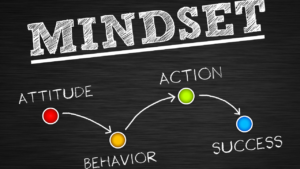
By now, you’ve mastered the basics: decluttering closets, taming your inbox, saying goodbye to random Tupperware lids. But minimalism has layers—and once you peel back the obvious stuff, the real transformation begins. This is where mindset, psychology, and lifestyle design merge into something bigger than “owning fewer sweaters.”
🚀 The 80/20 Rule of Stuff (Pareto’s Principle, Minimalism Edition)
Economists love the Pareto principle: 80% of results come from 20% of actions. Minimalists flip this to stuff:
- 80% of what you own = rarely or never used.
- 20% = your true MVPs.
Think about your closet: you probably wear the same 5–7 outfits on repeat while the other 40 collect dust. Or your kitchen: one trusty pan does the work of 10 gadgets.
👉 Advanced Hack: Audit your “20% MVPs.” Create a list of the 5 most-used items in each category (clothes, tech, kitchen, hobbies). Everything else? Question it hard.
Mini Exercise:
- Write down your top 5 most-worn clothing pieces.
- Open your closet.
- Ask: Do the rest deserve the rent they’re paying for space in my life?
⚡ Expert Insight (James Clear): “Environment is the invisible hand shaping behavior.” Keep your MVPs visible, remove the rest, and your habits reshape automatically.
🎭 The Hidden Enemy: “Invisible Clutter”
Minimalism isn’t just about the visible pile of jeans. It’s also about the sneaky, less obvious stuff clogging your life.
1. Relationships 🤝
Toxic friendships, draining acquaintances, or that colleague you keep saying yes to even though your gut screams no. They clutter your emotional bandwidth.
- Advanced Move: Apply the same “joy test” from Marie Kondo to people. Who energizes you? Who leaves you drained?
2. Habits 🔄
Scrolling TikTok for 3 hours isn’t physical clutter, but it crowds out creativity, health, and rest.
- Hack: Replace “default clutter habits” with minimalist rituals—like a 5-min journal before bed or a daily walk.
3. Goals 🎯
Chasing goals that aren’t truly yours is a clutter trap. Promotions you don’t want, side hustles that don’t excite you, gym memberships that were someone else’s dream.
- Reframe: Minimalism isn’t just owning less—it’s pursuing less but better.
🧩 Adaptive Minimalism: Why Rigidity Fails
Some people hear “minimalism” and picture monks in bare rooms chanting over a rice bowl. That’s not sustainable for most humans.
Adaptive minimalism = tailoring minimalism to your context:
- Parents: Minimalism = toy rotation system, not banning toys.
- Artists/creatives: You need supplies; the hack is curation, not deprivation.
- Digital professionals: Maybe 3 screens do spark joy if they help you create.
Think of minimalism like dieting: extreme elimination usually fails. The goal is a flexible system you can live with long-term.
👉 Advanced Hack: Create seasonal minimalism. Every 3–4 months, reassess. Life changes—new job, new hobbies, kids growing. Minimalism must bend, not break.
💸 Real-Life Hack: The 30-Day “No-Buy” Challenge
If decluttering is deleting files, then a no-buy challenge is installing a firewall. It stops clutter at the source.
Rules:
- No new non-essentials for 30 days (clothes, gadgets, random décor, impulse Amazon buys).
- Essentials = food, medicine, hygiene.
- Optional exception: replacing broken items with one better-quality alternative.
Why it works:
- Breaks impulse-shopping dopamine cycles.
- Saves cash fast (people report $200–$800 saved in a month).
- Forces you to actually use what you already own.
Real Story:
Chloe (from our earlier case studies) tried the no-buy challenge after over-purging her wardrobe. Instead of re-buying 20 random tops, she leaned into the challenge. By day 15, she realized she already had enough outfits for every occasion. By day 30, she saved $500—and discovered she could redirect that money toward travel.
👉 Pro Tip: Pair your no-buy with a “wishlist quarantine.” If you want something, add it to a list and wait 30 days. Most desires vanish. If it survives the month, maybe it’s truly worth it.
🧘 Minimalism as Expansion, Not Restriction

The advanced mindset shift = stop seeing minimalism as what you’re losing and start seeing it as what you’re gaining:
- Less debt → more freedom to travel.
- Less screen clutter → more presence with loved ones.
- Less mental load → more creativity and focus.
Minimalism is not subtraction. It’s subtraction that equals multiplication.
✨ Micro Advanced Hacks (Quick Wins)
- The One-Touch Rule: Don’t set something down “just for now.” Either use it, file it, or toss it.
- The 10–10–10 Reset: Every weekend, let go of 10 physical items, 10 digital files, 10 minutes of unnecessary commitments.
- Habit Pairing: Link decluttering to existing routines (delete 5 photos while waiting for coffee).
- Reverse Wish List: Instead of writing what you want to buy, list what you’re glad you didn’t buy. It builds gratitude and self-control.
- One-In-One-Out Rule: Buy a new shirt? One old one goes out. Instant balance.
🎤 Advanced Minimalist Mindset in a Nutshell
- 80/20 your stuff → Identify MVPs, ditch the benchwarmers.
- Hunt invisible clutter → toxic people, habits, goals.
- Be adaptive, not rigid → minimalism should flex with life.
- No-buy challenges → firewall against future clutter.
- Remember: you’re not depriving yourself—you’re curating a life OS where every file, app, and relationship matters.
Or, as Fumio Sasaki put it: “Minimalism is about freedom, not sacrifice.”
8. FAQs: Real Talk Edition 🙋♂️🙋♀️
Minimalism has hype, myths, and a ton of real-life doubts. Here are 20 brutally honest, funny, and data-backed answers to the questions people actually ask.
1. Can I be a minimalist with kids?
Yes. Kids = chaos, but also opportunity. Minimalism with children means less plastic junk, more play. Studies show kids engage deeper when they have fewer toys (fewer choices = more focus). You’re not depriving them, you’re teaching them freedom.
2. Minimalism vs frugality — are they the same?
Nope. Frugality = save money. Minimalism = save sanity. Sometimes they overlap (like canceling Netflix #4), but you could be minimalist and still buy a $300 sleek lamp because it sparks joy.
3. What about sentimental items?
You don’t have to burn your wedding album. Minimalism isn’t memory-icide. Keep the things that truly spark meaning, digitize the rest. A shoebox of love letters > 12 boxes of “meh.”
4. Is minimalism boring?
Not unless you think peace, clarity, and free weekends are boring. Minimalism ≠ living in a beige cave. It’s designing a life you actually want to wake up to.
5. Do I have to throw away my books? 📚
If they make you happy, keep them. The problem isn’t books—it’s the 17 IKEA shelves of “someday reads.” Read, rotate, donate. Bonus: libraries exist. Radical idea.
6. How do I convince my partner/roommate?
Don’t. Minimalism is not a religion. Lead by example. When they see you stress less and save more, curiosity kicks in. Nagging = cluttered energy.
7. Can minimalism help my mental health? 🧠
Yes. Less clutter = less cortisol. Research shows visual chaos increases stress. A cleaner space often improves focus, sleep, and mood. It’s not therapy, but it’s therapy-adjacent.
8. Is digital declutter really that big a deal?
YES. Notifications hijack dopamine. Cal Newport calls them “weapons of mass distraction.” Less app clutter = more brain bandwidth. That’s priceless.
9. How much money can I actually save? 💰
Depends, but real numbers exist: one case study family cut $8,000/yr by reducing subscriptions, shopping temptations, and duplicate purchases. Minimalism doesn’t just look good—it compounds financially.
10. Isn’t minimalism just for rich people?
False. Instagram makes it look like $5,000 white sofas = minimalism. Real minimalism is using what you have, cutting excess, and buying smarter. It’s more accessible than consumerism.
11. What if I love shopping? 🛍️
Minimalism isn’t abstinence. It’s mindfulness. Shop with intent: does this align with my life vision? If yes, swipe away. If no, you’re feeding the clutter beast.
12. Is minimalism anti-family?
Quite the opposite. Minimalists often spend more time with loved ones because they’re not drowning in chores, debt, and errands. Less stuff = more connection.
13. Can I keep hobbies that need gear? 🎸🎿🎨
Yes, but with boundaries. If your hobby lights you up, it’s not clutter. Keep the tools you actually use. Sell or donate the graveyard of abandoned attempts.
14. Do I have to live in a tiny house? 🏠
No. Minimalism is not about square footage. It’s about intentional footage. Some minimalists live in RVs. Others in five-bedroom houses. The measure is alignment, not size.
15. Can I be minimalist if I love fashion? 👗
Yes, enter capsule wardrobes. 30–40 high-quality, versatile pieces = endless outfits. Minimalism doesn’t kill style—it sharpens it.
16. Isn’t this just a trend?
Sure, Instagram makes it trend-y, but humans have been doing versions of minimalism forever. Stoics, monks, indigenous communities. The point: it works, whether or not it’s “in.”
17. What do I do with gifts I don’t like? 🎁
Say thank you, appreciate the thought, then donate or regift guilt-free. Keeping something forever out of obligation = clutter disguised as loyalty.
18. How long before I “feel” the benefits?
Often within days. Day 3 (closet declutter) → morning stress drops. Day 8 (email detox) → mental bandwidth expands. Full shift? 30 days to 3 months.
19. Can I fail at minimalism?
Not really. Even one decluttered drawer = win. This isn’t a test; it’s a lifestyle shift. Progress, not perfection.
20. What happens after the 30-day challenge? 🚀
You design your own rhythm. Maybe monthly declutters. Maybe seasonal no-buy challenges. Minimalism isn’t a finish line—it’s a system that grows with you.
Wrap-up 🎉
Minimalism isn’t about deprivation. It’s about curating your life so it actually feels like yours. Keep what matters, ditch the rest, and remember: clutter steals energy, minimalism returns it.
9. Mistakes to Avoid 🚫

Minimalism is powerful, but like any transformation, it comes with traps. Think of these as speed bumps on the road to clarity. If you know them, you can dodge them.
1. The Declutter → Regret → Rebuy Cycle ♻️
You throw everything out in a weekend frenzy. Feels amazing. Then two weeks later, you miss that sweater, rebuy it, and end up with the same pile.
Psychological root: Impulse + emotional rebound. It’s the “diet binge” of decluttering—going too extreme, too fast.
Fix: Declutter in layers. First pass = obvious junk. Second pass (weeks later) = things you realize you didn’t miss. Slow burns stick.
2. The Spartan Prison Vibe 🏚️
You sell your couch, donate your art, and live with a mattress on the floor. Suddenly, your home feels less Zen and more “unfinished AirBnB.”
Psychological root: Mistaking minimalism for deprivation. You confuse “less” with “none.”
Fix: Minimalism = intentionality. Keep comfort and beauty if it fuels you. Marie Kondo’s test still applies: Does it spark joy—or at least functional peace?
3. Pinterest Comparison Syndrome 📸
Scrolling through immaculate beige apartments with $5,000 coffee tables and whisper-thin curtains, you feel like your life doesn’t measure up.
Psychological root: Social comparison + aesthetic perfectionism.
Fix: Your minimalism doesn’t need to be photogenic—it needs to be livable. Forget Instagram. Ask: Does my environment reduce stress? If yes, you’re winning.
4. One-Room Minimalism 🚪
You declutter your bedroom but leave the garage looking like a hoarder’s paradise. The imbalance keeps the stress alive.
Psychological root: Selective effort. Brain tricks you into “job done” after one success.
Fix: Take the whole-life lens. Even tiny actions in other rooms (one shelf in the garage, one folder on your laptop) reinforce the lifestyle.
5. Sentimental Guilt Hoarding 🎁
You keep every gift, letter, and family heirloom because “it’s disrespectful” to let them go. Your attic turns into an emotional hostage zone.
Psychological root: Emotional attachment + guilt conditioning.
Fix: Keep a highlight reel. Digitize, photograph, or box only what actually warms your heart. Release the rest with gratitude.
6. Out of Sight, Out of Mind (aka The Storage Shuffle) 📦
You don’t declutter—you relocate. Garage, attic, or storage unit… until you’re basically paying rent for your past.
Psychological root: Avoidance + “sunk cost” fallacy (I bought it, so I must keep it).
Fix: Be ruthless. If it hasn’t been used in a year, it’s probably not essential. Storage = delay, not solution.
7. Perfection Paralysis ⏳
You spend hours debating whether to keep or toss one mug. Decision fatigue sets in, and the challenge stalls.
Psychological root: Overthinking + fear of wrong choice.
Fix: Use rules of thumb:
- Haven’t used in 12 months? Out.
- Duplicates? Keep the best.
- Can it be replaced in 20 minutes for <$20? Donate.
8. The “Declutter = Minimalist Forever” Myth 🔄
People think minimalism is a one-time purge. In reality, clutter creeps back—like dust or laundry.
Psychological root: Fixed mindset vs lifestyle mindset.
Fix: Build systems: monthly check-ins, yearly capsule wardrobe resets, “one in, one out” rule for new purchases. Minimalism is maintenance, not a single event.
9. Ignoring Digital Clutter 💻
Your desk is clean, but your phone has 437 unread messages and 92 tabs open.
Psychological root: Out of sight, out of mind. We underestimate how much digital chaos weighs on us.
Fix: Treat screens like rooms. Schedule digital declutters (email, apps, files) just like physical spaces.
10. Decluttering Alone (No Support) 🤐
You go solo without telling family or friends. They resist, sabotage, or just don’t “get it.”
Psychological root: Lack of social reinforcement. Humans thrive on accountability.
Fix: Share your goals. Get a declutter buddy. Or post small wins (before/after pics) to track momentum. Community = fuel.
Quick-Glance Table: Mistake → Root → Fix
| Mistake 🚫 | Psychological Root 🧠 | Fix ✅ |
|---|---|---|
| Declutter → regret → rebuy | Impulse rebound | Declutter in layers |
| Spartan prison vibe | Confusing less with none | Keep comfort & beauty |
| Pinterest comparison | Social comparison | Focus on livability |
| One-room minimalism | Selective effort | Whole-life lens |
| Sentimental guilt hoarding | Guilt conditioning | Keep a highlight reel |
| Storage shuffle | Avoidance + sunk cost | Ruthless “1-year rule” |
| Perfection paralysis | Decision fatigue | Rules of thumb |
| One-time purge myth | Fixed mindset | Build systems & habits |
| Ignoring digital clutter | Out of sight, out of mind | Digital = physical |
| Decluttering alone | Lack of reinforcement | Get community support |
Wrap-Up 🎤
Minimalism is not about extremes, shame, or Pinterest perfection. The biggest mistake isn’t clutter—it’s forgetting why you started: more freedom, more clarity, more joy.
So keep it intentional, playful, and human. The goal isn’t empty shelves—it’s a full life.
10. The Future of Minimalism 🚀

Minimalism isn’t just a lifestyle trend anymore—it’s evolving into a cultural, technological, and even ecological movement. What started as “throw out your extra socks” is now reshaping how we live, work, and consume. The future of minimalism is bigger than clean countertops—it’s about survival, innovation, and, strangely enough, flexing.
🌍 Eco-Minimalism: The Planet-Saving Upgrade
Minimalism is going green. Not the Instagram-filter kind, but the climate-action kind.
- Less stuff = less waste. Every item you don’t buy means fewer factories running, less packaging, less shipping fuel.
- Smaller wardrobes = smaller footprint. Capsule closets cut down fast fashion’s impact.
- Reuse and repair culture. Instead of discarding, the eco-minimalist mends, swaps, or upcycles.
🌱 Stat check: The UN reports that fast fashion accounts for 10% of global carbon emissions. A minimalist approach to clothing alone could drastically reduce this.
Eco-minimalism reframes the question: What if buying less isn’t just for mental clarity, but for planetary survival?
🤖 AI-Driven Minimalism: Decluttering on Autopilot
Your phone already tracks your steps and sleep. Soon, it’ll declutter your digital and physical life, too.
- AI File Sorting. Algorithms that detect duplicates, auto-tag files, and archive stuff you’ll never use again.
- Smart Wardrobes. Apps that log what you wear most and recommend what to donate.
- Digital Assistants. Imagine ChatGPT (👋) helping you purge 10,000 unread emails in 30 minutes.
The dream: A minimalist life without the exhausting decision fatigue. Think of it as having a digital butler whose only job is to Marie Kondo your cloud storage.
💎 The Bold Future: Minimalism as the New Luxury Flex
Here’s the twist: the future of luxury isn’t owning more—it’s owning less.
- Luxury branding shift. Designer labels are already moving toward sustainability lines. Expect “limited edition, 10-item capsule” drops to become the new flex.
- Space as wealth. In crowded cities, a spacious, uncluttered apartment will scream “status” louder than a Ferrari in the driveway.
- Experiences > objects. High-net-worth individuals are ditching yachts for curated retreats, wellness escapes, and digital detox vacations.
✨ Minimalism as the ultimate power move: signaling you don’t need clutter to prove worth.
😂 Meme Forecast
Because the future of minimalism isn’t complete without internet culture:
Elon Musk Minimalism Starter Pack
- One mattress on the floor 🛏️
- One Tesla 🚘
- A soy protein shake 💪
- Laptop with 17 startups open 💻
Normal Person Minimalism Starter Pack
- 3 pairs of jeans 👖
- 1 coffee mug ☕
- “Why do I have 47 charging cables?” 🤦
- Inbox: 10 unread emails 🎉 (flex compared to 10,000)
Memes keep the movement humble. They remind us minimalism isn’t about being perfect—it’s about progress.
🔮 What This Means for You
The future minimalism playbook is clear:
- Think planetary. Every declutter is also a climate action.
- Leverage tech. AI can do the heavy lifting—let it.
- Redefine luxury. Owning less will be the ultimate “I made it” signal.
- Stay playful. Humor and memes prevent the perfection trap.
🎤 Closer
Minimalism isn’t dying—it’s leveling up. From eco warriors to AI-powered declutters, the next decade won’t just be about less stuff—it’ll be about better living, smarter tech, and deeper meaning.
The question isn’t “Will minimalism survive?” The question is: Will you ride the wave, or get buried under the clutter tsunami of the future? 🌊
11. Recap / Cheatsheet 📝
Congrats—you made it through the deep dive. Now here’s your pocket version of the 30-Day Minimalism Challenge. Save it, share it, or slap it on your fridge.
📅 30-Day Roadmap (Quick Bullets)
Week 1 – Space (Home Reset)
- Day 1: Entryway Reset 🏡 → First impressions matter.
- Day 2: Closet Purge 👕 → Bye-bye decision fatigue.
- Day 3: Kitchen Detox 🍴 → Function over gadgets.
- Day 4: Living Room Clear-out 🛋️ → More space = more calm.
- Day 5: Bathroom Streamline 🚿 → Only keep daily-use items.
- Day 6: Bedroom Refresh 🛏️ → Declutter = better sleep.
- Day 7: Storage Sanity 📦 → Tame the “I might need it someday” pile.
Week 2 – Digital (Tech Tidy-Up)
- Day 8: Inbox Detox 📧 → Inbox zero = brain zero stress.
- Day 9: Photo Purge 📸 → Keep memories, not duplicates.
- Day 10: App Cleanup 📱 → Less swiping, more living.
- Day 11: File & Folder Sort 💻 → Desktop zen achieved.
- Day 12: Notification Audit 🔔 → Stop the dopamine hijack.
- Day 13: Social Media Sweep 🌐 → Quality > quantity.
- Day 14: Digital Backup 💾 → Peace of mind, secured.
Week 3 – Mind (Mental Reset)
- Day 15: Journaling Habit ✍️ → Dump brain, gain clarity.
- Day 16: Simplify Breakfast 🍳 → One less morning decision.
- Day 17: Morning Routine Streamline 🌅 → Fewer steps, smoother flow.
- Day 18: Decision Batching 📋 → Save brain fuel.
- Day 19: Calendar Pruning 📆 → Meetings that matter only.
- Day 20: Habit Audit 🔄 → Cut one toxic loop.
- Day 21: Gratitude Reset 🙏 → Clear head, open heart.
Week 4 – Money & Relationships (Life Alignment)
- Day 22: Subscription Audit 💳 → Stop auto-paying ghosts.
- Day 23: Financial Simplify 💰 → One card, one budget app.
- Day 24: Paperwork Purge 🗂️ → Scan > shred.
- Day 25: Debt Check 🔍 → Know the numbers, cut the fluff.
- Day 26: Relationship Audit ❤️ → Who energizes vs drains?
- Day 27: Boundary Setting 🚪 → “No” is a decluttering tool.
- Day 28: Social Media Friends Trim 👥 → Fewer friends, deeper bonds.
- Day 29: Time Audit ⏳ → Where’s your energy leaking?
- Day 30: Celebrate 🎉 → You did it. Minimalism unlocked.
⚡ One-Line Per Week (Witty Summary)
- Week 1: Clear your space, clear your stress.
- Week 2: Tame your tech, reclaim your time.
- Week 3: Declutter your mind, upgrade your flow.
- Week 4: Simplify money & relationships, amplify joy.
🎤 Final Mic Drop: Minimalism isn’t about less—it’s about making room for more life. 🚀
13. Bonus Section: Glossary, Quiz & Challenge 🎁
Welcome to the fun side of minimalism—where learning meets self-discovery and a little friendly competition. This section isn’t just fluff—it’s about internalizing minimalism, testing your habits, and joining the community of decluttered humans.
🗂️ Minimalism Glossary (Witty & Simple)
Capsule Wardrobe 👗
A carefully curated set of versatile clothing items that mix and match. Think 30–40 pieces that cover every occasion. Your closet stops being a “puzzle box” and becomes a wardrobe superpower.
Digital Detox 📵
The act of stepping away from screens, notifications, and apps to reclaim focus, creativity, and sanity. Bonus: your thumbs stop cramping from endless scrolling.
Essentialism 🎯
The disciplined pursuit of less but better. Coined by Greg McKeown, it’s not about doing more things efficiently—it’s about doing the right things intentionally. Think “Marie Kondo for your life choices.”
Micro-Win 🏆
Tiny actions that create momentum. Examples: purging five old emails, donating one unused mug, or unsubscribing from a single newsletter. One micro-win = dopamine + declutter combo.
Invisible Clutter 🧩
Not physical stuff, but mental, emotional, or relational baggage. Bad habits, toxic goals, draining friendships—decluttering this type = exponential life clarity.
No-Buy Challenge 🚫💳
A set period (usually 30 days) where you don’t buy anything non-essential. Think of it as the ultimate money + clutter fast. Warning: may cause sudden joy from rediscovering items you already own.
🧠 Quiz: Are You a Minimalist Jedi or a Secret Hoarder Sith?
Answer honestly—this is for fun and insight.
1. Your desk looks like:
A) One laptop, one notebook, one cup. ✅
B) 4 mugs, 2 half-used notebooks, 7 sticky notes, random USB cables. 😬
2. Your inbox has:
A) Less than 50 unread emails. ✅
B) 10,000+ emails with zero labeling. 😱
3. You buy clothes:
A) Only what sparks joy or fills a gap. ✅
B) Because “it was on sale” or “maybe someday.” 🛒
4. Your phone:
A) Organized apps, notifications curated. ✅
B) 27 apps, 13 folders, chaos reigns. 😵
5. Sentimental items:
A) Digitized or curated highlight reel. ✅
B) Everything since birth still in the attic. 📦
Score:
- 4–5 A’s: Jedi Master 🏅 – You’re already living the minimalism way. Keep leveling up.
- 2–3 A’s: Padawan 🥋 – Decent start, but attention needed. Micro-wins will power you.
- 0–1 A’s: Secret Sith 🪐 – Hoarding energy detected. Start small: one drawer, one inbox, one habit.
💡 Bonus tip: Even Jedi have clutter days. Minimalism is progress, not perfection.
📸 Bonus Challenge: Before & After Showcase

Minimalism works best when shared, celebrated, and gamified. Here’s how:
- Pick a “declutter zone” — room, closet, digital folder, or mental habit.
- Snap before photos. Reality check.
- Apply your chosen 30-day challenge steps.
- Snap after photos. Satisfaction overload guaranteed.
- Share your journey online (Instagram, Reddit, blog) using the hashtag:
#MinimalismUnlocked 🔓
Fun idea:
- Weekly mini-contest: “Best Before → After Transformation.” Winner gets bragging rights and the joy of being a real-life declutter influencer.
Why it works:
Humans are visual creatures. Seeing transformation reinforces progress, builds motivation, and inspires others. Plus, you’ll laugh at the chaos you tolerated before.
🎉 Micro-Glossary + Challenge Wrap-Up
- Minimalism isn’t just “tidying up” — it’s curating your environment, mind, and life.
- Small wins compound into big life shifts. One drawer today = uncluttered life tomorrow.
- Sharing progress builds community and accountability. Humans love stories—they also love before/after pics.
Think of this section as your fun booster pack: a little education, a little self-assessment, and a lot of motivation to stay in the game.
🌟 Takeaway
Minimalism in 2025 is playful, purposeful, and powerful. Glossaries demystify jargon. Quizzes make self-awareness fun. Challenges make transformation tangible. Together, they cement your skills, boost engagement, and make your journey sticky.
And remember: whether you’re Jedi, Padawan, or Sith, every micro-win counts. The goal is not empty shelves—it’s full life, full mind, full freedom.
🛠️ Best Apps
- Notion – All-in-one workspace for notes, tasks, and collaboration.
🔗 notion.so - Trello – Visual project management tool for teams and individuals.
🔗 trello.com - Freedom – App and website blocker to help you stay focused.
🔗 freedom.to - YNAB (You Need A Budget) – Personal finance software to help you take control of your money.
🔗 ynab.com
📚 Book Comparison Table
Marie Kondo – The Life-Changing Magic of Tidying Up
🔗 Link to Book
Fumio Sasaki – Goodbye, Things: The New Japanese Minimalism
🔗 Link to Book
Greg McKeown – Essentialism: The Disciplined Pursuit of Less
🔗 Link to Book
👚 Minimalist Gear Checklist
Capsule Wardrobe – A minimalist approach to fashion, focusing on a limited number of versatile clothing items.
🔗 Learn More
5 Essentials for Home – Key items that promote a minimalist and functional living space.
🔗 Read Article
🧠 Advanced Hacks & Mindset Shifts
80/20 Rule of Stuff (Pareto Principle Applied to Clutter) – Applying the 80/20 rule to decluttering.
🔗 Read More
Invisible Clutter – Understanding and addressing non-physical clutter.
🔗 Article on Invisible Clutter
Adaptive Minimalism – Embracing flexibility in minimalism.
🔗 Learn About Adaptive Minimalism
No-Buy Challenge for 30 Days – A challenge to reduce unnecessary purchases.
🔗 Join the Challenge
❓ FAQs: Real Talk Edition
Can I Be a Minimalist with Kids? – Tips on minimalism for families.
🔗 Read Article
Minimalism vs. Frugality – Understanding the differences.
🔗 Learn More
What About Sentimental Items? – Handling sentimental clutter.
🔗 Read Guide
🚫 Mistakes to Avoid
Declutter → Regret → Rebuy Cycle – Avoiding the cycle of decluttering and repurchasing.
🔗 Learn How to Avoid This
Overdoing → Spartan Prison Vibe – Finding balance in minimalism.
🔗 Read Article
Comparing Yourself with Pinterest Minimalists – Embracing your own minimalist journey.
🔗 Stop Comparing
🔮 The Future of Minimalism
Eco-Minimalism – Combining minimalism with sustainability.
🔗 Learn About Eco-Minimalism
AI-Driven Minimalism – The role of AI in organizing life.
🔗 Read Article
Minimalism as the Next Luxury Flex – Minimalism as a status symbol.
🔗 Explore the Concept
📝 Recap / Cheatsheet
30-Day Minimalism Roadmap – A daily guide to embracing minimalism.
🔗 Download the Guide
One-Line Per Week Summary – Quick weekly summaries.
🔗 View Summary
🎁 Bonus Section
Glossary of Minimalism Terms – Definitions of key terms.
🔗 Read Glossary
Minimalist Quiz – Test your minimalist mindset.
🔗 Take the Quiz
Before/After Challenge – Share your transformation.
🔗 Join the Challenge
7 Powerful Reasons Why Enzymatic Cleaners Are a Must-Have