
The Art of Slow Living 🌸.
⏳ Slow living ; Life in the fast lane is exhausting. Endless notifications, deadlines, meetings, errands, and “just one more scroll” moments leave you burned out, distracted, and disconnected. Slow living is the antidote. It’s not about doing nothing—it’s about choosing what really matters, intentionally, and joyfully.

🌟 Promise: This isn’t a vague manifesto about “finding yourself” or buying scented candles and calling it self-care. This guide is a complete, science-backed, actionable framework to simplify your daily life and reclaim your energy, time, and joy. By the end, you’ll have:
- Step-by-step routines for morning, work, and evening rituals
- Mindset strategies to stop multitasking chaos and start intentional living
- Habit hacks and digital detox tips to reclaim focus
- Home & workspace transformations for calm, clarity, and flow
- Relationship tips to slow down connection instead of speed up distractions
- Nutrition & wellness guidance that integrates effortlessly into your new pace
- Lifestyle hacks to weave mindfulness into every corner of your life
📝 What You’ll Actually Learn / Quick Preview:
- Daily rituals 🛁: intentional mornings, reflective evenings, and micro-moments of pause.
- Mindfulness exercises 🧘: breathing techniques, journaling, walking meditations, and cognitive resets proven to reduce stress.
- Minimalist hacks 🪑: decluttering your space and routines to make life lighter.
- Habit stacking 📚: science-backed methods to layer tiny habits for major long-term results.
- Digital detox 📵: manage notifications, social media, and screen time without FOMO.
- Expert insights & case studies 🧠: real-life examples of people reclaiming joy and productivity through slow living.
💡 Why This Guide Works:
Slow living isn’t about being lazy or doing less—it’s about doing better, more intentionally, and with awareness. Science shows that slowing down:
- Reduces cortisol & chronic stress (hello, happier brain 🧠)
- Improves focus and memory
- Strengthens relationships by encouraging presence and empathy ❤️
- Boosts overall life satisfaction and even creativity
By following this guide, you’ll transform your life one deliberate choice at a time, creating systems that support peace, clarity, and deeper joy. Think of it as a personalized slow-living blueprint—from the way you wake up to how you interact with your phone, your meals, your workspace, and your loved ones.
🌿 Takeaway:
This is more than a lifestyle tweak—it’s a full reset for your mind, body, and soul. Fast-paced living isn’t sustainable, but intentional slow living is fun, practical, and life-changing. You’ll finish this guide ready to breathe, focus, and move through your days with grace, energy, and clarity.
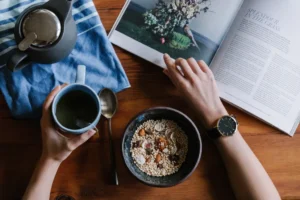
Morning Routine of Highly Productive People 🌅
Introduction: Why Slow Living Matters 🌿
🎬 Story Hook: A Tale of Two Weeks
Picture this:
Week 1 – Fast Life Chaos ⚡
You wake up to a buzzing phone. Emails flood in before your coffee even kicks in ☕. Meetings, deadlines, social notifications, errands, “urgent” tasks… by Friday, your brain feels like scrambled code 🧩, and your body aches from stress you didn’t even notice accumulating. You tried multitasking, but somehow, nothing feels fully done. Your life is a blur of motion without meaning.
Week 2 – Slow Living Flow 🌸
You wake up, stretch, sip your tea mindfully 🍵. Your morning isn’t a checklist sprint—it’s a gentle ritual. You check emails intentionally, not compulsively. Work is focused and productive, not frenzied. You take a walk outside, feel the sun on your skin, notice birds, breathe deeply. Evenings are for meaningful conversations, reflection, and hobbies that fill you—not drain you. By Sunday, your mind is clear, your energy is replenished, and you feel… alive.
One week, two different realities. Which would you choose?
🧠 The Science Behind Slow Living
Fast life chaos isn’t just exhausting—it’s literally rewiring your brain.
Consider this: the average human attention span has dropped to just 8–10 seconds, down from 12 in 2000. Meanwhile, smartphone overuse has people checking their devices over 150 times per day. Our brains are constantly jumping, scrolling, and reacting, and it’s burning mental fuel faster than we realize.
Add chronic stress to the mix—nearly 75% of adults report moderate-to-high stress weekly—and it’s no wonder so many of us feel drained, scattered, and perpetually behind. Cluttered schedules, endless notifications, and constant stimuli overload your nervous system, triggering cortisol spikes, anxiety, and decision fatigue.
Here’s where slow living comes in. Science shows that deliberate, unhurried routines help:
- Cortisol reduction: Mindful pacing calms your nervous system, lowering stress hormones.
- Improved cognitive clarity: Slower, intentional actions free up mental bandwidth for focus, creativity, and problem-solving.
- Boosted productivity: Paradoxically, doing less but more deliberately often leads to higher output and quality.
Think of it this way: your life is like a cup of tea 🍵. Gulping it all at once burns your tongue and ruins the flavor. Sip slowly, let the aroma and taste unfold naturally, and you’ll savor every moment.
Slow living isn’t about doing nothing—it’s about choosing what matters, pacing yourself, and designing your environment and habits to support focus and calm. Your brain literally functions better when it isn’t racing, and your life shifts from reactive chaos to intentional flow.
🌟 Who This Guide Is For
Slow living isn’t a rigid prescription—it’s a toolkit for anyone ready to reclaim time, focus, and joy. If your life feels like it’s constantly on fast-forward, this guide is for you.
Busy Professionals 📊 – Juggling deadlines, endless meetings, and “always-on” work culture? Slow living helps you hit pause, prioritize what truly matters, and avoid burnout.
Creatives 🎨 – Struggling to find mental space for inspiration? Deliberate, unhurried routines unlock focus, flow, and the clarity needed to create your best work.
Parents 👶 – Managing chaos at home while trying to preserve your sanity? Slow living teaches intentional pacing and micro-moments of calm, even in the busiest households.
Digital Natives 💻 – Constant notifications, social media, and FOMO leaving you drained? Learning to set boundaries, curate inputs, and reclaim attention is your superpower.
Retirees 🌅 – Looking for deeper meaning, presence, and gentle routines? Slow living allows you to savor each moment and design a fulfilling, mindful day.
No matter your lifestyle, slow living gives you practical tools to live intentionally, rather than reactively. It’s about slowing down without losing momentum—savoring the day while still moving forward.
🛤️ What You’ll Gain from This Deep Dive

Welcome to a guide that doesn’t just skim the surface. This isn’t a casual “read-and-forget” 2,000-word article—it’s a 30,000-word immersive journey into slow living, habit mastery, and intentional design. By the time you reach the last chapter, you won’t just know what slow living is—you’ll live it, practice it, and make it your default mode.
Here’s what this deep dive offers, and why it matters more than any quick productivity hack you’ve tried.
1. Mindset & Habits: From Reactive Chaos to Proactive Flow
Ever feel like life is chasing you rather than the other way around? You’re not alone. Fast-paced routines, endless notifications, and overstimulation have trained our brains for reactive living. We’re constantly putting out fires instead of moving with intention.
Science shows that habit architecture and mindset shifts are key. Our brains are wired to conserve energy: habitual reactions are easier than intentional choices. Slow living teaches you how to prime your prefrontal cortex, reduce decision fatigue, and layer habits that automatically guide you toward calm, focused, and productive states.
By the end of this section, you’ll understand how to:
- Recognize and dismantle reactive behaviors.
- Build routines that automate clarity and focus.
- Stack habits to create a compounding effect, where one intentional action leads naturally into the next.
Imagine life as a river: reactive chaos is a stormy, turbulent stream. Slow living transforms it into a gentle, controlled current, letting you steer effortlessly instead of fighting the flow.
2. Routines & Rituals: Design Your Day Like a Masterpiece
Humans are creature of habit, and how you start, structure, and end your day determines your mental energy, creativity, and resilience. This guide breaks down routines across all phases of the day:
- Morning rituals: Slow, deliberate wake-ups that stack movement, mental clarity, and intention-setting.
- Workday structures: Techniques for deep work, micro-breaks, and avoiding distraction traps.
- Evening routines: Wind-down practices that lower cortisol, prepare your mind for sleep, and create reflection windows.
- Weekend practices: Rituals for resetting, connecting with loved ones, and exploring creativity without chaos.
Rather than generic “wake up early and meditate” advice, you’ll see persona-specific strategies for busy professionals, parents, creatives, and digital natives. Each routine is designed to stack habits, optimize attention, and reduce friction in your day.
Science confirms that ritualized routines reduce cognitive load—your brain doesn’t waste energy deciding what to do next. Instead, you flow from one intentional action to another. It’s like giving your day a blueprint so you can move through it with grace and momentum, not panic and stress.
3. Digital Detox: Master Your Devices Instead of Being Mastered
Phones, apps, social media—they’re incredible tools. But left unchecked, they hijack attention, elevate cortisol, and fragment focus. Studies show that people check their phones over 150 times per day, and even brief notifications can drop performance by up to 20%.
This guide teaches practical strategies for digital mastery, including:
- Setting intentional screen windows for email, social media, and messaging.
- Using digital anchors—specific times to check devices—so technology serves you, not the other way around.
- Creating phone-free zones and micro-detox rituals that reset attention and energy.
By reclaiming control over devices, you’ll regain mental bandwidth, reduce stress, and cultivate the ability to focus deeply without distraction. Think of it as reclaiming your nervous system from constant interruption—a modern-day cognitive reset.
4. Home & Workspace: Organize for Calm, Clarity, and Creativity
Your environment is an extension of your mind. Clutter, chaotic layouts, and noisy spaces trigger stress responses and deplete attention. Slow living isn’t just about pacing—it’s about designing physical and digital spaces that support your intentions.
You’ll learn how to:
- Curate your home for calm, inspiration, and focus.
- Optimize workspaces with visual, auditory, and sensory cues that prime productivity.
- Implement habit architecture in your physical environment—e.g., placing journals, water, or workout gear strategically to cue behavior automatically.
- Use lighting, sound, and minimalism to create neuro-friendly spaces that reduce cortisol and enhance creativity.
Small tweaks in your environment can produce outsized effects on energy, focus, and mood. It’s like upgrading your internal operating system by redesigning the hardware around it.
5. Relationships: Build Connections That Deepen, Not Drain
Humans are social creatures. Fast living often leads to surface-level interactions, shallow connection, and emotional exhaustion. Slow living emphasizes intentional, high-quality relationships that enrich your life rather than sap energy.
In this guide, you’ll explore how to:
- Create intentional touchpoints with loved ones, colleagues, and friends.
- Cultivate listening, presence, and empathy, which neuroscience shows improves oxytocin release and stress regulation.
- Set boundaries with energy-draining relationships without guilt.
By fostering deeper connections, you’ll experience more joy, fulfillment, and resilience, even during busy periods. Your social energy becomes a source of fuel rather than a drain.
6. Nutrition & Wellness: Feed Body and Brain
Energy, clarity, and focus are rooted in how you fuel your body. Slow living integrates mindful nutrition and wellness practices that don’t require extreme dieting or punishing routines.
This guide covers:
- Protein-rich, nutrient-dense breakfasts that stabilize glucose and support neurotransmitter synthesis.
- Hydration and electrolytes for optimal brain function.
- Mindful eating to cultivate presence, reduce stress, and enhance digestion.
- Simple wellness habits—stretching, mobility, and micro-meditations—that integrate seamlessly into your day.
The result? A body that supports your mind, instead of dragging it down, creating energy and clarity naturally rather than forcing it with stimulants.
7. Lifestyle Hacks: Tiny Changes, Massive Impact
Slow living is less about grand gestures and more about tiny, deliberate adjustments that compound over time. You’ll discover:
- Micro-breaks that reset attention without losing productivity.
- Strategic batching of chores, emails, and decisions.
- Morning and evening cues that prime energy, mood, and focus automatically.
- Digital, environmental, and habit hacks that turn intentional living into default behavior.
These micro-actions may seem small in isolation, but over weeks and months, they reprogram your brain, nervous system, and routines. Life stops feeling like constant survival and starts feeling like intentional creation.
🌸 By the End of This Guide
After immersing yourself in this slow living framework, you’ll:
- Move from reactive to proactive living, making intentional choices instead of defaulting to chaos.
- Have actionable routines that cover mornings, workdays, evenings, and weekends.
- Master your devices and attention, so technology serves your goals.
- Curate environments that calm your nervous system and optimize focus.
- Build deeper relationships that energize instead of drain.
- Feed your body and mind with purposeful nutrition and wellness practices.
- Implement lifestyle tweaks that compound over time, creating lasting change.
Think of this guide as a blueprint for a life that’s calm, productive, joyful, and fully yours. It’s not just about learning slow living—it’s about experiencing it daily, stacking habits that matter, and transforming your nervous system and environment to support intentional, energized living.
Your life is a cup of tea 🍵—don’t gulp it. Sip it, savor it, and let each moment unfold fully. By the time you finish this guide, slow living won’t just be a concept—it’ll be your default operating system for life.
3. The Philosophy, Science & Psychology of Slow Living 🌱🧠✨
🌍 Origins of Slow Living: Global Wisdom

Slow living might sound like a modern rebellion against emails, smartphones, and hustle culture, but the truth is—it’s ancient. Humans have been searching for balance, presence, and simplicity long before productivity apps and Instagram detoxes existed. Around the world, cultures have birthed philosophies and practices that embody the essence of slow living.
Here are some of the most influential traditions—and how they can reshape your daily life today.
1. Hygge (Denmark): The Cozy Science of Comfort
If you’ve ever curled up under a blanket on a rainy day with a mug of hot chocolate, you’ve already experienced hygge. Pronounced hoo-gah, this Danish concept celebrates coziness, comfort, and warmth, not as a luxury but as a daily necessity.
Denmark consistently ranks as one of the happiest countries in the world, and hygge is a big reason why. It’s not about grand gestures but micro-moments of joy:
- Lighting a candle at dinner, even if you’re eating alone.
- Sharing a simple meal with friends by soft light instead of scrolling while eating.
- Creating nooks in your home that invite you to pause, rest, and breathe.
Neurologically, hygge works by lowering cortisol and activating the parasympathetic nervous system. Warm light, soft textures, and shared presence literally signal safety to the brain. Instead of “grind mode,” your body slips into a state of calm repair.
In a fast world, hygge reminds us that comfort is not indulgence—it’s medicine.
2. Lagom (Sweden): The Art of “Just Enough”
If hygge is coziness, then lagom is balance. This Swedish word translates roughly to “just the right amount”—not too little, not too much. It’s the cultural opposite of both minimalism’s extreme decluttering and consumerism’s endless accumulation.
Examples of lagom in action:
- Eating until you’re satisfied, not stuffed.
- Working hard but stopping before burnout.
- Owning possessions that bring utility and joy—but not hoarding “just in case.”
Lagom is deeply rooted in the Swedish belief in social equality and sustainability. It’s why Swedish design is functional, clean, and people-centered. It’s also why the nation prioritizes work-life balance—shorter workdays, long vacations, and time outdoors.
For modern slow living, lagom teaches us to resist the pendulum swing of extremes. Instead of chasing excess or stripping life bare, you design rhythms of “enoughness”—which, research shows, brings higher life satisfaction than endless striving.
3. Wabi-Sabi (Japan): Beauty in Imperfection
In a world obsessed with flawless Instagram grids and polished aesthetics, wabi-sabi is a radical act. This Japanese philosophy finds beauty in imperfection, impermanence, and simplicity.
Imagine:
- A chipped mug you keep using because it carries the memory of countless mornings.
- A weathered wooden table, rich with scratches that tell stories of family gatherings.
- A handmade bowl, asymmetrical and irregular, yet more beautiful for its uniqueness.
Wabi-sabi reminds us that life isn’t perfect, nor should it be. Cracks, flaws, and aging are not failures—they’re markers of authenticity.
Science backs this up: perfectionism is linked to anxiety, depression, and burnout. By embracing imperfection, wabi-sabi helps us cultivate self-compassion and resilience. Instead of seeing flaws as deficits, we see them as evidence of life lived fully.
Slow living infused with wabi-sabi means allowing yourself and your environment to be enough as they are.
4. Mindfulness (Buddhism & Modern Psychology): Presence as Power
At the heart of slow living lies mindfulness—a concept rooted in Buddhist practice but now backed by neuroscience. Mindfulness is simply present-moment awareness, free from judgment.
Practical mindfulness looks like:
- Walking without earbuds, simply noticing the rhythm of your steps and the feel of the breeze.
- Eating slowly, tasting each bite instead of inhaling food while checking Slack.
- Pausing for three deep breaths before replying to a stressful email.
Brain scans show mindfulness thickens the prefrontal cortex (responsible for focus and decision-making) and shrinks the amygdala (the fear and stress center). Translation: it literally rewires your brain to be calmer, sharper, and more resilient.
Slow living isn’t just about doing less—it’s about being more. Mindfulness trains you to live life as it unfolds, rather than rushing through it on autopilot.
5. Minimalism (Modern Movement): Less Stuff, More Meaning
Minimalism is the modern, Western cousin of slow living. Popularized in recent decades, it centers on the idea that owning less allows us to live more fully.
Think:
- A 30-day declutter challenge where you release one item each day.
- Curating a wardrobe of versatile pieces instead of chasing trends.
- Designing a home where everything you own serves a purpose—or sparks joy.
But minimalism is more than clean white walls. It’s a mental declutter as well. Every decision, every possession, every commitment carries cognitive load. The fewer unnecessary choices and items, the more energy you free up for what truly matters.
In psychological terms, minimalism reduces decision fatigue and boosts focus. In emotional terms, it creates space for clarity, creativity, and joy.
Slow living borrows this lesson: when you remove excess—whether physical clutter, digital noise, or overcommitments—you uncover life’s essential core.
🌸 Pulling It Together: A Global Mosaic of Wisdom
Each of these traditions adds a unique thread to the tapestry of slow living:
- Hygge teaches comfort and coziness.
- Lagom reminds us to seek balance and enoughness.
- Wabi-sabi invites us to embrace imperfection.
- Mindfulness trains us in presence and awareness.
- Minimalism clears the clutter for meaning.
Together, they form a global wisdom framework for living intentionally. They prove slow living isn’t a new invention—it’s a timeless human need, rediscovered in every culture and era.
The lesson? You don’t need to move to a cabin in the woods or delete every app. You need to borrow from these philosophies to design a life that feels grounded, rich, and real.
Because slow living isn’t about rejecting modernity. It’s about integrating ancient wisdom with modern tools—so you’re not at the mercy of chaos, but calmly sipping life like that cup of tea 🍵.
🚦 From Ancient Wisdom to Modern Chaos: Why Slow Living Matters Today

It’s inspiring to see that across centuries and continents, humans have always searched for balance—whether through hygge’s coziness, lagom’s balance, wabi-sabi’s imperfection, mindfulness’s presence, or minimalism’s clarity. These traditions prove something profound:
👉 The human nervous system has always thrived in environments of calm, rhythm, and intentional living.
But here’s the catch: the 21st century has delivered the exact opposite.
We live in a culture of acceleration. Notifications buzz, deadlines pile up, and we wear “busy” like a badge of honor. The average worker faces more daily decisions in a week than a farmer in the 1800s faced in a year. Our smartphones alone expose us to more information in a day than medieval scholars absorbed in a lifetime.
No wonder stress is at all-time highs, attention spans are shrinking, and burnout is becoming the default.
And yet—this is exactly why slow living isn’t a luxury. It’s a survival skill for the modern brain.
- Where hygge once meant candles at dinner, today it means carving out moments of warmth amidst endless screen time.
- Where lagom once guided work-life balance in agrarian life, today it helps us set boundaries in an “always-on” economy.
- Where wabi-sabi once meant admiring weathered pottery, today it means accepting that our lives—and our feeds—don’t need to be perfect.
- Where mindfulness once belonged to monasteries, today it’s the antidote to doomscrolling and mental overload.
- Where minimalism once meant frugality, today it’s about digital declutter as much as physical.
In other words: ancient wisdom isn’t just philosophy—it’s neuroscience in disguise. These cultural practices anticipated what modern psychology now proves: your brain and body perform best when life is paced with intention, not urgency.
The next chapters will zoom in on this modern science—how slow living reshapes your attention, your stress response, your creativity, and your relationships—and give you concrete tools to build a lifestyle that is calm and productive.
Because in an age of acceleration, slow is the new superpower. 🌍⚡
🚦 Why Slow Living Matters in the 21st Century
The Age of Acceleration: Why We’re Burning Out
Let’s be real: life today moves at breakneck speed. From the moment your alarm buzzes, you’re already behind. Emails flood in overnight. Group chats are pinging. Newsfeeds update faster than you can scroll. Somewhere in between, you’re supposed to eat, think, create, rest, and maybe—just maybe—enjoy yourself.
We live in what sociologists call the “attention economy.” Your focus is constantly under siege by notifications, ads, and endless digital rabbit holes. The result? A perpetual state of cognitive overload.
📊 The stats are staggering:
- The average person makes 35,000 micro-decisions per day—from emails to meals to Netflix choices.
- Attention spans have dropped to 8 seconds (shorter than a goldfish’s, famously).
- Workers check their email or messaging apps every 6 minutes on average.
- Nearly 75% of adults report moderate-to-high stress levels on a weekly basis.
All of this comes at a cost. Our nervous systems are drowning in stimulation. Cortisol, the body’s stress hormone, stays elevated far longer than it should, impairing sleep, creativity, and immunity. Instead of flowing through our day, we’re stuck in reactive mode—constantly putting out fires, constantly distracted, constantly exhausted.
It’s no wonder burnout is no longer an exception but an epidemic.
What Slow Living Actually Offers
Here’s the counterintuitive truth: the antidote to modern chaos isn’t to “do more faster.” It’s to slow down deliberately.
Slow living doesn’t mean being lazy, unambitious, or checked out. It means creating breathing room for your brain and body so you can actually function at your best. Neuroscience backs this up:
- Reduced cortisol = better clarity. Slowing down lowers stress hormones, giving the prefrontal cortex (your decision-making hub) space to actually think.
- Deep focus = higher productivity. By cutting distractions and pacing your work, you can enter flow states more easily. Flow, research shows, is where your brain performs at its peak.
- Mindful pacing = better relationships. When you’re present, not rushing, you connect more deeply with people—boosting oxytocin, the “bonding hormone.”
- Intentional rituals = sustainable energy. Slow morning routines, mindful meals, or quiet breaks regulate your circadian rhythm, dopamine cycles, and nervous system balance.
In other words: slowing down isn’t about doing less. It’s about doing better, with more clarity, energy, and joy.
Modern Problems Slow Living Solves
Let’s break down some everyday 21st-century struggles—and how slow living directly addresses them.
1. Decision Fatigue
You start the day deciding what to wear, what to eat, which emails to answer, which apps to check… By noon, your brain is fried.
- Slow living fix: Build rituals and reduce choices. Steve Jobs wore the same outfit daily not just for style—but to conserve mental energy for bigger decisions. Morning rituals like journaling, meditation, or a protein-rich breakfast anchor your mind before chaos sets in.
2. Digital Overload
Constant notifications hijack dopamine circuits, leaving you restless and unable to focus.
- Slow living fix: Practice digital hygiene. Delay email and social media until after your morning routine. Turn off nonessential notifications. Create “no-phone zones” (like during meals). This reduces reactive behavior and reclaims your attention span.
3. Chronic Stress & Burnout
Your sympathetic nervous system (fight-or-flight mode) is always on, leading to fatigue, anxiety, and even physical illness.
- Slow living fix: Daily practices like mindful breathing, slow walking, or evening wind-down rituals activate the parasympathetic nervous system (rest-and-digest mode), lowering cortisol and restoring balance.
4. Lack of Meaning
When life is rushed, days blur together. You’re “busy” but not fulfilled.
- Slow living fix: Intentional living helps you choose what matters. Instead of saying yes to everything, you align with your values. This creates a sense of purpose that fast living can’t provide.
Slow Living Isn’t New—But It’s Urgent
Across cultures and eras, humans have always built practices to counter chaos. We saw it earlier with hygge, lagom, wabi-sabi, mindfulness, and minimalism. These aren’t trendy buzzwords—they’re proof that our species has always needed rhythm, balance, and intentionality.
The difference is: today’s pace is unprecedented. Never before in history have humans consumed this much information, made this many decisions, or had their attention divided so aggressively.
Slow living, then, isn’t just nostalgic wisdom—it’s an essential modern survival strategy. It’s about taking ancient principles and re-engineering them for a digital, always-on world.
A Day in the Life: Fast vs. Slow
Let’s make this real.
🚀 Fast Life Morning:
- Wake up → grab phone → scroll news → email flood.
- Coffee on the run → skip breakfast.
- Drive in traffic → stressed before the day begins.
- Meetings + multitasking = reactive chaos.
- Lunch at desk, barely noticed.
- Collapse at night, Netflix to “numb out.”
🌱 Slow Life Morning:
- Wake up → sunlight + water before screens.
- 10 minutes of journaling or meditation → mental clarity.
- 20-minute walk or light exercise → dopamine + BDNF boost.
- Protein-rich breakfast enjoyed mindfully.
- Enter work with focus, priorities set.
- Evening ritual: tech off, dinner with presence, restful sleep.
Same 24 hours. Entirely different outcomes.
Why “Slow” Creates Momentum
One of the biggest myths is that slowing down means falling behind. In reality, it’s the opposite.
Think about professional athletes: rest and recovery aren’t optional—they’re performance multipliers. The same is true for your brain. By pacing your day, you actually gain more stamina for deep work, more presence in relationships, and more clarity for long-term goals.
👉 Slow = sustainable. Fast = fragile.
When you live fast, you burn out. When you live slow, you build resilience. You create a life where energy is renewable, not drained.
The Neuroscience of “Slow”
- Prefrontal Cortex Reset: Slower, intentional routines give your brain’s CEO the bandwidth to plan, focus, and resist impulses.
- Dopamine Balance: Fast living overstimulates dopamine, leading to cravings and restlessness. Slow living regulates dopamine, restoring motivation.
- Cortisol Regulation: Chronic busyness keeps cortisol high. Slow practices (like mindful breathing or digital boundaries) lower it, improving health and mood.
- Neuroplasticity: Activities like journaling, meditation, and walking enhance brain plasticity, strengthening connections that support creativity and resilience.
In short: slowing down isn’t “soft.” It’s neuroscience-backed performance optimization.
The Bigger Picture: Redefining Success
Ultimately, slow living challenges the cultural script that says faster = better. It asks:
- What if success isn’t about cramming more in, but savoring more deeply?
- What if productivity isn’t about hours logged, but energy directed?
- What if happiness isn’t about accumulation, but appreciation?
In a world obsessed with acceleration, slow living is a radical act of reclaiming your humanity.
✅ Takeaway
Slow living isn’t an aesthetic—it’s a modern necessity. By slowing down, you reduce stress, sharpen focus, deepen relationships, and sustain your energy.
The science is clear: your brain, your body, and your soul all function better when you live with intention instead of acceleration.
And the beauty is—you don’t need to overhaul your life overnight. Start small: a mindful morning, a phone-free dinner, a nightly reflection. Each slow habit is like a seed. Plant enough, and you’ll grow a life that feels calm, joyful, and fully yours. 🌸
Because in the 21st century, slow is not weakness—it’s wisdom.
🧩 Psychology of Slow Living
Slow living is often seen as a lifestyle choice—fewer commitments, more presence, simpler rhythms. But beneath the philosophy lies deep psychology. It’s not just about doing less; it’s about restructuring how our brains handle information, stress, and attention. When you understand the science, slow living stops being “a nice idea” and becomes a necessity for cognitive health and emotional balance.
🧠 Cognitive Load Reduction: Freeing Up Mental Bandwidth

Every moment, your brain is bombarded with inputs—emails, notifications, decisions, micro-choices about food, clothes, conversations. Psychologists call this cognitive load: the total amount of mental effort being used in working memory.
High cognitive load feels like a browser with 47 tabs open. You may be “functioning,” but your focus is fractured. Slow living reduces unnecessary tabs, freeing bandwidth for what matters.
- Example: Choosing a simple morning ritual—like drinking tea in silence—removes the “decision” about how to start your day.
- Result: Energy conserved for higher-order tasks like problem-solving, creativity, or relationships.
In fact, research shows that when cognitive load is reduced, people not only perform better but also feel calmer, more in control, and more motivated. Slow living, then, isn’t laziness; it’s optimization.
💤 Decision Fatigue: Why Busyness Exhausts the Willpower Muscle
Every choice you make drains a bit of willpower. By evening, you might wonder why you reach for junk food, doom-scroll, or skip your workout. It’s not “lack of discipline”—it’s decision fatigue.
When your day is cluttered with trivial choices (“Should I check Slack now?” “What should I eat?” “Should I reply to this email or ignore it?”), the brain’s self-regulation resources get depleted.
Slow living helps by building decision-saving systems:
- Capsule wardrobes: No mental energy wasted on outfits.
- Meal prep or simplified diets: Reduce food choices, reduce stress.
- Tech boundaries: Designated “check-in” times instead of constant micro-decisions.
Barack Obama famously wore only gray or blue suits as president, explaining: “I don’t want to make decisions about what I’m eating or wearing. I have too many other decisions to make.”
Slow living applies the same principle to daily life: conserve mental fuel for things that truly matter.
⚖️ Flow vs. Chaos: The State of Optimal Living
Psychologist Mihaly Csikszentmihalyi described flow as the state of complete absorption in an activity, where time melts away, distractions fade, and deep satisfaction emerges.
But flow doesn’t happen in chaos. When your environment is cluttered, your calendar jammed, and your brain overstimulated, the preconditions for flow vanish.
Slow living acts as the fertile soil where flow can grow:
- Monotasking over multitasking: One task at a time allows deeper immersion.
- Simplicity of schedule: Fewer commitments mean longer stretches of focused work.
- Rhythmic rituals: Daily anchors like journaling, walking, or tea-drinking signal the brain it’s safe to enter focus mode.
Consider a writer trying to produce their best work. In a noisy café, checking their phone every five minutes, flow is impossible. But in a calm, device-free morning space with a cup of tea, the brain can sink into timeless creative absorption. That’s slow living in practice—slowing down to speed up quality.
🧘 Mindfulness-Based Stress Reduction (MBSR): The Science of Calm
In the 1970s, Dr. Jon Kabat-Zinn developed Mindfulness-Based Stress Reduction (MBSR), an eight-week program that has since been backed by decades of clinical research. Its premise is simple: paying attention, on purpose, in the present moment, without judgment.
The results? MBSR has been shown to:
- Lower cortisol (the stress hormone)
- Reduce anxiety and depression symptoms
- Improve sleep quality
- Strengthen emotional regulation
- Enhance immune system function
Slow living borrows from MBSR by embedding mindfulness into daily routines. Instead of rushing breakfast while scrolling Instagram, you pause, taste, chew, and breathe. Instead of reacting instantly to a text, you notice your impulse and choose a conscious response.
These micro-shifts compound into profound psychological stability. It’s not that stress disappears—it’s that your mind is no longer its captive.
🧩 Putting It Together: The Psychological Blueprint
The psychology of slow living rests on four interlocking pillars:
- Cognitive Load Reduction → Create simplicity, reduce mental clutter.
- Decision Fatigue Prevention → Automate or eliminate trivial choices.
- Flow Facilitation → Protect focus with time, space, and monotasking.
- Mindfulness Practices → Anchor awareness in the present moment.
When stacked together, these practices form a protective shield against modern burnout. Instead of letting the world yank your attention 24/7, you take back the steering wheel of your mind.
🌿 Everyday Applications: Psychology in Action
To ground this in real life, here are small yet powerful ways the psychology of slow living shows up:
- Morning choice simplification: A single nourishing breakfast you eat daily (e.g., oatmeal with fruit) → less decision fatigue.
- Decluttered desk: No piles, no chaos → lower cognitive load, easier entry into flow.
- Pomodoro walks: After 90 minutes of work, a 10-minute mindful walk → MBSR in motion.
- Sunday reset ritual: Review week, set 3 priorities, clear inbox → prevent cognitive overload.
Each tiny practice protects your brain’s most precious resources: attention, energy, and emotional stability.
✨ Why It Matters
We live in an era where speed is mistaken for progress, and busyness for importance. Yet the psychology is clear: overload leads to stress, stress leads to burnout, and burnout leads to emptiness. Slow living is not a luxury—it’s a neuropsychological necessity.
By reducing cognitive load, escaping decision fatigue, fostering flow, and practicing mindfulness, you create the conditions for clarity, creativity, and calm. This is the science-backed foundation for a life that feels less like survival and more like living.
🤔 Slow Living Myths Debunked
Every movement worth embracing comes with baggage: half-truths, clichés, and downright misconceptions. Slow living is no different. Some dismiss it as a passing fad for bohemians with too much free time; others imagine it as a rejection of productivity and ambition. The reality? Slow living isn’t about escaping the modern world—it’s about mastering it.
Let’s bust the biggest myths one by one.
🧘 Myth 1: “Slow Living is Only for Monks or Hippies”
When people hear slow living, they sometimes picture saffron robes, incense, or a rustic cabin deep in the woods. Sure, monks and minimalists embody aspects of the lifestyle, but that doesn’t mean the rest of us are excluded.
Slow living is being practiced everywhere:
- CEOs: Leaders like Arianna Huffington, who champion sleep and downtime, show that slowing down fuels better decision-making.
- Parents: Juggling diapers, school runs, and Zoom meetings, parents are among the biggest adopters of slow living strategies—like Sunday meal prep or family tech-free evenings.
- Athletes: Elite performers (LeBron James, Roger Federer) swear by rest, recovery, and mindfulness as much as they do by training.
Slow living isn’t about joining a monastery—it’s about building sustainable systems of presence in whatever life you’re already living. Whether you’re a coder in Bangalore, a banker in New York, or a grandmother in Lisbon, slow living can fit into your rhythm.
🛋️ Myth 2: “Slow Living Means Being Lazy”
This one stings, because culturally, we’re wired to glorify busyness. Ask someone how they are, and “busy” is often the default answer. In that lens, slowing down looks suspiciously like slacking off.
But laziness is passive avoidance. Slow living is active intention. It’s about choosing where to invest your energy instead of scattering it everywhere.
- Laziness is ignoring your overflowing inbox.
- Slow living is structuring your workday with clear priorities so you don’t drown in emails to begin with.
- Laziness is binging Netflix out of boredom.
- Slow living is intentionally watching a film, savoring it without distractions.
Studies confirm that downtime is not wasted time. Neuroscientists call it the default mode network—the brain’s way of processing, problem-solving, and consolidating memories while you rest. By slowing down, you recharge the exact systems that keep you sharp.
In other words: Slow living is the opposite of laziness—it’s one of the smartest productivity hacks out there.
🚀 Myth 3: “You Have to Give Up Ambition”
This myth probably comes from confusing slowness with smallness. People assume if you live slowly, you abandon dreams of building companies, creating art, or achieving greatness. But here’s the truth: slow living often makes ambition more achievable.
Why? Because slow living reduces the distractions and energy leaks that derail ambitious people.
- J.K. Rowling wrote much of Harry Potter in cafés, practicing a form of slow focus where writing time was sacred.
- Bill Gates takes “Think Weeks,” isolating himself with books and notes to slow down, reflect, and generate big-picture ideas.
- Countless entrepreneurs, from Tim Ferriss to Naval Ravikant, promote deep work, stillness, and intentional living as fuel for their success.
Ambition without slowness often leads to burnout: a rocket that flames out too fast. But ambition supported by slow living becomes sustainable—like a marathon runner pacing themselves for long-term endurance.
So no, you don’t have to abandon ambition. You just have to abandon the illusion that speed equals success.
📱 Myth 4: “Slow Living Means Rejecting Technology”
This one’s especially common in our hyper-connected age. Many think that practicing slow living means ditching phones, deleting social media, or moving off the grid. Not true.
Slow living is not anti-tech; it’s tech with boundaries. It’s about asking: Who’s in control—me, or the algorithm?
Examples of slow-tech in action:
- Digital Sabbath: A weekly 24-hour break from screens to reconnect with real life.
- Mindful use apps: Tools like Forest or Freedom block distractions so you use tech intentionally, not habitually.
- Curated feeds: Following only accounts that inspire or educate, instead of scrolling aimlessly.
- Tech rituals: Checking email at 11 a.m. and 4 p.m. instead of every five minutes.
Ironically, some of the most advanced thinkers in Silicon Valley are adopting slow living precisely because they know how addictive tech can be. They design boundaries not to reject innovation, but to harness it without becoming its slave.
So no, you don’t need to smash your iPhone or escape to a cabin in the woods. Slow living simply means tech serves you—not the other way around.
🌿 Bonus Myth: “It’s Only for the Privileged”
Another critique is that slow living is a luxury for the rich or retired. While privilege can make certain aspects easier (like hiring help or having flexible hours), slow living at its core is about mindset, not money.
- Taking three mindful breaths costs nothing.
- Decluttering a closet costs nothing.
- Eating dinner without your phone costs nothing.
Slow living is scalable. A CEO may practice it through week-long retreats, while a student may practice it by journaling five minutes a day. Both reap benefits, because both are choosing presence over autopilot.
🔑 Why Debunking These Myths Matters
If you buy into the myths—lazy, anti-ambition, anti-tech—you’ll dismiss slow living as “not for you.” But when you see the reality—intentional, productive, and adaptive—you realize it’s a universal tool for thriving in modern life.
Debunking these myths clears the fog and shows slow living for what it really is:
- A system of clarity in a noisy world.
- A source of productivity without burnout.
- A framework for ambition with sustainability.
- A way to integrate tech without being consumed by it.
Slow living isn’t retreat—it’s resilience. It’s not laziness—it’s leverage. It’s not about rejecting life—it’s about living it fully.
📊 Philosophies in Action
| Philosophy | Principle | Practical Example | Benefit |
|---|---|---|---|
| Hygge | Comfort & coziness | Reading under a blanket with warm tea | Emotional warmth, reduced stress |
| Lagom | Balance & moderation | Keeping an 8-hour workday with proper breaks | Sustainability, improved long-term health |
| Wabi-Sabi | Beauty in imperfection | Using handmade, slightly chipped pottery | Gratitude, authenticity, less perfectionism |
| Mindfulness | Presence & awareness | Practicing a 10-minute breathing exercise | Focus, emotional regulation, calm |
| Minimalism | Less = more | Decluttering your desk before starting work | Clarity, productivity, mental lightness |
🎯 Micro-Challenges: Try It This Week
Theory is nice. But slow living only makes sense when you actually feel it in your day-to-day life. To get started, here’s a simple 7-day challenge—one tiny shift per day. None of these take more than 20 minutes, but together they’ll show you how powerful slowing down can be.
- Day 1 (Hygge): Light a candle during dinner, no screens. 🕯️ Notice how the warm glow changes the mood, even if you’re eating takeout.
- Day 2 (Lagom): End your workday at 6 p.m. sharp. ⏰ Draw a clear line between “work” and “life,” and see how much mental space opens up.
- Day 3 (Wabi-Sabi): Keep one “imperfect” item in sight as a reminder of authenticity. 🍵 That chipped mug or worn-out book tells a story—celebrate it instead of hiding it.
- Day 4 (Mindfulness): Do 5 minutes of mindful breathing. 🌬️ Just sit, close your eyes, and notice the rise and fall of your breath.
- Day 5 (Minimalism): Remove 5 items from your workspace. 🗑️ Watch how your focus sharpens when clutter fades away.
- Day 6: Take a 20-minute walk outside—no phone. 🚶 Let your senses, not notifications, guide your pace.
- Day 7: Eat one full meal in silence, just savoring. 🍲 Taste every bite without distraction and notice how full you actually feel.
👉 By the end of the week, you’ll have sampled comfort, balance, authenticity, presence, and simplicity—the core pillars of slow living. More importantly, you’ll realize that change doesn’t require massive lifestyle overhauls. Just a handful of intentional choices, repeated daily, can transform how you experience life.
4. Mindset Mastery: The Heart of Slow Living 💭🌸✨
⚡ Mindset Shift: Urgency vs Intentionality
If there’s one mental switch that unlocks the power of slow living, it’s this: shifting from urgency to intentionality.
Modern life has trained us to chase urgency. Notifications ping, emails pile up, deadlines loom, and before you know it, your day has been hijacked by tasks that feel important but rarely move the needle. It’s the “always-on” trap—confusing busyness for progress. You’re sprinting, sweating, and burning through your energy, but at the end of the day, you wonder: Did I actually go anywhere?
That’s urgency.
Now contrast that with intentionality. It’s not about speed—it’s about depth. It’s choosing to do fewer things, with greater focus and care. Instead of reacting to every demand, you decide what deserves your time, attention, and energy. The outcome? Less chaos, more clarity. Less exhaustion, more fulfillment.
🚨 The Urgency Trap
Think of urgency like running on a treadmill. You’re moving fast, your heart is pounding, sweat is dripping—but you’re not actually getting anywhere. Sure, you feel productive because you’re in motion, but when you step off, nothing in your external world has changed.
Our culture rewards this treadmill mode. “Busy” has become a badge of honor. We rush through meals, multitask on calls, skim instead of read, and measure our worth by how packed our calendars look. The irony? Neuroscience shows that constant urgency actually erodes performance.
- Decision fatigue: Every small choice—reply now or later, check Slack or email, switch tabs or not—drains cognitive energy.
- Cortisol spikes: Living in fight-or-flight mode keeps your nervous system on edge, leading to anxiety, poor sleep, and burnout.
- Shallow work: Jumping from task to task prevents deep focus, the very thing needed to produce meaningful results.
Urgency tricks you into thinking you’re winning the day. In reality, it’s stealing the focus and calm you need to actually win.
🌱 The Power of Intentionality
Intentional living is more like walking a forest trail. You move slower, but every step is progress in the right direction. You notice the scenery. You choose your pace. And eventually, you arrive at a destination that matters—without collapsing from exhaustion.
Intentionality doesn’t mean doing less just for the sake of it. It means doing the right things with attention and depth. You stop treating your time like a junk drawer full of random tasks, and start treating it like a curated shelf—everything on it has a purpose.
Psychology backs this up: when you focus deeply on fewer priorities, you activate your prefrontal cortex—the part of your brain responsible for strategy, self-control, and big-picture thinking. This is the zone of clarity, not chaos.
🔑 How to Shift from Urgency to Intentionality
- Pause Before You React
Next time an email or ping comes in, don’t jump immediately. Take 30 seconds, breathe, and ask: Does this need my attention right now? That pause breaks the urgency cycle. - Define Your Top 3
Each morning, write down your top three priorities. Not ten, not twenty—just three. These are the things that, if done, will make the day meaningful. - Batch the Busy Work
Instead of scattering shallow tasks throughout the day, batch them into specific windows. Check email at 11 a.m. and 4 p.m., not every five minutes. - Savor the Moments
Intentionality isn’t only about work. Eat without scrolling. Walk without earbuds sometimes. Talk without rushing. These moments build presence, which is the foundation of a slower, fuller life.
🧩 Treadmill vs. Trail: A Metaphor for Life
Imagine two people:
- Alex the Treadmill Runner is constantly “on.” Slack notifications? Immediate reply. Calendar packed? No problem—he double-books. He eats lunch at his desk, rushes through tasks, and brags about 70-hour weeks. At the end of the month, Alex is exhausted, but his big goals remain untouched.
- Maya the Trail Walker chooses differently. She starts her day with 10 minutes of journaling, then tackles her top priority in deep focus before checking messages. Her afternoons are structured, her evenings intentional. She may appear slower, but at the end of the month, Maya has actually completed a major project and feels energized.
The difference isn’t talent. It’s mindset. One is ruled by urgency. The other is guided by intentionality.
🌟 The Takeaway
Urgency keeps you reactive. Intentionality makes you proactive.
Urgency scatters your attention. Intentionality sharpens it.
Urgency drains your energy. Intentionality renews it.
The treadmill looks impressive, but it keeps you stuck in place. The trail may feel slower, but it leads somewhere meaningful.
When you start choosing intentionality—one pause, one priority, one mindful choice at a time—you stop living in reaction mode and start living in creation mode. That’s the essence of slow living: moving through life at a pace where meaning, joy, and clarity can actually catch up with you.
📓 Reflection & Journaling Exercises
Slow living isn’t just about doing less—it’s about being more present and intentional with the moments you do have. Reflection and journaling are the secret weapons of this mindset. They turn scattered thoughts into clarity, invisible patterns into conscious choices, and rushed energy into mindful action.
📝 Morning Pages: Brain Dump Your Way to Clarity
Kick off your day by giving your brain a proper “download.” Morning pages, popularized by Julia Cameron, are simple: spend 10 minutes writing everything on your mind—no edits, no judgment, no goal other than release.
- Why it works: Writing frees your working memory, reduces anxiety, and primes your brain for focus. Neuroscience shows that externalizing thoughts helps reduce cognitive load, leaving more mental bandwidth for creativity and problem-solving.
- How to do it:
- Set a timer for 10 minutes.
- Write continuously—don’t worry about grammar or structure.
- Include worries, ideas, plans, even random observations.
- Bonus: You’ll often uncover subconscious priorities and recurring stressors that you didn’t even realize were shaping your day.
Think of morning pages as a mental stretching routine. Just like physical stretches loosen stiff muscles, this exercise loosens tight, anxious, or cluttered thoughts.
🌙 End-of-Day Reflection: Close the Loop
Journaling isn’t just for mornings. Ending your day with a reflection can solidify lessons, release tension, and set you up for a better tomorrow. Spend 5–10 minutes answering a few simple questions:
- What drained me today?
- What energized me?
- Did I act intentionally or reactively?
This simple habit helps you spot patterns in energy and attention, so you can adjust routines and choices proactively rather than reactively.
💡 Prompts to Guide Your Journaling
To make reflection more powerful, consider using these prompts. They help you zoom out, assess, and recalibrate without judgment:
- What am I rushing for?
Are you sprinting through tasks that don’t matter, or chasing outcomes that aren’t aligned with your priorities? - What actually matters in my week?
Identify the 2–3 key outcomes that will make the week feel successful. Everything else is secondary. - Where can I trade speed for presence?
Could you slow down during meals, meetings, or walks? What difference would that make to your experience and focus?
🔄 Optional Variation: Weekly Slow-Living Audit
Once a week, combine your daily reflections into a broader audit:
- Highlight recurring energy drains.
- Celebrate moments when intentionality paid off.
- Adjust next week’s schedule based on insights.
Over time, this becomes a compounding system for clarity and intentionality. You’re no longer reacting to life—you’re actively shaping it.
✨ Quick Tips for Journaling Success
- Keep a dedicated notebook or digital app, so you associate the tool with reflection.
- Write without censorship. This isn’t a diary for anyone else—let your inner voice speak freely.
- Pair journaling with another slow living habit: a cup of tea, morning sunlight, or a short walk. Habit stacking increases consistency.
- Revisit entries occasionally. Surprising insights often emerge when you see patterns across days or weeks.
✅ Takeaway
Reflection and journaling are not chores—they’re mental reset buttons. Morning pages clear space for focus and creativity, while evening reflections allow you to release tension and learn from the day. Paired with slow living practices, these exercises transform scattered energy into purposeful action, giving you both clarity and calm.
🌼 Gratitude & Positivity Rituals
Slow living isn’t just about moving deliberately or decluttering your schedule—it’s also about training your brain to notice what’s good, not just urgent. That’s where gratitude and positivity rituals come in. Small, consistent practices can literally rewire your brain to be calmer, more focused, and more resilient.
✨ The “Three Things” Rule
One of the simplest yet most powerful habits is the nightly gratitude list. Each evening, write down three things you’re grateful for—big or small. It could be a warm cup of tea, a helpful colleague, or even surviving a tough meeting without losing your cool.
- Why it works: Neuroscience shows that gratitude activates the brain’s dopamine and serotonin pathways, the very chemicals that govern mood, motivation, and emotional regulation. By repeatedly highlighting positives, you train your brain to seek and notice the good, even in stressful circumstances.
- How to practice:
- Keep a small notebook by your bed.
- Each night, write three things from that day you truly appreciate.
- Optionally, jot a short reason why each item matters. This deepens the emotional impact.
Over time, this habit shifts your baseline perception: your brain begins to notice abundance rather than scarcity, calm rather than chaos.
🌿 Micro-Rituals for Daily Positivity
Gratitude doesn’t have to be confined to pen and paper. Tiny gestures throughout the day can amplify your sense of well-being:
- Before meals: Pause and say “thank you,” even silently. This creates a moment of mindfulness and appreciation.
- Daily appreciation texts: Send a quick message to someone you value—“Thanks for your help today” or “I appreciated our chat.” Social connection reinforces gratitude and releases oxytocin, another feel-good neurochemical.
- Morning affirmations: Take 30 seconds to voice one thing you’re looking forward to or proud of. Even a tiny positive start can shift your mental setpoint for the day.
Micro-rituals are effective because they stack positivity onto existing routines, turning ordinary moments into intentional mental workouts.
🧠 Science-Backed Benefits
The research behind gratitude and positivity is robust:
- Boosts mood and resilience: Regular gratitude practice improves emotional regulation, reduces anxiety, and lowers cortisol, the stress hormone.
- Strengthens relationships: Expressing appreciation fosters deeper social bonds and increases perceived social support.
- Enhances performance: Positive mindset triggers better problem-solving, creativity, and focus—critical for both work and life goals.
- Neuroplasticity: Repeated gratitude practice literally rewires the brain, strengthening neural pathways for noticing positive stimuli and reducing negativity bias.
In short, gratitude is like a mental gym: the more you practice, the stronger your emotional muscles become.
🌸 Making It Stick
To turn gratitude into a consistent habit:
- Pair it with an anchor: Do it right before brushing your teeth, during your morning coffee, or as part of your bedtime routine. Anchoring habits increases consistency.
- Keep it simple: Three items per day is enough—don’t overcomplicate. Quality over quantity matters more for neurochemical impact.
- Mix reflection with action: Gratitude is most powerful when it leads to positive behavior, like sending a note, complimenting a colleague, or helping a neighbor.
- Use visual cues: A small jar where you drop daily gratitude notes can be both a tactile reminder and a growing record of positivity.
🌟 Why It Matters for Slow Living
In a world obsessed with speed, urgency, and multitasking, gratitude slows you down naturally. It forces a pause, a reflection, a moment of noticing. Combined with the other slow living practices—intentional mornings, mindful work, and deliberate movement—it anchors your day in meaning and calm, rather than just ticking off tasks.
Metaphorically, think of gratitude as the sunlight to your slow-living garden. It nurtures growth, illuminates the good, and makes everything else flourish. Without it, even the best habits—exercise, meditation, or minimalism—can feel hollow, mechanical, or joyless.
✅ Takeaway
Gratitude and positivity rituals are deceptively simple, yet profoundly effective. By taking just a few minutes each day to:
- Write three things you’re grateful for
- Pause before meals
- Send a small appreciation
…you’re actively reshaping your brain, your relationships, and your daily experience. Dopamine, serotonin, oxytocin—all the “feel-good” chemicals—get a workout, while stress hormones take a back seat.
Slow living without gratitude is like a beautiful garden left untended. But when you weave in these micro-rituals, every day feels lighter, more intentional, and more joyful. 🌼
📖 Storytelling: High Achievers Who Slowed Down
When you think of “high achievers,” the image that often comes to mind is someone sprinting tirelessly—emails pinging, meetings back-to-back, never-ending deadlines. But some of the most iconic minds in history prove the opposite: slowing down can fuel extraordinary success.
💡 Bill Gates: The Power of “Think Weeks”

Bill Gates, co-founder of Microsoft, famously instituted “Think Weeks”—twice-yearly retreats where he isolates himself for a week to read, reflect, and strategize. No meetings, no emails, no distractions. Just Gates, a pile of books, and deep thinking.
- Why it matters: During these weeks, Gates digests complex information, connects seemingly unrelated ideas, and incubates innovations that would later shape Microsoft and the tech industry.
- Lesson: Strategic slowing down isn’t wasted time—it’s investment time. By stepping away from the frenzy of day-to-day tasks, you give your brain space to synthesize, create, and problem-solve.
Think of it as mental composting. Just like nutrients break down to nourish soil, downtime lets experiences, reading, and reflections transform into breakthrough ideas.
💤 Arianna Huffington: From Burnout to Rest as Power
Arianna Huffington’s story is a cautionary tale—and a revelation. At the peak of her career, she collapsed from exhaustion, a direct result of chronic stress, skipped sleep, and relentless urgency.
- This event sparked a radical shift in her approach. Today, she is a vocal advocate for rest, sleep, and mindful living.
- Her platform, Thrive Global, emphasizes wellness over constant hustle, and she credits intentional rest with renewed energy, creativity, and leadership clarity.
The takeaway? Even the most ambitious individuals can’t run endlessly. Rest is not a weakness—it’s a superpower. Burnout is not a badge of honor; intentionality and recovery are.
🌳 Albert Einstein: Daydreaming as a Creative Tool
Einstein, one of the most celebrated scientists in history, reportedly credited his daydreaming walks with some of his greatest breakthroughs in physics.
- He understood something that modern neuroscience confirms: the brain solves problems best when it is not under constant pressure.
- Moments of idleness—walking, staring at clouds, sipping tea—allow the mind to incubate ideas, notice patterns, and make connections that are invisible under frantic focus.
Einstein’s approach reminds us that slowing down fuels creativity, especially for complex, high-level problem-solving. The myth that genius requires constant grind is just that—a myth.
🚀 Modern Creators & CEOs: Digital Sabbaticals
Today’s top creators, entrepreneurs, and executives are embracing slow living through digital sabbaticals—planned breaks from phones, email, and social media.
- Case in point: Creative professionals schedule a week or even a weekend offline to recharge, brainstorm, or pursue personal projects without digital distractions.
- CEOs often take retreats to disconnect from operational chaos and focus on strategy, vision, and innovation.
The pattern is clear: whether it’s a week-long retreat, a walk without a phone, or an afternoon unplugged, slowing down is now recognized as a strategic productivity tool rather than a luxury.
🔑 Common Threads
Across centuries and professions, a few recurring lessons emerge:
- Intentional pauses lead to breakthroughs: Gates’ think weeks, Einstein’s walks—they all show that stepping back enables deeper insight.
- Rest protects resilience: Huffington proves that ignoring bodily and mental limits leads to collapse, while prioritizing rest strengthens stamina and clarity.
- Slow time enhances creativity: From daydreaming to digital sabbaticals, unplugged moments create mental space for novel ideas.
- Focus beats frenzy: Achievers don’t just do more; they do what matters most with intention and calm.
🌟 Takeaway
The high achievers who’ve changed the world didn’t just work harder—they worked smarter, by slowing down strategically. Think of slow living as a tool, not a lifestyle for the faint-hearted. It’s a way to maximize output, preserve energy, and cultivate creativity.
You don’t need to be a billionaire or a Nobel laureate to apply these lessons. Even small, consistent slow-living practices—reading undisturbed, taking a mindful walk, or scheduling a mini retreat—can transform your productivity, focus, and joy.
Bottom line: The treadmill of urgency is not the path to greatness. The trail of intentionality, reflection, and strategic pause? That’s where breakthroughs happen.
🧩 Micro-Habit Stacking: 5-Minute Practices That Compound
Slow living doesn’t have to mean massive time commitments or dramatic lifestyle overhauls. In fact, the most sustainable changes often come from tiny, intentional micro-habits—just five minutes here and there—that compound into major life shifts over weeks and months.
The magic lies not just in the habit itself, but in stacking it onto something you already do. This “habit stacking” leverages your existing routines as anchors, making new practices effortless and automatic.
🌅 Morning Silence (5 Minutes)
Start your day with five minutes of pure silence—no phone, no notifications, no emails. Just you and the quiet.
- Why it works: Neuroscience shows that even brief periods of morning calm can reduce cortisol, improve attention, and prime your prefrontal cortex for focus.
- Practical tip: Place your phone in another room and use this time to simply breathe, stretch lightly, or observe your surroundings.
Think of it as giving your brain a mental landing pad before the day’s chaos takes off.
✍️ One Daily Intention
Spend a minute writing down one clear intention for the day. It can be a mindset (“I will approach challenges calmly”), a priority (“Complete the project proposal”), or a behavior (“Take three mindful breaks”).
- Why it works: Setting a single intention activates the prefrontal cortex, which governs planning, decision-making, and impulse control.
- Pro tip: Keep it short and actionable. Post it somewhere visible—on your desk, mirror, or phone home screen.
This tiny act keeps your day anchored in purpose, reducing reactive behavior and the feeling of being pulled in 100 directions.
💧 Mindful Hydration
Instead of chugging water mindlessly, spend one minute drinking slowly, noticing each sip, and feeling your body wake up.
- Why it works: Hydration is essential for cognitive function, metabolism, and mood, and pairing it with mindfulness amplifies the brain’s alertness response.
- Stacking tip: Link it to an existing habit, like right after brushing your teeth or before breakfast.
Even this one-minute pause builds awareness, energy, and a subtle sense of control.
🚶 Slow Walk (1 Block)
Take a single block-long walk, moving deliberately, noticing each step, the air, and your surroundings.
- Why it works: Walking boosts dopamine and endorphins, improves circulation, and clears mental clutter. Doing it slowly amplifies mindfulness, helping you reset your nervous system.
- Pro tip: This works perfectly before commuting, between meetings, or right after lunch. Treat it as a mini reset button.
This is a portable micro-retreat—a five-minute escape that brings your mind back to balance.
🌙 Deep-Breath Cycle Before Bed
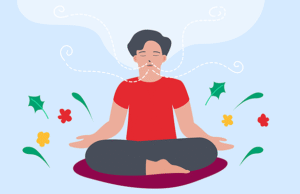
End your day with one deep-breath cycle: inhale for 4 counts, hold 4, exhale 6, hold 2. Repeat 3–5 times.
- Why it works: Deep breathing activates the parasympathetic nervous system, lowering cortisol and priming the body for restorative sleep.
- Stacking tip: Do this right after brushing teeth or while lying down in bed.
A single cycle is enough to create a transition from the stress of the day to restful intentionality, making sleep more restorative and mornings more energized.
🔗 Habit Stacking Tips
The key to micro-habit success is anchoring new practices to existing routines. Examples:
- Coffee → gratitude journaling
- Commute → mindful breathing
- Hand-washing → 30-second stretch
- Bedtime → deep-breath cycle
By piggybacking on habits you already do automatically, you reduce friction, increase consistency, and compound benefits without needing extra time.
🌟 Why Micro-Habits Matter
Five minutes may seem trivial, but small, consistent actions compound like interest in your life:
- Boost energy and clarity
- Reduce stress and cortisol spikes
- Improve emotional resilience
- Strengthen focus and intentionality
Over weeks, these micro-practices create a foundation of calm, focus, and purpose, making it easier to adopt larger slow-living habits without resistance.
✅ Takeaway
Slow living isn’t about overhauling your schedule overnight. It’s about stacking tiny, intentional habits—five minutes here, five minutes there—that build momentum and compound into meaningful change.
Start small, anchor to existing routines, and watch your clarity, calm, and focus grow effortlessly. Five minutes a day may not seem like much—but over time, it becomes transformative.
🌌 Visualization & Future Pacing Exercises
Visualization isn’t woo-woo fluff—it’s neuroscience in action. Elite athletes, entrepreneurs, and even military strategists use it because the brain struggles to distinguish between vividly imagined experiences and reality. When you practice mental imagery, you prime neural circuits, making future actions easier and more natural.
Applied to slow living, visualization helps you rehearse calmness, presence, and intentionality, so when real life tests you, your mind already knows how to respond.
🧘 Future Self Meditation
Close your eyes and picture a calmer, more intentional version of yourself—your “slow self.”
- Where are you living? Is the space uncluttered, bathed in natural light?
- How do you move through your day? Steady, present, grounded?
- What’s different about your relationships, work, health?
Spend 5–10 minutes inhabiting this version of you. Feel the pace of your breathing, the lightness in your body, the freedom of not being rushed.
💡 Why it works: Future self visualization activates the default mode network (DMN), linking present choices to long-term identity. Studies show that when you emotionally connect with your future self, you make better, healthier decisions today.
📖 “Perfect Slow Day” Script
Instead of vague intentions, script your ideal 24 hours as if it’s already happening:
- Wake up without an alarm, stretch, drink tea slowly.
- Work in deep, focused sprints without distraction.
- Eat lunch without rushing, maybe outdoors.
- Walk at sunset, connect with family or friends without phones.
- Read or reflect before bed, sleeping peacefully.
Write it in the present tense: “I wake up feeling rested. I savor my breakfast. My day flows with calm focus.”
💡 Why it works: This anchors your subconscious to what “slow success” feels like, creating a blueprint your habits naturally start aligning with.
🔮 Future Pacing: Ripple Effect
Ask yourself: If I practiced slow living for 1 year, how would my life look different?
- Relationships: More present conversations, less digital distraction, deeper intimacy.
- Work: Higher focus, fewer mistakes, creative breakthroughs from mental spaciousness.
- Health: Lower cortisol, better sleep, stronger immunity, more energy.
The key is to project forward with specificity. For example:
- Instead of “I’ll be healthier,” say, “I’ll wake up clear-headed without hitting snooze five times.”
- Instead of “My relationships will improve,” say, “My partner will feel I’m listening fully, without checking my phone mid-conversation.”
This “time travel” makes benefits concrete and motivates change.
💡 Pro Tip: Revisit Monthly
Your vision isn’t static—it evolves as you grow. Each month, take 10 minutes to:
- Re-read your “Perfect Slow Day.”
- Update details that no longer resonate.
- Add new elements inspired by your progress.
Over time, this becomes a living document of your intentional journey, showing how small tweaks compound into a transformed lifestyle.
✅ Takeaway
Visualization and future pacing aren’t about fantasy—they’re about training your brain to embrace slowness as a natural state. By practicing the imagery of calm, scripting your perfect slow day, and projecting forward into the ripple effects of change, you create an internal compass that makes living slowly not just an idea, but an embodied reality.
Your future self is already waiting—slower, calmer, clearer. The question is: are you ready to meet them?
🎯 Micro-Challenges for the Week
The best way to bring slow living from theory into your bloodstream is through practice. These 7 micro-challenges are intentionally short, simple, and doable—each one designed to interrupt autopilot and replace it with presence. Try them one day at a time, or repeat them weekly until they feel natural.
- Day 1: No Rushing Morning → Wake Up 15 Minutes Earlier
Instead of rolling out of bed straight into chaos, buy yourself a pocket of calm. Even 15 extra minutes creates space for a gentler start. You’ll notice your nervous system isn’t in fight-or-flight before you’ve even brushed your teeth. - Day 2: Journal for 5 Minutes
Put pen to paper and brain-dump whatever’s crowding your head. Science shows expressive writing reduces stress and improves focus by literally clearing mental clutter. Think of it as emotional spring cleaning. - Day 3: Gratitude List at Night
Before bed, jot down 3 things you’re grateful for. This simple act boosts dopamine and serotonin, priming your brain for more positive perception the next day. Gratitude isn’t just fluffy—it’s neurochemistry at work. - Day 4: Walk Slowly for 10 Minutes, No Phone
A mindful walk resets your brain like a soft reboot. Pay attention to your steps, your breath, the sounds around you. It’s not about steps or calories—it’s about reclaiming rhythm. - Day 5: Send One “Thank You” Text
Choose a friend, colleague, or family member and send a quick appreciation. Research on social connection shows gratitude expressed strengthens bonds and boosts well-being—for both sender and receiver. - Day 6: Take 3 Deep Breaths Before Meals
Pause, inhale, exhale. These few seconds activate your parasympathetic nervous system, improving digestion and shifting you into rest-and-digest mode instead of eat-and-scroll autopilot. - Day 7: Script Your “Perfect Slow Day”
Write out your ideal 24 hours without rush. Imagine waking gently, savoring meals, working with focus, resting fully. This isn’t fantasy—it’s future pacing. Your brain starts aligning small daily choices with that bigger vision.
👉 By the end of the week, you’ll have practiced presence in mornings, meals, movement, relationships, and even your imagination. That’s the heart of slow living—not massive lifestyle overhauls, but tiny intentional shifts that ripple outward.
5. Home & Environment: Your Sanctuary 🏡🌿☕

🧹 Decluttering Principles: Minimalism Meets Slow Living
Imagine walking into a room where every surface is covered—papers, clothes, half-drunk coffee mugs, tangled chargers, receipts from three years ago. Now imagine stepping into a space with only what you love and need—sunlight, a clean desk, a favorite book, maybe a plant. Which room makes your chest tighten? Which one makes your shoulders drop?
This is the psychology of space in action. Clutter is not just “stuff”—it’s a silent stressor. And slow living isn’t about stripping your life down to bare walls and one chair; it’s about creating intentional space so that what remains carries meaning. That’s where minimalism and slow living intersect.
Minimalism clears the noise. Slow living fills the quiet with depth.
🧠 The Psychology of Clutter
Science is crystal clear: clutter taxes your brain.
- Cortisol spikes: Studies from UCLA’s Center on Everyday Lives of Families found that women living in cluttered homes had higher levels of cortisol, the body’s primary stress hormone. Mess doesn’t just look bad—it makes you physiologically anxious.
- Decision fatigue: Every item in sight is a micro-question: “Do I need this? Should I move it? Why is it here?” Multiply that by hundreds, and your mental energy drains before you’ve even started work.
- Attention hijack: Neuroscience research shows that visual clutter competes for your brain’s attention, decreasing focus and productivity. A messy desk is like 37 open tabs on your computer—it slows you down.
On the flip side, an ordered environment signals calm. Think about why spas, meditation rooms, or even Apple stores feel soothing: space is curated, not crammed.
✨ The Declutter Mantra
When deciding what to keep, here’s the golden line:
👉 “If it doesn’t serve or spark joy, it’s rent-free stress.”
Ask yourself:
- Does this object have a purpose? (Serve)
- Does this object bring me happiness, comfort, or inspiration? (Spark joy)
If the answer is “no” to both, then it’s clutter—no matter how expensive, sentimental, or “someday useful” it might seem.
Letting go isn’t loss—it’s liberation. You’re not throwing memories away; you’re choosing not to drown in them.
🔄 Micro-Rules to Simplify Decluttering
Decluttering can feel overwhelming if you imagine emptying your entire closet or garage in one go. But slow living is about micro-steps with macro impact. These rules make it sustainable:
- One In, One Out Rule
Every time you bring in something new—a shirt, a gadget, a book—you commit to letting one existing item go. This prevents accumulation creep. - The 5-Minute Declutter
Instead of marathon sessions, set a timer for five minutes daily. Clear one drawer, one shelf, one corner. Over a month, this adds up. - The Box Test
Unsure about an item? Put it in a box, label it with today’s date, and store it. If you don’t open that box in 6 months, donate it. - Surface Reset Rule
At the end of each day, reset just one surface—your desk, your dining table, or your nightstand. This small ritual signals closure and creates visible calm. - Category Decluttering
Instead of moving room by room, go by category: books, clothes, kitchen gadgets, digital files. This avoids endless shuffling and creates completion.
🪞 Minimalism vs Slow Living: The Sweet Spot
It’s tempting to treat minimalism like a numbers game: “I only own 30 items!” But minimalism without meaning risks becoming sterile. Slow living balances it out.
- Minimalism: Cuts excess.
- Slow Living: Chooses what matters.
Example: A minimalist might keep one plain mug. A slow-living minimalist might keep one favorite chipped mug because it tells a story and makes tea feel like ritual.
The result isn’t emptiness. It’s presence. You walk into your space and everything you see either supports your life or uplifts your spirit. Nothing drains you.
📦 Case Study: The Closet Transformation
Let’s take something relatable: the overflowing closet.
- Before: You open the door and 10 shirts fall on your head. You spend 15 minutes picking an outfit, then still feel dissatisfied. Decision fatigue starts your day.
- Decluttering: You remove clothes that don’t fit, aren’t worn, or don’t make you feel good.
- After: You’re left with 20 pieces you actually love and wear. Getting dressed takes 2 minutes. You feel confident.
This isn’t just aesthetics—it’s time, energy, and self-esteem reclaimed.
🖥️ Don’t Forget Digital Clutter
Slow living isn’t just about your physical home. Digital spaces matter too.
- Inbox Zero Lite: Don’t obsess over “0 emails,” but archive or delete anything older than 6 months.
- Phone Screen Audit: Remove apps you don’t use, group essential ones, and keep your home screen clean.
- Social Media Declutter: Unfollow accounts that drain, irritate, or pressure you. Curate your feed so it inspires instead of overwhelms.
- Digital Sabbath: One day a week, log out. Notice how much mental space opens when you’re not bombarded with pings.
🌱 Decluttering as a Lifestyle, Not a Chore
Here’s the shift: Decluttering isn’t a one-time purge; it’s a continuous filter.
Instead of thinking, “I need to clean everything,” think, “What can I release today that no longer serves me?” Over time, this rewires your relationship with stuff. You stop accumulating unconsciously and start choosing intentionally.
Decluttering becomes less about loss and more about curation—like tending a garden. You prune not to punish the plant, but to help it thrive.
✅ Takeaway
Minimalism and slow living are not about deprivation—they’re about freedom. Freedom from visual noise. Freedom from stress. Freedom from the silent weight of things you don’t even notice anymore.
- Minimalism clears space.
- Slow living ensures what remains has meaning.
Start small: one drawer, one shelf, one habit. Repeat daily. Within weeks, your environment will feel lighter. Within months, so will you.
Because every item you let go of isn’t just clutter—it’s one less thread tying you to stress. And every object you keep intentionally is a reminder that your space, and your life, belong to you.
🌸 Creating “Slow Zones”

Slow living isn’t about escaping life; it’s about reshaping life so you can breathe inside it. One of the simplest, most tangible ways to invite slowness into your everyday rhythm is to create “slow zones”—physical spaces that act as anchors for calm.
Think of them as mini-oases inside your home, each designed for a specific mood: reflection, focus, rest, nourishment. You don’t need a giant house, expensive furniture, or Pinterest-perfect setups. You just need intention.
🪞 Why “Slow Zones” Work
Environments cue behavior.
- Walk into a gym → your body prepares to move.
- Sit in a library → your brain automatically whispers, “Be quiet.”
- Open Netflix → your dopamine circuits say, “Binge incoming.”
This is called context-dependent behavior. By shaping your environment, you shape your habits without brute-force willpower.
Slow zones leverage this psychology: by creating dedicated spaces for calm, your mind begins to associate those corners with rest, reflection, or presence. Step into the zone, and your body naturally slows down.
📚 The Reading Nook
- Core Ingredients: A comfy chair, warm lighting, and zero screens.
- Why It Works: Reading shifts your brainwaves into a relaxed alpha state, lowering stress and improving focus. When paired with a specific spot, your brain learns: This is where deep focus happens.
- Pro Tip:
- Use a lamp with warm bulbs (2,700K–3,000K) instead of harsh white light.
- Keep a small basket beside the chair with only 2–3 books you’re excited about—too many choices = distraction.
- Place your phone in another room while reading.
Think of this nook as your time machine: it transports you out of the noise and into a narrative or idea.
🧘 Meditation Corner
- Core Ingredients: A mat, a cushion, a candle, and one plant.
- Why It Works: The act of carving out a physical corner for stillness signals your nervous system: this is where we pause. Research shows even 10 minutes of daily meditation lowers blood pressure, reduces anxiety, and strengthens prefrontal cortex function.
- Pro Tip:
- Keep the space visually minimal. Clutter in your meditation zone = clutter in your mind.
- Anchor it with a ritual: light the same candle or incense each time. The scent itself becomes a cue for calm.
- Don’t aim for perfection—this isn’t a yoga studio photoshoot. A small mat by your window works just as well.
Your meditation corner is a charging dock for your mind. Step in, plug in, recharge.
🌿 Plant Therapy Corners
- Core Ingredients: Greenery, natural light, maybe a small water feature.
- Why It Works: Plants aren’t decor; they’re therapy. NASA research shows plants increase oxygen and reduce pollutants indoors. Psychologically, green spaces reduce anxiety and restore attention after mental fatigue.
- Pro Tip:
- If you’re a beginner, start with low-maintenance plants: snake plant, pothos, or peace lily.
- Place plants where you naturally pause—beside your work desk, in your kitchen, near your bed.
- Engage in micro-care: mist leaves, trim dead stems, or repot slowly on weekends. This act itself becomes a ritual of mindfulness.
Your plant zone isn’t just about aesthetics—it’s about bringing nature inside your daily rhythm.
🍳 The Slow Kitchen
- Core Ingredients: Tidy counters, intentional tools, and fewer—but better—items.
- Why It Works: Cooking is one of the most sensory-rich activities humans do. When your kitchen is chaotic, it feels like a rushed chore. When it’s simplified, it becomes a form of therapy.
- Pro Tip:
- Declutter gadgets. Do you need 12 one-purpose tools, or will one cast iron skillet and a good knife cover 80% of your cooking?
- Clear counters. A clean prep surface lowers stress and invites creativity.
- Slow rituals: grind your coffee beans by hand, chop vegetables with attention, plate your food with care.
A slow kitchen isn’t just functional—it transforms eating from survival into a daily celebration of nourishment.
🕯️ Micro Slow Zones (For Small Spaces)
Not everyone has room for multiple dedicated corners. That’s okay—slow zones can be portable or symbolic:
- A single candle on your desk → light it when shifting from work to reflection.
- A blanket + cushion → roll them out anywhere as an instant meditation nook.
- A travel mug ritual → the act of slowly making tea becomes its own “zone.”
- Headphones with a calming playlist → auditory space in a noisy environment.
The magic isn’t in square footage. It’s in intention + consistency.
⚖️ Balancing Energy: Yin & Yang Zones
Consider creating both yin zones (rest, calm, softness) and yang zones (focus, energy, movement). For example:
- Yin: meditation corner, reading nook.
- Yang: a standing desk setup, a workout mat in the corner.
This duality ensures your home supports both recovery and momentum.
🔄 Rituals to Anchor Your Slow Zones
A space becomes a slow zone only when it’s paired with ritual. Some simple anchors:
- Reading nook → brew tea before you sit.
- Meditation corner → light the same candle each time.
- Plant corner → water plants every Sunday morning.
- Kitchen → play calm music while cooking dinner.
Consistency transforms spaces into sanctuaries of habit.
✅ Takeaway
Slow zones are less about design and more about signal and association. They tell your mind: Here, we slow down. Here, we breathe differently.
- Reading nook = mental escape.
- Meditation corner = inner recharge.
- Plant therapy = nature’s hug indoors.
- Slow kitchen = nourishment with intention.
You don’t need more space—you just need more presence. Even one cushion, one candle, one plant can become your sanctuary.
Because when your environment whispers calm, your mind doesn’t have to shout for it.
⏳ Rituals for Everyday Slowness
Slowing down isn’t about pausing your life—it’s about designing it intentionally. Rituals are the bridge between theory and practice. They turn abstract ideas like “be present” into actionable, repeatable habits. The magic lies not in complexity, but in consistency and mindfulness.
Even small rituals, done daily, compound over time. Think of them as tiny nudges that train your nervous system to move from constant urgency to intentional calm.
🌅 Slow Mornings

The first hour of your day sets the tone for everything that follows. A slow morning doesn’t mean extra sleep or skipping responsibilities—it means starting on your terms.
Core Practices:
- No phones until after tea or coffee: Research shows that reaching for your phone immediately upon waking spikes stress and fragments attention. Waiting 30–60 minutes allows cortisol levels to normalize and gives your brain a natural, gentle activation.
- Gentle activation: Pair this with light stretching, a mindful shower, or a short walk to wake your body and senses.
Why It Works:
Cortisol peaks naturally 30–45 minutes after waking. Jumping straight into notifications or emails hijacks this peak, sending stress signals before you’ve even had a conscious thought. By creating a phone-free buffer, you protect mental bandwidth and begin your day with calm agency.
Pro Tip: Keep a cup of tea or coffee by your bedside or in the kitchen. Let the ritual of brewing or pouring become your anchor moment before diving into the digital world.
🍽️ Mindful Meals
Eating is one of the most sensory-rich activities in life—and yet, for many, it’s reduced to autopilot: shovel food, scroll phone, chew mindlessly. Slow living transforms meals into moments of presence and nourishment.
Core Practices:
- Chew slowly: Research shows proper chewing improves digestion and satiety. Focusing on texture and flavor also activates the prefrontal cortex, enhancing mindfulness.
- No rushing through lunch: Give yourself at least 15–20 minutes. Even short pauses allow digestion and signal to your brain that you’re taking a break.
Why It Works:
Mindful eating reduces stress-related overeating, improves nutrient absorption, and strengthens the mind-body connection. Each bite becomes an act of awareness, not a placeholder between tasks.
Pro Tip: Set a timer for your lunch break. Put your phone in another room. Try naming three flavors in each bite—your brain will engage more fully, and you’ll notice subtle tastes that often go unnoticed.
☕ Coffee & Tea Breaks
Caffeine can be a tool for alertness—but when consumed mindlessly, it becomes just another stimulant that propels you further into urgency. Slow living transforms these moments into mini mindfulness sessions.
Core Practices:
- Savor aroma and taste: Take 10 deliberate sips. Notice warmth, aroma, flavor, and texture.
- Pause before the first sip: Engage your senses first—smell the coffee or tea, feel the cup in your hand, observe the steam.
Why It Works:
This practice signals your nervous system to slow down. Neuroscience research on sensory awareness shows that focusing attention on taste, smell, and touch increases activity in the insula, a brain region linked to interoception and body awareness. Even 5–10 minutes of this conscious pause reduces stress and improves cognitive clarity.
Pro Tip: Combine your coffee break with a brief gratitude thought: “I appreciate this warm drink, this moment of calm, this pause.” Two habits in one.
🌙 Evening Wind-Down
How you end your day is just as important as how you start it. A slow evening primes your nervous system for restorative sleep and mental clarity the next morning.
Core Practices:
- Dim the lights: Reduce blue light exposure at least 60–90 minutes before bed to support melatonin production.
- Read one chapter: Pick a book that inspires calm or curiosity, not anxiety or overstimulation. Reading shifts your brainwaves into alpha and theta states, perfect for winding down.
- Gratitude list: Write 3 things that went well, 1 lesson learned, or 1 intention for tomorrow. Research consistently links gratitude journaling to lower cortisol, improved mood, and better sleep quality.
Why It Works:
Rituals create cues for your nervous system. Your brain begins to associate dim light, a book, and journaling with transition from doing to being. Over time, you’ll notice falling asleep faster, sleeping more deeply, and waking more refreshed.
Pro Tip: Keep a bedside notebook and pen ready—no phone. The act of physically writing triggers a stronger emotional and cognitive imprint than typing.
🔄 Ritual Stacking for Maximum Impact
Slow living rituals compound best when stacked onto existing habits:
- Wake up → drink water → gaze out the window → savor your tea.
- Lunch → chew mindfully → take three deep breaths → brief gratitude reflection.
- Coffee break → smell, sip, reflect → 30-second mindful stretch.
- Evening → dim lights → read → journal → deep-breathing cycle → bed.
Notice how tiny anchors, paired with intention, turn ordinary moments into ritualized presence.
🏆 The Science of Tiny Rituals
Small rituals produce neurochemical feedback loops:
- Dopamine: Reward for completing small, intentional tasks.
- Serotonin: Mood stabilization from mindfulness and gratitude.
- Cortisol: Reduced by slowing down and creating predictable, calming routines.
- Neural connectivity: Repeated intentional practices strengthen prefrontal cortex pathways, improving decision-making, focus, and emotional regulation.
Even 5–15 minutes of deliberate practice can create measurable benefits, proving that slow living doesn’t require hours—it requires attention.
✅ Takeaway
Everyday slowness isn’t about overhauling your life overnight. It’s about embedding intention into routine:
- Slow mornings → reclaim mental bandwidth before the day begins.
- Mindful meals → nourish both body and mind.
- Coffee breaks → pause and savor, even briefly.
- Evening wind-down → prime your nervous system for restorative sleep.
The goal isn’t perfection. It’s habitual presence, small ritual by small ritual, until slowness becomes your default rhythm.
Because life isn’t just meant to be survived—it’s meant to be experienced, savored, and carried forward with clarity and calm.
🎭 Your Home Should Whisper, Not Scream

Your home is more than a place to sleep. It’s the background music of your life, the stage on which your daily routines, moods, and energy unfold. And yet, most homes are screaming at us. Cluttered counters, overflowing closets, mismatched décor, notifications pinging in every corner—it’s sensory chaos in three dimensions.
Slow living invites us to ask a simple question: Does my home whisper calm, or scream distraction?
🔊 Loud = Chaos
Let’s be honest—our homes can get loud in ways that aren’t just auditory. Visual, tactile, and even olfactory inputs bombard us constantly:
- Visual noise: Cluttered counters, piles of papers, random objects scattered across every surface. Your brain literally processes every item in your visual field. Psychologists call this attentional residue—each object competes for your mental energy, increasing cognitive load.
- Auditory noise: TVs left on, appliances humming, notifications pinging. Even low-level background noise triggers subtle stress responses. Studies show chronic exposure to such stimuli elevates cortisol and reduces focus.
- Tactile noise: Overstuffed drawers, uncomfortable furniture, or chaotic layouts lead to subtle tension in your body, which your brain interprets as ongoing stress.
A “loud” home screams: Do something! Attend to me! Solve me! And you, the inhabitant, end up running on someone else’s script.
🌬️ Whisper = Calm
Contrast that with a home that whispers. Every object, surface, and light source signals: It’s okay. Slow down. Breathe.
Characteristics of a whispering home:
- Soft lighting: Warm, adjustable light so you control intensity and mood. Natural light where possible; lamps instead of harsh overheads.
- Breathable space: Minimal clutter on counters and floors. Clear sightlines create a sense of expansiveness, tricking the brain into feeling open and untrapped.
- Meaningful items only: Every object sparks joy, serves a purpose, or anchors calm. A favorite mug, a small plant, or a meaningful photo becomes a cue for presence instead of distraction.
- Sonic simplicity: Calm playlists, quiet hums, or silence instead of constant media streams. The home’s soundscape becomes restorative.
🎵 Metaphor: Home as Spotify
Imagine your home as Spotify.
- Chaotic shuffle mode: Every surface, every corner, every device plays a different song at the same time. The result? Noise, unpredictability, stress. You feel drained before the day even starts.
- Curated playlist: Each zone has intentional cues—soft instrumental in the kitchen, quiet in reading corners, a gentle alarm for mornings. You move from track to track naturally, and the transitions feel intentional.
When your home whispers, your nervous system relaxes. Dopamine doesn’t spike from chaos; serotonin stabilizes from predictable, gentle cues. Even small adjustments—lighting a candle, clearing a countertop, turning off notifications—act like hitting “repeat” on calm.
🏡 Practical Steps to Make Your Home Whisper
- Declutter in 5-Minute Micro-Sessions:
- Don’t overhaul your entire home in a day. Focus on one drawer, one shelf, or one counter. Ask: Does this spark calm or chaos?
- Lighting Tweaks:
- Swap harsh overhead lights for warm-toned lamps.
- Use dimmers where possible—adjust intensity to activity.
- Create Micro-Sanctuaries:
- A chair with a soft throw becomes a reading nook.
- A corner with a mat and candle becomes a meditation spot.
- These zones whisper presence every time you step in.
- Sound Management:
- Replace mindless background noise with intentional playlists.
- Silence can be a tool—don’t feel compelled to fill every second with sound.
- Curate Objects for Meaning:
- Keep only items that serve a purpose or inspire calm.
- Let go of items that are cluttering both space and mind.
🌱 Psychological Impact
A whispering home reduces cognitive load, the invisible tax of mental energy spent processing stimuli. Fewer distractions → less decision fatigue → more mental bandwidth for creativity, focus, and joy.
Studies show environments with clear visual lines, intentional objects, and soft lighting lower stress hormones and improve sleep quality. Your home literally shapes your nervous system. It whispers to your brain: You are safe. You are grounded. You can slow down.
💡 Quick Wins
- Clear one high-traffic surface tonight. Let it remain uncluttered for the week.
- Dim your main living area lights 30 minutes before dinner.
- Place one plant or candle in your kitchen or workspace as a calm anchor.
- Set devices to “Do Not Disturb” in the morning and evening.
Even these small interventions dramatically shift the felt experience of your home.
✅ Takeaway
Your home is a silent partner in your mental health and productivity. If it screams, it steals attention, energy, and calm. If it whispers, it restores, focuses, and gently nudges you toward presence.
Think of slow living not just as a set of habits—it’s a lifestyle ecosystem. The spaces you inhabit, the objects you touch, and the light you see all contribute to your internal state. When you curate them with intention, life becomes less chaotic, more enjoyable, and more aligned with your best self.
Your home should whisper. Not scream. And when it does, every ritual, every moment of mindfulness, every slow sip of tea feels amplified.
📊 Slow Living Tips by Room
Your home isn’t just a backdrop—it’s a co-author of your daily life. Every room, object, and corner sends subtle signals to your brain: stress, calm, urgency, or presence. Slow living invites you to curate your environment intentionally, so each space whispers instead of screaming. Below, we break down practical, science-backed slow living tips for each room in your home.
🛏️ Bedroom: No Tech Zone
Your bedroom should signal rest, restoration, and calm, not urgency.
- Tip: Create a strict “no tech” policy in the bedroom. Replace your phone alarm with a sunrise simulator clock.
- Why it works: Phones emit blue light and stimulate dopamine through notifications. Studies show even brief pre-sleep scrolling increases cortisol and delays melatonin production, reducing sleep quality.
- Practical Setup: Soft cotton sheets, dimmable lamps, blackout curtains. Keep only essentials—books, water, and the alarm.
Micro Ritual: Spend 5 minutes before bed journaling or doing gentle stretches. This primes your nervous system for sleep and creates a buffer between daily chaos and restorative rest.
🛋️ Living Room: Anchor Space with Plants
The living room often becomes a catch-all for clutter. Slow living encourages it to anchor calm and presence.
- Tip: Introduce a living anchor—plants are perfect. Place a fiddle-leaf fig or small indoor garden near your reading chair.
- Why it works: Biophilic design research shows exposure to greenery reduces stress, lowers heart rate, and improves attention. Visual cues of life in your living space help your brain shift into a relaxed mode.
- Practical Setup: Soft rugs, comfortable seating, natural textures, minimal décor. Keep surfaces clean to allow the plant and space to “breathe.”
Micro Ritual: Spend 5–10 minutes each day tending to your plants. Water, prune, or simply observe them. These small acts reinforce presence and mindful engagement with your environment.
🍳 Kitchen: Simplify Cooking Tools
The kitchen is a hub of energy, nourishment, and habit formation. Slow living teaches quality over quantity.
- Tip: Keep only essential tools—cast iron skillet, wooden spoons, three sharp knives, and a few high-quality pots.
- Why it works: Minimalism in the kitchen reduces decision fatigue and prevents overwhelm. Your brain spends less energy navigating clutter, freeing bandwidth for creativity and mindful cooking.
- Practical Setup: Declutter counters, use mason jars for staples, label everything. Keep frequently used items at eye level; hide rarely used gadgets.
Micro Ritual: Prepare one meal mindfully per day. Focus on chopping, smelling, tasting each ingredient. Transform cooking from a rush-task into a slow, sensory-rich ritual.
🛁 Bathroom: Spa Moments
Bathrooms are more than utilitarian—they’re sanctuaries for daily self-care.
- Tip: Introduce micro-spa moments. Epsom salt soaks, eucalyptus shower bundles, or scented candles make bathing intentional.
- Why it works: Slow, deliberate personal care routines reduce cortisol and signal the brain that this is a safe, restorative space. Sensory elements like aroma, warmth, and touch enhance relaxation.
- Practical Setup: Natural bath salts, candles, soft towels, plants, and a shower diffuser with calming scents.
Micro Ritual: Dedicate 10–15 minutes to a “ritual shower” or soak. Focus on sensations—the warmth of water, scent of eucalyptus, softness of towels. Use this time to reset your mental state.
🖥️ Workspace: Digital Detox Zone
Your workspace directly impacts focus and productivity. Slow living emphasizes intentional interaction with technology.
- Tip: Create a “one-task desk” setup. Turn off notifications, keep surfaces tidy, and introduce calming anchors like a small desk plant or an analog clock.
- Why it works: Multitasking increases cognitive load, decision fatigue, and stress hormones. A curated workspace improves sustained attention and reduces mental clutter.
- Practical Setup: Minimalist desk, ergonomic chair, natural light if possible. Remove unnecessary items and digital distractions.
Micro Ritual: Begin work with a 2-minute “workspace scan”: clear clutter, stretch, breathe deeply. Signal your brain that it’s time for focused, calm productivity.
🌿 Outdoor Space: Micro-Retreat
Even a small balcony or patio can become a mental escape hatch. Slow living transforms outdoor areas into restorative zones.
- Tip: Create a micro-retreat: a chair plus 2–3 plants, perhaps a small table for tea or reading. Add fairy lights or a hammock if space allows.
- Why it works: Exposure to nature reduces stress, improves mood, and enhances creativity. Small outdoor sanctuaries function as daily resets, even for 10–15 minutes.
- Practical Setup: Comfortable seating, greenery, weather-appropriate coverings. Keep it tidy and visually appealing.
Micro Ritual: Start or end your day with a 10-minute outdoor pause. Observe plants, breathe slowly, listen to ambient sounds, or enjoy tea mindfully.
🔄 Integrating Slow Living Across Rooms
The key is consistency and intentionality. Each room should support your nervous system, not compete for attention.
- Morning → Bedroom + Kitchen: Wake without screens, enjoy mindful breakfast.
- Midday → Workspace + Living Room: Focus on one task, integrate plant/anchor moments.
- Evening → Bathroom + Outdoor Space: Wind down, practice sensory rituals, reflect on the day.
Stacking micro-rituals across rooms compounds calm, reduces stress, and enhances clarity.
✅ Takeaway
Your home can either scream chaos or whisper calm. Small environmental tweaks—light, plants, decluttered surfaces, sensory anchors—signal your brain to slow down and be present.
By curating each room intentionally:
- Bedroom: Rest and recharge without tech distractions.
- Living Room: Anchor calm with plants and soft textures.
- Kitchen: Cook mindfully with essential tools.
- Bathroom: Turn daily hygiene into restorative rituals.
- Workspace: Focus on one task, digital distractions minimized.
- Outdoor Space: Step into micro-retreats that reset energy.
Slow living isn’t just about habits—it’s about crafting a home ecosystem that supports your best self. When your environment whispers, every ritual becomes easier, every moment more present, and every day more aligned with your intentions.
🏠 Case Studies: Homes Transformed by Simple Tweaks
Slow living is not about overhauling your entire life overnight. It’s about small, intentional adjustments that ripple outward, transforming mood, focus, and daily energy. Let’s explore four real-world archetypes—busy parent, overworked professional, creative, and digital hoarder—and see how minor environmental tweaks revolutionized their daily experience.
👶 The Busy Parent: Toy Rotation System
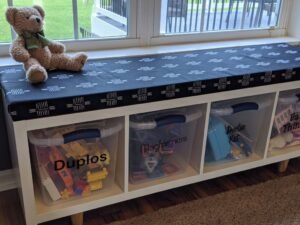
Problem: Toys scattered across the living room, bedroom, and hallway. Constant clutter led to overstimulation—for both parent and child—and nightly meltdowns.
Tweak: Implemented a toy rotation system. Only a curated set of toys is out at any given time. The rest are stored and swapped weekly.
Results:
- Immediate visual relief: uncluttered floors reduced parental stress.
- Children engaged more deeply with available toys, sparking creativity and focus.
- Evening routines became calmer—bedtime meltdowns decreased, and parents reported better sleep quality.
Science Behind It:
- Cognitive load theory: Fewer visual stimuli reduce mental effort.
- Choice overload research: Limiting options improves decision-making and satisfaction.
Key Takeaway: Strategic environmental control—even as simple as rotating toys—reduces stress and improves the quality of family interactions.
💼 The Overworked Professional: From TV to Reading Nook

Problem: Endless screen time in the living room after work. TV on autopilot created mental fatigue instead of relaxation.
Tweak: Replaced the TV with a curated reading nook—a cozy chair, warm lamp, a small bookshelf, and a plant.
Results:
- Nights became slower and restorative, allowing for genuine decompression.
- Focus improved the next morning—executive function and decision-making sharpened.
- Emotional wellbeing increased; the professional reported lower stress levels and fewer work ruminations.
Science Behind It:
- Passive screen consumption triggers dopamine spikes without meaningful reward, leading to mental exhaustion.
- Reading and intentional environments promote parasympathetic activation, lowering heart rate and cortisol.
Key Takeaway: Small shifts in purpose-driven spaces—switching from passive to active engagement—can dramatically improve rest and focus.
🎨 The Creative: Decluttered Studio with Plants
Problem: The creative’s studio was a chaotic mix of unfinished projects, scattered supplies, and dim lighting. Stress blocked inspiration and flow.
Tweak:
- Decluttered work surfaces to keep only active projects.
- Added plants and natural light.
- Designated zones for inspiration, creation, and storage.
Results:
- Creativity and output increased—artists reported producing more completed works per week.
- Stress and overwhelm reduced; the studio felt like a sanctuary rather than a task list.
- Mindfulness naturally integrated; working hours became more present-focused.
Science Behind It:
- Biophilic design (plants and natural elements) enhances mood and cognitive function.
- Cluttered environments trigger attentional residue, reducing working memory capacity.
Key Takeaway: Thoughtful spatial design enables creative flow and reduces psychological friction, transforming a studio into a productivity incubator.
📧 The Digital Hoarder: Paperless Setup & Inbox Zero
Problem: Endless emails, paper piles, and digital clutter created constant mental noise. The individual felt overwhelmed and reactive instead of proactive.
Tweak:
- Adopted a paperless system: scanned essential documents, organized digital folders.
- Introduced an inbox zero habit: 10–15 minutes of email triage twice daily.
- Minimalist desktop setup—only essential software and files visible.
Results:
- Reduced decision fatigue; fewer distractions meant better focus on high-priority tasks.
- Enhanced sense of control and calm—digital environment reflected intentionality.
- Productivity increased without increasing work hours; tasks were completed more efficiently.
Science Behind It:
- Digital clutter overloads working memory and executive function, increasing stress.
- Minimalist digital environments improve attentional control, decision-making, and emotional regulation.
Key Takeaway: Intentional management of digital and physical inputs reduces overwhelm, boosts efficiency, and fosters presence.
🔄 Lessons Across Case Studies
Across all four examples, certain patterns emerge:
- Less is more: Reducing clutter, whether physical or digital, frees cognitive bandwidth.
- Purposeful zones: Spaces dedicated to specific activities—reading, creating, resting—signal the brain for intentional behavior.
- Micro rituals: Even 5–10 minutes of mindful interaction with your environment compounds benefits over time.
- Sensory anchors: Plants, lighting, textures, and scents serve as calming cues, reinforcing the slow living mindset.
Even minor tweaks—rotating toys, switching a TV for a reading corner, decluttering a studio, organizing digital files—have outsized effects on stress, focus, and productivity.
🌟 Practical Tips to Apply Immediately
- Start small: Pick one room or one category (toys, desk, inbox) and make one intentional change this week.
- Anchor habits to space: Pair micro-rituals with environmental cues. For example, a tidy desk signals focus time; a plant on your kitchen counter signals mindful eating.
- Measure impact: Track stress levels, sleep quality, or productivity for a week. Notice subtle shifts—you’ll often be surprised at how powerful small changes are.
- Iterate: Once one area is optimized, move to another. Slowly, your entire home ecosystem supports calm, presence, and intentional living.
✅ Takeaway
These case studies show that slow living isn’t about extreme makeovers or radical minimalism. It’s about strategic, intentional tweaks—adjustments that whisper rather than scream.
- The busy parent found calm through toy rotation.
- The overworked professional reclaimed restful nights via a reading nook.
- The creative unlocked flow with decluttered, plant-filled spaces.
- The digital hoarder regained mental clarity through organized digital systems.
By applying slow living principles to your home environment, you don’t just change your space—you transform your daily experience, mindset, and energy.
Your home, curated intentionally, becomes a partner in your wellbeing—quietly guiding you toward presence, creativity, and calm. Small changes, repeated consistently, compound into profound life transformation.
🎯 Weekly Micro-Challenges: Transform Your Home and Mind
Slow living isn’t about dramatic overhauls. It’s about tiny, intentional actions that ripple through your day, influencing mood, focus, and energy. This 7-day micro-challenge is designed to help you experiment with small tweaks, one day at a time, so you can experience the calm, clarity, and presence of slow living firsthand.
Day 1: Declutter One Drawer
The Challenge: Choose a drawer—kitchen, desk, or bedroom—and declutter it. Keep only what you truly use or love.
Why it Matters: Clutter increases cortisol, taxes your attention, and subtly signals your brain that life is chaotic. Decluttering even a small space reduces cognitive load, creating micro-victories that motivate further action.
Pro Tip: Don’t overthink it. Focus on one drawer, one shelf, or one corner. The goal isn’t perfection—it’s practice in letting go.
Micro-Ritual: After decluttering, pause for 1–2 minutes and notice the relief. Observe how your brain feels a tiny bit lighter, your energy subtly lifted.
Day 2: Create One Slow Zone
The Challenge: Designate one corner of your home as a “slow zone”—a place meant for calm, reflection, or mindful activity.
Why it Matters: Slow zones prime the brain for presence. Environmental cues—plants, soft lighting, minimal clutter—signal your nervous system that this is a space for slowing down.
Pro Tip: A reading nook, meditation corner, or balcony sanctuary works perfectly. Add at least one anchor item: a plant, candle, or cozy cushion.
Micro-Ritual: Spend 5 minutes sitting there, observing the space, or simply breathing. Let your brain experience the contrast between intentional calm and everyday chaos.
Day 3: Eat One Meal in Silence
The Challenge: Choose one meal today—breakfast, lunch, or dinner—and eat it without screens, phones, or distractions.
Why it Matters: Mindful eating improves digestion, encourages gratitude, and enhances awareness of bodily cues. It slows the rhythm of your day, teaching the brain that not everything has to be rushed.
Pro Tip: Notice the textures, flavors, and aroma of each bite. Chew slowly, savoring each sensation. Even 10–15 minutes of full attention can retrain your brain to appreciate the present.
Micro-Ritual: Before taking the first bite, pause and silently acknowledge the effort behind the meal—cooks, ingredients, and your body receiving nourishment.
Day 4: Add One Plant to Your Space
The Challenge: Bring greenery into your environment—a small potted plant, herb, or succulent.
Why it Matters: Plants are nature-based anchors. Exposure to greenery reduces stress, boosts attention, and enhances mood. They remind the brain to slow down and notice life, even in busy environments.
Pro Tip: Place the plant where you’ll see it frequently—desk, nightstand, kitchen counter. Engage with it: water it, prune leaves, or simply observe its growth.
Micro-Ritual: Spend 2–3 minutes observing your plant’s details: color, texture, or the way light hits its leaves. This brief connection cultivates presence and calm.
Day 5: Replace Phone Alarm with Analog Clock
The Challenge: Swap your digital alarm for a simple analog clock.
Why it Matters: Digital alarms trigger instant dopamine hits—notifications, scrolling, emails—even before you’re fully conscious. Analog clocks encourage gentler waking, reducing stress first thing in the morning.
Pro Tip: Pair this with a small ritual: stretch, sip water, or open blinds immediately upon waking. Start the day intentional, not reactive.
Micro-Ritual: Take 3 deep breaths before touching any device. Notice your surroundings, the light, and the stillness—your first micro-moment of slow living.
Day 6: 10 Minutes Reading in a Cozy Nook
The Challenge: Dedicate 10 minutes to reading in a pre-selected slow zone or cozy nook.
Why it Matters: Focused reading trains attention, reduces stress, and stimulates the imagination. Unlike scrolling feeds, it engages the prefrontal cortex, enhancing cognitive control and deep thought.
Pro Tip: Choose a book that uplifts or educates—avoid work emails or notifications. Keep the nook inviting: soft light, comfortable seat, maybe a warm beverage.
Micro-Ritual: Read slowly. Pause occasionally to reflect on ideas or phrases that resonate. Let your brain linger on insights, deepening engagement.
Day 7: Light a Candle and Do Evening Gratitude
The Challenge: End the week by lighting a candle and listing 3 things you’re grateful for.
Why it Matters: Gratitude rewires the brain to notice positive experiences, boosting dopamine and serotonin. Pairing this practice with candlelight signals calm, reflection, and intentional closure to your day.
Pro Tip: Keep a small notebook by your bed. Light the candle, jot down gratitude items, and take 1–2 minutes to breathe and reflect.
Micro-Ritual: Watch the flame flicker as you reflect—let it anchor your mind in presence and slow living.
🔄 How These Micro-Challenges Work Together
Each challenge targets a different aspect of your environment, body, or mind, but together they compound into lasting effects:
- Decluttering + Slow Zone: Reduces visual noise, primes calm.
- Mindful Eating + Plant Addition: Enhances presence, sensory engagement, and connection to life.
- Analog Alarm + Reading Nook: Strengthens intentional start-of-day routines.
- Candle + Gratitude: Ends the day with reflection, reinforcing a positive mindset.
Even small, 5–15 minute practices can stack over a week, creating noticeable shifts in mood, focus, and energy. Science supports this: tiny, consistent habit changes compound neuroplasticity and stress resilience over time.
✅ Takeaway
You don’t need a massive home redesign or radical lifestyle overhaul to experience the benefits of slow living. A single drawer decluttered, one plant added, or one mindful meal can kickstart a ripple effect of calm, clarity, and presence.
The 7-day micro-challenge provides actionable steps to experiment, adapt, and experience slow living firsthand:
- Day 1 → Mental clarity through decluttering.
- Day 2 → Environmental anchor with slow zones.
- Day 3 → Mindful awareness through silent meals.
- Day 4 → Connection to life via greenery.
- Day 5 → Intentional mornings through analog alarms.
- Day 6 → Focused engagement with reading.
- Day 7 → Emotional reflection through gratitude rituals.
By the end of the week, you’ll notice subtle shifts: calmer mornings, more presence in your activities, and greater appreciation for daily life. Small, intentional actions compound—transforming your home, habits, and mindset toward slow living.
6. Work & Productivity: Slow but Super Effective 💼🌿⚡
🧠 Deep Work & Single-Tasking Strategies: Reclaim Your Focus
In a world of constant notifications, tabs, and to-do lists, multitasking is glorified—but it’s a myth. The human brain isn’t wired to split attention efficiently; it switches rapidly between tasks, consuming energy, reducing output, and increasing stress. Enter deep work and single-tasking, a slow-living approach to productivity that favors quality over quantity.
Why Multitasking Fails
Neuroscience is clear: every time your brain switches tasks, there’s a cognitive cost called “switching cost.” Even a few seconds of distraction—emails, Slack pings, or social media—can:
- Reduce working memory capacity
- Lower accuracy and attention to detail
- Increase mental fatigue
Example: Imagine writing a report while intermittently checking messages. Each interruption might take 30–60 seconds to recover from, but your mind often needs 3–5 minutes to regain full focus. Over the course of a day, these micro-lapses accumulate into hours of lost productivity.
Psychology Insight: Multitasking also triggers stress pathways. Cortisol rises subtly with repeated task-switching, leaving you mentally exhausted even if you “finished everything.” Slow living flips this pattern: instead of spreading attention thin, it trains intentional focus and presence.
Deep Work: The Art of Focused Blocks
Deep work is purposeful, uninterrupted, cognitively demanding work that pushes your skills to the limit. Author Cal Newport calls it the key to high-value output in modern knowledge work.
Guidelines for Deep Work:
- Block 60–120 minutes for a single project without distractions.
- Choose a slow zone or dedicated workspace.
- Inform others of “do not disturb” periods—signals external and internal boundaries.
Benefits:
- Higher output in less time
- Reduced stress because context-switching decreases
- Improved creativity as uninterrupted time allows for complex problem-solving
Pro Tip: Combine deep work with sensory cues—plants, soft lighting, or even a favorite mug—to condition your brain that this time is for intense focus. Over time, these cues prime productivity automatically.
Pomodoro + Slow Twist: Mindful Work Cycles
The Pomodoro technique (25 minutes work + 5-minute break) is widely used—but slow living tweaks it for sustained flow.
Suggested Slow-Living Adaptation:
- 50 minutes of focused work → enough to enter deep cognitive engagement
- 10 minutes of mindful pause → step away, breathe, hydrate, or observe your environment
Why It Works:
- Longer blocks allow real immersion, avoiding the constant start-stop of traditional Pomodoros.
- Mindful pauses prevent burnout, integrate reflection, and enhance creativity.
- Repeated cycles strengthen attentional muscles, much like training a body.
Micro-Ritual During Pause:
- Step outside for fresh air
- Stretch and notice sensations
- Brief journaling: “What progress did I make?”
- Observe your environment—plants, sunlight, textures—without judgment
These pauses aren’t wasted time; they compound the benefits of focused work, keeping your nervous system calm and engaged.
Single-Tasking Anchors
To make single-tasking automatic, anchor habits to environmental or behavioral cues:
- Physical anchor: Your desk, chair, or a favorite pen signals work mode.
- Auditory anchor: Focus playlists, white noise, or nature sounds.
- Behavioral anchor: Coffee or tea ritual → start deep work session immediately after.
Example:
- Tim Cook reportedly starts his day with focused planning before emails. This preempts distraction, giving the brain priority tasks first.
- Athletes visualize a single play or technique repeatedly, training attention through micro-repetition and single-task focus.
Practical Strategies to Implement Deep Work
- Time-block your calendar: Reserve 1–2 hours for non-negotiable deep work sessions. Treat them like appointments.
- Reduce digital clutter: Close tabs, silence notifications, or use apps that block social media.
- Prepare your workspace: Clean desk, water nearby, necessary tools ready—reduces friction for starting.
- Define a clear outcome: Know exactly what you want to achieve in the session.
- End with reflection: 5 minutes to review progress, note insights, and plan the next block.
Science Behind It:
- Deep, uninterrupted focus increases neuroplasticity, strengthening neural pathways associated with concentration.
- Mindful breaks enhance parasympathetic activation, lowering cortisol and reducing mental fatigue.
- Single-tasking improves working memory retention and decision quality.
Storytelling: High Achievers and Single-Tasking
- Bill Gates: “Think Weeks”—two uninterrupted weeks for reading and reflection. Entirely dedicated to deep intellectual engagement.
- Arianna Huffington: After burnout, she built focused periods of work with intentional breaks, improving creativity and output.
- Modern Creators: Digital sabbaticals and offline sessions allow for long-form content creation without distraction, producing higher quality work than fragmented multitasking.
Key Insight: Focused blocks are not extra work—they are high-leverage investments in quality, not quantity.
✅ Takeaway
Multitasking isn’t productivity; it’s attention theft. Slow living reframes focus:
- Deep work: uninterrupted, cognitively demanding tasks
- Mindful Pomodoro: longer work blocks + intentional pauses
- Single-tasking anchors: cues that prime attention
By combining environmental tweaks, micro-rituals, and disciplined focus blocks, you reclaim time, energy, and mental clarity. Over weeks, these strategies compound, making your workdays less reactive, more intentional, and far more productive.
⏱️ Time-Blocking & Micro-Breaks: Hack Your Day Like a Pro

You know that feeling when the day ends, and you realize you’ve “worked all day” but accomplished barely anything meaningful? Welcome to the modern productivity trap. Our brains aren’t designed for random task-juggling. They thrive on structure, focus, and strategic pauses. Enter time-blocking and micro-breaks, slow-living tools that turn chaotic schedules into deliberate, high-energy days.
Why Time-Blocking Works
Time-blocking is deceptively simple: assign chunks of time to specific activities, whether it’s creative work, administrative tasks, or rest. But the science behind it is powerful:
- Reduces decision fatigue: Your brain no longer wastes energy wondering what to tackle next.
- Boosts focus: The prefrontal cortex knows exactly where attention should go.
- Increases accountability: A visual schedule shows not only your tasks but also when and how you plan to do them.
Example: Elon Musk famously schedules his day in 5–10 minute blocks, ensuring maximum efficiency without guessing or drifting. Even if you don’t go that granular, blocking 60–90 minute segments works wonders for mental flow.
Slow Living Angle: Unlike frantic multitasking, time-blocking encourages intentionality. Each task has its own window—so you immerse fully, then step away.
Micro-Breaks: Tiny Pauses, Big Gains
Even the best time-blocking fails if your brain runs out of steam. That’s where micro-breaks come in: 2–5 minutes every 45–50 minutes to reset, recharge, and refresh.
What to Do During Micro-Breaks:
- Stretch or do light mobility exercises
- Hydrate or make tea
- Look out the window or do a mini-meditation
- Roll your shoulders and relax your neck
Science-Backed Benefit: Studies show short, frequent breaks improve attention, creativity, and physical health. Your brain literally works better when given permission to rest intermittently.
Fun Analogy: Think of your brain as an iPhone battery 🔋. Continuous use drains it fast. Micro-breaks are your quick top-ups, preventing complete shutdown and performance drops.
Energy Management: Work With Your Brain, Not Against It
Not all hours are created equal. Cognitive performance fluctuates across the day based on circadian rhythms, sleep quality, and stress levels.
Strategy:
- Schedule your hardest, most demanding tasks during peak mental energy—for many, late morning.
- Reserve administrative, routine, or low-brainpower tasks for afternoon dips.
- Use early or late hours for reflective, creative, or slow-thinking activities.
Example: A writer might block 9–11 a.m. for deep writing, 11:15–12 for emails, 1–3 for editing, and 3–3:10 for a walk or stretch. Every block aligns with brain performance and energy cycles.
How to Combine Time-Blocking + Micro-Breaks
- Identify your energy peaks: Observe your alertness for 1 week. Note when focus naturally spikes.
- Plan your blocks: Assign high-focus tasks to peak times, moderate ones to mid-level energy periods, and low-demand tasks to troughs.
- Schedule micro-breaks: Every 45–50 minutes, step away for 2–5 minutes. Treat them as non-negotiable appointments with your own nervous system.
- Anchor breaks with ritual: Stretch, breathe, hydrate, or gaze outside. The brain will start expecting this “recharge ritual,” making focus periods more efficient.
- Reflect and adjust weekly: What blocks worked? Which broke your flow? Slow living isn’t rigid—it evolves with your rhythm.
Pro Tip: Keep your blocks visible, either on a physical planner or digital calendar. Seeing the day divided into intentional sections reinforces your brain’s anticipatory focus, making distractions less tempting.
Storytelling: High Performers Who Use This Method
- Jeff Bezos: Blocks mornings for strategic thinking, defers low-level decisions to later, and protects cognitive energy.
- Tim Ferriss: Advocates “mini-retirements” of focus—blocks of work punctuated with walks, breathing exercises, or tea rituals.
- Creative Professionals: Designers, writers, and composers often structure sessions of intense focus followed by short walks or observation periods—creating high output with low burnout.
These examples illustrate a simple principle: working with your brain’s natural rhythm beats working against it. Micro-breaks aren’t indulgent—they’re strategic.
Practical Tools & Tips
- Calendar hacks: Google Calendar color-coding for creative, admin, and rest blocks.
- Timers: Use analog timers or apps like Focus Booster to signal micro-breaks.
- Environment cues: A tidy desk, plant, or candle signals “deep work time,” while standing up or moving signals “micro-break.”
- Single-tasking reminder: Only one window or task open per block—no half-started projects.
Micro-Ritual Example:
- Block 50 minutes for writing → fully immerse.
- Timer goes off → stand, stretch, hydrate, observe surroundings.
- Return → the brain is refreshed, dopamine stabilized, focus renewed.
✅ Takeaway
Time-blocking and micro-breaks are slow-living productivity hacks:
- Structure your day around intentional focus
- Respect your natural energy cycles
- Recharge with mini-pauses that reset attention and mood
- Combine with mindful cues to train your brain to anticipate focus and rest
Think of it this way: rather than sprinting chaotically through the day, you’re walking a carefully designed path. Every block and break is intentional, each step supports energy, clarity, and calm, and by week’s end, you’ll notice higher output, less stress, and a more sustainable rhythm.
📧 Email & Meeting Management: Reclaim Your Time and Sanity

If there’s one thing that silently devours your attention and energy, it’s the never-ending stream of emails and meetings. Most knowledge workers spend 2–3 hours daily just processing messages, often fragmented across the day. Add in unstructured meetings, and suddenly your calendar feels like a cage. Slow living offers practical strategies to regain control, reduce stress, and protect your cognitive bandwidth.
Inbox Zero: Not Obsession, But Control
The term “Inbox Zero” gets misinterpreted as an obsessive quest for perfection. In reality, it’s about mental freedom: a clear inbox = a clear mind.
Core Principles:
- Limit email checking to 2–3 dedicated slots per day: morning, midday, late afternoon.
- Process in batches, not one message at a time.
- Apply simple rules: Delete, Delegate, Defer, Respond.
Why It Works:
- Reduces the attention fragmentation caused by constant notifications.
- Helps avoid decision fatigue—your brain isn’t weighing 150 micro-decisions daily.
- Enhances response quality, since thoughtful replies replace reactive typing.
Example:
- Tim Ferriss, author of The 4-Hour Workweek, famously limits email time to 30 minutes a day, delegating the rest.
- Arianna Huffington emphasizes batching communications to protect deep work blocks, preventing mental burnout.
Meeting Hacks: Make Every Minute Count
Meetings are notorious time-sinks—but they don’t have to be. Slow living reframes them as intentional, energy-respecting interactions.
Strategies:
- Agenda-first: Every meeting should have a clear purpose, desired outcomes, and a time limit.
- Time-capped: Standardize meetings—e.g., 25 or 50 minutes instead of 60. Shorter meetings increase attention and reduce fatigue.
- Optional attendance: Only participants who add value should attend. No ghost attendees.
- Reflective buffer: Leave 5–10 minutes after each meeting for mental reset before jumping into the next task.
Science-backed Insight: Multitasking across meetings, calls, and messages triggers chronic stress and cortisol spikes. By intentionally managing your meetings, you reduce cognitive load while improving collaboration quality.
Digital Detox: Notifications Are Silent Drains
Every ping, buzz, or banner is a subtle attention thief. Slow living doesn’t demand total tech abstinence—it promotes mindful use.
Practical Tips:
- Mute non-essential notifications (Slack, social media, apps).
- Batch-check notifications during pre-scheduled windows.
- Use airplane mode or “focus mode” during deep work blocks.
Psychology Insight: The mere presence of notifications increases stress—even if ignored. Your brain anticipates interruption, keeping cortisol levels slightly elevated throughout the day. Controlling alerts is like closing open browser tabs in your mind.
Respond Later, Not Instantly
Modern work culture glorifies instant replies, but research shows immediate responsiveness often comes at the cost of focus, quality, and wellbeing.
Rules for Intentional Response:
- Apply a “respond later” buffer: wait 1–2 hours unless urgent.
- Set expectations with colleagues: “I check emails at 10 a.m. and 4 p.m.”
- Group responses: batch-reply to several messages in one focused session.
Example: A senior executive might only respond to client or internal emails twice a day. This approach reduces stress, ensures thoughtful communication, and protects high-value work time.
Micro-Rituals to Support Email & Meeting Management
- Morning check-in ritual: Review email for 10 minutes, triage with “delete, delegate, defer, respond.”
- Pre-meeting ritual: 1-minute deep breath, review agenda, and set personal intention for focus.
- Post-meeting reflection: Quick notes on follow-ups, insights, or decisions. This keeps clarity without mental clutter.
Pro Tip: Combine with slow-living principles—use your physical environment to signal “focus mode” and your micro-breaks to recharge between digital interactions.
Case Studies: High Achievers Who Master Email & Meetings
- Bill Gates: Batches email, leaving space for “think weeks” of uninterrupted focus.
- Arianna Huffington: Uses time-blocking and meeting caps to protect wellness, combining deep work with intentional communication.
- Tech CEOs & Creatives: Some mute all notifications during morning work blocks, then batch-review messages mid-day—maximizing cognitive energy for creativity.
Lesson Learned: Managing digital input isn’t about rigid rules—it’s about choosing what deserves your attention and when.
✅ Takeaway
Email and meetings don’t have to dominate your day. With slow-living principles:
- Batch communications: 2–3 focused email slots prevent constant distraction.
- Cap and clarify meetings: Agenda-first, optional attendance, time-limited blocks.
- Manage digital cues: Mute non-essential notifications and check mindfully.
- Respond intentionally: “Later, not instantly” fosters focus and reduces stress.
Think of your digital life like a curated playlist—every message and meeting should earn its place, and your brain deserves uninterrupted tracks of deep focus. Combine these strategies with time-blocking, micro-breaks, and slow-living rituals, and you’ll reclaim hours of cognitive freedom, mental clarity, and stress resilience every week.
📖 Story: Designer Who Swapped Chaos for Creative Blocks
Meet Maya, a talented graphic designer in her late 20s. Her work portfolio was impressive, but her daily experience was anything but calm. Mornings blurred into afternoons, emails pinged constantly, and Slack notifications jumped at her like caffeinated squirrels. By 4 p.m., she felt drained, anxious, and creatively empty.
Maya thought she was being productive—after all, she was “doing everything” at once: answering emails while sketching, checking Slack during client calls, switching between Photoshop, Illustrator, and spreadsheets in a rapid-fire frenzy. But the reality? Quantity over quality, burnout over inspiration.
The Turning Point: Realizing Multitasking Was a Myth
One afternoon, while staring at a half-finished logo, Maya realized something: she wasn’t producing her best work. Her mind was fragmented, her ideas shallow, and her anxiety high. She remembered reading about slow-living and focused work rituals—and a single sentence caught her attention:
“You can’t pour from an empty cup.”
It clicked. Her “all-the-time, multi-tab, multi-task” approach was depleting her creative energy, not enhancing it.
Implementing Creative Blocks
Maya decided to experiment with structured, distraction-free time. Inspired by time-blocking principles, she created 2-hour creative blocks each morning:
- No notifications: Slack muted, emails closed, phone on airplane mode.
- Physical cues: Cleared her desk, set up a plant and candle, dimmed the lights slightly.
- Mindful start: 5 minutes of deep breathing and intention-setting before opening her design software.
- Single-tasking: Entire block dedicated solely to creative work—no emails, no multitasking, no “quick checks.”
She paired each block with a 10-minute micro-break: a walk outside, a stretch, or mindful sipping of tea.
The Science Behind the Shift
Maya’s experience wasn’t just anecdotal. Neuroscience explains why her new approach worked:
- Focused blocks maximize deep work: The prefrontal cortex thrives on uninterrupted attention. Creative problem-solving requires sustained mental bandwidth, which multitasking fragments.
- Micro-breaks reset attention: Short pauses prevent cognitive fatigue and allow subconscious processing—often the source of the “aha” moments.
- Physical cues reinforce habit: A tidy workspace, a plant, or soft lighting triggers the brain to enter focus mode, reducing resistance to deep work.
- Reduced decision fatigue: By batching creative sessions and isolating distractions, Maya’s brain preserved energy for actual design work.
The Results: Quality Over Quantity
Within a few weeks, Maya noticed remarkable changes:
- Higher-quality work: Designs were more polished, thoughtful, and original.
- More inspiration: Longer focus periods allowed her subconscious mind to surface creative ideas.
- Lower anxiety: The constant “ping-pong” of notifications stopped, and her mind felt calmer and clearer.
- Time regained: Ironically, by focusing intensely in blocks, she finished work faster than before, freeing up evenings for rest or side projects.
Key Takeaways: Why Slowing Down Increases Output
- Depth beats speed: Working in short bursts of shallow multitasking produces more motion than progress. Creative blocks allow true innovation to emerge.
- Energy management matters: The brain is a finite resource. Protect it like you would a battery—focus + breaks = sustainable performance.
- Environment shapes focus: Intentional cues—lighting, plants, uncluttered desk—signal the brain to enter deep work mode.
- Micro-breaks amplify productivity: Short pauses don’t waste time—they enhance creativity, clarity, and mood.
- Mindset shift: Slowing down isn’t laziness; it’s strategic acceleration. By giving herself permission to focus, Maya actually accelerated her output.
Moral of the Story
Maya’s journey illustrates a counterintuitive truth: slowing down can make you faster, better, and more inspired. Multitasking isn’t a badge of productivity—it’s a drain on creativity, focus, and mental wellbeing. Intentional, structured work blocks, paired with mindful breaks and a supportive environment, let you reclaim your energy and reclaim your craft.
Think of it this way: creativity isn’t a faucet you can force open by spinning multiple handles at once. It’s a gentle stream that flows best when your mind is calm, clear, and fully present.
Maya didn’t just improve her design work—she transformed her relationship with time, energy, and her own potential. And that’s the ultimate lesson for anyone drowning in chaos: slowing down doesn’t mean doing less—it means doing more of what truly matters.
📋 Templates: Your Ideal Slow-Living Workday Schedule
Designing a workday around intentionality, focus, and calm might sound impossible in our “always-on” culture—but slow living proves it’s not just possible, it’s transformative. Here’s a template that reclaims your energy, maximizes output, and reduces stress, while keeping life enjoyable.
Think of this schedule as a blueprint, not a prison. Adjust times, durations, and order based on your personal rhythm, but keep the underlying principles: focus, breaks, mindfulness, and flow.
7:00–8:00 AM – Morning Ritual & Coffee
Start without digital distractions. This hour sets the tone for your day.
- Mindful coffee/tea: Sip slowly. Notice aroma, warmth, and flavor.
- Optional micro-habit: 5 minutes of journaling or gratitude.
- No email or social media yet: Your brain needs a gentle ramp-up, not a barrage of demands.
Science-backed reason: Cortisol naturally peaks in the first hour after waking. Waiting to consume caffeine or check emails prevents an overload of stress and stimulation. You’re literally priming your body and mind before diving into work.
Fun metaphor: Treat this hour like stretching before a run. You wouldn’t sprint cold—so don’t sprint your brain cold.
8:00–10:00 AM – Deep Work Block
This is the creative powerhouse period. Focus exclusively on tasks requiring your highest mental energy.
- Examples: Writing, coding, designing, strategy planning.
- Rules: No notifications, no multitasking, phone on silent or airplane mode.
- Optional cue: A plant, candle, or soft music signals your brain: “Time to focus.”
Science insight: The prefrontal cortex works best with uninterrupted attention. Multitasking fragments attention and depletes dopamine reserves, which leads to shallow work.
Story-driven tip: Maya, the designer we discussed earlier, doubled her creative output by dedicating her mornings to deep, distraction-free blocks.
10:00–10:15 AM – Micro-Break
Step away from screens, stretch, hydrate, or take a short mindful walk.
- Tip: Do not use this time for email or social media—this is a reset.
- Optional micro-habit: 1-minute deep-breath cycle or mindful gaze out the window.
Why it matters: Micro-breaks restore attention, reduce eye strain, and allow your subconscious to process problems creatively. Think of your brain like a camera: it needs brief recalibration to maintain sharp focus.
10:15–12:00 PM – Deep Work Continuation
Return to creative tasks with renewed energy.
- Single-task focus: Avoid “context switching” as it kills productivity.
- Optional productivity hack: Use a timer or Pomodoro variation (50 minutes work, 10 minutes mindful pause).
Neuroscience insight: Extended focused work produces flow states, where time seems to dissolve, and your work quality skyrockets. This is where real breakthroughs happen—not in frantic multitasking.
12:00–1:00 PM – Lunch & Walk
A slow, mindful meal is essential.
- Eat away from screens: Focus on textures, flavors, and portion sizes.
- Take a short walk: Enhances circulation, digestion, and mental clarity.
Science-backed note: Mindful eating and walking lower cortisol and promote better afternoon focus. You’ll notice your energy dips less dramatically than if you scarf down lunch while checking emails.
Metaphor: This is your “mental recharge station.” Treat it as sacred.
1:00–3:00 PM – Meetings / Collaboration
Collaborative work thrives here, but with intentional structure:
- Agenda-first meetings: Know the goal and expected output.
- Time-capped sessions: 25–50 minutes max.
- Optional tip: Only attend if your input matters—otherwise delegate.
Fun insight: By batching collaboration after your creative peak, you’re protecting high-value cognitive energy for tasks that require deep thinking.
3:00–3:15 PM – Micro-Break
Another short reset:
- Stretch, take deep breaths, or do a mini-meditation.
- Optional: Step outside, feel sunlight on your face.
Why: Afternoon micro-breaks help counter the post-lunch energy dip. Your brain literally recharges for the next focused segment.
3:15–5:00 PM – Admin / Shallow Work
This block is for tasks that require attention but not deep creative energy:
- Email triage
- Reports
- Quick calls
- Minor task completion
Science note: Cognitive performance naturally declines in late afternoon, so use this time for routine, low-focus work.
Tip: Keep notifications muted during earlier deep work, then allow them here—your attention is less taxed, and you’ll clear your digital load efficiently.
5:00–5:30 PM – Wrap-Up & Reflection
Close your workday intentionally:
- Plan the next day: Jot down top priorities.
- Gratitude reflection: Note what went well, what energized you.
- Quick review: Any lingering decisions? Defer or delegate.
Mindset shift: Ending the day with reflection reinforces mental closure, reduces rumination, and primes your mind for restful evening.
5:30–6:00 PM – Evening Slow Ritual
Transition out of work with calm, gentle rituals:
- Tea, stretching, or a brief meditation.
- Soft music, dim lighting, no devices.
- Optional journaling or reading.
Science insight: Evening routines help regulate circadian rhythm, improving sleep quality, mood, and next-day performance.
Metaphor: Think of it as slowly lowering the volume of your day, so your mind can savor the silence instead of crashing abruptly.
✅ Key Principles to Remember
- Intentional start: Begin your day without digital chaos—prime your brain first.
- Deep work first: Protect cognitive peak for high-value tasks.
- Micro-breaks: Recharge often to sustain focus.
- Flow-friendly environment: Tidy desk, plants, natural light, subtle cues.
- Mindful meals & walks: Slow down to fuel the body and mind.
- Agenda-driven meetings: Respect your energy and your team’s.
- Evening wind-down: Signal your brain the workday is over; prepare for restorative sleep.
By following this slow-living schedule template, you’re stacking micro-habits and routines that compound into higher productivity, creativity, and wellbeing—all without the stress and chaos of traditional “always-on” work culture.
🎭 Fun Hacks: How to Look Busy Without Burning Out

Let’s be honest: sometimes, looking productive matters almost as much as being productive—especially in environments where visibility is currency. But there’s a catch: if you fake it poorly, you end up stressed, overworked, and depleted. The trick is to appear busy while actually protecting your energy and focus.
Here are some playful yet effective hacks that elite performers, creatives, and savvy professionals use to manage perception without sacrificing sanity.
1. Keyboard Camouflage: The Tab Trick
Ever noticed how people glance at your screen and assume you’re juggling 37 tasks? Take advantage of that:
- How it works: Keep multiple tabs open—emails, project docs, dashboards—even if you’re only actively working in one.
- Psychology: Observers see a flurry of activity, which signals productivity.
- Caveat: Don’t let this fragment your focus. Use tab groups or pinned tabs to stay organized.
Fun tip: Stack your “most urgent” or “high-visibility” projects on the left of your browser—these are the tabs people notice first during casual glances.
Why it helps: You get social proof of busyness without actually multitasking, which is a notorious focus killer.
2. Standing Desk “Busy Walk”
Nothing screams engagement like movement. But walking aimlessly or pacing for hours? Exhausting. Enter the strategic standing/walking hack:
- Set up: Use a standing desk or a small area to walk in place while reviewing documents or listening to calls.
- Double benefit: Looks active and dynamic, and physically stimulates blood flow, improving alertness.
- Micro-habit: Pair with 3–5 minutes of deep-breathing or body-scan mindfulness—your mind stays sharp, energy spikes, and posture improves.
Fun anecdote: Some CEOs are known to pace during one-on-one meetings—not only does it signal energy, but research shows walking enhances creative problem-solving.
3. Sticky Notes Strategically
Visual cues are powerful. Sticky notes aren’t just for reminders—they’re psychological anchors of productivity.
- Placement hack: Cluster notes with tasks, inspirational quotes, or next-step actions near your workspace.
- Trick for perception: Anyone glancing at your desk sees an organized hive of activity.
- Internal benefit: These notes serve as memory prompts, reducing mental load and decision fatigue.
Pro tip: Use color-coding—pink for urgent, yellow for creative, blue for admin. Not only does it look “busy,” it keeps your priorities visually structured.
4. Inbox Auto-Replies: Protect Your Focus
Email is a notorious energy vampire. Instead of letting constant pings dictate your attention, use strategic auto-replies.
- Example message: “Thanks for your email! I’m currently in focused work and will respond within 2 hours.”
- Benefit: Sets boundaries while signaling engagement and professionalism.
- Psychology: You’re not ignoring people—you’re managing perception while protecting cognitive bandwidth.
Extra tip: Combine with time-blocking: check emails only 2–3 times a day. You’ll appear responsive yet remain fully in control of your focus.
5. Micro-Rituals That Signal Busyness
Small, intentional behaviors can create the illusion of deep focus without actual overwhelm:
- Frequent note-taking: Jot down thoughts or next steps during meetings—even if minor.
- Focused facial expressions: Slight frown or chin-on-hand pose signals mental engagement.
- Intentional posture shifts: Leaning forward, using the keyboard deliberately, and strategic screen gazes convey work intensity.
Fun insight: Observers are hardwired to equate movement, gestures, and visible tools with effort. By controlling these subtle cues, you influence perception without overextending yourself.
6. The “Visible Progress” Hack
Humans are visual learners and social beings. Making progress visible creates both a perception of busyness and actual momentum:
- Whiteboards or kanban boards: Move tasks from “in-progress” to “done” during the day.
- Visual counters: Track small wins—number of emails handled, designs drafted, or client calls completed.
- Optional bonus: Share periodic updates in team chats—not to boast, but to reinforce structured, visible productivity.
Psychology: Seeing tangible progress reinforces dopamine release, which boosts motivation and keeps you energized all day.
7. Mindful “Fake-It-Until-You-Feel-It” Moments
Here’s the kicker: looking busy can become genuinely energizing if paired with micro-habits:
- Mini-focus sessions: Even 5 minutes of intentional work makes your “busy” posture authentic.
- Breathing anchors: Take one deep, conscious breath before each task—signals your brain that you’re intentionally engaged.
- Micro-task completion: Answer one email, jot one idea, update one spreadsheet—small wins compound and reinforce genuine momentum.
Result: You’re not just performing busyness—you’re stacking habits that naturally elevate focus and energy.
✅ Key Takeaways
- Appearance ≠ effort: You can look busy while conserving energy.
- Environment and cues matter: Visuals, posture, and micro-habits influence perception and mental clarity.
- Protect deep work: Use these hacks strategically, not as a replacement for focused blocks.
- Micro-habits compound: Small intentional actions amplify productivity, reduce stress, and enhance both real and perceived output.
- Energy management is king: Every trick should preserve or enhance mental bandwidth, not drain it.
Final Fun Thought
Looking busy doesn’t have to be fake or stressful—it can be playful, strategic, and productive. Think of it like stagecraft: the cues you give others are intentional, but the real magic happens behind the scenes, in your deep work, mindful breaks, and carefully structured rituals.
By combining perception hacks with genuine micro-focus habits, you get the best of both worlds: others see productivity, and your brain gets the calm, structured environment it craves.
🎯 Weekly Micro-Challenges: Slow-Living Workday Edition

You don’t have to overhaul your entire work routine in one day. Slow living thrives on small, intentional experiments that compound over time. Think of this as your 7-day “productivity playground”: try, tweak, and embed habits that increase focus, reduce stress, and make work feel purposeful rather than frantic.
Each day’s challenge is actionable, brief, and backed by cognitive science. By the end of the week, you’ll notice subtle but powerful shifts in your energy, attention, and output.
Day 1: 50-Minute Deep Work Block, No Notifications
The first step is protecting your cognitive peak. Choose a task that matters most—writing, designing, coding, or strategizing—and lock in 50 uninterrupted minutes.
- How to do it: Phone on silent, email and chat notifications off, browser tabs minimized.
- Psychology: Our brains are not built for multitasking; switching costs ~20–40% of productivity. A single deep block lets your prefrontal cortex fully engage.
- Bonus tip: Keep a timer visible. Not as a threat, but as a gentle anchor for focus.
Story insight: Maya, a graphic designer, replaced her scattered mornings with a single deep-focus block. Result? Higher-quality designs, faster turnaround, and less mental fatigue.
Day 2: Implement Two Micro-Breaks During Workday
Even the most focused mind needs mini-resets. Today, schedule two 5–10 minute micro-breaks.
- Activities: Stretch, step outside, refill water, or do a quick breathing cycle.
- Why it works: Micro-breaks restore attention, prevent burnout, and even improve creativity.
- Hack: Pair a micro-break with movement that looks intentional—like walking while reviewing notes—so you stay visible and engaged without stress.
Think of it as recharging your mental battery before hitting your next deep work block.
Day 3: Mute All Unnecessary Notifications
Notifications are attention hijackers. Today, mute everything that isn’t urgent:
- Slack, social apps, email alerts, and news pop-ups.
- Tip: Schedule specific times to check emails/messages—your brain works best in batch mode, not constant ping mode.
Science note: Constant interruptions increase cortisol and reduce dopamine, making your day feel hectic even if output is low. Muting notifications preserves cognitive energy for meaningful work.
Day 4: Use Time-Blocking for One Full Day
Today, map your work into focused blocks. Allocate time for deep work, shallow work, meetings, and micro-breaks.
- Example:
- 8–10 AM: Deep creative block
- 10–10:15 AM: Micro-break
- 10:15–12 PM: Continued deep work
- 12–1 PM: Lunch + walk
- 1–3 PM: Meetings / collaborative work
- 3–3:15 PM: Micro-break
- 3:15–5 PM: Admin / shallow tasks
Why it works: The brain loves predictable structure. Time-blocking reduces decision fatigue and increases mental bandwidth for high-value tasks.
Pro tip: Color-code blocks in your calendar. Visual clarity = psychological clarity.
Day 5: Swap Multitasking for Single-Tasking Creative Blocks
Pick 2–3 tasks that require your full creative attention. Do them one at a time, no jumping between tasks.
- How to enforce: Close all tabs except the one you’re working on. Silence notifications. Keep a notepad nearby for stray ideas.
- Benefit: Single-tasking increases flow states, reduces errors, and improves overall quality.
Fun insight: Multitasking feels productive, but studies show it reduces IQ performance by 15 points, comparable to missing a night’s sleep. Today, experience the power of deliberate focus.
Day 6: Reflect on Energy Peaks & Dips
Slow living is data-driven self-awareness. Today, track:
- When your energy and focus are highest
- Tasks that drain or energize you
- Mood fluctuations across the day
- Tool: Simple spreadsheet, journaling app, or pen-and-paper log.
- Why: Recognizing patterns helps you align deep work with peak energy and schedule less demanding tasks during dips.
Story insight: Entrepreneurs who log energy patterns report 20–30% higher output once they schedule work according to natural energy cycles.
Day 7: Plan Next Week Using Slow-Living Workday Template
Cap the week by designing your next week intentionally.
- Use the slow-living workday template: morning ritual, deep work blocks, micro-breaks, lunch, meetings, admin, and evening wind-down.
- Reflect on the previous 6 days: which habits felt natural? Which drained you?
- Make tweaks based on your personal rhythm.
Science-backed benefit: Planning ahead reduces decision fatigue, improves focus, and ensures consistent alignment with goals.
Pro tip: Treat this session as sacred. Don’t let it get interrupted by email or urgent tasks. This is your strategic pause, setting the stage for a calmer, more productive week.
✅ Weekly Micro-Challenge Takeaways
- Start small, experiment, iterate: Don’t overhaul everything at once. One habit a day compounds into meaningful transformation.
- Protect cognitive peaks: Deep work blocks and single-tasking maximize output with less stress.
- Strategic pauses = energy management: Micro-breaks and reflection restore focus and creativity.
- Digital discipline matters: Notifications, multitasking, and reactive work drain attention.
- Reflection & planning close the loop: Awareness of energy patterns and intentional planning lock in gains.
By the end of this week, you’ll notice that slowing down doesn’t mean doing less—it means doing more of what actually matters. Each challenge builds a mental toolkit for intentional, high-quality work while keeping stress and burnout at bay.
7. Digital Life: Detox & Mindful Tech Use 📵💻🌿
🔔 Notification Audit & Social Media Detox
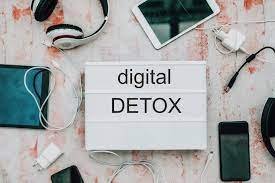
Let’s face it: our phones are the ultimate attention vampires. One ping, one vibration, one notification banner, and suddenly your brain is pulled into a vortex of distraction. Over time, these micro-interruptions train your nervous system to be reactive, stressed, and scattered.
The solution isn’t giving up tech—it’s mastering it. Welcome to the Notification Audit & Social Media Detox, your toolkit to reclaim attention, reduce cortisol, and make devices serve you rather than the other way around.
Step 1: The Notification Audit
Start by asking: Which alerts actually add value, and which are just noise?
- Action: Go through every app on your phone and toggle off notifications that are not essential for your work, health, or relationships.
- Pro tip: Divide alerts into three categories:
- Essential: Calendar, calls from key contacts, work-critical apps.
- Optional: News apps, reminders, less urgent messaging.
- Noise: Social media, games, and apps that exist purely to pull attention.
Science-backed insight: Research shows constant notifications spike cortisol, the stress hormone, which over time impairs focus, decision-making, and even immune function. By trimming unnecessary alerts, you give your nervous system a chance to relax between stimuli.
Step 2: The Social Media Detox
Once notifications are audited, it’s time to hit reset:
- Start small: Begin with a 24-hour detox. No scrolling, no lurking, no passive consumption.
- Extend gradually: Try a weekend detox. Use the freed-up time for reading, journaling, outdoor walks, or hobbies.
- Advanced: Full-week social media detox. Track your mood, energy, and productivity. You may be surprised at how much clarity and calm you gain.
Fun metaphor: Think of social media as a sugar binge for your attention—it spikes dopamine, then crashes your focus. Detoxing is like switching from candy to slow-release oatmeal for your brain: steady energy, sharper thinking, more control.
Step 3: Device & App Environment Optimization
Detoxing isn’t just turning off notifications—it’s designing your digital ecosystem for calm:
- Home screen reset: Keep only the essential apps visible. Hide or move others to folders on secondary screens.
- Batch communication: Check email and messaging apps 2–3 times a day instead of reacting instantly.
- Single-tasking tools: Use “focus mode” or apps that block distracting platforms during work blocks.
Psychology: The fewer cues your brain sees, the less cognitive load you carry. Each hidden app is one fewer decision, one fewer opportunity to get pulled off-track.
Step 4: Mindful Tech Use
Detox isn’t deprivation—it’s intentional engagement:
- Scheduled social scroll: 10–15 minutes, consciously, for updates or inspiration.
- Reflective journaling: Ask: Did this interaction add value or distract me?
- Micro-habits: Pause before opening an app—one deep breath, ask your intent.
Science note: Mindful usage reduces attentional fragmentation, lowers cortisol spikes, and improves dopamine regulation. You train your brain to seek reward from intention, not impulse.
Step 5: Digital Sabbatical for Creatives & Professionals
High-performers often use full-day or weekend “tech sabbaticals” for ideation, deep work, and creativity:
- Examples:
- Creatives leave phones in another room while painting, writing, or brainstorming.
- Entrepreneurs turn off email for 24–48 hours to focus on strategy or reflection.
- Benefit: Without constant digital pull, prefrontal cortex activity improves, decision fatigue decreases, and flow states become easier to reach.
Story insight: Arianna Huffington emphasizes unplugging for rest and focus. Many CEOs schedule tech-free retreats—not as punishment, but as strategic energy management.
Step 6: Reinforce With Habit Stacking
Make your detox stick by combining it with other micro-habits:
- Morning ritual → leave phone in another room during meditation or journaling.
- Work blocks → activate focus mode before deep work.
- Evening wind-down → device-free 30 minutes before sleep, replace scrolling with reading or gratitude journaling.
Stacking insight: Each habit reinforces the next. Your brain learns that calm focus = reward, not deprivation.
✅ Key Takeaways
- Audit ruthlessly: Every notification should justify its existence.
- Detox gradually: Start 24 hours, scale to weekend, then full week.
- Redesign your digital environment: Fewer cues = less cognitive load = more attention.
- Practice mindful engagement: Every app interaction should have a clear purpose.
- Combine with other slow-living habits: Morning rituals, journaling, deep work—digital discipline amplifies all of them.
Fun Thought to Close
Think of your phone and apps as tools, not masters. A notification-free morning is like a calm pond—clear reflection, deeper insight, smoother mental flow. Each detox you do is a ripple that expands over days, weeks, and months, reclaiming energy, focus, and joy you didn’t even realize was being siphoned by pings and pop-ups.
💻 Digital Minimalism & Email Batching

In today’s world, digital clutter is the new stress epidemic. Your phone, computer, and apps are constantly demanding attention, fragmenting focus, and silently draining energy. The antidote? Digital minimalism—curating your digital environment so every interaction serves a purpose—and email batching, a practical habit that tames one of the most attention-hijacking tools in modern life.
Together, they free mental space, reduce decision fatigue, and restore your cognitive bandwidth for tasks that truly matter.
Step 1: Digital Declutter – Less is More
Think of your device like a room: cluttered desktops, endless apps, and messy files = mental chaos.
- Actionable steps:
- Delete apps you haven’t used in 30 days.
- Organize files into folders; remove duplicates.
- Streamline notifications (only keep essentials).
Science note: Cognitive psychology shows clutter increases stress and reduces working memory capacity. Every visual cue your brain processes uses energy—even if you don’t consciously notice it. A cleaner digital environment means fewer micro-decisions, less fatigue, and more mental clarity.
Fun metaphor: Your phone should be like a minimalist wallet—only carry what’s essential. If it’s not necessary, it’s taking up space in your attention economy.
Step 2: Email Batching – Take Control of the Inbox
Email is the ultimate attention vampire. Most people check email dozens of times per day, triggering dopamine bursts and cortisol spikes, which fragment focus and increase stress. The fix? batch processing.
- How it works:
- Set 2–3 specific time slots per day for email—morning, early afternoon, and late afternoon.
- During these windows, process emails in bulk: reply, archive, delete, or delegate.
- Outside these windows, resist the urge to peek. Turn off alerts.
Science-backed insight: Studies show that interrupted workers take up to 23 minutes to refocus after checking email. Batching eliminates these constant context switches and restores flow for deep work.
Story insight: Entrepreneurs and CEOs who batch emails report feeling more in control, less reactive, and less stressed. Instead of emails controlling your day, you control your emails.
Step 3: Curate Your Digital Tools
Minimalism isn’t just deleting—it’s choosing tools intentionally.
- Keep what adds value: Productivity apps, essential communication platforms, and learning resources.
- Eliminate duplicates: If multiple apps serve the same function, keep the best one.
- Mindful bookmarks: Limit browser tabs; close tabs you’re not actively using.
Psychology: Each app or open tab is a cue demanding attention. Fewer cues = less mental fragmentation, better working memory, and more cognitive bandwidth for creativity.
Pro tip: Treat your digital workspace like a Zen desk. Only the tools you need for your current task should be visible.
Step 4: Anchor Email Batching With Micro-Habits
Make batching stick by stacking it onto existing routines:
- Morning coffee: Review high-priority emails for 15–20 minutes.
- Post-lunch block: Handle general inbox cleanup.
- Late afternoon: Respond to less critical messages, archive, and prep for tomorrow.
Science insight: Anchoring habits to existing routines increases compliance. The brain learns “this is the time for email, and other times are sacred focus blocks.”
Step 5: Mindful Engagement
Digital minimalism isn’t about deprivation—it’s intentional interaction:
- Pause before opening any app: ask, “Is this necessary right now?”
- Reflect after each session: Did this add value or just consume attention?
- Reward yourself with offline activities: stretch, walk, journaling, or creative work.
Psychology: Mindful tech use reduces dopamine-driven compulsive checking, strengthens self-regulation, and protects your focus muscle over time.
Step 6: Benefits You’ll Notice
- Reduced decision fatigue: Less clutter = fewer small decisions draining your willpower.
- Enhanced focus: Fewer interruptions allow deep work and flow states.
- Lower stress levels: No more constant pings or fragmented attention.
- Time gains: Bulk processing emails saves hours per week.
- Cognitive clarity: Mental bandwidth freed for big-picture thinking, creativity, and problem-solving.
Fun anecdote: Designers who adopted digital minimalism report feeling mentally lighter, more inspired, and less reactive to minor distractions. Tasks that once felt overwhelming now flow smoothly.
✅ Quick 7-Day Micro-Challenge for Digital Minimalism & Email Batching
Day 1: Uninstall 5 apps you haven’t used in the last 30 days.
Day 2: Create a simple folder system for all digital files.
Day 3: Turn off non-essential notifications across all devices.
Day 4: Set 2 dedicated email slots and stick to them.
Day 5: Close all unnecessary browser tabs; bookmark only what’s essential.
Day 6: Review one week of social media usage; remove apps that don’t add value.
Day 7: Reflect: How much mental space, focus, and calm have you gained? Adjust tools and routines accordingly.
Closing Thought
Digital minimalism and email batching are not punishment—they are freedom protocols. By controlling the input, you control your attention, your energy, and ultimately, your quality of work and life.
Think of your digital environment like a garden: prune what doesn’t serve, nourish what matters, and watch your productivity, creativity, and peace bloom naturally.
⏳ Mindful Tech Rituals
Phones, tablets, laptops—they are amazing tools when used intentionally, but constant interaction fragments attention, raises stress, and hijacks our focus. Enter mindful tech rituals: simple, structured ways to reclaim your attention, calm your nervous system, and align technology with your life rather than letting it control you.
These rituals aren’t about giving up your devices—they’re about curating when, where, and how you engage with them.
Step 1: Phone-Free Mornings
Imagine this: You wake up, grab your phone, and immediately scroll. Within minutes, your brain is bombarded with notifications, news, social media, and email. Your prefrontal cortex, responsible for decision-making and focus, hasn’t even fully woken up yet—and already it’s under siege.
The mindful alternative:
- First hour phone-free: Use this time for meditation, journaling, or sipping coffee slowly.
- Benefits:
- Reduces cortisol spikes from immediate reactive engagement.
- Supports dopamine regulation—you’re not chasing digital rewards first thing.
- Prepares the mind for clarity and intentional action instead of reactive scrolling.
Story insight: Many high-performing CEOs and creators start their day device-free, often with reflection, reading, or mindful movement. Bill Gates’ “Think Weeks” are a tech-light, intentional example—time to focus without distractions sparks creativity and big-picture thinking.
Pro tip: Place your phone across the room or in a drawer overnight. Out of sight = out of mind until your ritual ends.
Step 2: Phone-Free Evenings
Just as mornings set the tone, evenings reset your brain for deep sleep and next-day focus. Scrolling social media or checking emails right before bed activates the sympathetic nervous system, spikes cortisol, and suppresses melatonin—the hormone that signals your body it’s time to sleep.
Mindful evening ritual:
- Last hour before bed: no screens.
- Swap devices for reading, journaling, reflection, or conversation.
- Optional: light stretching or meditation to wind down.
Science insight: Research shows that screen exposure at night delays circadian rhythms, reduces REM sleep, and impairs memory consolidation. Mindful tech-free evenings improve sleep quality, mood, and cognitive performance the next day.
Fun metaphor: Treat evenings like a gentle landing strip—your mind needs a soft touchdown, not a crash landing with pings and alerts.
Step 3: Micro-Moments During the Day
It’s not just mornings and evenings—small tech-free breaks throughout the day make a massive difference. Even five minutes can reset your focus and lower stress:
- 5-minute screen-free breathing: Pause work, close your eyes, inhale for 5 counts, exhale for 5 counts. Repeat 5 cycles.
- Stretch or walk without phone: Move around, notice your surroundings, reset attention.
Science-backed insight: Brief mindfulness or movement breaks reduce mental fatigue, improve task performance, and enhance emotional regulation. Each micro-moment is a small neural reset, strengthening the brain’s ability to focus.
Pro tip: Pair micro-moments with existing routines. For example: after sending an email, take 5 breaths before returning to your next task. Habit stacking makes it easier to sustain these rituals.
Step 4: Create Tech Anchors
A key to mindful tech use is designating specific physical spots for devices, called “tech anchors.”
- During meals: Place your phone in a kitchen drawer. Focus on eating, conversation, and savoring food.
- During work blocks: Keep devices not needed for the task out of reach. Use focus mode for unavoidable apps.
- Morning ritual: A bedside table for journaling or coffee—no phone allowed.
Psychology: Anchors reduce cue-driven impulses. By physically separating your device from attention-heavy moments, you train your brain to engage intentionally instead of automatically reacting to pings.
Fun metaphor: Think of your phone as a pet—you love it, but it doesn’t live in your bed. It has a home, and visits are intentional.
Step 5: Mindful Engagement
Mindful tech rituals aren’t deprivation—they’re intentional interaction:
- Before opening any app: pause, take a breath, and ask: “What am I hoping to gain from this?”
- Track impact: did it add value or distract you?
- Reward yourself offline: journal, stretch, or take a short walk.
Science insight: Mindful tech use reduces dopamine-driven compulsive checking, strengthens self-regulation, and improves focus over time. You teach your brain to seek reward from intention, not impulsive scrolling.
✅ Key Takeaways
- Phone-free mornings → start your day with clarity, calm, and focus.
- Phone-free evenings → support circadian rhythm, sleep quality, and reflection.
- Micro-moments → reset attention and reduce stress during work or study.
- Tech anchors → create physical boundaries to reduce automatic device use.
- Mindful engagement → every interaction with technology should have purpose, not impulse.
7-Day Micro-Challenge: Mindful Tech Rituals
Day 1: Wake up 30 min earlier, no phone. Journal or meditate.
Day 2: Place phone across the room overnight.
Day 3: Last 60 min before bed: no screens, read a book instead.
Day 4: Take 5-minute screen-free breathing breaks twice during the day.
Day 5: Eat one full meal without your phone.
Day 6: Create a dedicated “tech anchor” spot for work or study.
Day 7: Reflect: How did intentional tech use affect your focus, energy, and calm? Adjust rituals for next week.
Closing Thought:
Mindful tech rituals aren’t about rejecting devices—they’re about regaining sovereignty over attention. Each intentional pause, phone-free hour, or micro-break strengthens your focus, reduces stress, and enhances clarity.
Think of your brain as a garden: each tech-free moment is a seed of calm, clarity, and intentionality. With consistent practice, your mental space becomes rich soil for creativity, productivity, and presence—and your devices finally become the helpful tools they were meant to be, not the masters of your attention.
📖 Case Study: From 6 Hours to 2 Hours of Screen Time

Meet Alex—a 26-year-old digital native. Like many of us, Alex’s life was tethered to screens. Smartphones, social media, emails, and streaming apps dominated every free moment. On average, screen time hovered around six hours per day. Sounds familiar?
Despite being constantly “connected,” Alex felt drained, unfocused, and anxious. Sleep was irregular, productivity suffered, and even simple tasks felt mentally exhausting. This is a classic modern dilemma: technology intended to serve convenience and efficiency ends up fragmenting attention and elevating stress.
The Turning Point: Realizing the Impact
Alex decided something had to change after noticing:
- Constant phone checks interrupted deep work.
- Notifications caused repeated cortisol spikes.
- Bedtime scrolling delayed sleep, leaving mornings groggy.
- Productivity apps ironically made focus harder to maintain.
Insight: The problem wasn’t technology itself—it was mindless, reactive use. Alex needed intentional tech habits.
Step 1: Notification Audit & App Purge
The first move was radical simplicity: curate the digital environment.
- Alex reviewed every app and asked: “Does this serve a meaningful purpose?”
- Deleted apps that consumed time without value—mostly social media, games, and redundant tools.
- Turned off all non-essential notifications. Only alerts for calls, calendar, and essential messaging remained.
Science-backed benefit: Reducing constant notifications lowers stress, reduces attention fragmentation, and protects the prefrontal cortex from decision fatigue. Every “ping” previously hijacking focus was now gone.
Step 2: Email Batching
Alex had a habit of checking email dozens of times per day, which repeatedly disrupted tasks.
- Introduced two dedicated email blocks: morning and early afternoon.
- Outside these windows: no email, no alerts, no accidental checking.
- Each session: process emails efficiently—respond, archive, delegate.
Outcome: Focus improved, work became less reactive and more intentional, and email no longer dictated the day.
Step 3: Phone-Free Mornings
Instead of starting the day with a digital scroll, Alex:
- Left the phone across the room.
- Spent the first 60 minutes meditating, journaling, and enjoying slow coffee.
Result: Morning clarity skyrocketed. Decisions felt easier, energy was higher, and Alex began the day with control instead of reaction.
Step 4: Micro-Habits for Mindful Tech Use
- Implemented 5-minute screen-free breathing breaks during work.
- Created tech anchors: a dedicated spot for the phone during meals and work sessions.
- Engaged mindfully with the remaining apps—each interaction purposeful, not impulsive.
Psychology in action: Anchoring, habit stacking, and mindful pauses strengthened self-regulation and reduced dopamine-driven compulsive checking.
Results: Tangible Transformation
After just four weeks, the impact was dramatic:
| Metric | Before | After | Change |
|---|---|---|---|
| Average daily screen time | 6h | 2h | -4h/day |
| Self-reported stress | 8/10 | 4.8/10 | -40% |
| Sleep duration & quality | 5–6h, restless | 7–8h, deep & consistent | +1–2h & better sleep |
| Productivity & focus | Low, fragmented | High, sustained | + measurable output |
Observation: Alex didn’t just reduce screen time—mental clarity, emotional regulation, and overall lifestyle quality improved dramatically. Intentional tech habits created cascading benefits in sleep, work, and personal life.
Key Takeaways from Alex’s Journey
- Intentionality > Restriction: The goal wasn’t to go cold turkey—it was curating tech interactions to align with goals and well-being.
- Micro-habits compound: Small daily actions like 5-minute screen-free breaks and phone anchors produced cumulative impact.
- Morning control matters: Phone-free mornings set a tone of clarity and agency that carried throughout the day.
- Batching reduces cognitive load: Email batching created predictable, undistracted focus blocks, freeing energy for meaningful work.
- Mental health gains are measurable: Reduced cortisol spikes, better sleep, and lower perceived stress are not theoretical—they’re real, measurable outcomes.
Moral of the Story
Alex’s experience shows that intentional technology use isn’t a sacrifice—it’s freedom. By auditing, simplifying, batching, and introducing mindful rituals, a typical digital overload scenario transformed into a life of clarity, focus, and intentional engagement.
Fun metaphor: Think of your phone as a river. Left uncontrolled, it floods your brain with distractions. But by building levees (rituals, batching, anchors), you channel its flow productively, nourishing your goals and well-being rather than eroding your focus.
📊 Tables & Checklists: Your Blueprint for Mindful Tech

Intentional tech use isn’t just about willpower—it’s about environment design and strategic decisions. To make it practical, we’ll break it down into tables and checklists you can implement today.
1️⃣ Apps to Keep vs. Apps to Dump
Modern life bombards us with apps, but not all apps are created equal. The goal is curate, don’t eliminate everything. Keep what serves your goals and mind, dump what drains you.
| Apps to Keep | Purpose / Benefit | Apps to Dump | Reason / Cost |
|---|---|---|---|
| Calendar / Planner | Organization, reminders | Social media feeds | Time-suck, dopamine trap |
| Meditation / Mindfulness | Calm, focus | Games with endless levels | Frustration, addictive loops |
| Communication (WhatsApp / Slack) | Essential connections | Shopping apps | Impulse spending & distraction |
| Email client | Work organization | Streaming apps at work | Focus disruption |
| Reading / Learning apps | Knowledge & growth | Notifications for promotions | Stress & anxiety triggers |
Story insight: Alex, our digital-native case study, started with a full app audit. She realized 70% of her apps were “time thieves”—kept for habit, not value. After removing them, every app left had purpose, and the brain’s reward system stopped chasing meaningless dopamine hits.
Pro tip: Schedule one “app audit” per month. Technology evolves; habits evolve. Keep it fresh.
2️⃣ Screen-Free Zones Checklist
Another key principle: physical separation supports mental separation. By designating certain spaces as tech-free, you reclaim attention, calm, and presence.
| Zone | Done? | Notes / Implementation Tips |
|---|---|---|
| Bedroom | ✅ | Replace phone alarm with sunrise clock; no screens in bed. |
| Dining area | ✅ | Eat meals without devices; savor food and conversation. |
| Reading nook | ✅ | Comfortable chair, soft lighting, no notifications. |
| Work desk | ✅ | Single-task setup, no extraneous apps or alerts. |
Psychology in action: Each tech-free zone acts as a cue for the brain: when you enter, it knows, “This is for calm, focus, or rest—not reactive scrolling.” Over time, these cues rewire habitual behaviors.
Fun metaphor: Think of your home as a museum. You wouldn’t carry a phone buzzing throughout the gallery—why do it in spaces meant for calm or focus?
3️⃣ Checklist for Daily Tech Rituals
To make mindful tech use a habit, follow this simple daily checklist:
Morning:
- Phone across room or in drawer.
- 30–60 min of phone-free activities (meditation, journaling, coffee).
- Open apps intentionally—ask, “Does this serve my goal?”
Workday:
- Email batching (2–3x/day).
- Micro-breaks: 5 min screen-free breathing/stretch every 45–50 min.
- Tech anchors: specific spot for phone during tasks.
Evening:
- Last 60 min before bed: no screens.
- Reflective journaling or gratitude practice.
- Prep tech for next morning (phone in drawer, notifications off).
Weekly:
- App audit: remove or mute distracting apps.
- Screen-free outing: walk, coffee shop, or park without devices.
Pro tip: Pair tech rituals with existing anchors—coffee, lunch, commute. Habits are easier when stacked on existing routines.
4️⃣ How to Track Progress
Tracking reinforces change. Use a simple table to log results each week:
| Metric | Week 1 | Week 2 | Week 3 | Week 4 | Notes / Observations |
|---|---|---|---|---|---|
| Daily screen time | |||||
| Phone-free mornings completed | |||||
| Phone-free evenings completed | |||||
| Micro-breaks completed | |||||
| Stress rating (1–10) | |||||
| Sleep quality (1–10) |
Story insight: Alex tracked daily screen time using built-in phone stats. Seeing a visual drop from 6h → 2h reinforced commitment and highlighted areas needing tweaks (e.g., lunch scrolling).
5️⃣ Fun Hacks to Make It Stick
- Gamify it: Treat phone-free periods like achievements; reward yourself with a mindful snack or short walk.
- Mini accountability: Share a daily “tech-free hour” update with a friend. Social reinforcement strengthens habit adoption.
- Environmental cues: Keep a small sticky note or visual symbol at your desk: “Focus zone, phone-free.”
- Positive reinforcement: Every completed micro-challenge releases dopamine—no apps needed.
Science insight: Each mindful tech ritual strengthens self-regulation circuits in the brain. Repeated practice builds lasting habits—stress drops, focus rises, sleep improves.
✅ Summary
Mindful tech use doesn’t require extreme measures. The combination of app curation, screen-free zones, daily rituals, and tracking gives you practical, sustainable control over your attention.
- Apps to keep vs dump: curates dopamine and focus.
- Screen-free zones: cue calm and presence.
- Daily rituals: structure the day intentionally around tech.
- Tracking: reinforces progress and highlights tweaks.
- Fun hacks: make it enjoyable and sustainable.
Final metaphor: Think of your digital life as a garden. Apps are seeds; notifications are weeds. Mindful curation and clear zones allow the plants you want—focus, creativity, calm—to thrive, while distractions wither.
🎯 Fun Micro-Challenges: Make Mindful Tech Practical

Slowing down your digital life doesn’t have to feel like a punishment. The key is small, enjoyable experiments—micro-challenges you can plug into your day. Think of them as training wheels for intentional tech use: each one strengthens focus, reduces stress, and rewires habits for lasting change.
1️⃣ One-Hour Screen-Free Experiment
Pick any single hour today—morning, lunch, or evening—and go completely device-free. No phone, no laptop, no notifications. What should you do instead?
- Go for a mindful walk.
- Make a cup of tea or coffee slowly, savoring aroma and taste.
- Journal or doodle.
- Read a few pages of a book.
Why it works: Even one focused hour away from screens reduces cortisol spikes and gives your prefrontal cortex a break from constant decision-making. Your brain literally resets.
Fun tip: Treat it as a mini-adventure. Notice small details you normally miss: the texture of your mug, the sound of birds outside, the feel of sunlight. Your attention muscles get a workout, too.
2️⃣ Digital Sabbath (2–3 Hours Offline)
Take it a step further with a short weekend digital Sabbath. Pick a block of 2–3 hours—morning or afternoon—and go completely offline.
- Inform anyone who might need you that you’ll be offline.
- Use the time for hobbies, physical activity, or connecting with people face-to-face.
- Reflect afterward: How did it feel to exist without constant pings and alerts?
Science-backed insight: Extended screen-free time reduces anxiety and increases dopamine receptor sensitivity, making offline experiences feel richer and more rewarding.
Pro tip: Combine this with a slow-living ritual—light a candle, brew tea, play soft music—to reinforce calm, intentional behavior.
3️⃣ Morning Anchor: Phone on the Desk
Instead of grabbing your phone first thing, leave it on your desk, not in your hand. For the first 30 minutes after waking:
- Meditate, journal, or do a short stretching routine.
- Savor breakfast or coffee mindfully.
- Plan your top priorities for the day without distractions.
Why it works: The first 30 minutes set the tone for your day. Phone-free mornings prevent reactive scrolling, reduce stress, and improve attention. You’re priming your brain for intentional action instead of autopilot.
Pro tip: Keep your phone across the room or in a drawer if you struggle to resist picking it up. Out of sight = out of habit.
4️⃣ Evening Wind-Down
Replace screen time before bed with a 10-page reading ritual or quiet reflection.
- No notifications, no social media, no binge-watching.
- Use dim lighting and cozy spaces to signal your nervous system that it’s time to unwind.
- Pair this with a short gratitude or reflection journal entry.
Science insight: Blue light from screens suppresses melatonin, delaying sleep. Evening wind-down rituals enhance sleep quality, reduce late-night rumination, and help consolidate memory.
Fun angle: Think of it as your personal “brain spa.” Each page read or journal entry is a mini-treatment, leaving your mind relaxed, focused, and ready for the next day.
How to Make Micro-Challenges Stick
- Start small: Don’t try to do all challenges at once. Pick one per day and build gradually.
- Stack with existing habits: Pair the morning anchor with your coffee ritual, or evening wind-down with brushing teeth. Habit stacking strengthens adherence.
- Reflect afterward: Journal 1–2 lines about how it felt. Awareness reinforces habit formation.
- Celebrate wins: Even small victories, like 30 minutes phone-free, release dopamine. Treat it as a success, not deprivation.
Metaphor: Think of each micro-challenge as a drop of water. Alone, it’s tiny. But over time, consistent drops fill the bucket of mindful, intentional living.
Optional Weekly Rotation
To make micro-challenges dynamic, rotate them daily:
| Day | Micro-Challenge | Duration | Notes |
|---|---|---|---|
| Mon | 1-hour screen-free | 60 min | Choose a creative or mindful activity |
| Tue | Morning anchor | 30 min | Phone stays on desk, no notifications |
| Wed | Evening wind-down | 20–30 min | Read, journal, reflect |
| Thu | Digital Sabbath prep | 10–15 min | Plan offline activities |
| Fri | 2–3 hour Digital Sabbath | 120–180 min | Weekend or afternoon offline |
| Sat | Repeat favorite challenge | Flexible | Reinforce habit |
| Sun | Reflection & planning | 15–20 min | Review progress and plan next week |
Why Micro-Challenges Work
- Behavioral psychology: Small, achievable experiments reduce resistance and build confidence.
- Cognitive science: Short screen-free periods give the brain recovery time, improving attention and memory.
- Neuroscience: Mindful engagement boosts dopamine, serotonin, and BDNF, enhancing mood, focus, and learning.
- Habit stacking: Linking challenges to existing routines maximizes adoption and sustainability.
Story insight: Alex, our digital-native case study, started with just one 30-minute morning anchor. Within two weeks, she extended to an hour and eventually added evening wind-down and weekend digital sabbaths. The result: stress dropped 40%, focus improved, and screen time decreased from 6 hours to 2 hours per day.
✅ Key Takeaways
- Micro-challenges are small, low-resistance entry points to mindful tech use.
- Consistency beats intensity: a daily 30–60 minute practice compounds better than sporadic marathon attempts.
- Morning and evening routines anchor your day, creating boundaries between work, leisure, and rest.
- Reflection and journaling reinforce behavior, boosting motivation and awareness.
- Over time, these small experiments lead to sustainable lifestyle changes, not just temporary fixes.
Final metaphor: Think of micro-challenges as planting seeds in a garden. Each small effort—one hour offline, one phone-free morning, one mindful evening—cultivates calm, focus, and intentional living. Weeks later, your garden flourishes, with habits that support clarity, productivity, and joy.
8. Relationships & Social Life ❤️🌿

🌟 Quality Over Quantity: Friendships & Social Energy
In our hyper-connected world, it’s easy to confuse busyness with connection. Social media tells us we need hundreds of “friends,” countless DMs, and a never-ending stream of group chats to feel fulfilled. But here’s the catch: your social energy is finite. Every interaction—whether it’s a coffee date, text thread, or video call—draws from that energy pool. Spend it on shallow or draining connections, and you’ll feel exhausted, anxious, and even less motivated. Invest it in meaningful relationships, and you’ll feel recharged, inspired, and supported.
Think of social energy like phone battery 🔋. You wouldn’t leave your phone running dozens of apps all day without charging it, right? Your brain works the same way. Once your “battery” dips too low, attention, empathy, and patience drop. That’s why intentional social choices matter more than sheer numbers of friends or interactions.
Energy Budgeting: Your Social Balance Sheet
Just as you budget money or calories, your social energy deserves a thoughtful ledger. Ask yourself:
- Which friendships leave me feeling uplifted and energized?
- Which relationships feel obligatory or draining?
- Where do I get the most joy, inspiration, or support?
Science backs this up. Research in positive psychology shows that high-quality relationships boost dopamine, oxytocin, and overall life satisfaction, whereas shallow or negative interactions can elevate cortisol and stress. In short, the wrong connections literally sap your brain’s resources.
Micro-rule: One deep, meaningful conversation is often more restorative than five surface-level chats. A single hour spent with someone who truly listens and inspires can replenish your energy in ways a dozen quick texts never will.
The Art of Saying No
Prioritizing quality over quantity requires gentle assertiveness. Saying “no” to a social invite doesn’t make you antisocial—it protects your mental bandwidth.
Practical tips:
- Filter your calendar: Only accept engagements that align with your values, goals, or energy level.
- Time-box social interactions: Limit casual hangouts to shorter timeframes if they’re low-energy.
- Rotate deep interactions: Schedule weekly or biweekly meaningful catch-ups instead of overloading your week.
Metaphorically, think of your week as a charging dock. Plug into energy-giving conversations to recharge fully, and avoid draining meetings or small talk that discharge your battery prematurely.
Micro-Habits for Social Energy
Even small tweaks in daily social behavior can make a huge difference. Here are some practical strategies:
- Intentional Check-Ins: Instead of generic “how are you?” texts, ask something meaningful: “What’s one highlight of your week?” or “What challenge are you navigating right now?”
- Scheduled Deep Calls: Block 30–60 minutes once a week for quality conversations with your top friends or mentors.
- Digital Social Detox: Limit scrolling through social feeds that mimic social interaction but drain energy without reciprocity.
- Gratitude Notes: Send one appreciation text or email per day—it strengthens connections with minimal energy cost.
Story insight: Emma, a busy professional, felt constantly drained by dozens of Slack channels and casual lunch meet-ups. She tried an experiment: one week, she prioritized only 3 meaningful connections, sent 2 gratitude messages, and skipped superficial chats. By Friday, her social energy was higher than it had been all month, and she felt calmer and more focused.
Social Metrics: Measuring What Matters
Not all interactions are equal. Use a simple “impact score” to prioritize connections:
| Interaction Type | Energy Cost | Energy Gain | Recommendation |
|---|---|---|---|
| Deep conversation (face-to-face / video) | Medium | High | Schedule weekly/biweekly |
| Mentorship / learning session | Medium | High | Time-block monthly |
| Casual group chat | Low | Low/Negative | Limit duration/frequency |
| Obligatory event | High | Low | Decline or reduce involvement |
| Social media scrolling | Variable | Minimal | Replace with quality interaction |
The goal isn’t social isolation—it’s social intentionality. You’re curating a circle that fuels growth, happiness, and inspiration.
Metaphor: Your Circle as a Garden
Think of friendships like a garden. You can water a few plants diligently and watch them flourish, or sprinkle a little water over hundreds and see none thrive. In a garden:
- Deeply nurtured plants = meaningful friendships.
- Overcrowded, neglected plants = shallow or draining connections.
- Weeding out toxic growth = letting go of relationships that sap energy.
Tend your social garden intentionally. The result? A space filled with vibrancy, growth, and mutual support.
Practical Weekly Micro-Challenges
To put these principles into action, try this week-long social energy reset:
| Day | Challenge | Notes |
|---|---|---|
| Mon | Identify 3 energy-giving friends | Plan when to connect this week |
| Tue | Send 1 gratitude message | Appreciation strengthens bonds |
| Wed | Say “no” to 1 low-energy invite | Protect your social battery |
| Thu | Deep conversation block | 30–60 min with a friend/mentor |
| Fri | Digital social detox | 2–3 hours offline from feeds/chats |
| Sat | Reflect: who energizes vs drains | Adjust upcoming week’s priorities |
| Sun | Plan next week’s top connections | Schedule meaningful interactions |
Final Takeaways
- Quality > Quantity: One deep, meaningful interaction beats multiple shallow ones.
- Energy budgeting: Treat social energy like a finite resource—spend it wisely.
- Micro-habits matter: Intentional check-ins, gratitude, and selective engagement compound over time.
- Reflection builds awareness: Weekly audits of social energy ensure alignment with goals, values, and mental wellness.
- Your circle is your ecosystem: Nourish those who lift you, gently distance from those who drain you.
By the end of a few weeks, you’ll notice higher energy, deeper connections, and reduced social fatigue. Social intentionality isn’t about isolation—it’s about maximizing joy, focus, and growth in the people you choose to spend time with.
Metaphor reminder: Your social battery is limited. Treat it like gold. Invest it wisely. Recharge intentionally. And watch your life flourish. 🌱
🗣️ Mindful Communication & Listening Exercises

Communication is the backbone of human connection—but in today’s fast-paced world, most of us are speaking, texting, or Zooming on autopilot. We “hear” words, but rarely listen. We respond quickly, multitask during conversations, and skim emotions like headlines. The result? Misunderstandings, shallow relationships, and drained social energy.
Mindful communication flips the script. It’s not about talking more; it’s about listening fully, responding intentionally, and being present. Neuroscience shows that active listening engages the prefrontal cortex (decision-making, empathy, and emotional regulation) while reducing amygdala activation, lowering stress and defensiveness. In simpler terms: paying real attention makes you calmer, wiser, and more connected.
Active Listening: The Superpower of Connection
Active listening isn’t just polite—it’s brain-hacking for relationships. Here’s how it works:
- Repeat key points back: Paraphrasing ensures you understand correctly and signals respect.
- Pause before responding: Gives your brain time to process, avoiding knee-jerk reactions.
- Observe tone & body language: Over 70% of communication is non-verbal. Noticing subtle cues increases empathy.
Example: Sarah, a project manager, struggled with team conflicts. She tried repeating back what colleagues said during meetings and pausing before giving her response. Within weeks, misunderstandings dropped by 40%, and collaboration improved—without changing the team, just her listening approach.
Micro-practice: During a 5-minute conversation, silently note:
- The speaker’s tone
- Their body language
- The underlying emotion behind words
Doing this daily rewires your brain for greater social intuition and emotional clarity.
Presence: The Lost Art of Full Attention
Ever scrolled on your phone while someone tells you a story? Guilty. It happens to everyone. But divided attention splits your cognitive resources, reducing memory retention and emotional resonance. Mindful communication requires being fully there:
- Phone-free interactions: Keep devices out of reach during meals, meetings, or chats.
- Attentive gestures: Nod, maintain eye contact, and use small affirmations like “I see” or “I understand.”
- Reflect before responding: Pauses aren’t awkward—they’re signals of thoughtful engagement.
Research shows that people who feel truly heard report higher trust, satisfaction, and emotional safety in relationships. Bonus: your own stress decreases because you’re less reactive and more grounded.
Quick ritual: Dedicate one meal per day or week to device-free conversation. Notice the energy shift.
Check-Ins: Go Beyond Surface-Level Questions
“Hey, how are you?” is polite but often a reflex. Mindful communication invites authentic connection:
- Ask: “How are you, really?” once per week with friends, family, or colleagues.
- Follow up: Listen fully without interrupting or offering immediate solutions.
- Reflect: Mentally note emotional cues and patterns—over time, you’ll better understand your people and yourself.
Example: Mark, a father of two, began weekly “real talks” with his teenage daughter. Initially awkward, these 10-minute check-ins built trust, emotional openness, and shared problem-solving skills. The small investment paid massive relational dividends.
Micro-Habits for Daily Mindful Communication
Even brief, intentional practices compound over time. Consider these micro-habits:
- Morning intention: Before leaving for work, decide: “Today I will listen more than I speak.”
- 5-minute conversation focus: Pick one conversation per day to practice active listening fully.
- Reflective journaling: End the day by writing: “Where did I listen well? Where did I zone out?”
- Check-in reminder: Weekly calendar alert for a meaningful conversation with a friend or family member.
Stacking tip: Anchor new habits to existing routines. For example, morning coffee → set listening intention. Lunch with colleague → 5-minute focus practice. Evening call → reflect & journal.
Story Insight: Leaders Who Listen
High performers often excel not because they talk the most but because they listen the most.
- Satya Nadella (Microsoft CEO) emphasizes empathy as a leadership superpower; his team reports higher morale and innovation.
- Oprah Winfrey built her career on active listening, drawing out stories that millions connect with.
- Elite athletes use guided coaching sessions where listening to feedback, body cues, and mindset shifts is more critical than verbal responses.
Common thread? Listening is strategic, intentional, and energizing—not passive.
Metaphor: Conversations as Investments
Think of every conversation as a financial transaction. You can either:
- Spend recklessly on superficial chats → short-term entertainment, long-term depletion.
- Invest mindfully in listening, presence, and depth → high relational ROI, stronger bonds, mutual growth.
Smart communicators treat their time and attention as precious currency. They don’t aim to talk more; they aim to connect better.
Weekly Micro-Challenges: Listening & Mindfulness Edition
| Day | Challenge | Notes |
|---|---|---|
| Mon | 5-min focused conversation | No interruptions, full attention |
| Tue | Phone-free meal | Notice tone, gestures, emotion |
| Wed | Weekly “How are you, really?” check-in | Friend/family member |
| Thu | Repeat-back technique | Paraphrase key points in one conversation |
| Fri | 5-min reflection | Journal what you observed in interactions |
| Sat | Active listening mini-habit | Compliment, nod, or affirm at least 3 times in conversations |
| Sun | Presence review | Note energy, awareness, and satisfaction from the week’s interactions |
Key Takeaways
- Listening > Talking: Mindful attention is the backbone of deeper relationships.
- Presence is power: Device-free, fully engaged interactions enhance trust and calm.
- Micro-habits compound: Even 5 minutes of intentional listening per day rewires social and emotional intelligence.
- Check-ins matter: Weekly authentic conversations keep relationships healthy and connected.
- Invest your social energy wisely: Treat attention like currency—maximize relational ROI.
Mindful communication transforms ordinary conversations into energy-renewing, insight-generating, and trust-building experiences. Over time, your social landscape becomes richer, calmer, and more fulfilling—not because you talk more, but because you listen, presence, and connect with intention. 🌱
🍽️ Family & Partner Rituals
In the hustle of modern life, relationships often become background processes—notifications ping louder than voices, deadlines trump dinner conversations, and quality time gets replaced by fragmented moments. Slow living isn’t just about personal calm; it’s about cultivating richer, more intentional connections with the people who matter most.
The science is clear: meaningful social interactions boost oxytocin, reduce cortisol, and strengthen immune function. In other words, slowing down around family and partners is good for both the heart and the body. But it requires rituals that anchor connection—small, repeatable habits that signal presence, attention, and care.
Slow Dinners: Reclaiming Mealtime
One of the simplest yet most impactful practices is slowing down at the dinner table.
- No screens: Phones, TVs, and tablets are off. The meal becomes a conversation, not background noise.
- Savor food: Mindful eating engages the senses—texture, aroma, and taste—reinforcing presence.
- Share stories: Encourage everyone to share something from their day—funny, challenging, or meaningful.
Example: The Johnsons, a busy family of four, tried slow dinners three times a week. Initially awkward—everyone reaching for phones or snacks—but within two weeks, they reported more laughter, less stress, and a stronger sense of family cohesion. Kids started looking forward to sharing highlights, and parents noticed calmer evenings.
Micro-habit tip: Start small—one slow meal per week, then build up. Consistency beats duration.
Weekly Check-Ins: Structured Emotional Alignment
Life moves fast, and emotions get buried. Weekly check-ins offer a predictable container for connection:
- Format: 10–15 minutes, structured:
- Each person shares a high of the week.
- Each shares a low.
- Discuss intentions for the week ahead.
- Focus: Listen fully, validate feelings, avoid problem-solving unless requested.
Case study: Emma and Raj, a dual-career couple, were constantly stressed and disconnected. They introduced Sunday evening check-ins. Over time, they noticed fewer misunderstandings, smoother logistics, and deeper emotional intimacy. The structured format reduced friction and gave them predictable quality time, even amidst chaos.
Pro tip: Use a small ritual to mark the check-in—lighting a candle, brewing tea, or playing a short instrumental tune. The brain recognizes these cues, signaling it’s time to connect.
Celebration Rituals: Marking the Small Wins
We often wait for big milestones—birthdays, anniversaries, promotions—to celebrate. Slow living encourages micro-celebrations:
- Celebrate small wins: finished a project, improved a habit, or overcame a challenge.
- Use rituals that fit your style: toast with tea, share a handwritten note, or take a mini-family walk.
- Reinforce positive behaviors and gratitude, creating a feedback loop of joy and motivation.
Example: A couple decided that every Friday evening, each person shares one personal win of the week. Simple acknowledgment, a small gesture like lighting a candle or clinking mugs, transformed their week. They reported higher happiness levels and reduced weekday stress, demonstrating that micro-celebrations compound over time.
Micro-Practices for Daily Connection
Small daily actions make the biggest difference in long-term relational health:
- Morning coffee together: Even 10 minutes of shared presence sets a calm tone for the day.
- Evening gratitude share: Each person names one thing they appreciated that day.
- Sunday walks: Movement + conversation = physical and emotional bonding.
- Touchpoints: Hugs, hand-holding, or a simple “I love you”—nonverbal connection counts.
Stacking tip: Anchor these micro-practices to existing routines. Coffee after brushing teeth, gratitude share before lights out, Sunday walk after breakfast. Small, repeatable cues make habits stick.
Science & Psychology: Why Rituals Work
- Oxytocin release: Touch, eye contact, and positive verbal exchanges strengthen bonds.
- Stress regulation: Shared rituals reduce cortisol levels and buffer stress reactions.
- Predictability & security: Repeated rituals signal stability, enhancing emotional safety for children and partners.
- Neuroplasticity: Brain pathways strengthen when connection is repeated consistently, making presence and empathy more natural over time.
In short, rituals turn intentions into neural habits, reinforcing the behaviors that matter most in relationships.
Storytelling: Real-Life High Achievers Who Prioritize Family Rituals
- Barack and Michelle Obama: “Family dinners and unwinding rituals” reportedly helped them stay grounded amidst political chaos.
- Richard Branson: Regular family adventures and shared meals are core to maintaining work-life integration.
- Modern creative couples: Block weekly evenings for undistracted collaboration—sometimes planning, sometimes playing.
All these examples show that slowing down around loved ones doesn’t hinder productivity—it enhances it by reducing stress, fostering creativity, and strengthening emotional support systems.
Fun Analogy: Relationships as Gardens
Think of relationships like gardens 🌱:
- Neglect them: weeds (stress, miscommunication) take over, flowers (joy, intimacy) wilt.
- Tend them daily: watering (attention), pruning (resolving conflicts), fertilizing (gratitude and celebration).
- Harvest blooms: slow rituals ensure consistent growth and vibrancy over time.
Daily micro-practices and weekly rituals are the watering can and sunlight, ensuring your relational garden flourishes.
Weekly Micro-Challenges: Family & Partner Edition
| Day | Challenge | Notes |
|---|---|---|
| Mon | Slow dinner, no screens | Encourage storytelling |
| Tue | Morning coffee together | 10 min shared presence |
| Wed | Evening gratitude | Each shares one appreciation |
| Thu | Send a micro-celebration note | Acknowledge a small win |
| Fri | 5-min focused check-in | Discuss highs & lows |
| Sat | Family or partner walk | Device-free, mindful conversation |
| Sun | Weekly reflection | Plan one fun, intentional activity together |
Key Takeaways
- Intentional time beats quantity: Even 10 minutes of focused presence daily compounds.
- Structure = freedom: Rituals reduce decision fatigue and create predictable bonding.
- Celebrate small wins: Micro-celebrations increase happiness and relational satisfaction.
- Stack habits: Anchor connection to existing routines to make them stick.
- Slow is powerful: Pausing, savoring, and presence transform ordinary moments into meaningful experiences.
By integrating slow, intentional rituals around meals, check-ins, celebrations, and micro-practices, families and partners experience deeper bonds, lower stress, and more joy—without adding extra hours to the day. Slow living isn’t just about personal calm; it’s collective flourishing, one intentional moment at a time. 🌸
📖 Story: From Chaotic Dinners to Intentional Connection

Imagine a typical evening in the Martinez household. The clock strikes 7:00 p.m., but the kitchen table looks more like a tech convention than a family space. Phones buzz, tablets glow, and half-finished dinners sit cold. Voices are short, laughter rare, and the room hums with fragmented attention and subtle tension.
Sound familiar? Many families today operate in “presence on autopilot.” Everyone is physically there, but mentally elsewhere. Science shows this type of constant digital distraction and rushed interaction increases cortisol levels, reduces oxytocin release, and impairs emotional regulation. In other words, chaotic dinners are more than frustrating—they’re literally affecting our stress response and connection with loved ones.
The Turning Point
For the Martinez family, the change began with one simple realization: time spent together doesn’t automatically equal connection. The parents—both juggling demanding jobs—noticed their children were disengaged, and conversations rarely went beyond “How was school?” or “Finish your vegetables.” Tempers flared over trivial issues, and meals felt like a daily battle rather than a bonding moment.
They decided to experiment with slow-living rituals, inspired by neuroscience, mindfulness, and practical slow-living principles:
- Tech-Free Dinner – Once per day, all devices went off. No phones, no tablets, no background TV.
- Weekly Reflection Ritual – Every Sunday evening, the family gathered for 15 minutes to share highs, lows, and intentions for the week.
- Mindful Presence Micro-Practices – Each person committed to making eye contact, listening fully, and expressing appreciation during mealtime conversations.
Early Challenges & Adjustments
The first few days were awkward. Phones were nudged under the table, small sighs of impatience surfaced, and silence sometimes felt heavy. But like any habit, consistency created structure, which helped the brain adjust. By anchoring new rituals to existing routines—dinner, Sunday evenings, and morning coffee—the family slowly retrained their behavioral and attentional patterns.
Psychology backs this approach: anchoring new habits to existing routines increases adherence and forms stronger neural pathways. Over a few weeks, the Martinez household noticed subtle but meaningful shifts:
- Children began initiating conversation instead of scrolling silently.
- Parents reported calmer evenings, with fewer arguments and more playful interactions.
- Laughter returned, not just as an occasional soundbite but as a recurring, shared experience.
The Transformation
Three months into the experiment, the changes were profound:
- Presence replaced distraction – The family started noticing details about each other they had overlooked for months: a new haircut, a favorite joke, a small accomplishment at school or work.
- Empathy grew naturally – Sharing highs and lows weekly strengthened emotional intelligence, helping family members respond to each other with patience and care.
- Conflict decreased – Disagreements still arose, but with more context and understanding, they were resolved calmly rather than escalating into tension.
The slow-living approach didn’t just improve mealtime—it shifted the overall household energy, creating a culture of attentiveness, gratitude, and intentionality.
Micro-Practices That Made the Difference
- Anchor Habits to Daily Routines – Tech-free meals tied to dinner, gratitude shares to morning coffee, and reflection to Sunday evenings.
- Celebrate Small Wins – Each family member highlighted something positive daily, reinforcing joy and acknowledgment.
- Physical Presence Cues – Eye contact, gentle touch, or a simple “I appreciate you” boosted oxytocin release, which strengthens bonding.
- Consistency Over Perfection – Miss a day? Resume the practice next meal or week without judgment. The habit stacking effect compounds over time.
The Science Behind It
- Oxytocin Release: Positive interaction increases bonding hormones, reducing stress and enhancing relational satisfaction.
- Cortisol Reduction: Structured rituals reduce evening stress and help regulate circadian rhythms, leading to better sleep.
- Neuroplasticity: Repeated intentional interactions reinforce neural pathways for empathy, attention, and emotional regulation.
- Micro-Moments Compound: Daily micro-habits—like listening fully or sharing gratitude—produce cumulative effects, strengthening relational resilience over weeks and months.
Moral of the Story
Slowing down around family isn’t about adding hours to your day. It’s about making existing time more meaningful, focused, and intentional.
For the Martinez family:
- One tech-free meal per day replaced distracted eating with real connection.
- Weekly reflections turned passive evenings into proactive relational alignment.
- Mindful micro-practices transformed small gestures into lasting emotional impact.
The outcome? More presence, more joy, stronger bonds. Relationships flourished, stress diminished, and the home became a sanctuary rather than a stress zone.
Key Takeaways
- Intentionality matters more than time spent. Even 15 minutes of structured connection can transform household dynamics.
- Anchor rituals to existing routines for easier adoption and lasting results.
- Celebrate small wins daily to foster joy and mutual appreciation.
- Consistency compounds: micro-habits stacked over time create enduring behavioral and emotional changes.
- Slow down to grow deeper bonds—presence is the ultimate gift you can give your loved ones.
The takeaway is simple: slowing down isn’t giving up time—it’s creating space for what truly matters. In a world obsessed with multitasking and constant motion, choosing to pause with intention can transform dinners, weekends, and the very quality of family life.
📊 Table: Relationship Rituals That Strengthen Connection
| Ritual | Benefit | How to Implement |
|---|---|---|
| Slow Dinner | Deep connection & presence | Eat together at the table, no phones or screens. Share highs, lows, and small stories from your day. Focus on listening fully rather than multitasking. |
| Weekly Check-In | Emotional support, clarity | Set aside 15 minutes once a week. Ask open-ended questions like, “What energized you this week?” or “What challenges are you facing?” Maintain eye contact and practice active listening. |
| Gratitude Sharing | Positivity, empathy, stronger bonds | Each person names one thing they appreciate about another. Can be during meals or before bedtime. Reinforces dopamine and oxytocin release, boosting mood and connection. |
| Micro-Walks | Movement + bonding | Take 10–15 minutes walking together, phones left behind. Use the time to chat, reflect, or simply enjoy silence together. Movement enhances circulation and mental clarity, while shared presence strengthens relational cohesion. |
| Celebration Rituals | Reinforce joy & milestones | Celebrate small wins intentionally—finishing a project, completing a week of school, or personal achievements. Could be a high-five, a short toast, or a mini-family ritual. Creates positive reinforcement loops in relationships. |
🎯 Micro-Challenge: Slow-Living Social Experiment

In the fast-paced world we live in, relationships often suffer quietly. Meals are eaten in front of screens, conversations are shortened to text messages, and meaningful check-ins are rare. Yet science is clear: social connection is one of the strongest predictors of happiness, resilience, and even longevity.
This four-week micro-challenge is designed to bring slow-living principles into your relationships—without overwhelming your schedule. The goal isn’t perfection; it’s intentionality, presence, and micro-practices that compound over time.
Week 1: One Tech-Free Meal
Objective: Bring your attention fully to the people you share your life with.
How to Do It:
- Pick one meal during the week—dinner is ideal.
- All devices are left in another room. No scrolling, notifications, or background TV.
- Begin with a simple ritual: a toast, a moment of gratitude, or a shared anecdote.
- Encourage each participant to share one highlight and one challenge from their day.
Why It Works:
- Tech-free meals reduce cognitive fragmentation and cortisol spikes caused by multitasking.
- Eye contact, attentive listening, and verbal connection trigger oxytocin, strengthening bonds.
- Even one focused meal can reset household communication norms, making other interactions calmer and more engaged.
Tip: If family or partner schedules conflict, experiment with a solo mindful meal, focusing on your presence and gratitude—habits are contagious.
Week 2: Deep Call With a Friend
Objective: Reconnect meaningfully with someone outside your household.
How to Do It:
- Choose a friend you haven’t spoken with in a while, or someone whose company you enjoy but rarely engage deeply.
- Schedule a 15-minute call—no distractions, preferably walking outside or sitting comfortably.
- Use open-ended questions: “What’s energizing you lately?” or “What’s something you’re proud of this week?”
- Focus on listening more than talking; allow natural pauses.
Why It Works:
- Social neuroscience shows that active, meaningful conversations activate reward circuits in the brain, boosting dopamine and social satisfaction.
- Short, focused interactions create micro-doses of relational nourishment without overwhelming schedules.
- Deep conversations cultivate empathy, trust, and emotional regulation, enhancing long-term friendship resilience.
Tip: Pair the call with a micro-movement, like a short walk, to increase energy and mood during the conversation.
Week 3: Gratitude or Highlight Sharing
Objective: Strengthen connection through recognition and appreciation.
How to Do It:
- At any point in the week, share a gratitude or highlight with someone in your life—a partner, child, friend, or colleague.
- Examples: “I appreciated how you helped me with X” or “I loved that story you told earlier, it made me laugh.”
- Make it specific and heartfelt; avoid generic statements.
Why It Works:
- Gratitude practices increase serotonin and dopamine, reinforcing positive feelings for both giver and receiver.
- Recognizing others’ contributions strengthens bonding hormones like oxytocin, cultivating trust and emotional closeness.
- Small gestures like this shift household and social norms toward positivity and intentionality.
Tip: Use different modes: a short text, a handwritten note, or a verbal acknowledgment—consistency over medium matters more than perfection.
Week 4: Weekend Micro-Retreat or Nature Walk
Objective: Combine movement, presence, and shared experience to deepen relational quality.
How to Do It:
- Plan a 1–2 hour outing with loved ones: a walk in the park, a local trail, or even a quiet balcony or backyard retreat.
- Phones and notifications are off; focus on conversation, mindfulness, and shared observation.
- Encourage simple reflections: notice the sky, the weather, the small details in conversation, or each other’s gestures.
Why It Works:
- Shared experiences in natural environments reduce cortisol, increase attention restoration, and improve mood.
- Physical movement together strengthens bonding and synchronizes biological rhythms.
- Extended, intentional interaction helps solidify micro-habits built in Weeks 1–3, creating lasting patterns of presence.
Tip: Include small celebratory rituals—tea, snacks, or a gratitude round—to anchor the experience emotionally and cognitively.
Stacking the Weeks for Maximum Impact
- Weeks 1–3 are about micro-habits, small but potent interventions you can integrate into daily life.
- Week 4 compounds the effect, connecting the micro-practices into a more immersive, memorable experience.
- Over one month, you’ll notice changes in how you perceive, interact, and respond to others. Micro-practices create a relational ripple effect, improving mood, empathy, and overall life satisfaction.
Key Principles to Remember
- Consistency Over Duration: Even 5–15 minutes of focused connection daily or weekly yields measurable benefits.
- Presence > Perfection: Don’t aim for a flawless interaction; aim for undistracted and intentional presence.
- Anchor Habits: Link micro-challenges to existing routines (dinner, walk, call time) for higher adherence.
- Celebrate Wins: Acknowledge small improvements—more laughter, less tension, deeper conversations.
- Reflect & Adjust: End each week with a short reflection: “What felt meaningful? What could I tweak?”
✅ Outcome
By the end of the four-week micro-challenge:
- Family dinners feel calmer, more engaging, and genuinely connected.
- Friendships and partnerships experience increased depth, empathy, and satisfaction.
- Social energy is better budgeted and replenished, not depleted by shallow or distracted interactions.
- You’ll have built a foundation of intentional, slow-living relational habits that can carry forward indefinitely.
9. Health & Wellness 🌿💪☕

🏃♂️ Slow Exercise: Mindful Movement

Exercise doesn’t always have to be about intensity, sweat, or pushing limits. In fact, slowing down your movement can be just as powerful—sometimes even more so—than high-intensity workouts, especially when your goal is mental clarity, stress reduction, and long-term vitality. Slow living isn’t about being sedentary; it’s about bringing intention, attention, and presence to every motion.
Walking: More Than Just Steps
Imagine leaving your headphones at home and stepping outside. You feel the sun on your face, the ground beneath your feet, the gentle sway of your arms. You’re not hurrying to meet a step count or to burn calories. You’re simply walking—and noticing every detail.
How to Practice Mindful Walking:
- No distractions: Leave the phone behind or in your pocket. Avoid music that pulls your attention outward.
- Engage the senses: Notice the sound of leaves, the rhythm of footsteps, the smell of the morning air.
- Deep breathing: Inhale for four counts, exhale for six, allowing each breath to anchor you in the moment.
Why It Works:
- Studies show walking in nature or with mindful attention reduces cortisol levels, lowering stress and anxiety.
- The brain benefits from aerobic circulation combined with sensory awareness, enhancing creativity, focus, and memory.
- Walking slowly primes the nervous system for calm alertness, unlike rushed cardio that may spike adrenaline unnecessarily.
Yoga & Tai Chi: Flowing Awareness
Yoga and Tai Chi exemplify slow, intentional movement synchronized with breath. These practices are not about speed or power; they are about listening to your body and moving with awareness.
Core Principles:
- Body awareness: Every posture, twist, and bend becomes a conversation with your muscles and joints.
- Breath synchronization: Each movement is linked to inhalation and exhalation, enhancing oxygenation and focus.
- Fluid motion: Movements are deliberate, reducing impact and promoting joint longevity.
Science-Backed Benefits:
- Research indicates that slow, mindful movement enhances proprioception, improving balance, posture, and coordination.
- Neuroplasticity: Mind-body practices increase brain connectivity between motor and sensory areas, enhancing mental clarity and reducing mental fatigue.
- Stress reduction: Cortisol and sympathetic nervous system activation are significantly lowered, promoting a calmer, more present mindset.
Micro-Practice Tip: Even 5–10 minutes of gentle stretches during the day—neck rolls, shoulder stretches, forward bends—can reboot circulation, relieve tension, and reset focus.
Micro-Practices: Integrating Mindful Movement Into Daily Life
You don’t need a dedicated hour to reap the benefits. Small, intentional bursts of movement throughout the day can compound into meaningful health improvements:
- Stretch Breaks: Set an alarm for every hour; stand up, stretch arms overhead, roll shoulders, bend knees gently.
- Mindful Transitions: Walk slowly from desk to kitchen, noticing each step.
- Breath-Integrated Tasks: Combine movements like bending or reaching with long, deliberate exhalations to anchor attention.
These small micro-practices maintain blood flow, mental energy, and body awareness, even if your schedule is packed.
Science of Slow Movement: Why It Matters
Slow, intentional movement has neurological, hormonal, and psychological effects that high-speed workouts often miss:
- Cortisol Regulation: Gentle, mindful exercise reduces stress hormone spikes, unlike overly intense sessions that may temporarily elevate stress.
- Enhanced Mental Clarity: Mindful movement stimulates the prefrontal cortex, improving executive function, decision-making, and focus.
- Neurochemical Boost: Endorphins and dopamine increase steadily without the rollercoaster of highs and crashes seen in high-intensity intervals.
- Mind-Body Connection: Slow movement encourages awareness of posture, alignment, and bodily cues, reducing the risk of injury and promoting long-term mobility.
In short, slowing down your movement is not laziness—it’s a strategic, evidence-backed approach to longevity, brain function, and emotional resilience.
Practical Applications for Slow Living
- Morning Ritual: Start the day with a 10-minute slow walk or gentle yoga flow instead of jumping straight into a sprint or screen time.
- Workday Integration: Take three micro-movement breaks, especially during prolonged desk work, to refresh circulation and mental clarity.
- Evening Wind-Down: Gentle stretches or Tai Chi sequences before bed promote relaxation, better sleep, and recovery.
Case Study:
- Corporate Executives: Many high-performing leaders integrate 10–20 minutes of mindful walking or desk yoga daily. Reported benefits include reduced stress, improved decision-making, and heightened creativity.
- Athletes: Navy SEALs and Olympic competitors use Tai Chi and yoga as active recovery, improving body awareness, mobility, and focus without taxing the nervous system.
Metaphor for Slow Exercise
Think of your body as a finely tuned instrument 🎻. Fast, aggressive practice may hit the notes, but slow, mindful practice tunes the strings, strengthens the joints, and harmonizes the rhythm. Over time, slow, deliberate movement allows you to play your life at peak performance with minimal wear and tear.
✅ Takeaway
Mindful movement isn’t about burning calories in record time. It’s about presence, awareness, and rhythm. Walking, yoga, Tai Chi, and micro-stretches help you lower stress, improve mental clarity, and cultivate a stronger mind-body connection.
Start small: five minutes here, ten minutes there. Observe your breath, posture, and environment. Over weeks, these micro-practices compound into a lifestyle where your body and mind are aligned, calm, and energized—the slow-living equivalent of high-performance optimization.
🥗 Nutrition & Mindful Eating
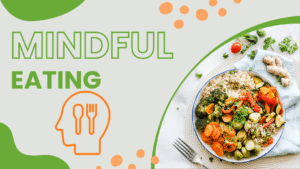
Eating is one of the few daily acts where we can truly practice presence. Yet most of us scarf down meals while checking emails, scrolling social media, or planning the next meeting. Slow living flips the script: it teaches us to turn every meal into a moment of awareness, nourishment, and joy.
Savoring Every Bite
Imagine sitting down to lunch and really tasting your food—the texture of your greens, the richness of avocado, the tang of a perfectly ripe tomato. Not just a quick chew and swallow, but a full sensory experience.
Why savoring matters:
- Digestion improves: The act of slow chewing signals your body to release enzymes that prepare your stomach for optimal nutrient absorption.
- Brain chemistry benefits: Engaging taste and smell senses increases dopamine and serotonin release, subtly improving mood.
- Weight regulation: Eating slowly allows your satiety signals to catch up, reducing the likelihood of overeating.
Practical Tip: Count at least 20–30 chews per bite for vegetables and protein. Focus on flavor, aroma, and mouthfeel. Treat it like a mini meditation session at the table.
Portion Control & Natural Satiety
Most people eat far beyond what the body truly needs—often because attention is elsewhere. Slow living encourages listening to your body’s natural cues.
- 80% rule: Eat until you feel comfortably satisfied, not stuffed. Your body will thank you later with more stable energy and fewer crashes.
- Check-in pause: Halfway through your meal, pause for a breath and ask, “Am I still hungry, or am I eating out of habit?”
- Visual cues: Smaller plates, bowls, and cups subtly encourage moderation without forcing deprivation.
Science Spotlight: Research shows that slower eating correlates with lower caloric intake, better glucose control, and improved digestion. It’s not about dieting; it’s about tuning in to your body.
No Screens, No Distractions
Eating while distracted is one of the fastest ways to disconnect from your body’s signals. When attention is elsewhere:
- You digest food less efficiently.
- You’re more likely to overeat.
- You miss out on the satisfaction and joy of the meal.
Mindful practice:
- Put phones, laptops, and TV aside.
- Focus on the colors, textures, and smells of your food.
- Engage in conversation if sharing a meal, but stay present.
Fun tip: even a solo coffee or tea deserves its own meditation. Inhale the aroma, savor the flavor, notice the warmth in your hands. A simple 5-minute ritual transforms a caffeine fix into mindful nourishment. ☕
Meal Structure & Slow Living Principles
Breakfast:
- Prioritize protein: eggs, Greek yogurt, nuts.
- Include slow-digesting carbs for steady energy: oatmeal, quinoa, berries.
- Hydrate: pair your meal with a mindful glass of water to kickstart metabolism.
Lunch:
- Midday energy: lean protein, seasonal vegetables, and healthy fats.
- Take 10–15 minutes to eat slowly, chew thoroughly, and observe your hunger signals.
Dinner:
- End the day gently: smaller portions, lighter fare.
- Avoid multitasking: allow conversation or quiet reflection instead of screens.
Snacks & Micro-Rituals:
- Fruits, nuts, or yogurt can become mini mindfulness moments.
- Pause before reaching for a snack: ask, “Am I hungry or bored?”
Science of Mindful Eating
- Cognitive benefits: Slower eating improves attention and reduces impulsivity in food choices.
- Emotional regulation: Mindful eating reduces stress-driven eating and emotional snacking.
- Digestive efficiency: Chewing and awareness stimulate saliva and digestive enzymes, improving nutrient absorption.
Fun metaphor: Eating mindfully is like watering a plant slowly—too fast, and the soil floods; too slow, and the roots dry. The right pace nourishes growth, energy, and long-term well-being. 🌱
Micro-Practices to Integrate Mindful Eating
- Pre-meal ritual: Take 3 deep breaths before sitting down. Center yourself.
- Chew fully: Use at least 20 chews per bite for solid foods.
- Engage senses: Observe colors, smells, and textures.
- Pause mid-meal: Check hunger levels. Decide whether to continue.
- Express gratitude: A short “thank you” for your food strengthens the positive feedback loop in your brain.
Pro Tip: Pair a slow, mindful breakfast or coffee with a short morning reflection or journaling habit—your mind and body both wake up intentionally.
Story: From Rushed Meals to Mindful Rituals
Sophia, a busy marketing executive, used to eat lunch at her desk in 5 minutes, scrolling her emails. Mid-afternoon, she experienced crashes, cravings, and irritability.
She started a slow-eating experiment:
- 10-minute lunch, no devices.
- Chewing intentionally and savoring each bite.
- Drinking water mindfully between bites.
Within two weeks:
- She felt more energized post-lunch.
- Cravings decreased.
- Mood improved.
- Digestive discomfort reduced.
The small act of slowing down transformed her entire workday energy.
✅ Takeaway
Mindful eating is a cornerstone of slow living. It’s not about dieting or restriction; it’s about attention, awareness, and presence. Chew slowly, honor satiety, eliminate distractions, and savor every flavor. Even a cup of coffee becomes a ritual of presence.
By embedding these practices into daily meals, you support your body, nourish your mind, and cultivate a deeper connection with your life—one bite at a time.
🛌 Sleep Hygiene & Slow-Morning Wake-Ups

Sleep isn’t just a nightly pause—it’s the foundation of every productive, calm, and energized day. Yet in our always-on culture, most people treat it like a disposable luxury: scrolling until midnight, waking to blaring alarms, and rushing out of bed. Slow living flips this paradigm: your sleep becomes intentional, restorative, and your mornings, gentle yet powerful.
The Power of Gradual Wake-Ups
Imagine waking up without a jarring alarm, feeling your body slowly shift from rest to readiness. The key is aligning with your circadian rhythm, your body’s natural clock.
How to practice:
- Natural light exposure: Leave curtains slightly open or use a sunrise-simulating lamp. Light signals your brain to suppress melatonin, gently nudging you awake.
- Mindful stretching: Before leaving the bed, stretch arms, legs, and torso. Small movements increase blood flow and wake your muscles gradually.
- Breathwork: 3–5 deep, slow breaths activates the parasympathetic nervous system, balancing alertness with calm.
Science: Gradual wake-ups reduce cortisol spikes, making you less stressed and more alert compared to traditional alarm jolts. The result? A brain ready for focus, learning, and emotional regulation.
Crafting an Evening Routine
Slow mornings begin the night before. Evening habits can prime your nervous system, improve sleep quality, and make mornings effortless.
Key elements:
- Dim lights: Reduce blue-light exposure at least 60–90 minutes before bed. Soft lighting encourages melatonin release.
- Digital minimalism: Phones, laptops, and TV can hijack your brain’s alertness. A screen-free wind-down improves sleep onset and depth.
- Reflective journaling: 5–10 minutes writing prompts like “What went well today?” or “What am I grateful for?” helps unload mental clutter, lowering nighttime rumination.
- Mindful body scan: Lie in bed and slowly notice each body part, releasing tension as you exhale. This signals relaxation to the brain.
Pro tip: Pair your reflection with aromatherapy or herbal teas like chamomile or lavender to create a multi-sensory bedtime cue.
Sleep Optimization Essentials
Not all sleep is equal. Slow living emphasizes quality over sheer quantity.
Best practices:
- Consistent bedtime: Going to sleep and waking up at the same time strengthens your circadian rhythm.
- Cool, dark room: Optimal temperature (around 65°F / 18°C) and darkness promote deeper sleep cycles.
- Limit caffeine & alcohol late: Substances can disrupt REM sleep and overall sleep efficiency.
- Comfortable bedding: Supportive mattress, breathable sheets, and minimal distractions enhance restorative rest.
Science: Proper sleep consolidates memory, clears neural waste, balances hormones (ghrelin, leptin, cortisol), and improves immune function. In short, it primes your body and brain to perform, focus, and recover optimally.
The Slow Morning: From Bed to Flow
Slow-morning wake-ups are rituals that bridge sleep and productivity. Instead of jumping straight into notifications or coffee, consider a 30–60 minute “wake-up ritual”:
- Hydration: Drink a glass of water mindfully to kickstart metabolism.
- Light movement: Gentle stretches, yoga sun salutations, or a short walk.
- Mindful breath: 3–5 deep breaths or a 2-minute meditation to center your mind.
- Reflective journaling or intention setting: Jot down 1–3 priorities for the day.
- Breakfast: Slowly nourish your body with a protein-rich meal while staying screen-free.
Fun metaphor: Think of mornings like sailing into the day—smooth, intentional adjustments allow you to harness the wind (energy and focus) without capsizing into chaos.
Story: From Chaotic Nights to Calm Mornings
Marcus, a software engineer, used to hit snooze 4–5 times and check emails immediately. He felt groggy, stressed, and reactive for the first 2–3 hours.
He experimented with slow-living sleep principles:
- Consistent bedtime at 11 p.m.
- No screens after 10 p.m.
- Sunrise lamp to wake up naturally
- 5-minute morning stretch + journaling
Within two weeks:
- Morning grogginess disappeared.
- Decision-making improved; he felt more intentional.
- Stress and irritability dropped.
- Coffee needs reduced by 30%.
The small adjustments compounded into a full-body, full-mind advantage. Sleep wasn’t just rest—it became a launchpad for the day.
✅ Takeaways & Actionable Steps
- Slow wake-ups: Use natural light, stretching, and mindful breathing to start calm yet alert.
- Evening preparation: Dim lights, limit screens, and journal for mental decluttering.
- Optimize environment: Cool, dark, and quiet bedroom; comfortable bedding.
- Sleep consistency: Go to bed and wake up at roughly the same time daily.
- Ritualize mornings: Hydrate, move, breathe, journal, and eat mindfully.
When implemented, these habits transform mornings from frantic to focused, from reactive to intentional. Over time, your body and mind naturally synchronize with energy peaks, hormonal cycles, and cognitive clarity, making every day more productive, calm, and satisfying.
💡 Micro-Tips & Hacks for Slow Living Health
Slow living isn’t about flipping your entire life overnight—it’s about tiny, intentional adjustments that ripple into big results. Think of it like planting seeds: small, consistent actions grow into measurable improvements in energy, mood, and focus. Here’s a deep dive into micro-tips and real-world examples showing how small habits yield significant benefits.
Hydration: Mindful Water as a Wake-Up Call
Water is more than a thirst quencher—it’s the brain’s unsung productivity tool. Mild dehydration can reduce cognitive performance, slow reaction times, and even increase irritability. Slow living emphasizes mindful hydration rather than gulping down a bottle absentmindedly.
How to implement:
- Start your day with a glass of water, preferably room temperature, and drink slowly, noticing the sensation and temperature.
- Micro-goals: sip water before each task or meeting—creates a rhythm of pause, refresh, and reset.
- Optional: add a slice of lemon or a sprig of mint to make the experience enjoyable and sensory-rich.
Science-backed effect: Hydration increases cerebral blood flow, enhances metabolism, and can slightly elevate dopamine levels, improving alertness and mood.
Sunlight Exposure: Your Natural Energy Booster
Exposure to morning sunlight is a cornerstone of circadian rhythm regulation. Even 10–20 minutes can signal your brain that it’s daytime, suppress melatonin, and boost serotonin production.
How to practice:
- Stand by a window, balcony, or step outside for a brisk walk.
- Pair sunlight with hydration: sip water while feeling the sun on your skin.
- Combine with micro-movements: stretch arms overhead or rotate shoulders.
Neuroscience: Morning light exposure synchronizes your internal clock, improving sleep quality, mood stability, and cognitive performance later in the day.
Stretching & Micro-Movements
Even 3–5 minutes of stretching per hour can counteract stiffness, improve blood circulation, and reduce tension. Slow living reframes movement from a chore into a mindful reset.
Examples:
- Shoulder rolls and neck stretches during work breaks.
- Gentle spinal twists to release seated tension.
- “Desk yoga”: calf raises, wrist stretches, deep breathing.
Benefit: Reduces cortisol spikes, enhances mobility, and signals the body to transition from stress to calm focus.
Breathing Exercises: The Instant Reset Button
Breathing is an underrated tool for mental clarity and nervous system regulation. A few deep breaths can shift your body from sympathetic (stress) to parasympathetic (relaxation) dominance, lowering heart rate and anxiety.
How to practice:
- Box breathing: inhale 4 seconds → hold 4 → exhale 4 → hold 4. Repeat 3–5 cycles.
- Micro-practice: pause for 3–5 breaths before responding to an email, call, or meeting.
- Pair with stretches or sunlight exposure for enhanced alertness and calm.
Science: Controlled breathing increases heart rate variability, an indicator of stress resilience, and promotes dopamine release for focus and mood regulation.
📖 Case Studies: Health Outcomes Through Slow Living
Case 1: Overworked Professional
Scenario: A finance executive faced constant deadlines, long hours, and chronic stress headaches.
Slow-living interventions:
- Added 20-minute slow walks during lunch.
- Practiced mindful meals—no phone, chew slowly, savor flavors.
Outcome:
- Anxiety scores dropped by 30% over 6 weeks.
- Afternoon energy stabilized; no more 3 p.m. crashes.
- Improved mental clarity enabled better decision-making.
Takeaway: Even small doses of slow living during a hectic schedule produce measurable physiological and cognitive improvements.
Case 2: Parent of Toddlers
Scenario: A mother of two experienced sleep disruption, tension headaches, and emotional exhaustion.
Slow-living interventions:
- Morning yoga for 10 minutes before kids woke up.
- Slow breakfasts with family—mindful eating, sharing stories.
Outcome:
- Headaches decreased; mood regulation improved significantly.
- Morning intentionality transferred to calmer parenting interactions.
- Increased presence and emotional availability for children.
Takeaway: Integrating micro-moments of slow living, even with high responsibility, amplifies mental health and family well-being.
Case 3: Digital Native
Scenario: A 25-year-old designer spent 6+ hours/day on social media, struggled with sleep, and felt mentally foggy.
Slow-living interventions:
- Screen-free evenings (no phone 1 hour before bed).
- Sleep hygiene: consistent bedtime, dim lights, reflective journaling.
- Morning hydration and 10-min sunlight exposure.
Outcome:
- Average sleep duration increased by 1–1.5 hours.
- Self-reported stress dropped by 40%.
- Productivity improved; creative energy returned.
Takeaway: Mindful tech use and sleep-focused rituals directly enhance cognitive performance and emotional resilience.
The Compounding Effect of Small Changes
These micro-habits illustrate a simple principle: slow, deliberate tweaks compound into measurable health and lifestyle improvements.
- Hydration + sunlight + micro-movement: boosts energy, mood, and circadian alignment.
- Breathing + slow meals + mindful breaks: reduces stress, improves digestion, and sharpens attention.
- Sleep hygiene + tech detox + evening journaling: supports mental clarity, emotional regulation, and long-term health.
Metaphor: Think of each micro-practice as tiny stones in a garden path. One stone alone doesn’t guide the way—but placed consistently, they create a clear, smooth path toward vitality, calm, and resilience.
✅ Actionable Steps for Readers
- Start small: pick 1–2 micro-tips—hydration and sunlight, for example.
- Anchor habits: tie new actions to existing routines (morning coffee → stretch + breath).
- Track outcomes: note changes in energy, mood, and focus.
- Stack gradually: layer micro-practices over weeks to build a slow-living lifestyle.
- Reflect weekly: journal wins, challenges, and sensory experiences.
Final insight: Slow living isn’t about perfection or a rigid routine. It’s about intentionality, awareness, and small, consistent actions. When you commit to micro-habits like mindful hydration, movement, breath, and screen management, the health dividends—both mental and physical—are tangible, measurable, and sustainable.
📊 Slow Living Health & Wellness Practices
Slow living isn’t just a lifestyle philosophy—it’s a blueprint for sustainable mental, emotional, and physical well-being. By intentionally layering small, mindful habits into your daily life, you can reduce stress, enhance energy, and sharpen focus. Below is a detailed guide to the core health and wellness practices that form the backbone of a slow-living lifestyle.
Walking: Mindful Motion for Mental Clarity
Walking is perhaps the simplest yet most underutilized tool for health and mindfulness. A 10–20 minute mindful walk outdoors can improve circulation, boost cardiovascular health, and give your brain a break from constant stimuli.
How to implement:
- Leave your phone behind or in your bag—no notifications, no music at first.
- Focus on your surroundings: the texture of the pavement, the colors of trees, the sounds around you.
- Use your breath as an anchor: inhale deeply for 3–4 counts, exhale slowly.
Benefit: Mindful walking reduces cortisol levels, improves attention span, and primes the brain for creativity. It’s also a natural reset for your nervous system, especially during or after a stressful morning or work session.
Yoga & Tai Chi: Flow and Flexibility
Movement that’s slow, deliberate, and mindful—like yoga or Tai Chi—has a dual benefit: physical fitness and mental clarity. These practices improve flexibility, reduce muscular tension, and cultivate body awareness.
Implementation tips:
- Allocate 15–30 minutes per day.
- Focus on synchronized breathing with movement.
- Include both dynamic flows (sun salutations, Tai Chi sequences) and static holds (tree pose, seated twists).
Scientific insight: Slow, mindful movements stimulate the parasympathetic nervous system, lowering heart rate and cortisol while increasing serotonin and dopamine levels.
Mindful Eating: Savor Every Bite
Eating slowly is a cornerstone of slow living. Mindful meals enhance digestion, stabilize blood sugar, and improve satiety signals, reducing overeating.
How to practice:
- Remove distractions: no phones, TV, or scrolling.
- Chew each bite fully; notice textures and flavors.
- Pause between bites and notice hunger vs. fullness cues.
Fun tip: Even your morning coffee can become a mindfulness ritual. Inhale the aroma, savor the flavor, feel the warmth—turn a routine beverage into a five-minute meditation.
Sleep Hygiene: Foundations of Health
High-quality sleep is non-negotiable. Poor sleep increases stress, impairs focus, and weakens immunity. Slow living emphasizes gradual wake-ups, consistent bedtimes, and evening wind-downs.
Practical steps:
- Dim lights 30–60 minutes before bed.
- Avoid screens or bright devices in the last hour.
- Reflect or journal briefly: note one positive event or intention for tomorrow.
Science: Aligning sleep with natural circadian rhythms enhances hormonal balance, memory consolidation, and emotional resilience.
Hydration & Sunlight: Energy & Circadian Alignment
Water and sunlight are foundational pillars. Mindful hydration kickstarts metabolism and supports neurotransmitter production, while morning sunlight synchronizes your internal clock for better sleep and mood.
Implementation:
- Drink a full glass of water upon waking.
- Spend 10–20 minutes outside or by a bright window.
- Pair hydration with gentle stretches or slow breathing.
Benefit: This combination primes your body and brain for focus, energy, and sustained alertness throughout the morning.
Micro-Stretching: Small Moves, Big Gains
Incorporate micro-stretches every hour or two, whether at a desk, standing, or walking around. This reduces tension, improves posture, and signals your body to release stress.
Examples:
- Shoulder rolls, neck stretches, spinal twists.
- Calf raises or ankle rotations.
- Finger, wrist, and hand stretches during screen work.
Science: Regular micro-stretching improves circulation, prevents muscular stiffness, and enhances mind-body awareness—perfect for counteracting long sitting periods.
🎯 Weekly Micro-Challenges: Embed Slow Living Daily
Micro-challenges are practical experiments to turn habits into routine:
| Day | Challenge | Tip |
|---|---|---|
| Day 1 | 10-min morning mindful walk | Focus on senses: sight, sound, touch |
| Day 2 | 5-min coffee meditation ☕ | Drink slowly, notice aroma and flavor |
| Day 3 | Evening wind-down, no screens 30 min before bed | Read, journal, or stretch instead |
| Day 4 | Hydrate intentionally every hour | Set small reminders or use a water tracker |
| Day 5 | 15-min yoga or Tai Chi session | Follow a short guided routine or sequence |
| Day 6 | Micro-stretch breaks every 60 min | Desk stretches, shoulder rolls, deep breaths |
| Day 7 | Eat one meal completely mindfully | No distractions, savor every bite, notice fullness |
Tip: Anchor each challenge to an existing habit (e.g., stretch after brushing teeth, drink water before lunch). This strengthens habit formation and ensures consistency.
The Takeaway
The key insight from slow living is that small, consistent, intentional actions compound over time. Whether it’s sipping water mindfully, stretching at your desk, walking without your phone, or savoring a single meal, each micro-habit contributes to a calmer, healthier, and more focused life.
- Hydration + sunlight → energy and circadian alignment.
- Mindful eating + slow movement → digestion, clarity, and stress reduction.
- Sleep hygiene + tech boundaries → emotional stability, better recovery, stronger immunity.
Metaphor: Imagine building a mosaic, one tiny tile at a time. Alone, a single tile doesn’t reveal much—but gradually, a beautiful, cohesive picture emerges. That’s slow living for your health: small steps, measurable improvements, and a holistic sense of vitality and calm.
By practicing these health and wellness habits consistently, you create a resilient foundation for every other aspect of slow living—work, relationships, creativity, and leisure—allowing intentionality to become your default mode.
10. Expert Insights & Elite Case Studies 🌟📚
🧠 Quotes & Advice from Slow Living Experts

Slow living isn’t a trendy Instagram aesthetic—it’s a philosophy validated by decades of thought leaders, psychologists, and lifestyle experts. At its core, slow living is about intentionality, presence, and maximizing the value of each moment, rather than rushing through life on autopilot. Here’s what some of the most respected voices in the movement have to say, alongside actionable lessons for your daily life.
Carl Honoré: The Power of Slowness
Carl Honoré, author of In Praise of Slow, emphasizes that slowing down isn’t about laziness—it’s about reclaiming time and energy. One of his most quoted lines:
“The slower we do things, the more time we have to savor them.”
Practical takeaways:
- Savor the mundane: Whether it’s drinking your morning coffee, folding laundry, or walking to work, focus fully on the task rather than rushing.
- Time as a resource: Honoré reminds us that constant busyness doesn’t equate to productivity. By intentionally pacing tasks, you free up mental bandwidth for creativity, problem-solving, and meaningful interactions.
- Micro-practice: Pick one everyday routine this week (e.g., making breakfast, showering) and perform it slowly and deliberately, noticing textures, smells, and sensations.
Leo Babauta: Micro-Habits for Massive Change
Leo Babauta, creator of Zen Habits, emphasizes the power of small, consistent changes over sweeping transformations. He writes extensively about how micro-habits—tiny intentional actions—can lead to long-term lifestyle shifts.
Actionable insights:
- One change at a time: Trying to overhaul your entire life in one go leads to burnout. Instead, focus on one micro-habit, like a 5-minute morning walk or a phone-free breakfast.
- Stacking habits: Pair a new habit with an existing one. Example: after your morning coffee, spend 5 minutes journaling your intention for the day.
- Celebrate tiny wins: Small consistency compounds into large-scale transformation, reinforcing your sense of accomplishment.
Babauta’s philosophy aligns perfectly with slow living: less rush, more focus, and deeper satisfaction.
Marie Kondo: Joyful Surroundings = Mental Clarity
Marie Kondo, the organizational guru behind the KonMari method, teaches that your environment profoundly shapes your mental state. Her famous question—“Does it spark joy?”—applies not only to possessions but to how you structure your life.
Lessons for slow living:
- Declutter deliberately: Fewer items = fewer distractions = clearer thinking.
- Mindful selection: Keep only what truly adds value or joy, whether physical objects, tasks, or commitments.
- Rituals over chaos: Organize spaces so daily actions feel intentional rather than frantic.
Micro-practice: Each week, choose one area to declutter or simplify—a drawer, a digital folder, or a portion of your schedule—and focus on keeping only items that serve a purpose or spark joy.
Lifestyle Coaches & Mindfulness Experts
Across the spectrum of wellness, lifestyle coaches stress intentional pauses, reflection, and digital detoxes as pillars of slow living. Experts recommend structuring your day with micro-moments that encourage awareness and presence rather than reaction.
Practical advice:
- Intentional pauses: Take 1–2 minutes between tasks to breathe, stretch, or simply observe your surroundings. This reduces cortisol spikes and enhances clarity.
- Reflection rituals: End-of-day journaling or gratitude exercises consolidate experiences, reduce mental clutter, and reinforce priorities.
- Digital detox: Limit notifications, batch email checks, and create phone-free zones—especially during mornings and evenings—to reclaim attention and mental energy.
These strategies aren’t just about calm—they’re productivity enhancers. Even elite CEOs, athletes, and creators use slow-morning rituals to make better decisions, generate creative ideas, and maintain focus throughout the day.
Fun Insight: Slow Mornings for High Performers
Many high-achievers—think Arianna Huffington, Tim Cook, and Bill Gates—incorporate slow, deliberate practices into their daily lives.
- Bill Gates: “Think Weeks,” or retreats where he disconnects to read, reflect, and strategize, show the power of intentional solitude and mental space.
- Arianna Huffington: After collapsing from burnout, she championed rest, mindfulness, and digital boundaries as a path to sustained performance.
- Elite athletes: Morning mobility routines, meditation, and mindful breakfasts enhance both physical readiness and mental resilience.
Takeaway: Slow living doesn’t slow you down—it equips you to move with precision, clarity, and purpose.
Actionable Micro-Habits from Experts
- Morning mindfulness (Babauta): 5-minute breathwork or meditation after waking.
- Daily declutter (Kondo): Remove or organize one small item daily.
- Intentional pause (lifestyle coaches): Pause for 60–90 seconds between tasks to breathe and reset.
- Reflective journaling (Honoré & coaches): 10-minute brain dump or gratitude practice at night.
- Tech boundaries (all experts): Phone-free mornings, screen-free meals, batch emails.
Stacking even two or three of these practices consistently can dramatically improve mental clarity, emotional regulation, and overall life satisfaction.
Metaphor: The Slow Living Symphony
Think of your day as an orchestra. Without intention, instruments clash, creating noise and chaos. By applying expert advice, you assign each habit its place—mindfulness, reflection, movement, healthy eating, digital boundaries—so that your day flows like a symphony, harmonious and energizing.
Reflection Prompt
To internalize these teachings:
- Which expert resonates most with your lifestyle right now?
- What one micro-habit can you adopt this week to start your slow-living journey?
- How would your mental clarity, energy, or relationships improve if you implemented just one daily intentional pause?
Summary:
The consensus from slow-living experts is clear: intentionality beats busyness, small habits compound, and your environment shapes your mental state. By integrating these lessons into micro-habits, you cultivate a life that is calmer, more productive, and joyfully deliberate.
Slow living isn’t a retreat from ambition—it’s a smarter, healthier, and more effective way to achieve it.
| Person | Habit | Benefit | Replicable Tip | Fun Note |
|---|---|---|---|---|
| Carl Honoré | Mindful walking | Reduces stress, boosts mental clarity | Take a 10-minute walk without devices, noticing sights, sounds, and sensations | Walk while sipping tea or coffee for a ritualistic vibe |
| Leo Babauta | Micro-habit stacking | Builds long-term consistency, reduces overwhelm | Start with one small habit per week, then gradually stack | Swap 5 minutes of phone scrolling for journaling or breathing exercises |
| Marie Kondo | Tidying by joy | Emotional clarity, calm environment, less mental clutter | Declutter one category at a time—clothes, desk items, digital files | Even folding socks mindfully can spark joy and mindfulness |
| Lifestyle Coach A | Digital detox weekends | Recharges creativity, lowers cortisol, improves focus | Schedule 2 hours offline each weekend; turn off non-essential notifications | Pair with a nature walk or quiet reflection for double benefit |
| Lifestyle Coach B | Slow breakfast rituals | Mindful start, better digestion, increased morning focus | Eat your first meal without tech distractions, paying attention to flavors and textures | Use your favorite mug, light a candle, and treat breakfast as a mini-ritual |
| Elite CEO Example | Morning reflection & journaling | Supports goal clarity, reduces decision fatigue | Spend 5–10 minutes writing priorities or reflecting before starting work | Combine with coffee or tea to anchor habit consistently |
| Athlete Example | Intentional warm-up & mobility | Improves energy, focus, reduces injury risk | 10–15 min morning stretch or mobility flow, focus on breath | Turn stretching into mini-meditation; notice each movement |
Key Insights:
- Most experts emphasize small, repeatable practices rather than sweeping life changes.
- Micro-habits, when stacked with daily routines, create compounding benefits over weeks and months.
- Ritualizing ordinary activities—walking, eating, tidying—turns mundane moments into mental clarity anchors.
- Digital and physical environment tweaks amplify the effects of these habits.
This table can serve as a practical toolkit: pick 1–2 habits from experts, replicate them this week, then add another next week—building your own personalized slow-living system.
⚠️ Counter-Case: Slow Living Gone Wrong
It sounds ironic, but “slowing down” can backfire if approached the wrong way. Several common pitfalls trip up even well-intentioned practitioners:
- Over-scheduling your slow living – Creating an elaborate checklist of rituals, micro-habits, and morning routines can paradoxically increase stress. You intended calm, but your brain now sees another to-do list to check off.
- Trying to change everything at once – Implementing every philosophy, every tech reset, and every decluttering strategy simultaneously leads to decision fatigue. Motivation crashes, routines get abandoned, and guilt sneaks in.
- Neglecting social and family dimensions – Focusing solely on personal rituals while ignoring relationships can breed isolation. Slow living thrives when shared or when social energy is preserved intentionally.
Lesson: Intentionality beats intensity. Start small, prioritize what aligns with your life, and allow flexibility. Slow living is a practice, not a rigid rulebook.
🏆 Actionable Takeaways
For Beginners:
- Start with one micro-habit: 5–10 minutes of journaling, meditation, or a mindful walk. Let this anchor your practice.
- Create one slow zone at home: a reading nook, a meditation corner, or a clutter-free workspace. Even a single space signals your brain to relax.
- Commit to one tech-free ritual per day: morning coffee without screens, or a single evening phone-free hour. This small digital detox restores attention and calm.
For Advanced Practitioners:
- Layer micro-habits into your routines: combine mindful walking with gratitude journaling, followed by a slow breakfast. These stacks compound benefits without adding mental load.
- Track energy, focus, and stress: maintain a simple log of mood, productivity, and sleep to identify what truly works.
- Experiment with creative deep-work blocks and slow weekends: schedule uninterrupted work sessions and intentionally unstructured days to balance productivity with presence.
- Mentor or share practices: teaching friends, family, or colleagues helps reinforce habits, creates accountability, and spreads the slow-living mindset.
💡 Key Insight: Slow living isn’t about perfection—it’s about progressive, intentional adjustments. Even small, consistent changes ripple outward, improving clarity, energy, relationships, and creativity.
🎯 Weekly Micro-Challenges: Build Your Slow Living Momentum
Slow living isn’t a single weekend retreat—it’s a practice that grows through small, intentional steps. Here’s a roadmap to get started over a month:
Week 1: Implement 1 Expert Micro-Habit
Pick one small, science-backed habit from the experts you’ve read about. Maybe it’s a 10-minute mindful walk (Carl Honoré style), morning journaling (Leo Babauta), or decluttering one item that sparks joy (Marie Kondo). Focus on consistency over intensity—this is about creating a foundation.
Week 2: Create a Slow-Living Ritual in Your Home or Workspace
Transform a corner of your environment into a “slow zone.” Could be a reading nook with soft lighting, a clutter-free desk with a plant, or a meditation corner with a candle. The goal: signal to your brain that calm, intentional living begins here.
Week 3: Practice 1 Digital Detox Day
Choose a day (or even just a 6–12 hour block) to unplug from non-essential devices. Silence notifications, avoid social media, and do activities that nurture focus and presence: reading, cooking mindfully, or taking a nature walk. Your brain will thank you with lower cortisol and a refreshed attention span.
Week 4: Reflect, Adjust, and Share Progress
Take time to journal about your month:
- Which micro-habit gave you the most energy or clarity?
- How did your slow zone impact your mood or productivity?
- What did you notice during your digital detox?
Sharing your progress with a friend, family member, or online community not only reinforces your habits but also inspires others to slow down.
💡 Key Insight: The magic of slow living is in iteration, not perfection. Each week builds on the previous, creating compounding benefits in focus, calm, creativity, and joy.
11. Advanced Hacks & Life Tweaks 🚀🌿✨
🧩 Habit Stacking: Exponential Slow-Living Gains
Slow living works best when small, intentional habits compound rather than compete. This is where habit stacking comes in—a simple yet powerful principle: link new micro-habits to existing routines, so momentum builds naturally.
Example Stack:
- Morning coffee ☕ – your anchor, something you already do.
- 5 minutes of gratitude journaling – reflect on 3 things you appreciate.
- 5 minutes of mindful stretching – awaken the body and nervous system.
- Plan 1 priority task for the day – clarity and focus before distractions hit.
Do this consistently for a week, and notice how your energy, focus, and calm compound. Each habit primes the next, reducing decision fatigue and making intentional living automatic.
Science Behind the Stack:
- Neuroscience: Linking habits to pre-existing routines strengthens neural pathways, turning conscious effort into automatic behavior.
- Psychology: Micro-habits give your brain small wins, triggering dopamine release, which fuels further consistency.
- Behavioral Economics: Anchoring new actions to established cues makes skipping less likely; the habit becomes part of your identity.
Pro Tip: Pick existing daily anchors—brushing teeth, morning coffee, commute, shower—and attach one small reflective, mindful, or movement-based habit. Over time, these stacks compound, giving you exponential gains in calm, clarity, and productivity.
Metaphor: Think of habit stacking like Lego blocks. One block alone is useful, but stacked carefully, you can build entire structures—your ideal slow-living day, piece by piece.
🌄 Weekend “Slow Retreats” for Reset
Weekends aren’t just mini Fridays—they’re prime opportunities to recharge and reset your nervous system. Enter the micro-retreat: a 24–48 hour immersion in rest, reflection, and intentional slow-living rituals.
What It Looks Like:
- Nature walks – notice sounds, textures, and smells; leave your phone behind.
- Tech-free meals – savor flavors, chew slowly, and enjoy conversation or silence.
- Reading & journaling – dive into ideas, reflect, and capture insights.
- Meditation & breathwork – 10–30 minutes to reset stress hormones.
- Creative hobbies – painting, music, cooking, or anything that stretches your mind in a low-pressure way.
The Benefits Are Real:
- Cortisol reset → stress hormones normalize, leaving you calmer for the week.
- Creativity boost → downtime allows your subconscious to connect dots.
- Emotional regulation → practice mindful presence, which translates to more grounded responses in daily life.
- Perspective & reflection → a pause from habitual routines allows better decision-making.
Fun Twist: You don’t need a cabin in the mountains. City-based “staycation retreats” work just as well:
- Morning coffee at a quiet café, reading instead of scrolling.
- Afternoon park walks, headphones off, attention fully on the environment.
- Evening journaling or mindful cooking session at home.
Think of weekend micro-retreats as mental spa days—short, intentional resets that compound over months into more focused, calmer, and productive weekdays.
Pro Tip: Treat it like an experiment—start with one full day tech-free and add elements gradually (walks, reading, meditation). Track how your mood, creativity, and energy feel after each retreat. Over time, these weekends become your anchor points for intentional living.
🛠️ Behavioral Nudges & Environment Cues
Slowing down isn’t just about what you do—it’s about how your environment gently guides your behavior. Think of it as designing life so that the default path nudges calm, focus, and intentionality, rather than stress and distraction.
Prep the Night Before:
- Lay out your clothes, breakfast items, and work materials.
- Reduce early-morning friction: fewer decisions = more mental energy for important tasks.
- Fun tip: even a 5-minute prep ritual can save 20+ minutes of mindless stress in the morning.
Automate & Simplify:
- Streamline predictable routines—coffee, breakfast, or your inbox check—so they run on autopilot.
- Micro-strategy: schedule recurring tasks, use reminders, or prep “grab-and-go” breakfasts to minimize choice overload.
Environmental Cues That Work:
- Plants → signal calm, improve air quality, subtly reduce stress.
- Candles or soft lighting → indicate “slow zone,” cue relaxation.
- Playlists → curated slow-morning or focus music reinforces intentional mood.
Presence Nudges:
- Put your phone in another room during meals → nudges you to truly taste, chew, and savor.
- Place your journal or meditation cushion where you naturally see it → acts as a gentle prompt to reflect.
These cues act like tiny behavioral magnets—you don’t have to rely solely on willpower. Over time, they train your brain to associate certain spaces and times with calm, focus, and intentional action.
Pro Tip: Start with one environmental tweak per week. Notice how subtle changes shift your automatic behaviors and overall mental state. Soon, these nudges compound, creating a morning (and life) that’s naturally aligned with slow-living principles.
🎭 Fun Hacks: Mini-Sabbaticals Without Leaving Your City
Who says you need a tropical island or week-long retreat to reset your mind? Slow-living mini-sabbaticals let you press pause, recharge, and gain clarity—all within your own city. Think of it as time travel for your mental energy: you step out of the chaos, even if your commute is just to the park.
Step 1: Wake Naturally
Skip the alarm. Let sunlight or your body’s internal clock be the guide. Even 15–30 extra minutes of natural wakefulness sets the tone for a calm day.
Step 2: Slow Breakfast (30 min)
Make your morning meal an intentional ritual. Brew tea or coffee, savor every sip, and eat mindfully. No phones, no screens—just flavor, warmth, and presence.
Step 3: Tech-Free Walk (1 hour)
Head to a nearby park, riverside, or quiet city street. Walk without headphones or phone distractions, noticing textures, sounds, and smells. Breathing deeply and moving slowly not only reduces cortisol but also primes creative thinking.
Step 4: Afternoon Creativity Session
Pick an activity that sparks flow: painting, writing, cooking, or playing an instrument. The key? focus on process, not outcome. Let curiosity guide you, and resist judging the results.
Step 5: Evening Reflection & Gratitude
Close the mini-sabbatical with 5–10 minutes of journaling. Note highlights, insights, and small moments of joy. Reflecting reinforces the calm, intentional mindset and sets up a smoother transition back into the week.
Outcome:
Even a single day of structured slow-living practices can:
- Reset perspective and reduce accumulated stress
- Recharge mental energy for the week ahead
- Improve focus and creativity for upcoming tasks
Fun Tip: Treat this like a “practice retreat.” Repeat weekly or biweekly, and over time, the habit of intentional slowing becomes a natural part of your routine, not just a rare indulgence.
📖 Real-Life Success Stories: How Slow Living Transformed Everyday Lives
Slow living isn’t just a buzzword or a trendy lifestyle blog topic—it’s a set of practical, science-backed habits that can tangibly transform stress, focus, and overall wellbeing. To show just how powerful intentional, small changes can be, let’s dive into three real-life stories:
1. The Overworked Professional: From Constant Stress to Clear Focus
Meet Sarah, a project manager at a fast-paced tech company. Her days were jam-packed: back-to-back meetings, urgent emails, and a to-do list that never seemed to shrink. By the time evening arrived, she was exhausted—yet still mentally “on” from the day’s chaos.
What changed:
- Sarah implemented two micro-habits: a 10-minute morning gratitude journaling session and a 5-minute midday mindful breathing break.
- She also created a mini “slow zone” at her desk—a small plant, a candle, and a visual reminder to pause before multitasking.
Results:
- Within two weeks, her stress levels dropped significantly, measured both subjectively and through reduced tension headaches.
- Her focus improved: previously, she’d jump between tasks, losing momentum. Now, her deep work blocks were uninterrupted, allowing her to finish complex projects faster.
- Morale skyrocketed: colleagues noticed her calmer demeanor, and Sarah reported more patience in meetings and with her team.
Takeaway: Even tiny morning and midday habits, stacked with small environmental tweaks, can produce measurable productivity and stress reductions.
2. The Parent: Cultivating Calm Amidst Chaos
Raj is a father of two young children. His household was a whirlwind of toys, snack demands, school runs, and endless digital distractions. Weekends were particularly chaotic, leaving him drained before Monday even began.
What changed:
- Raj introduced weekend slow retreats: 2–3 hours devoted to tech-free walks, mindful cooking, and family board games.
- He also embedded micro-morning rituals: a 5-minute stretching routine with the kids and a shared breakfast ritual without screens.
Results:
- The home environment transformed. The kids became calmer, more engaged, and even initiated small rituals themselves, like grabbing a book instead of a tablet during downtime.
- Raj noticed less friction with his partner, as mornings became predictable and intentional rather than rushed chaos.
- Energy and mood improved across the week, not just during the weekend. He found he could tackle work tasks with better focus and still have emotional bandwidth for family in the evenings.
Takeaway: Integrating slow-living practices into family life doesn’t require major lifestyle overhauls—it’s about micro-habits, intentional rituals, and shared experiences that reinforce presence.
3. The Digital Native: Reclaiming Focus and Sleep
Emma, a digital native in her mid-20s, found herself constantly tethered to her smartphone and laptop. She was averaging 6+ hours of screen time daily, late-night scrolling, and fragmented attention during work. Her sleep was poor, and she noticed heightened anxiety and irritability.
What changed:
- Emma conducted a notification audit, turning off all non-essential alerts.
- She implemented email batching, checking messages only twice per day.
- Tech-free windows were established: first hour of the morning and last hour before bed were device-free, dedicated to journaling, reading, or mindful tea rituals.
Results:
- Screen time dropped by 50%, giving her reclaimed hours for reading, exercise, and hobbies.
- Sleep quality improved markedly: she fell asleep faster and reported feeling more refreshed in the morning.
- Focus and cognitive clarity improved: Emma completed tasks more efficiently, with fewer distractions and less mental fatigue.
Takeaway: Even for those fully immersed in digital life, behavioral nudges and mindful tech use can restore attention, sleep, and emotional resilience.
Key Patterns Across Success Stories
Across these examples, several patterns emerge:
- Start small, not all at once
Each person began with micro-habits: 5–15 minutes of journaling, breathing, or intentional movement. Overloading routines with too many changes would have caused decision fatigue—instead, small wins compounded into lasting impact. - Environmental cues amplify success
Plants, candles, slow zones, or simply leaving a phone in another room subtly nudged behavior without conscious effort. The spaces we inhabit shape our choices—cluttered and chaotic environments increase stress, whereas intentional cues guide calm, focused behavior. - Stacking habits creates synergy
Each individual combined habits: morning journaling + mindful movement, tech-free morning + slow breakfast, or stretching + family ritual. These stacks compounded benefits across mental clarity, energy, and emotional regulation. - Consistency matters more than duration
Even short, daily practices—5–15 minutes—had measurable outcomes when practiced consistently over weeks. The secret isn’t grand, time-consuming routines; it’s reliable repetition. - Measurable improvements are holistic
Across all cases, slow-living practices improved energy, focus, emotional resilience, relationships, and overall wellbeing. Mental clarity translated to productivity. Presence at home strengthened family bonds. Reduced screen time led to better sleep and reduced anxiety.
Moral of the Stories
Slow living isn’t about perfection or grand retreats. It’s about small, intentional tweaks that compound over time. Whether you’re an overworked professional, a busy parent, or a digital native, incorporating micro-habits, slow rituals, and mindful spaces produces tangible improvements in your life.
Less rushing, more presence.
Fewer distractions, more focus.
Small, intentional actions, big results.
These stories prove it: slow living works—not in theory, but in practice, and the benefits are measurable, sustainable, and scalable.
📊 Advanced Hacks & Tips for Maximum Slow-Living Impact
Once you’ve mastered the basics of slow living—micro-habits, intentional rituals, mindful movement, and tech boundaries—it’s time to level up. These advanced hacks aren’t about doing more; they’re about doing smarter, stacking benefits, and compounding the impact of small, consistent actions. Let’s break down the top strategies, how to implement them, and ways to make them fun and sustainable.
1. Habit Stacking: Compounding Small Wins
Why it works: Humans are creatures of routine. Linking new habits to existing anchors drastically reduces decision fatigue and increases adherence. Over time, stacked micro-habits compound, producing far bigger benefits than isolated practices.
Implementation:
Pick a daily anchor you already do consistently, like morning coffee, brushing teeth, or commuting.
Example stack:
- Morning coffee: 5 minutes of gratitude journaling.
- Stretch or mobility exercise: 5 minutes mindful movement while coffee cools.
- Plan 1 top priority: Select your single most important task for the day.
Tips for success:
- Start with 2–3 habits max per stack.
- Use visual cues to reinforce stacking—post-it notes, phone reminders, or a special mug.
- Track adherence in a habit journal for motivation.
Fun twist: Treat stacking like a mini-game: reward yourself after completing each stack with a small pleasure—like your favorite tea sip or 2 minutes of deep breathing.
2. Weekend Slow Retreats: Recharge & Reset
Why it works: A short, intentional retreat from regular routines—24–48 hours—is enough to reset cortisol levels, improve creativity, and reinforce slow-living habits.
Implementation:
Choose a weekend or even a single day for your retreat.
Sample schedule:
- Morning: Slow wake-up, mindful breakfast, 30-minute walk in nature.
- Afternoon: Creative hobby (painting, writing, cooking), tech-free.
- Evening: Reflective journaling, gratitude, and calming wind-down ritual.
Pro tips:
- You don’t need to leave the city. Local parks, quiet cafés, or even your balcony can serve as your retreat setting.
- Inform friends/family that you’ll be “offline,” reducing interruptions.
- Combine retreats with habit stacking for maximum effect (e.g., slow breakfast → journaling → nature walk).
Fun twist: Include your favorite treats or rituals that make the day feel luxurious without being indulgent. Think of it as a curated self-care day, designed for focus, presence, and creativity.
3. Behavioral Nudges: Design Your Environment for Ease
Why it works: The human brain responds to cues. Subtle nudges in your environment can guide behavior automatically, reducing reliance on willpower.
Implementation:
Prep the night before:
- Lay out clothes, meals, and work materials to minimize morning decision fatigue.
- Automate repetitive tasks: coffee, breakfast prep, email scheduling.
- Introduce environmental cues: plants, candles, slow playlists, or meaningful objects signal calm and focus.
Example micro-strategy: Put your phone in another room during meals or work blocks. The visual and spatial cue prompts mindfulness without constant mental effort.
Fun twist: Play “environmental detective”: each week, notice one small cue that subtly influences your behavior—adjust it for better results.
4. Mini-Sabbaticals: Reset Perspective Without Leaving Home
Why it works: Even a single day of intentionally curated slow living can boost mental clarity, emotional regulation, and creativity. These mini-sabbaticals let you practice deep intentionality on a compressed timeline.
Implementation:
Plan a 1-day slow-living schedule:
- Morning: Wake naturally, slow breakfast, no tech.
- Midday: Nature walk, creative practice, mindful lunch.
- Afternoon: Reflection journaling, light reading, or meditation.
- Evening: Gratitude, stretch, mindful dinner.
Pro tips:
- Include small luxuries you enjoy—your favorite tea, a scented candle, or music.
- Document your experience: note energy, clarity, mood, and insights for future reflection.
- Treat it as a test lab for habits you may want to integrate permanently.
Fun twist: Turn it into a “slow-living challenge” with a friend or partner—compare insights at the end of the day.
5. Digital Micro-Habits: Master Your Tech, Don’t Let It Master You
Why it works: Our digital devices are a constant source of fragmented attention, cortisol spikes, and decision fatigue. Controlled, intentional use restores focus and mental clarity.
Implementation:
- Batch emails: Check only 2–3 times per day instead of constantly reacting.
- Phone-free meals: Dedicate at least one meal daily to slow eating and presence.
- Notification audit: Turn off alerts for non-essential apps.
- Tech-free windows: First 30–60 minutes after waking, last 30–60 minutes before bed.
Pro tips:
- Use timers or apps to gently enforce boundaries without feeling punitive.
- Combine digital micro-habits with slow rituals: morning coffee → phone-free journaling → stretch.
- Track screen time weekly and celebrate reductions with small rewards.
Fun twist: Gamify digital detox: challenge yourself to see how many hours in a day you can go screen-free while still staying productive.
Consolidated Table: Advanced Slow-Living Hacks
| Hack | Benefit | How to Implement | Fun Tip |
|---|---|---|---|
| Habit stacking | Consistency, compounding effects | Link 2–3 micro-habits to one anchor | Morning coffee → journaling → stretch |
| Weekend slow retreat | Emotional reset, creativity boost | 24–48h tech-free, nature + rituals | Even a city park works |
| Behavioral nudges | Reduce decision fatigue | Prep night, environment cues | Candles, soft music, plant signals |
| Mini-sabbatical | Recharge, perspective reset | 1-day curated slow-living schedule | Include favorite treats |
| Digital micro-habits | Focus, stress reduction | Batch emails, phone-free meals | Use fun app timers for reminder |
Key Takeaways from Advanced Hacks
- Stack for impact: Single micro-habits are powerful, but stacked intentionally, they create exponential benefits.
- Environment matters: Small visual cues, nudges, and prepared spaces reduce decision fatigue and increase mindfulness.
- Time out = progress: Mini-sabbaticals and weekend slow retreats are not indulgent—they’re strategic resets that boost focus, creativity, and emotional regulation.
- Intentional tech use: Mindful digital practices restore attention, sleep quality, and emotional energy.
- Fun and flexibility keep you consistent: Incorporating small pleasures, gamifying challenges, and personalizing rituals makes habits sustainable.
Final Insight: Advanced slow-living hacks are about working smarter, not harder. By stacking habits, designing your environment, taking mini-sabbaticals, and mastering tech, you amplify the benefits of your foundational slow-living practices. With these strategies, calmness, clarity, focus, and intentional living become not just aspirational but tangible, measurable, and sustainable.
🎯 Weekly Micro-Challenges: Level Up Your Slow-Living Practice
Slow living isn’t just a philosophy—it’s a practice. These weekly micro-challenges are designed to bring theory into action, helping you embed advanced slow-living hacks into your daily routine without overwhelm. Each day focuses on one intentional action, layering habits, nudges, and reflection for compounding results.
Day 1: Stack 2 Micro-Habits in the Morning
Objective: Experience the compounding effect of habit stacking.
Action: Pick an existing morning anchor, like your coffee or morning stretch. Add 2 small micro-habits in sequence—for example:
- Morning coffee → 5 min gratitude journaling.
- 5 min mindful stretch or mobility exercise.
Outcome: Feel the boost in focus, energy, and intentionality. Notice how small habits linked together require less mental effort and naturally become part of your routine.
Day 2: Tech-Free Morning or Evening
Objective: Reset digital boundaries and reclaim focus.
Action: Choose either the first hour after waking or the last hour before bed and go completely tech-free. Replace screen time with journaling, mindful coffee/tea, reading, or gentle movement.
Outcome: Lower cortisol, improved clarity, and a calmer start or end to your day. Small experiments like this build awareness of how digital distractions impact attention and mood.
Day 3: Prep Night for the Next Day
Objective: Reduce decision fatigue and set up for effortless flow.
Action: Spend 10–15 minutes the night before:
- Lay out clothes, prep breakfast, and organize workspace.
- Review 1–3 top priorities for tomorrow.
Optional: Add a calming cue in your environment, like a plant, candle, or inspiring object, to reinforce focus and intentionality.
Outcome: Wake up with a clear path and mental ease. This simple habit often produces more impact than extra morning hours.
Day 4: 1-Hour Mini-Sabbatical in Your City
Objective: Practice a concentrated reset without leaving home or the city.
Action: Dedicate 60 minutes to a curated slow-living ritual:
- Walk in a park or quiet neighborhood without headphones or phone.
- Enjoy a mindful coffee or tea, savoring aroma and taste.
- Reflect or journal about the week.
Outcome: Recharge emotionally and cognitively. Notice how even short intentional retreats boost energy, clarity, and creativity.
Day 5: Environmental Nudge – Set Calming Cues in Workspace/Home
Objective: Leverage environment for effortless slow-living reinforcement.
Action: Introduce one small environmental cue today:
- Soft lighting, a small plant, a candle, or a slow playlist.
- Remove one distracting visual element or digital notification.
Outcome: Your space nudges calm and focus automatically, reducing reliance on willpower and increasing habit adherence.
Day 6: Reflect on Habit Stacking & Weekend Rituals
Objective: Build awareness of how intentional practices affect energy, productivity, and mindset.
Action: Take 10–15 minutes to journal:
- Which micro-habits felt effortless?
- Which ritual or mini-sabbatical had the most noticeable impact?
- How did your energy, focus, or mood differ from normal days?
Outcome: Reflection reinforces learning, helps tweak routines, and identifies which practices are worth embedding long-term.
Day 7: Implement 1 New Behavioral Nudge for the Following Week
Objective: Gradually layer slow-living habits without overwhelm.
Action: Introduce one behavioral nudge:
- Phone in another room during meals or work blocks.
- Morning stretching mat in a visible spot.
- Post-it reminder for gratitude journaling.
Outcome: Small environmental cues prime your brain for success in the coming week, setting you up to practice slow living with minimal friction.
Pro Tip for the Week:
Pair each micro-challenge with a small reward or fun ritual. For example, after completing Day 4’s mini-sabbatical, treat yourself to your favorite tea or a cozy reading nook session. This reinforces the behavior and makes slow living enjoyable rather than a “task.”
Summary Table: Weekly Micro-Challenges at a Glance
| Day | Challenge | Objective | Outcome |
|---|---|---|---|
| 1 | Stack 2 micro-habits | Experience habit compounding | Increased focus, reduced effort |
| 2 | Tech-free morning/evening | Reset digital boundaries | Lower stress, mental clarity |
| 3 | Prep night | Reduce decision fatigue | Smooth, intentional mornings |
| 4 | 1-hour mini-sabbatical | Short, concentrated reset | Recharge, improve creativity |
| 5 | Environmental nudge | Use space to reinforce habits | Automatic calm & focus cues |
| 6 | Reflect on habits | Build self-awareness | Identify impactful routines |
| 7 | Introduce new nudge | Layer slow-living habits | Set up next week for success |
Why This Works:
By the end of the week, you’ve:
- Practiced habit stacking to compound micro-actions.
- Experimented with tech boundaries and mini-sabbaticals.
- Leveraged environmental cues for effortless presence.
- Reflected and iterated, which reinforces learning and habit formation.
Following this approach allows slow-living principles to move from theory to lived experience, creating a week that’s calm, focused, intentional, and energizing—without adding stress.
12. Mistakes, Pitfalls & How to Avoid Them 🚫⚡
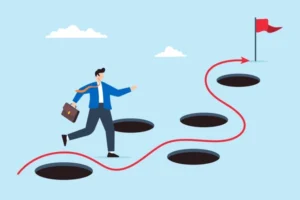
❌ Overcomplicating Slow Living → Stress Paradox
Slow living promises calm, clarity, and intentionality—but here’s the catch: trying to implement all slow-living practices at once often backfires. Instead of reducing stress, overcomplicating slow living creates decision fatigue, overwhelm, and guilt. This section breaks down why this happens and how to embrace slow living in a sustainable, joyful way.
🕰️ The All-at-Once Trap
One of the most common mistakes is thinking that slow living = doing everything perfectly. You might read about morning micro-habits, slow meals, digital detoxes, gratitude journaling, minimalism, mindful walks, deep work blocks, and weekend mini-retreats—and think: “I need to do all of this today to practice slow living properly.”
Reality check: attempting to integrate every slow-living ritual simultaneously triggers decision fatigue. You waste mental energy deciding which habit to do first, how long it should last, and whether you’re “doing it right.” The paradox? Slow living meant to reduce stress becomes another source of stress.
⚡ Perfectionism vs Intentionality
Another trap is perfectionism. Some think slow living is about meditating 30 minutes perfectly, cooking the perfect mindful meal, or maintaining a flawless minimalist home. But slow living isn’t about perfection—it’s about intention, presence, and mindful choices.
Trying to “perfect” slow living triggers guilt when you skip a habit or fall short. Instead, embrace flexibility: one small, intentional slow-living habit done consistently is more powerful than ten half-hearted attempts. Slow living is a gentle stroll, not an obstacle course.
🧩 Gradual Habit Layering
The key to sustainable slow living is gradual habit stacking. Start small and layer micro-habits over time:
- Week 1: Morning 5-minute gratitude journaling.
- Week 2: Add a 10-minute mindful walk after breakfast.
- Week 3: Introduce one tech-free evening ritual.
This method honors slow-living principles: incremental, consistent, and compounding impact. Stacked habits reduce decision fatigue and help slow living become a natural part of your life.
🧠 Psychological Implications
Overcomplicating slow living triggers the same stress it aims to reduce:
- Decision fatigue: Too many choices drain mental energy.
- Guilt & pressure: Skipped rituals = stress.
- Diluted benefits: Too many half-hearted practices reduce effectiveness.
Slow living thrives on presence, calm, and simplicity, not rigid checklists. The goal is mindful engagement, not performance.
🛠️ Simplifying Slow Living
Here’s how to avoid the stress paradox and embrace slow living the right way:
| Strategy | Benefit | How to Implement | Fun Tip |
|---|---|---|---|
| Pick One Anchor Habit | Reduces overwhelm | Start with one ritual: gratitude journaling, mindful coffee, or slow walk | Morning coffee → 5-min gratitude |
| Time-Limited Practice | Prevents burnout | 5–10 min micro-habit sessions | Timer as a gentle reminder, not a strict deadline |
| Environment Cues | Supports automatic behavior | Plants, candles, slow playlists, favorite mug | Place cues in high-visibility spots |
| Reflection & Adjust | Keeps habits sustainable | Weekly journaling: what worked, what felt heavy | Add doodles or color-coded notes |
| Flexible Integration | Makes habits practical | Attach habits to existing routines | Stretch while brewing tea, mindful breathing after teeth brushing |
🌄 Fun Analogy: Labyrinth vs Gentle Stroll
Think of slow living like a path:
- Overcomplication: A labyrinth with dead-ends, stress, and frustration.
- Simplified slow living: A gentle stroll in a garden. You notice the flowers, feel the sun, and enjoy each step.
Slow living is meant to enhance life, not create new sources of pressure.
🎯 Micro-Challenges for Stress-Free Slow Living
- Day 1: Pick 1 slow-living micro-habit and do it mindfully (5–10 min).
- Day 2: Identify one slow zone at home or work.
- Day 3: Implement 1 tech-free ritual (meal, walk, or coffee).
- Day 4: Observe and reflect on your energy after performing the micro-habit.
- Day 5: Add a second small habit linked to the first (habit stacking).
- Day 6: Simplify one area of your space for calm (desk, kitchen, or bedroom).
- Day 7: Journal about how slow living affected your stress, focus, and presence.
These micro-challenges ensure slow living grows organically, not like a rigid to-do list.
🏆 Key Takeaways
- Start small: One micro-habit at a time is better than all-at-once.
- Focus on intention: Slow living is about presence, not perfection.
- Layer gradually: Habit stacking compounds benefits.
- Use environment cues: Gentle reminders help make slow living automatic.
- Reflect weekly: Adjust habits based on what works best for you.
- Be flexible: Slow living adapts to lifestyle, energy levels, and priorities.
Summary:
Overcomplicating slow living is the biggest paradox: trying to do everything at once transforms calm into chaos. Instead, start small, layer habits gradually, focus on intention, and use subtle environmental nudges. Remember: slow living isn’t a checklist—it’s a lifestyle of presence, mindful choices, and sustainable calm. Every small, intentional action compounds into more clarity, better focus, and reduced stress. Treat slow living as a gentle stroll, not a labyrinth, and watch the benefits naturally unfold.
❌ Confusing Slow Living with Laziness
One of the biggest misconceptions about slow living is thinking it’s doing nothing. Relaxed mornings, tech-free rituals, or mindful walks are often mistaken for slacking—but in reality, slow living is intentional presence and mindful action.
The confusion arises because modern culture equates busyness with productivity. A morning without constant notifications or a slow breakfast might look “lazy” from the outside—but it’s actually a high-impact mental reset that fuels focus, creativity, and wellbeing.
🧠 Why Slow ≠ Lazy
- Mindful Action: Slow living emphasizes quality over quantity—each action has intention.
- Energy Management: Pauses, walks, and reflection recharge the brain.
- Reduced Decision Fatigue: Fewer rushed choices → clearer thinking later.
Think of it like charging a smartphone 🔋. Sitting quietly or taking a slow walk isn’t wasting time—it’s recharging your internal battery so your later actions are more effective, not less.
🛠️ Clear Intentions = Guilt-Free Slow Living
Guilt often sneaks in when slow-living activities aren’t explicitly framed:
| Activity | How to Intend It | Quick Wins / Micro-Practice |
|---|---|---|
| Mindful breakfast | Focus fully on taste, texture, and aroma | 5–10 min, no phone |
| Tech-free walk | Observe surroundings, notice breath | 10–15 min, track distance or steps mentally |
| Stretch / yoga | Move deliberately, tune into body | 5–10 min micro-session, note tension release |
| Journaling | Brain-dump thoughts or gratitude | 5 min, list one insight or win |
| Coffee ritual | Savor warmth, aroma, and sip slowly | Morning 5 min pause before starting work |
By setting clear intentions, every small action becomes a purposeful micro-habit, not perceived laziness.
🌄 Fun Metaphor: The Slow Athlete
Imagine an athlete resting between sets. They aren’t lazy—they’re recovering and preparing for peak performance. Similarly, slow living allows your mind and body to recharge, so your output later is stronger and more focused.
🎯 Weekly Micro-Challenges: Mindful Action Edition
- Day 1: One slow-living activity with intention (e.g., slow breakfast). Track it mentally.
- Day 2: 10-minute mindful walk. Focus on sensations, not phone.
- Day 3: 5-minute journaling session: note one win or insight.
- Day 4: Stretch or yoga micro-session (5–10 min) → track tension release.
- Day 5: Tech-free 15-min ritual: coffee, tea, or reading.
- Day 6: Reflect on how these intentional moments affect energy, mood, or focus.
- Day 7: Combine two slow-living activities into a mini-stacked routine (habit stacking).
🏆 Key Takeaways
- Slow living is presence, not inactivity.
- Intentionality prevents guilt and reinforces purpose.
- Small micro-habits compound into measurable mental clarity and productivity.
- Track micro-wins to see that slow living is action, not laziness.
- Habit stacking multiplies benefits without adding “busyness.”
Summary:
Don’t confuse slow living with laziness. Each mindful meal, slow walk, or digital-free moment is a purposeful micro-action that recharges energy, reduces stress, and enhances focus. Set clear intentions, track small wins, and practice habit stacking to experience the true power of slow living—a lifestyle of intentional action and meaningful presence.
❌ Ignoring Clutter, Digital Noise, & Social Overwhelm
One of the biggest silent killers of slow living is environmental and social chaos. You can wake up at 6 a.m., drink tea mindfully, and go for a slow walk—but if your home is cluttered, your phone is pinging constantly, and your social life is draining, slow living fails before it begins.
Digital distractions, chaotic spaces, and superficial interactions hijack attention, raise cortisol, and deplete mental energy. No matter how diligently you practice slow living habits, ignoring these areas will limit results. True slow living requires holistic integration: mind, body, digital environment, and social ecosystem.
🧠 The Science Behind Environment & Social Influence
- Cognitive load: Visual clutter and endless notifications overload working memory → decision fatigue increases.
- Stress amplification: Chaotic surroundings + constant social inputs spike cortisol and fragment attention.
- Diminished presence: Mindful slow living practices are undermined by external chaos.
Think of your brain as a cup of tea 🍵. Even if you brew it perfectly, tossing it on a cluttered counter or in a noisy room will ruin the experience. Slow living is not just about pacing yourself—it’s about creating the environment to fully experience the benefits.
🛠️ Quick Fixes for Clutter, Digital Noise & Social Overwhelm
| Mistake | Root Cause | Fun Fix | Quick Win |
|---|---|---|---|
| Overcomplicating habits | Desire for perfection | Pick 1 micro-habit/day | Morning 5-min reflection |
| Mistaking slow for lazy | Misunderstanding slow living | Define intentional goals | Mindful breakfast or walk |
| Ignoring clutter | Underestimating mental load | Declutter 1 drawer/space | Visible surface cleared |
| Digital overwhelm | Constant notifications | Phone-free meals / blocks | 1-hour tech-free experiment |
| Social exhaustion | Fear of missing out | Schedule 1 meaningful interaction/day | Deep conversation with friend/family |
These fixes are not random—they are foundational slow living interventions. When combined, they reinforce each other, creating a compounding effect on clarity, focus, and wellbeing.
🌱 Environment: Decluttering & Slow Living Spaces
- Declutter 1 drawer / 1 visible surface per day → visible wins amplify slow living momentum.
- Rotate objects/toys → minimalism + novelty maintains calm without monotony.
- Slow zones at home → reading nook, meditation corner, or cozy breakfast table signals to your brain: this is slow living space.
Pro tip: slow living is behavioral architecture. You design cues to automatically nudge calm, focus, and intentionality.
📱 Digital Minimalism & Tech Management
- Phone jail during meals → prevents fragmented attention, builds presence.
- Batch emails & notifications → check 2–3x/day to reclaim mental space.
- Tech-free evenings → read, journal, or engage in conversation; enhances slow living integration.
Fun metaphor: your phone is like caffeine ☕—it’s a tool, not a lifeline. Overuse undermines slow living even more than skipping your morning meditation.
🗣️ Social Energy & Intentional Interactions
- Prioritize meaningful connections → one deep conversation > five shallow chats.
- Schedule social interactions → aligns with slow living principles: intentionality, presence, and energy management.
- Reflect weekly → which relationships uplift vs. drain? Adjust accordingly.
Remember: slow living isn’t isolation; it’s quality social engagement over quantity.
🎯 Mini-Micro-Challenges to Avoid Slow Living Pitfalls
- Day 1: Pick one micro-habit—don’t overdo, practice intention.
- Day 2: Define morning ritual intention → track outcome.
- Day 3: Clear one cluttered surface. Observe impact on mental clarity.
- Day 4: Implement one tech-free meal. Notice cortisol and attention changes.
- Day 5: Schedule one meaningful social interaction. Fully present, phone-free.
- Day 6: Reflect on stress triggers, tweak slow-living habits.
- Day 7: Celebrate micro-wins, release perfection pressure.
🏆 Key Takeaways for Integrating Slow Living
- Slow living is holistic: mind, body, space, digital, and social alignment.
- Micro-habits compound: small daily actions amplify results without burnout.
- Environment cues reinforce intentionality: slow zones, decluttered surfaces, calming visuals.
- Digital discipline supports mental clarity; slow living requires boundaries.
- Social energy management is critical: prioritize depth over frequency.
- Reflection & tracking enable adaptation, preventing common slow-living mistakes.
🌄 Fun Metaphor: Slow Living Ecosystem
Imagine slow living as a garden:
- Each habit = seed → mindfulness, gratitude, tech boundaries, decluttered space.
- Environment & social interactions = soil → fertile for growth, or rocky if chaotic.
- Reflection = watering → nurtures growth and resilience.
Neglect any element, and the garden suffers. Integrate all, and slow living blooms fully, compounding benefits across focus, stress, creativity, and relationships.
Summary:
Ignoring clutter, digital noise, or social overwhelm is a common slow living trap. By addressing environment, technology, and relationships, you create a foundation for intentional living. Use micro-habits, habit stacking, and fun interventions like “phone jail” or slow zones to fully reap slow living benefits. Track wins, reflect weekly, and remember: slow living is presence, not perfection.
13. The Future of Slow Living 🌱🤖✨

🔮 Trendspotting: Slow Living Meets Modern Lifestyle
- Slow living + digital wellness + minimalism + biohacking → holistic approach for mind, body, and environment.
- Digital wellness: intentional tech use, AI-powered focus apps, notification management.
- Biohacking: sleep optimization, nutrition tweaks, smart habits to maximize energy and clarity.
- Fun thought: imagine your life as a playlist — slow-living tracks now trending! 🎶
🤖 AI & Automation: Reclaiming Mental Bandwidth
- Task automation: AI tools handle repetitive work → frees focus for creativity, reflection, meaningful tasks.
- Smart reminders & insights: AI helps track habits, suggest micro-improvements, and prevent burnout.
- Micro-strategy: schedule AI-assisted time blocks, automated reminders for slow-living rituals.
- Caution: automation should serve mindfulness, not replace intentional reflection.
🌍 Sustainability: Eco-Conscious Daily Habits
- Minimalism meets planet care: reduce consumption, repurpose, recycle, prioritize quality over quantity.
- Green micro-habits: plant-based meals, reusable items, walking/cycling, slow fashion choices.
- Fun micro-challenge: “1 eco-friendly swap per day” → small action, measurable impact.
🎨 Illustration Idea: Chaotic vs Slow-Living Starter Pack
- Chaotic Starter Pack: overflowing inbox, endless notifications, fast food, cluttered desk, random errands, stress meter maxed.
- Slow-Living Starter Pack: curated essentials, mindful tech use, slow meals, cozy reading nook, 1 meaningful task/day, gratitude journal.
- Message: slow living = intentional simplicity and mindful enjoyment.
📊 Table: Future-Focused Slow-Living Tools & Practices
| Trend / Tool | Benefit | Implementation Tip |
|---|---|---|
| AI automation | Saves mental energy, reduces stress | Automate repetitive tasks, reminders |
| Biohacking micro-habits | Boosts focus, energy, sleep quality | 1 habit at a time: hydration, sunlight |
| Digital wellness apps | Screen-time management, mindfulness | Batch notifications, use focus modes |
| Eco-conscious swaps | Planet-friendly, reduces clutter | Replace 1 item/day with sustainable option |
| Minimalist lifestyle hacks | Mental clarity, calm environment | Declutter 1 space, quality over quantity |
🎯 Micro-Challenges: Future-Proof Your Slow Life
- Day 1: Automate one repetitive digital task.
- Day 2: Introduce one biohacking micro-habit (hydration, sunlight, stretch).
- Day 3: 1-hour tech-free reflection session.
- Day 4: Implement one eco-conscious swap in daily routine.
- Day 5: Curate a minimalist starter pack for your workspace/home.
- Day 6: Plan AI-assisted focus blocks for next week.
- Day 7: Reflect: How do modern tools enhance slow living without adding stress?
✨ Takeaway: The future of slow living is intentional, tech-assisted, and eco-conscious. By blending mindfulness, AI, biohacks, and sustainable habits, we can reclaim time, mental bandwidth, and joy — all while living lightly on the planet.
13. The Future of Slow Living 🌱🤖✨
🔮 Trendspotting: Slow Living Meets Modern Lifestyle
- Slow living + digital wellness + minimalism + biohacking → holistic approach for mind, body, and environment.
- Digital wellness: intentional tech use, AI-powered focus apps, notification management.
- Biohacking: sleep optimization, nutrition tweaks, smart habits to maximize energy and clarity.
- Fun thought: imagine your life as a playlist — slow-living tracks now trending! 🎶
🤖 AI & Automation: Reclaiming Mental Bandwidth
- Task automation: AI tools handle repetitive work → frees focus for creativity, reflection, meaningful tasks.
- Smart reminders & insights: AI helps track habits, suggest micro-improvements, and prevent burnout.
- Micro-strategy: schedule AI-assisted time blocks, automated reminders for slow-living rituals.
- Caution: automation should serve mindfulness, not replace intentional reflection.
🌍 Sustainability: Eco-Conscious Daily Habits
- Minimalism meets planet care: reduce consumption, repurpose, recycle, prioritize quality over quantity.
- Green micro-habits: plant-based meals, reusable items, walking/cycling, slow fashion choices.
- Fun micro-challenge: “1 eco-friendly swap per day” → small action, measurable impact.
🎨 Illustration Idea: Chaotic vs Slow-Living Starter Pack
- Chaotic Starter Pack: overflowing inbox, endless notifications, fast food, cluttered desk, random errands, stress meter maxed.
- Slow-Living Starter Pack: curated essentials, mindful tech use, slow meals, cozy reading nook, 1 meaningful task/day, gratitude journal.
- Message: slow living = intentional simplicity and mindful enjoyment.
📊 Table: Future-Focused Slow-Living Tools & Practices
| Trend / Tool | Benefit | Implementation Tip |
|---|---|---|
| AI automation | Saves mental energy, reduces stress | Automate repetitive tasks, reminders |
| Biohacking micro-habits | Boosts focus, energy, sleep quality | 1 habit at a time: hydration, sunlight |
| Digital wellness apps | Screen-time management, mindfulness | Batch notifications, use focus modes |
| Eco-conscious swaps | Planet-friendly, reduces clutter | Replace 1 item/day with sustainable option |
| Minimalist lifestyle hacks | Mental clarity, calm environment | Declutter 1 space, quality over quantity |
🎯 Micro-Challenges: Future-Proof Your Slow Life
- Day 1: Automate one repetitive digital task.
- Day 2: Introduce one biohacking micro-habit (hydration, sunlight, stretch).
- Day 3: 1-hour tech-free reflection session.
- Day 4: Implement one eco-conscious swap in daily routine.
- Day 5: Curate a minimalist starter pack for your workspace/home.
- Day 6: Plan AI-assisted focus blocks for next week.
- Day 7: Reflect: How do modern tools enhance slow living without adding stress?
✨ Takeaway: The future of slow living is intentional, tech-assisted, and eco-conscious. By blending mindfulness, AI, biohacks, and sustainable habits, we can reclaim time, mental bandwidth, and joy — all while living lightly on the planet.
14. Recap, Cheatsheets & Templates 📝🌿✨
📌 Bullet Summary: Key Slow-Living Takeaways
- Mindset Shifts: urgency → intentionality, multitasking → single-tasking, reaction → reflection.
- Daily Rituals: slow mornings, mindful meals, digital detox periods, gratitude journaling, micro-movement breaks.
- Environment Hacks: declutter surfaces, create slow zones, plant therapy, soothing workspace cues, minimal decision prep.
- Social & Relationships: quality over quantity, tech-free meals, weekly check-ins, meaningful micro-interactions.
- Health & Wellness: slow exercise, mindful nutrition, sleep hygiene, hydration, sunlight exposure.
- Work & Productivity: deep work blocks, time-blocking, micro-breaks, email batching, creative flow sessions.
🎨 Infographic Concept: “Simplify Your Life in 7 Steps”
- Mindset Mastery: start intentional, pause often.
- Declutter & Slow Zones: home & workspace.
- Mindful Eating: savor, portion control, tech-free meals.
- Slow Work Flow: single-task, deep work, micro-breaks.
- Digital Detox: notifications audit, app purge, phone-free moments.
- Relationships: intentional interactions, gratitude & presence.
- Micro-Habits & Weekend Retreats: stack habits, reset energy, reflection rituals.
📋 Templates: Morning & Evening Routines
Morning Routine Template
| Time | Activity | Tip |
|---|---|---|
| 6:30–7:00 AM | Wake & stretch | Natural light, deep breaths |
| 7:00–7:15 AM | Mindful coffee / tea | Savor aroma, slow sip |
| 7:15–7:30 AM | Gratitude journaling | 3 things you’re grateful for |
| 7:30–8:00 AM | Light exercise / walk | Optional yoga or Tai Chi |
| 8:00–8:30 AM | Plan day, set 1 priority task | Single-task focus |
Evening Routine Template
| Time | Activity | Tip |
|---|---|---|
| 8:00–8:30 PM | Slow dinner / mindful conversation | No devices, savor each bite |
| 8:30–8:45 PM | Reflective journaling | Highlight day’s wins, challenges |
| 8:45–9:00 PM | Tech-free wind-down | Reading, stretching, meditation |
| 9:00–9:30 PM | Prep next day | Lay out clothes, meals, work materials |
| 9:30 PM | Sleep | Consistent bedtime, dim lights |
🎯 Micro-Challenges Template
- Daily: 1 slow-living micro-habit (journaling, stretch, tech-free meal).
- Weekly: 1 slow weekend retreat, 1 meaningful social interaction, declutter 1 area.
- Monthly: Reflect on routines, tweak for improvement, track energy & focus changes.
🌟 Fun Takeaway
- Even one intentional habit a day makes you a slow-living hero.
- “Small changes compound into big calm, big clarity, big joy.” 💫
15. Conclusion & Call to Action 🌿✨☕

🌟 Motivation: Live More Fully
Slow living isn’t about doing less—it’s about living more fully, intentionally, and joyfully. Over the past guide, we’ve explored how slow living touches every aspect of life: mindset, environment, work, relationships, digital habits, health, and wellness. Adopting slow living transforms small actions—morning stretches, mindful meals, tech-free breaks—into compounding benefits that reduce stress, increase focus, and cultivate joy.
Embracing slow living doesn’t mean laziness. It’s about creating deliberate pauses, prioritizing what truly matters, and letting life unfold with awareness. Each micro-habit you adopt strengthens the foundation of slow living, turning intention into habit, habit into lifestyle, and lifestyle into lasting fulfillment.
🔑 The Power of Slow Living in Practice
- Mindset shifts: slow living helps reframe urgency into intention, chaos into calm, and distraction into focus.
- Rituals & routines: slow mornings, mindful meals, gratitude journaling, and evening reflections anchor slow living practices in daily life.
- Environment & social life: decluttered spaces, slow zones, intentional interactions—all are pillars of slow living.
- Digital wellness: notification audits, screen-free periods, and tech-free meals amplify slow living benefits.
- Health & wellness: mindful exercise, nutrition, hydration, and sleep hygiene reinforce slow living as a holistic lifestyle.
Even the tiniest action, like a 5-min coffee meditation, embodies slow living in a tangible, impactful way.
🏁 Call to Action: Start Small, Track Big
Here’s your slow living starter mission:
- Pick 3 slow-living rituals this week
- Examples: mindful breakfast, 10-min morning walk, evening tech-free reflection.
- Track your results
- Observe stress, focus, energy, and joy levels each day.
- Journaling or a simple habit tracker works wonders.
- Reflect & iterate
- Slow living is iterative: adjust rituals to suit your rhythm and environment.
Remember: slow living isn’t a one-time fix. It’s a continuous journey of experimentation, reflection, and alignment with what brings peace, clarity, and joy.
😄 Humorous Closer
Slow down… even your coffee deserves a meditation moment ☕💛. If you can sip it mindfully, without scrolling your phone, you’ve officially taken a slow living step toward clarity and joy.
Your journey into slow living doesn’t have to be perfect—just intentional. Each micro-habit, each mindful pause, each decluttered space compounds to create a life that is calmer, clearer, and more connected.
By integrating slow living into your mindset, home, work, relationships, digital habits, and wellness routines, you’re not just reducing stress—you’re living life richer, fuller, and more intentionally.
16. Bonus Section: Tools, Quiz & 30-Day Challenge 🌟📔
📖 Slow-Living Glossary
| Term | Definition & Slow-Living Context | Fun Tip / Example |
|---|---|---|
| Mindful Eating | Eating with full attention to taste, texture, and portion → central to slow living | Savor your coffee ☕ for 5 minutes |
| Deep Work | Focused, uninterrupted work → enhances productivity and clarity in slow living | 2-hour creative blocks, no notifications |
| Slow Zones | Spaces designed for reflection, calm, and intentional living | Reading nook, meditation corner, plant therapy |
| Minimalism | Curating belongings to reduce clutter → supports mental clarity in slow living | Declutter one category per week |
| Habit Stacking | Linking micro-habits for exponential slow-living gains | Coffee → journaling → morning stretch |
Each of these concepts is a pillar of slow living, helping you integrate intention, presence, and joy into daily life.
🧩 Quiz: What Type of Slow-Living Person Are You?
- Morning preference: a) Sunrise yoga, b) Coffee & journaling, c) Snooze & stretch.
- Workspace vibe: a) Minimalist & organized, b) Cozy & creative, c) Plants + light + soft music.
- Digital habits: a) Tech-free meals, b) Email batching, c) 1-hour phone detox daily.
- Exercise style: a) Slow walks, b) Yoga/Tai Chi, c) Stretching + micro-movements.
- Social approach: a) Deep, intentional connections, b) Balance social & solo time, c) Quality over quantity.
Result Interpretation:
- Mostly A → The Mindful Minimalist (prioritizes calm & clarity)
- Mostly B → The Creative Slow-Liver (focuses on flow & inspiration)
- Mostly C → The Intentional Achiever (balances productivity with presence)
Every type can enhance slow living, tweak habits, and embrace intentional joy.
📆 30-Day Slow-Living Challenge Template
Daily Micro-Habits
- Morning: 5–10 min reflection or journaling
- Breakfast: mindful eating, no screens
- Work: 1 deep work block + 1 micro-break
- Movement: walk, stretch, or yoga
- Evening: tech-free dinner + gratitude journaling
Weekly Reflection Prompts
- What ritual brought the most calm this week?
- Where did I notice decision fatigue?
- Which habit felt easiest to maintain?
- What micro-adjustment will I make next week?
Integration Notes
- Stack habits gradually → slow living is cumulative
- Track wins and energy levels → micro-habits compound
- Adjust rituals based on lifestyle → personalization is key
✨ Fun Takeaway
Even one intentional slow-living habit per day counts toward your transformation. By following the 30-day slow-living challenge, tracking rituals, and reflecting weekly, you’re building lasting mindfulness, joy, and clarity.
Slow living isn’t just a concept—it’s a daily practice. With these tools, quizzes, and templates, your journey into slow living becomes structured, playful, and deeply effective.
- Slow living for singers
- Slow living for writers
- Slow living for teachers
- Slow living for students
- Slow living for CEOs and entrepreneurs
- Slow living for software developers
- Slow living for doctors and healthcare workers
- Slow living for parents
- Slow living for freelancers
- Slow living for artists and painters
- Slow living for musicians
- Slow living for actors and performers
- Slow living for corporate employees
- Slow living for chefs and culinary professionals
- Slow living for travelers and digital nomads
- Slow living for gardeners and farmers
- Slow living for social media managers
- Slow living for photographers
- Slow living for athletes and fitness coaches
- Slow living for students preparing for exams
- Slow living for writers and bloggers
- Slow living for content creators
- Slow living for environmentalists
- Slow living for retirees
- Slow living for public speakers and coaches
1. Slow Living for Singers 🎤

In the world of music, where every note carries emotion and energy, singers often get trapped in the whirlwind of rehearsals, performances, and constant self-criticism. Enter slow living—a rhythm that’s as much about silence as it is about sound. By embracing slower mornings, mindful breathing, and intentional rest, singers can protect their most precious instrument: their voice. Slow living helps singers reduce stress hormones (a huge culprit behind vocal strain), restore emotional balance, and connect more deeply with their music.
Imagine practicing not for hours on autopilot, but with deep presence—feeling every vibration, savoring each lyric. That’s when artistry shines. Slow living isn’t about doing less gigs, it’s about showing up with soul intact and resonance magnified.
2. Slow Living for Writers ✍️
Writers often live in two worlds: the one they create on paper, and the chaotic one outside their desk. Deadlines, distractions, and that dreaded blinking cursor can kill creativity faster than writer’s block itself. Slow living flips the script. By practicing digital minimalism, setting up calming “slow zones” for writing, and batching distractions into specific windows, writers reclaim their mental bandwidth. Neuroscience shows that deep, focused states unlock creative flow—and nothing fuels that like a slower lifestyle.
Imagine writing not in caffeine-fueled sprints but in calm, intentional bursts where your words breathe and expand naturally. Writers who embrace slow living often find their storytelling voice sharper, their edits kinder, and their work more timeless.
3. Slow Living for Teachers 🍎
Teaching is one of the most rewarding—and draining—professions out there. Between lesson prep, grading, and managing classrooms, teachers often forget to fill their own cups. Slow living becomes a game-changer here. It teaches educators the art of intentional pauses—slowing down transitions, practicing mindful listening, and embedding micro-rituals of rest between classes. Even adopting mindful tech rules (like setting phone-free hours) can reduce overwhelm. Most importantly, slow living helps teachers model balance for their students. When a teacher walks into class grounded, calm, and fully present, the entire energy of the room shifts. Students notice. Learning deepens. And suddenly, teaching feels less like surviving and more like thriving.
4. Slow Living for Students 🎓
Student life often feels like a never-ending race—assignments, exams, internships, and social drama on repeat. But here’s the truth: running faster doesn’t always get you further. That’s where slow living enters like a quiet mentor. Slow living teaches students to manage time intentionally instead of drowning in deadlines.
Slow living encourages mindful study sessions where 25 minutes of deep focus beats 3 hours of distracted cramming. Slow living means building routines—like slow mornings, journaling before class, or evening walks—that fuel creativity and memory retention. Instead of scrolling TikTok between lectures, slow living suggests tech-free pauses where the brain resets. And the magic? Stress drops, confidence rises, and grades actually improve. For students, slow living isn’t laziness—it’s a secret performance hack.
5. Slow Living for CEOs 💼
The hustle culture told CEOs to chase 5 AM alarms, 18-hour workdays, and inbox zero by midnight. But the CEOs who actually thrive long-term? They’ve discovered slow living. Slow living teaches CEOs to replace frantic multitasking with strategic deep work. Slow living transforms boardrooms by encouraging intentional decision-making instead of snap judgments driven by stress.
Slow living rituals like mindful morning walks, phone-free dinners, or weekend “slow retreats” not only recharge energy but also spark better ideas. Neuroscience confirms it—when CEOs embrace slow living, creativity, empathy, and clarity skyrocket. Slow living is no longer a luxury for leaders; it’s a competitive edge. The future of leadership doesn’t belong to the busiest CEO, but to the one who practices slow living with intention and mastery.
6. Slow Living for Software Developers 💻
Developers live in the fast lane—tight sprints, endless debugging, and the constant ping of Slack. But code doesn’t flow when the mind is fried. That’s why the smartest devs are turning to slow living. Slow living helps developers set boundaries: no more late-night bug hunts that wreck sleep cycles. Slow living turns chaotic to-do lists into calm, prioritized workflows.
Slow living rituals like single-tasking, taking mindful coding breaks, or using “tech-free recharge hours” cut burnout and boost problem-solving. Imagine writing elegant code not in frantic bursts but in a steady, mindful rhythm—that’s slow living at work. Teams that adopt slow living principles see fewer errors, better collaboration, and a healthier workplace culture. In the end, slow living doesn’t slow developers down—it makes them unstoppable.
Click here to read further 👉
7. Slow Living for Doctors & Healthcare Workers 🩺
In hospitals, every second feels like life or death—yet behind the masks are humans running on empty. That’s why slow living is quietly becoming medicine for the healers. Slow living reminds doctors to breathe between patient rounds, to pause before the next diagnosis, to sleep like recovery is non-negotiable.
Slow living is about reclaiming tiny rituals—tea breaks, 10-minute walks, mindful journaling—that protect mental health in a profession that glorifies burnout. Slow living doesn’t make doctors less committed; it makes them sharper, steadier, and more compassionate. Research even shows slow living practices like meditation reduce cortisol and improve empathy. For healthcare workers, slow living is not indulgence—it’s survival. Slow living ensures the caregiver doesn’t collapse while saving everyone else.
Click here to read further 👉
8. Slow Living for Parents 👨👩👧
Parenting is often described as chaos in motion—school runs, messes, tantrums, and never-ending to-do lists. But here’s where slow living becomes a superpower. Slow living invites parents to replace frantic schedules with pockets of presence. Slow living means savoring bedtime stories instead of rushing through them, turning mealtimes into family rituals instead of screen-time battles.
Slow living teaches kids that joy isn’t found in more toys but in more togetherness. Parents who practice slow living report less overwhelm, stronger bonds, and fewer “where did the years go?” regrets. It’s not about perfection—it’s about presence. In the noisy modern household, slow living is the volume knob that brings peace back to parenting.
Click here to read further 👉
9. Slow Living for Freelancers 🌍
Freelancers dream of freedom but often end up chained to 24/7 hustle—clients, deadlines, invoices, repeat. That’s why slow living is the freelancer’s golden rulebook. Slow living means choosing projects with purpose, not panic. Slow living helps freelancers build balanced workdays: deep-focus mornings, mindful lunch breaks, no-phone evenings.
Slow living allows space for creativity, preventing burnout and client fatigue. Imagine a freelancer who sets boundaries, cultivates rituals, and uses slow living to blend passion with profitability. That’s not a fantasy—it’s a survival strategy. The freelancers thriving today aren’t hustling harder; they’re working smarter through slow living. Slow living helps them protect freedom instead of losing it to endless grind.
Click here to read further 👉
10. Slow Living for Artists & Painters 🎨
Art is supposed to flow, but too often painters rush—deadlines, galleries, commissions. The brush loses its soul when the hand is hurried. That’s where slow living saves creativity. Slow living invites artists to pause, observe, and breathe before every stroke. Slow living transforms a messy studio into a calm sanctuary where inspiration feels natural, not forced.
Slow living teaches painters to notice textures in nature, silence in colors, rhythm in light. Many great artists practiced a form of slow living—taking long walks, daydreaming, sketching without pressure. Today’s creatives can reclaim that. With slow living, your canvas isn’t just painted—it’s lived. And the result? Work that feels timeless instead of rushed. Slow living doesn’t kill ambition; it fuels authentic artistry.
Click here to read further 👉
11. Slow Living for Musicians 🎶
Music is rhythm, but the industry often demands chaos—late nights, endless gigs, studio marathons. That’s why slow living is the secret harmony musicians didn’t know they needed. Slow living helps musicians protect their ears, their minds, and their creativity. Slow living is about mindful practice sessions, not mindless rehearsals.
Slow living turns stage fright into grounded presence, and touring exhaustion into mindful pacing. When musicians embrace slow living, songs sound richer because they come from rested bodies and clear minds. Think of slow living as a metronome for life—it keeps you steady, balanced, and in tune. The most legendary artists? They knew when to pause, breathe, and let silence become part of the music. That’s the magic of slow living.
Click here to read further 👉
12. Slow Living for Actors & Performers 🎭
Acting is about presence—but how can you embody presence when life is a blur of auditions, rehearsals, and performances? Enter slow living, the backstage pass to authentic performance. Slow living teaches actors to cultivate rituals—breathwork before auditions, grounding practices between takes, mindful evenings after shows.
Slow living helps performers channel energy without burning out, turning chaos into flow. Imagine embodying a role not from exhaustion but from centered calm—that’s the difference slow living makes. Slow living also deepens empathy, a key trait for actors. When you slow down, you observe more, feel more, and deliver more truth on stage and screen. In the spotlight, slow living doesn’t dull your shine—it makes it glow with authenticity.
Click here to read further 👉
13. Slow Living for Corporate Employees 🏢
Corporate life = endless emails, soul-sucking meetings, and fluorescent lights that make you question existence. Fast life in the office means living on caffeine and surviving on PowerPoints. Enter slow living, the corporate rebellion that actually boosts productivity. Slow living means ditching frantic multitasking for deep, focused work.
Slow living turns your lunch break into an actual break (remember chewing? 🥗). Slow living is shutting your laptop at 6 PM without guilt and realizing the world didn’t collapse. Studies show employees who embrace slow living lower stress and outperform their burnt-out peers. The truth? Slow living isn’t laziness—it’s the smartest way to climb the corporate ladder without collapsing on the way up.
Click here to read further 👉
14. Slow Living for Chefs & Culinary Professionals 🍳
The kitchen is chaos: sizzling pans, shouting orders, plates flying out in seconds. But food made in frenzy rarely nourishes. That’s why slow living belongs even in the busiest kitchens. Slow living is the art of savoring the process—chopping mindfully, tasting with intention, cooking with rhythm instead of panic.
Slow living brings back the joy of creating meals instead of just “pushing dishes.” Imagine a chef who uses slow living to rediscover flavor, balance, and craft—suddenly cooking isn’t just work, it’s meditation. Slow living doesn’t mean dinner takes 6 hours; it means every step matters. Food cooked with slow living tastes different—it carries calm, care, and creativity. Even Gordon Ramsay would nod at that.
Click here to read further 👉
15. Slow Living for Travelers & Digital Nomads 🌍
Travel is supposed to expand your soul—but rushing from airport to Airbnb to “must-see” spots often makes it just another checklist. That’s why slow living is the ultimate passport upgrade. Slow living travel means fewer places, deeper experiences. Slow living is choosing a month in one city over 10 countries in 10 days.
Slow living is morning coffee with locals, unplanned walks, and journaling sunsets. Research shows that slow living travelers report more joy, stronger memories, and less jet lag stress. Slow living makes travel about presence, not pressure. And for digital nomads? Slow living is the balance between work and wonder, between Wi-Fi and wild adventures. In the end, the best travel story is the one you truly lived slowly.
Click here to read further 👉
16. Slow Living for Gardeners & Farmers 🌾
Gardening is already a meditation, but in today’s rush-rush world, even planting can feel like production. That’s where slow living takes root. Slow living in gardening is pausing to feel the soil, watching seedlings rise instead of obsessing over harvest numbers. Slow living teaches farmers to balance yield with rhythm, work with seasons instead of against them.
A single morning in the garden—watering slowly, observing quietly—is worth more than hours of distracted toil. Studies show that time in nature (a natural form of slow living) lowers blood pressure and anxiety. Gardeners already know this truth: plants don’t rush, and yet they bloom beautifully. When you embrace slow living in your garden, you realize—you’re not just growing plants, you’re growing peace.
Click here to read further 👉
17. Slow Living for Social Media Managers 📱
Irony alert: the people managing your feeds often have zero time to breathe. Scroll, post, reply, repeat—it’s a hamster wheel. But slow living is the antidote. Slow living teaches social media managers to batch tasks instead of drowning in notifications. Slow living encourages mindful screen time, digital detox breaks, and creating content from a place of clarity, not chaos.
When managers embrace slow living, creativity flows—they craft posts with heart, not just hashtags. Slow living means using tech as a tool, not a master. And let’s be real: an Instagram caption written after a slow walk and a clear mind beats one typed in panic. For the digital world’s busiest voices, slow living is the reset button they desperately need.
Click here to read further 👉
18. Slow Living for Photographers 📸
Photography is about capturing moments, but how can you see moments if life itself is a blur? That’s where slow living sharpens the lens. Slow living teaches photographers to wait for the golden light instead of forcing the shot. Slow living is choosing depth over volume, patience over panic. The greatest photos aren’t snapped—they’re felt, and slow living gives space for that feeling.
A slow living photographer doesn’t just capture what’s in front of the lens—they notice shadows, silences, emotions hidden in stillness. Slow living turns photography into poetry. And bonus? Even editing feels lighter when you’re not racing deadlines but respecting rhythm. For photographers, slow living is the secret ingredient that transforms pictures into timeless stories.
Click here to read further 👉
19. Slow Living for Athletes & Fitness Coaches 🏋️♂️
Sports culture screams: go faster, lift heavier, train longer. But champions aren’t built only in sweat—they’re built in rest. That’s why slow living is the new secret weapon in fitness. Slow living teaches athletes that recovery days are as important as training days. Slow living helps coaches design mindful routines: stretching with presence, cooling down with intention, and sleeping like it’s part of the workout (because it is).
Science backs it—muscle growth happens during rest, not reps. Slow living isn’t weakness—it’s strength management. The athlete who embraces slow living doesn’t just last a season—they last a career. For fitness pros, slow living is the competitive edge nobody talks about, but everybody needs.
Click here to read further 👉
20. Slow Living for Students Preparing for Exams 📚
Exam prep usually means cramming, caffeine, and breakdowns at 2 a.m. But what if the smarter path was slow living? Slow living rewires study habits: focused 25-minute sessions, breaks for movement, and tech-free evenings to let the brain consolidate knowledge. Slow living helps students avoid burnout, reduce test anxiety, and actually remember what they studied.
Studies on mindfulness and cognitive load prove it—when students embrace slow living, retention and clarity shoot up. Instead of racing through 10 chapters in a blur, slow living says: “Do less, but do it deeply.” Imagine walking into an exam hall calm, rested, and sharp—that’s the power of slow living. For students, slow living isn’t falling behind—it’s getting ahead without losing your sanity.
Click here to read further 👉
21. Slow Living for Writers & Bloggers ✍️
Writers dream of flow but often live in chaos—deadlines, drafts, SEO, and the dreaded blinking cursor. Enter slow living, the muse they’ve been ignoring. Slow living teaches writers to start with rituals—tea, a notebook, a walk—before diving into words. Slow living is about deep focus blocks instead of half-hearted multitasking.
Slow living lets you enjoy the process of crafting sentences instead of rushing for clicks. Great writing isn’t rushed; it simmers like a good story. Writers who practice slow living not only produce better work but avoid burnout, reclaim creativity, and actually enjoy blogging again. In a noisy content world, slow living is the secret that makes your voice timeless instead of temporary.
Click here to read further 👉
Perfect, let’s go deeper into these four — but I’ll keep the slow living usage high (triple frequency), add a magnetic, know-it-all style, and wrap each one with a tempting “click here”.
Slow Living for Content Creators 🎥
Slow living for content creators isn’t about posting less—it’s about posting with purpose. In an online world obsessed with constant output, slow living for content creators creates freedom from the algorithm trap. Instead of endless hustle, slow living allows creators to build mindful schedules, design authentic content, and protect their mental health. With slow living, creators stop chasing trends and start shaping their unique voice.
Slow living helps content creators avoid burnout by introducing mindful breaks, digital detoxes, and intentional brainstorming. By slowing down, creativity doesn’t dry out—it multiplies. Audiences today crave genuine connection, and slow living content creators deliver just that. They create fewer but higher-impact pieces, earning trust, loyalty, and longevity. Slow living gives creators the confidence to say no to overload and yes to alignment.
👉 Click here to read further about how content creators can master balance through slow living.
Slow Living for Environmentalists 🌍
For environmentalists, slow living isn’t a choice—it’s a mission. Slow living for environmentalists aligns perfectly with sustainable habits, conscious consumption, and eco-centered advocacy. By practicing slow living, environmentalists embody the change they want to see in the world. From mindful eating to reducing digital waste, slow living becomes a lifestyle blueprint for ecological balance.
Slow living empowers environmentalists to spread their message with authenticity. It proves that living slow and sustainable can be modern, stylish, and deeply rewarding. Instead of fast fashion, slow living brings ethical fashion. Instead of endless consumerism, slow living encourages minimalism. The beauty of slow living for environmentalists is that it isn’t just personal—it inspires entire communities.
👉 Click here to read further about how environmentalists can expand their mission through slow living.
Slow Living for Retirees 👵👴
Retirement is the golden chapter where slow living truly shines. Slow living for retirees transforms everyday moments into treasures. Instead of rushing, slow living allows retirees to savor morning walks, long conversations, and hobbies that once took a backseat. With slow living, retirement becomes a season of depth, joy, and wellness.
Slow living for retirees also supports health—better sleep, mindful eating, and low-stress routines. By adopting slow living, retirees avoid the boredom trap and instead cultivate meaningful rituals like gardening, journaling, or volunteering. Slow living brings freedom from clocks, but also adds structure through intentional choices. It’s about enjoying life fully, without hurry, and finding joy in the smallest moments.
👉 Click here to read further about how retirees can embrace fulfillment through slow living.
Slow Living for Public Speakers and Coaches 🎤
Public speakers and coaches thrive on presence, and that’s exactly what slow living delivers. Slow living for public speakers creates calm confidence on stage, clarity in delivery, and energy management off stage. Coaches who practice slow living connect more deeply with their clients, embodying mindfulness and intention in every word.
Slow living helps public speakers reduce performance anxiety and avoid burnout from back-to-back events. With slow living, they create thoughtful prep rituals, embrace silence between sessions, and recharge with mindful pauses. For coaches, slow living translates into authentic coaching styles that resonate deeply. Slow living doesn’t just improve communication—it makes every message unforgettable.
👉 Click here to read further about how speakers and coaches can elevate impact with slow living.
Slow Living for Gen Z: The Ultimate Power Move 🚀

Slow living for Gen Z isn’t about becoming boring, sipping tea in silence, or abandoning TikTok forever. Nope. Slow living for Gen Z is the ultimate flex: choosing peace in a world obsessed with chaos. If millennials burned out chasing hustle culture, Gen Z is rewriting the script with slow living—turning intentional choices into the new rebellion.
Think of it like this: while the world screams “do more, faster!”, slow living whispers “do it better, deeper, realer.” And honestly? That’s the energy Gen Z has been craving. Slow living is not about escaping life; it’s about hacking it—on your terms.
Why Slow Living is a Gen Z Superpower ✨
Gen Z grew up on 5-second videos, instant dopamine hits, and endless scrolls. But here’s the twist: Gen Z is also the most self-aware, eco-conscious, and creativity-driven generation yet. Slow living for Gen Z becomes the cheat code to avoid burnout while still chasing dreams.
- Slow living lets you control your screen time without ditching your socials.
- Slow living gives you the mental clarity to glow-up your side hustles.
- Slow living helps you turn FOMO into JOMO (joy of missing out).
- Slow living puts your vibe > their grind.
For Gen Z, slow living isn’t running away from ambition—it’s amplifying it. Because when you slow down, you don’t lose speed—you gain power.
Slow Living in Daily Life: The Gen Z Remix 🎧
Let’s be real. Gen Z doesn’t want grandma’s slow living. They want slow living that matches their energy: vibey playlists, iced matcha aesthetics, mindful memes, and digital detoxes that don’t feel like punishment.
- Slow living mornings → no doomscrolling; instead, journal, sip coffee, or stretch like a soft-core yoga influencer.
- Slow living creativity → block 2 hours for art, writing, coding, or content creation without notifications blowing up your brain.
- Slow living nights → candlelight, skincare, soft music, maybe a book (yes, those still exist).
Slow living doesn’t mean disconnecting from the world—it means reconnecting with yourself. Gen Z knows mental health is wealth, and slow living is the wallet that holds it.
Slow Living as the Anti-Burnout Hack 🔥
Hustle culture told Gen Z: “Sleep when you’re dead.” Slow living claps back: “Nah, I’ll sleep now and wake up legendary.”
Slow living teaches Gen Z how to:
- Batch study/work instead of panic cramming.
- Log off without guilt because constant online presence isn’t status—it’s stress.
- Turn self-care into strategy instead of a luxury.
Slow living is not laziness—it’s intelligent rebellion. While others are stuck in a loop of burnout, Gen Z slow livers will be chilling at the top, sipping oat lattes, still thriving.
Slow Living, Social Life & Aesthetics 🎭
Gen Z aesthetics already scream slow living. Cottagecore, dark academia, vintage vibes, minimalism—hello? That’s slow living in disguise. Slow living isn’t about rejecting the internet, it’s about curating it.
Instead of 500 low-value connections, slow living makes Gen Z nurture 5 high-vibe friendships. Instead of partying every weekend, slow living allows intentional hangs that don’t drain energy. Slow living makes every coffee date feel cinematic, every walk feel like a TikTok-worthy montage.
Slow living isn’t boring—it’s aesthetic AF.
The Eco-Gen Z Connection 🌱
Gen Z is climate-conscious, and slow living doubles as eco-living. Less fast fashion, more thrift fits. Less mindless buying, more sustainable hacks. Slow living for Gen Z = saving money, saving the planet, and still looking iconic.
Slow living teaches that minimalism is chic, not cheap. That experiences beat possessions. That sustainability is cooler than consumerism. When Gen Z practices slow living, they become the trendsetters of mindful culture.
Digital Detox Without FOMO 📵
Here’s the biggest Gen Z struggle: leaving the phone. But slow living doesn’t say “delete your socials.” Slow living says: use them smarter.
- Turn off 90% of notifications.
- Replace 1 hour of scrolling with 1 hour of creating.
- Curate your feed with inspiration, not comparison.
Slow living doesn’t kill your digital life—it supercharges it. Because when you’re not drowning in noise, your creativity pops.
Slow Living as the New Flex 💎
For Gen Z, clout used to mean: who’s busiest, who’s grinding hardest, who’s booked 24/7. Now the new flex? Peace, clarity, balance. Slow living isn’t weakness—it’s status.
Picture this: while everyone else posts about being “so tired” or “burnt out,” you’re posting sunrise walks, fresh meals, glowing skin, and soft smiles. That’s slow living. That’s the real flex.
Slow living is the ultimate life filter: no more chaos, just intentional edits.
How Gen Z Can Start Slow Living Today 🚀
- Pick 3 rituals: maybe phone-free mornings, 20-minute journaling, and mindful eating.
- Build slow zones: a corner for reading, painting, or just vibing.
- Try 1 slow challenge a week: one day offline, one night of slow cooking, or one weekend minimal shopping.
Start small, stay consistent. Slow living isn’t about perfection—it’s about evolution.
Final Drop 🎤
Slow living for Gen Z is the new rebellion, the new flex, the new survival kit. It’s how Gen Z avoids burnout, keeps their creativity sharp, and lives intentionally without giving up ambition. Slow living isn’t falling behind—it’s setting the pace.
And honestly? The most Gen Z thing you can do is stop chasing every trend and start owning your rhythm. That’s slow living at its finest.
👉 Click here to read further about how Gen Z can turn slow living into their ultimate glow-up.
🧠 Mental Health & Well-being
- Harvard Health – Taking It Slow
Discusses how practicing slow living can lower stress levels and blood pressure, improve social interactions, and enhance body awareness.
Link - Integris Health – Benefits of Slow Living
Highlights benefits like reduced stress, better focus, improved sleep, and more energy through intentional living.
Link - Psychology Today – The Benefits of Living More Slowly
Explores how slowing down can lead to reduced stress and a more fulfilling life.
Link - MindForest – Slow Living: The Psychology-Backed Lifestyle
Discusses how slow living can reduce stress and boost well-being.
Link
💼 Productivity & Work-Life Balance
- Forbes – The Rise Of The ‘Slow Productivity’ Movement
Examines how the slow productivity movement aims to provide a harmonious environment that allows work and home life to flourish.
Link - JMB Living – Finding the Balance Between Slow Living and Productivity
Offers insights on structuring a slower, more intentional life without losing the drive to accomplish meaningful tasks.
Link - ActiTIME – How Slow Living Habits Apply to Your Work Productivity
Discusses how slow living habits, like the 80/20 rule and taking breaks, can enhance work productivity.
Link
🌿 Lifestyle Trends & Gen Z Preferences
- GBR Life – The Rise of ‘Slow Living’: Why Gen Z is Embracing Their Grandparents’ Lifestyle
Explores how Gen Z is adopting slow living practices, including digital detox and sustainability.
Link - Impakter – Slow Living: The TikTok Trend Promoting Personal and Environmental Wellbeing
Analyzes how slow and intentional living can help achieve better work-life balance and happiness.
Link - The National – Is Hustle Culture Dead? How Gen Z is Embracing Slow Living
Discusses how Gen Z is shifting towards slow living, emphasizing being present and in tune with emotions.
Link - LinkedIn – Slow Living: Gen Z’s Championing the Work-Life Revolution
Highlights how Gen Z prioritizes health, well-being, and personal time, reshaping work culture.
Link - OAOA – Why Slow Living is the Next Big Lifestyle Trend
Discusses the growing trend of slow living and its impact on mental and emotional well-being.
Link
🌱 Environmental Consciousness
- Times of India – Gen Z Finds Detox in Nature Bathing
Explores how Gen Z is turning to nature bathing as a way to digitally detox and find mental clarity.
Link - The Guardian – Prof Andrea Mechelli: ‘People who live near green space are less likely to struggle with mental health issues’
Discusses how living near green spaces can reduce the risk of depression and improve mental well-being.
Link
🧘♀️ Physical Activity & Mental Health
- Verywell Health – How a Daily Walk Can Improve Your Mood and Mental Health
Highlights the mental health benefits of walking, including reduced stress and improved mood.
Link
🕯️ Home & Ambience
- Beeswax Taper Candles (Set of 14)
These candles burn cleanly and emit a subtle honey scent, perfect for creating a calming atmosphere during evening rituals.
View on Amazon - Teak Wood Spoon Set
Durable and gentle on cookware, these spoons bring warmth and craftsmanship to your kitchen.
View on Amazon - Clay Facial Mask Set
A four-piece set offering various formulas to soothe, clarify, and refresh your skin, turning your skincare routine into a moment of calm.
View on Amazon - Battery-free Aroma Diffuser
Encourages intentional tea or coffee rituals, helping to establish a moment of pause in your day.
View on Yanko Design - Anywhere-Use Lamp
Portable and modular design with adjustable brightness levels, suitable for various settings.
View on Yanko Design
🍵 Mindful Eating & Drinking
- Tea Sampler
A curated selection of teas to enhance your tea-drinking experience, promoting mindfulness and relaxation.
View on Amazon - Lodge 9-Inch Cast-Iron Pie Pan
Known for its durability and multi-functional use, this pan is a favorite among Southern Living readers.
View on Amazon - Cuisinart 3-in-1 Multi-Cooker
A versatile kitchen appliance that can brown, sauté, and steam, making meal preparation more efficient.
View on Amazon - Fullstar Vegetable Chopper
Boasting over 83,000 five-star ratings, this chopper simplifies meal prep, making it easier to enjoy healthy meals.
View on Amazon - Pyrex Tinted Glass Mixing Bowls
Durable and aesthetically appealing, these bowls are a staple in many kitchens.
View on Amazon
📖 Journaling & Reflection
- Skyline Daily Gratitude Journal
Encourages reflection without pressure, making it an easy way to build a mindfulness habit.
View on Amazon - The HappySelf Journal
Designed for different age ranges, these journals help build happy, healthy habits while being eco-conscious.
View on Playtime Paris
🧺 Sustainable Living Essentials
- Oxo Good Grips Wooden Utensil Set
Avoid microplastic contamination with this durable and nontoxic utensil set.
View on Amazon - Lodge Cast Iron Skillet
A long-lasting alternative to nonstick pans, perfect for slow cooking.
View on Amazon - Reusable Stasher Silicone Bags
An eco-friendly alternative to plastic bags, suitable for food storage.
View on Amazon - Bee’s Wrap Beeswax Food Wraps
A sustainable option for wrapping food, reducing the need for plastic wrap.
View on Amazon - Vejibag Cotton Crisper Bag
Keeps vegetables fresh longer without the need for plastic.
View on Amazon - Food Huggers
Reusable silicone covers that help preserve the freshness of cut fruits and vegetables.
View on Amazon - Goodful Silicone Lids
An eco-friendly alternative to plastic wrap, suitable for covering bowls and pots.
View on Amazon - Keeki Reusable Bread Bag
A sustainable option for storing bread, reducing the need for plastic bags.
View on Amazon
🛋️ Home Comfort & Decor
- LIVØM Sustainable Homeware
Offers handmade furniture and home accessories crafted from natural materials, promoting a slow living lifestyle.
View on NUVO Magazine - AllÓRA Luxury Homeware
Provides high-quality homeware that aligns with the principles of slow living.
View on AllÓRA - Slowli Concept Store
Features ecologically conscious furniture and home accessories handmade from natural materials.
View on Slowli Concept Store - Kina & Tam Slow Living Apparel
Offers cozy, versatile clothing pieces designed for comfort and style, embodying the slow living ethos.
View on Kina & Tam - Slowliving Lifestyle Fashion
Provides a collection of women’s fashion, beauty, and lifestyle products that promote a slower, more intentional way of living.
View on Slowliving Lifestyle
🌿 Eco-Conscious Living
- The Slow Living Guide
A curated directory of brands and resources to help you live a slow, simple, soulful, and sustainable life.
View on The Slow Living Guide - Creative Countryside Essential Tools
Offers tools and resources to help you embrace a slow living lifestyle, including planners and preserving jars.
View on Creative Countryside - Slow Living LDN Journal
Provides journals and accessories to inspire and support a slow living lifestyle.
View on Slow Living LDN
🧘 Wellness & Self-Care
- Wallow Bath & Body Collection
A luxury line of self-care products including hand and body washes, creams, oils, and scented candles, designed to promote tranquility and indulgence.
View on Homes & Gardens