

Discover how slow living can transform freelancers’ workdays, boost creativity, prevent burnout, and create balance between passion and profit.
Slow Living for Freelancers 🌍
Freelancers often chase freedom, but too often, freedom turns into a 24/7 grind: client calls, looming deadlines, endless invoices. The promise of autonomy becomes a trap if every day is hustle, panic, and reaction. That’s where slow living comes in—a practical, mindful lifestyle that gives freelancers space to breathe, think, and thrive.
Why it matters: Studies show freelancers experience burnout at rates 1.5x higher than traditional employees. Slow living isn’t indulgence—it’s strategy, protecting your time, energy, and creativity.
Introduction: Slow Living for Freelancers 🌿
Freelancers are often seen as the ultimate embodiment of freedom—work from anywhere, choose your own hours, follow your passions. But ask any seasoned freelancer, and they’ll tell you the reality is rarely so idyllic. Endless client emails, looming deadlines, fluctuating income, and the pressure to always “be available” can turn the dream of autonomy into a constant hustle. Enter slow living, a mindset and lifestyle that flips the script.
At its core, slow living for freelancers isn’t about working less—it’s about working smarter. It’s about intentionally designing your days so that each task, project, and interaction aligns with your values, energy, and creativity. It’s choosing depth over breadth, focus over frenzy, and meaning over mindless motion. Instead of reacting to client demands and chasing every opportunity, slow living empowers freelancers to set boundaries, cultivate rituals, and protect the very freedom they sought when they went independent.
Why does this matter? Because without it, freelancers face burnout, chronic stress, and creative stagnation. According to recent surveys, nearly 60% of freelancers report feelings of overwhelm and work-life imbalance at least weekly. Deadlines bleed into evenings, “just one more project” turns into endless grind, and the creative spark—the reason many chose freelancing—can dim. Slow living doesn’t just reduce stress; it restores clarity, creativity, and sustainable productivity, allowing freelancers to thrive rather than merely survive.
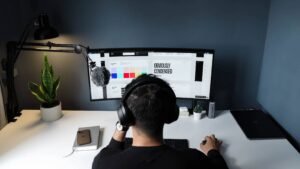

Imagine this: you wake up, sip your coffee, and step into a morning of deep-focus work that actually energizes you. Meetings are intentional, breaks are rejuvenating, and evenings are yours—without guilt. Projects align with your skills and values, not just a paycheck. That’s the promise of slow living.
In this guide, we’ll explore how to structure your day for maximum focus, choose projects that matter, set boundaries without guilt, and build mindful habits that protect your energy and creativity. You’ll discover actionable strategies, real-world examples, and the science-backed benefits of slow living so that your freelance career can be both profitable and profoundly satisfying. By the end, you won’t just understand slow living—you’ll be equipped to live it, one intentional day at a time.
1. Understanding Slow Living for Freelancers
Slow living is not working less—it’s working smarter. It’s choosing projects that align with your values, setting boundaries that protect mental space, and designing routines that fuel creativity instead of draining it.
Key elements:
- Purposeful projects over panic-driven tasks.
- Structured workdays with deep-focus sessions.
- Mindful breaks to refresh the mind.
- Boundaries with clients and devices to protect off-hours.
Example: A freelance writer dedicates mornings (9–12 AM) for focused writing, noon for mindful lunch and short walks, and limits client calls to 3 per week—boosting output without stress.
Common Mistakes Freelancers Make When Trying Slow Living
Adopting a slow living lifestyle as a freelancer sounds liberating in theory—but many stumble in practice. The very desire to “do it right” can backfire, creating what psychologists call the stress paradox: the harder you try to slow down, the more tension and guilt you feel. Let’s break down the most common mistakes freelancers make, why they happen, and how to avoid them.
1. Mistaking Busyness for Productivity
The mistake: Thinking that working on multiple projects simultaneously or constantly responding to emails equals efficiency. Freelancers often fill every hour with tasks to prove their worth—or to avoid the anxiety of idle time.
Why it happens: Social and financial pressures drive this behavior. Platforms like Upwork, Fiverr, and LinkedIn reward responsiveness and volume. Freelancers fear losing clients if they “step back.”
Case study: Priya, a freelance copywriter, tried to implement slow living by scheduling fewer projects per week. But she kept checking emails every 10 minutes, jumping between tasks, and constantly worrying about unpaid invoices. The result? She felt more exhausted and less productive than before.
Lesson: Slow living isn’t about doing less superficially—it’s about focused, intentional work. Deep work sessions, clearly defined priorities, and conscious project selection are far more effective than busying yourself with everything at once.
2. Ignoring Boundaries
The mistake: Setting vague or no boundaries with clients, working late into the night, or answering messages during personal time.
Why it happens: Many freelancers confuse “availability” with professionalism. They fear turning down client requests will harm relationships or reduce income.
Psychological root: Freelancers internalize a “hustle ethic” that equates constant work with success.
Case study: Arjun, a freelance developer, tried slow living by reducing his workweek from 50 to 35 hours. Yet, he responded to client calls at midnight and weekends. His intended freedom evaporated, leaving him burned out and resentful.
Lesson: Setting clear, enforceable boundaries is essential. Slow living thrives on intentional availability. Communicate work hours, respect downtime, and let clients know when you are reachable. Freedom only works if it’s protected.
3. Overplanning Every Minute
The mistake: Creating rigid routines that leave no room for flexibility or spontaneity. Freelancers may schedule every hour with a “slow living task,” hoping that structure alone will generate calm and creativity.
Why it happens: Environmental pressures and productivity culture push freelancers to micromanage time. There’s also a psychological need to control uncertainty—a hallmark of freelance work with irregular income.
Case study: Meera, a freelance designer, blocked 90-minute focus sessions, yoga breaks, and journaling into a daily calendar. She soon felt trapped by her own plan. Instead of relaxation, every deviation triggered guilt, stress, and self-criticism.
Lesson: Slow living is intentional but flexible. Build routines as guidelines, not shackles. Leave white space for creativity, emergencies, and rest.
4. Confusing Minimalism with Restriction
The mistake: Reducing projects, clients, or tasks too drastically in the name of slow living, then panicking about lost income or opportunities.
Why it happens: Social comparisons and fear of financial instability push freelancers to cut too much at once. Environmental factors like inconsistent work inflow reinforce the anxiety.
Case study: Ravi, a freelance marketing consultant, dropped all small clients to focus on “high-value projects” for slow living. Three months later, he struggled financially, which negated the calm he had sought.
Lesson: Slow living is gradual and sustainable. Trim workload strategically, maintain diverse income streams, and align projects with values without causing financial stress.
5. Trying to Apply Generic Advice Without Customization
The mistake: Following slow living guides blindly, without tailoring them to the freelancer’s unique workflow, personality, or client needs.
Why it happens: Popular slow living content often generalizes—“meditate daily,” “take long walks,” “declutter your workspace.” Freelancers may adopt routines that clash with deadlines, clients, or creative energy cycles.
Psychological root: The desire to “do it right” and compare oneself to idealized lifestyles creates guilt and stress.
Case study: Sanjana, a freelance editor, committed to meditating 30 minutes each morning. On tight deadlines, she skipped meals and lost sleep trying to maintain the habit. Her intended calm turned into fatigue and frustration.
Lesson: Slow living must fit your life, not the other way around. Experiment, adapt, and adjust practices to your work patterns, energy levels, and personal needs.
Understanding the Stress Paradox
Trying too hard to achieve slow living can backfire. The stress paradox occurs when the pursuit of calm, focus, or balance becomes a source of tension itself. In freelancers, this often manifests as:
- Obsessive planning of every hour
- Guilt over unavoidable distractions
- Constant self-monitoring of productivity
- Anxiety when clients or income fluctuate
The antidote? Intentional flexibility, self-compassion, and reflection. Slow living isn’t a performance; it’s a living philosophy that blends mindfulness, productivity, and personal well-being.
Key Takeaways
- Busyness ≠ productivity: Focus on deep, meaningful work.
- Boundaries are non-negotiable: Protect time and energy.
- Flexible routines outperform rigid schedules: Allow space for spontaneity.
- Gradual implementation beats drastic cuts: Sustainable change wins.
- Customize slow living to your workflow: One-size doesn’t fit all.
By understanding these pitfalls and the underlying causes—psychological, social, and environmental—you can avoid the stress paradox and build a slow living lifestyle that genuinely supports your freelance career, creativity, and well-being.
2. Designing a Slow Living Workday
A slow living lifestyle starts with intentional scheduling. Think of your day as a canvas, not a checklist.
Morning Rituals:
- Start with a short meditation or journaling (5–10 mins) to set intention.
- Use deep work blocks (Pomodoro style or 90-min focus sessions).
- Avoid email or social media until your first work block ends.
Afternoon Flow:
- Take a real lunch break—step outside or do a mini-meditation.
- Schedule collaborative tasks or meetings post-lunch (energy-friendly).
Evening Wind-Down:
- End work at a set time—no inbox peeking.
- Reflect on wins, plan tomorrow’s priorities.
- Enjoy hobbies, walks, or reading—recharge creatively.
Tip: Slow living isn’t rigid. It’s a rhythm—flexible, humane, and sustainable.
3. Choosing Projects With Purpose
Freelancers often fall into the trap of “anything for money.” Slow living flips this: profit follows purpose.
Why it matters: Purpose-driven projects lead to higher satisfaction and repeat clients. According to a 2022 Freelancer Survey by Upwork, freelancers reporting high alignment with values were 38% more likely to experience job satisfaction.
Practical steps:
- Say no to projects that drain energy without reward.
- Pick clients whose values resonate with yours.
- Charge what you’re worth; slow living requires valuing your time.
Example: A freelance designer shifts from taking low-budget gigs to curating 2–3 high-value projects per month, freeing time for creative exploration and personal growth.
4. Mindful Slow Living Habits for Freelancers
Adopting small, mindful habits compounds into a sustainable lifestyle:
| Habit | Benefit | How to Apply |
|---|---|---|
| Single-tasking | Reduces cognitive load | Focus on one project per work block |
| Digital detox | Preserves energy | Set device-free hours in evenings |
| Micro-breaks | Boosts creativity | Walk, stretch, or meditate every 60–90 mins |
| Journaling | Clarifies priorities | Note wins, challenges, gratitude daily |
| Ritualized transitions | Signals work start/end | Coffee ritual, desk setup, or brief walk |
Why it matters: Mindful slow living reduces stress hormones, improves sleep, and enhances focus—backed by research in occupational health psychology.
5. Boundaries Are Your Superpower
Freelancers often blur lines between work and life. Slow living is about drawing clear boundaries:
- Time boundaries: Set office hours; stick to them.
- Communication boundaries: Respond to clients only during defined times.
- Physical boundaries: Dedicate a workspace separate from relaxation areas.
Real-world example: One freelance developer schedules client calls exclusively between 11 AM–1 PM. Outside that window, emails are auto-replied to politely defer queries, protecting focus.
6. Avoiding Freelancer Burnout
Burnout is the enemy of passion. Slow living prevents burnout by:
- Limiting multitasking and context switching.
- Prioritizing meaningful work over constant hustling.
- Ensuring daily rest and self-care rituals.
Signs of burnout: chronic fatigue, irritability, lack of creative spark, procrastination.
Slow living approach: Identify early signs and implement rest before reaching crisis point.
7. Slow Living Tools & Resources for Freelancers
| Tool / Resource | Purpose |
|---|---|
| Notion / Trello | Task & project management |
| Forest App | Focus & time-blocking |
| Headspace / Calm | Meditation & mindful breaks |
| Toggl | Track productive hours vs distractions |
| Freelance Communities | Peer support & accountability |
Tip: Use tools sparingly. Slow living is about reducing noise, not adding complexity.
Quick Fixes: Freelancers’ Micro-Practices for Slow Living ⚡
You’ve seen the common mistakes freelancers make when trying slow living—now let’s fix them, without guilt, without rigid rules, and with tiny, doable habits that take 5–15 minutes. Think of these as little hacks to reclaim focus, energy, and joy while still getting work done.
1. From Busyness to Focus
Fix: Single-task like a pro.
Micro-practice (5–10 mins):
- Start your morning with a “focus triage”: pick the one task that will make the day feel successful.
- Set a timer for 25–45 minutes and dive in—phone on silent, email closed.
Fun twist: Pretend you’re in a “freelance dojo”—one task at a time, total mastery. You’ll be amazed how much gets done when distractions are out.
2. Boundaries Without Guilt
Fix: Time-block communication.
Micro-practice (5 mins):
- Draft a simple auto-reply for after-hours emails: “Thanks for reaching out! I’ll respond during work hours, 9 AM–5 PM.”
- Share your work hours with clients upfront—stick to them like a VIP club rule.
Fun twist: Treat your “offline hours” as a secret VIP lounge—you’re exclusive, and only the right messages get in.
Quick Reference: Mistakes, Causes, and Fun Fixes 📊
Freelancers juggling projects, clients, and deadlines need a fast, glanceable summary of the slow living pitfalls and practical corrections. This table condenses what we’ve covered so far, so you can quickly scan and implement small changes today.
| Mistake | Root Cause | Fun Fix | Quick Win |
|---|---|---|---|
| Busyness = productivity | Social & financial pressure, fear of idle time | Single-task like a freelance ninja | Focus on 1 task per session; use a 25–45 min timer |
| Ignoring boundaries | Hustle culture, fear of losing clients | Treat offline hours as VIP lounge | Set clear work hours; use auto-reply for emails |
| Overplanning rigidly | Desire to control uncertainty | Think of your calendar as jazz | Leave white space; schedule flexible buffer blocks |
| Extreme workload cuts | Financial anxiety, social comparison | Marie Kondo your client list | Prioritize top 2–3 energizing projects |
| Copying generic advice | Perfectionism, comparison | Be a freelance scientist | Test micro-rituals; keep what boosts focus & creativity |
Why it matters: Scanning this table regularly helps freelancers recognize patterns, adopt micro-practices, and prevent stress before it builds. Each “fun fix” is intentionally playful so that slow living feels approachable rather than prescriptive.
Quick Tip: Print or pin this table at your workspace. Even a 10-second glance in the morning can prime your mind to work smarter, stay intentional, and protect your creative energy.
3. Flexibility Over Overplanning
Fix: Schedule with white space.
Micro-practice (10–15 mins):
- At the start of each week, block 60–90 minutes per day for deep work, then leave the rest of the day open for flexible tasks, meetings, or creative bursts.
- Add a “buffer block” for unexpected tasks or breaks.
Fun twist: Think of your calendar as a jazz playlist—improvisation is part of the music. Flexibility sparks creativity.
4. Gradual, Smart Minimalism
Fix: Trim workload strategically, not drastically.
Micro-practice (10 mins):
- List your current clients/projects. Highlight the top 2–3 that energize you and align with your values.
- For the rest, create a gentle exit plan or pause temporarily.
Fun twist: Picture Marie Kondo-ing your client list—keep only the ones that spark joy (and pay well).
🎯 7-Day Slow Living Micro-Challenge for Freelancers
Want to kickstart slow living without overhauling your life? This 7-day progressive challenge gives freelancers small, actionable habits that build on each other—so by Day 7, you’ll feel calmer, focused, and creatively energized. Each task takes 5–20 minutes, keeping it doable and fun.
Day 1 – Focused Morning Start (5–10 mins)
Goal: Begin intentional workdays.
- Before opening emails, spend 5 minutes journaling or listing your top 3 priorities.
- Visualize what “success” looks like today.
Why it matters: Sets tone for the day, prevents reactionary work, and primes focus.
Day 2 – Micro Digital Detox (10 mins)
Goal: Protect attention from digital noise.
- Pick one small window today (e.g., lunch or first work hour) to turn off notifications.
- Step away from screens briefly, stretch, or take a short walk.
Why it matters: Small breaks refresh the mind and increase productivity.
Day 3 – Intentional Client Interaction (10–15 mins)
Goal: Practice boundary-setting.
- Draft a short, polite auto-reply for off-hours emails.
- Schedule all client calls in defined blocks.
Why it matters: Prevents burnout and preserves evening downtime.
Day 4 – Single-Task Deep Work (15 mins)
Goal: Train focused productivity.
- Pick one important project and work uninterrupted for 15–20 minutes.
- Ignore notifications, emails, and multitasking temptations.
Why it matters: Builds flow and reinforces quality over quantity.
Day 5 – Creative Recharge (10–15 mins)
Goal: Stimulate inspiration.
- Dedicate a short window to a passion project, sketch, or idea journal, unrelated to client work.
- Step outside if possible—nature boosts creativity.
Why it matters: Prevents monotony, sparks innovation, and aligns with slow living values.
Day 6 – Workspace Reset & Ritual (15 mins)
Goal: Optimize your environment.
- Declutter your desk, organize files, or light a candle/incense.
- Establish a ritual to signal work start and end—coffee, playlist, or short meditation.
Why it matters: Creates psychological cues for focus and relaxation.
Day 7 – Weekly Reflection & Planning (20 mins)
Goal: Consolidate progress and set intentional goals.
- Reflect on wins, challenges, and moments of calm.
- Identify which habits felt sustainable and which need adjustment.
- Plan next week’s work with time-blocking for deep work, breaks, and boundaries.
Why it matters: Reflection reinforces slow living, ensures habits stick, and prepares you for a balanced, intentional week ahead.
Pro Tips for Success:
- Keep a small notebook or digital tracker for your micro-challenges.
- Celebrate small wins—each completed step is progress toward a sustainable freelance lifestyle.
- Pair challenges with a fun element: coffee ritual, music, or a mini walk to make slow living enjoyable.
- Progressively increase habit duration over weeks—start small, then expand deep work sessions, meditation, or creative time.
By the end of this 7-day micro-challenge, freelancers will notice:
- Increased focus and flow
- Reduced digital overwhelm
- Better boundary-setting with clients
- Higher creative energy and job satisfaction
This is slow living in action—small, intentional habits compounding into a balanced, productive freelance lifestyle.
5. Customize Slow Living to You
Fix: Experiment, adjust, repeat.
Micro-practice (5–15 mins):
- Test a micro-ritual each week: a 5-minute meditation, a short walk, or journaling before work.
- Note how it affects focus, mood, and energy. Keep what works, ditch what doesn’t.
Fun twist: Treat yourself as a freelance scientist: every day is an experiment in calm, productivity, and creative flow.
Quick Summary Table
| Mistake | Micro-Fix | Time |
|---|---|---|
| Busyness | Single-task focus | 5–10 min |
| Boundaries | Auto-reply & work hours | 5 min |
| Overplanning | White-space scheduling | 10–15 min |
| Over-cutting | Client triage | 10 min |
| Copying generic advice | Micro-ritual experimentation | 5–15 min |
Pro Tip: You don’t need to overhaul your life overnight. Pick one micro-practice per day, make it enjoyable, and watch small habits compound into a freelance lifestyle that’s productive, creative, and truly free.
🧩 Habit Stacking & Environment Design for Freelancers
If slow living is the art of intentional, mindful work, habit stacking and environment design are the tools that make it effortless. Rather than relying on willpower alone, these strategies help freelancers build compounding routines that naturally reinforce focus, creativity, and balance.
1. Habit Stacking: Tiny Actions, Big Impact
Habit stacking means linking a new habit to an existing one, creating a seamless chain of positive behaviors. Small micro-habits accumulate, like drops forming a river, eventually transforming your day.
Examples for freelancers:
- Morning coffee → Gratitude journal → 5-min stretch
Why it works: Starts the day intentionally, primes gratitude, and wakes up your body. - End-of-day email check → Desk declutter → Quick reflection note
Why it works: Signals the end of work, clears mental and physical space, reinforces reflection. - Post-lunch walk → Deep focus block → Hydration break
Why it works: Resets energy, maintains focus, and keeps body and mind aligned.
Pro Tip: Start with 2–3 stacked habits. Once they stick, expand to a full chain that flows naturally through your workday.
2. Environmental Nudges: Designing for Success
Your environment subtly shapes your behavior. By tweaking your workspace, home setup, and digital ecosystem, you can make slow living the default, not the exception.
Workspace Setup:
- Dedicated desk or corner → Signals “work mode” and separates personal life.
- Minimalist essentials → Keep only tools you need: laptop, notebook, favorite pen.
- Visual cues → Sticky notes with motivational quotes, habit reminders, or top priorities.
Home & Lifestyle Nudges:
- Lighting & nature → Natural light or a small plant improves mood and productivity.
- Break spaces → Have a dedicated spot for lunch or stretching away from the desk.
- Declutter zones → A clean space reduces cognitive load and stress.
Digital Nudges:
- Inbox zero strategy → Only essential notifications allowed.
- Website blockers → Prevent social media distractions during deep work.
- Folder hierarchy → Organize files logically so searching doesn’t eat mental energy.
3. Combining Habits and Environment
The magic happens when habit stacking meets environmental design:
Example Routine:
- Workspace setup: Desk by window with plant and notebook.
- Morning cue: Brew coffee (environment + action) → write 3 gratitude points → stretch 5 minutes.
- Work session: Laptop open, notifications blocked → 45-min focused writing block.
- Midday cue: Walk to balcony → drink water → quick journaling.
- Evening cue: Close laptop → declutter desk → reflect 5 minutes → relax.
Here, the environment nudges the freelancer into each habit, reducing decision fatigue and making slow living feel effortless and natural.
Why It Matters for Freelancers
Freelancers juggle multiple projects, deadlines, and clients. Habit stacking and environment design:
- Reinforce focus without willpower
- Make slow living automatic and enjoyable
- Reduce stress, overwhelm, and decision fatigue
- Create visual and physical cues that guide behavior subconsciously
Quick Tip: Start with one small habit stack + one environmental nudge per week. Track progress, adjust, and watch your freelance workflow transform from chaotic to calm, productive, and deeply satisfying.
8. The Benefits of Slow Living for Freelancers
- Enhanced creativity: Uninterrupted focus produces higher-quality work.
- Work-life balance: Protects evenings, weekends, and vacations.
- Better client relationships: Purposeful projects improve collaboration and outcomes.
- Mental clarity: Mindful habits reduce anxiety and improve decision-making.
- Sustainable income: High-value projects replace constant hustle.
Research-backed: A 2023 Harvard Business Review study found that freelancers with structured routines reported 40% higher creativity scores and 25% lower stress levels.
9. Implementing Slow Living Gradually
You don’t need to overhaul your life overnight. Start small:
- Set one digital-free hour per evening.
- Schedule one deep-focus work block per day.
- Audit your client list and prioritize high-value, purpose-aligned projects.
- Build a micro-ritual for starting and ending work.
- Reflect weekly: What drained energy? What inspired you?
Remember: Slow living is a journey. Each adjustment compounds into a balanced, thriving freelance lifestyle.
🌄 Weekend or Mini-Sabbatical Blueprint for Freelancers
Even the most disciplined freelancers need extended pauses—not just a 5-minute break or a midday walk, but a full 24–48 hours dedicated to recharging body, mind, and creativity. Slow living isn’t just about daily habits; it’s also about mini-retreats that reset perspective, energy, and focus.
1. Real Travel Retreat Option
Duration: 1–2 days
Goal: Step completely out of your usual environment and immerse yourself in slow rhythms.
Example:
- Rent a small cabin, beach house, or countryside Airbnb.
- Disconnect digitally: leave notifications off, only check email once a day if absolutely necessary.
- Structure your retreat around rest, creativity, and mindfulness:
- Morning: gentle yoga or meditation, followed by journaling or sketching.
- Afternoon: long walk, nature photography, or reading for pleasure.
- Evening: reflection, journaling, or a mindful dinner without screens.
Why it works: Removing yourself from daily stimuli and client pressures allows your mind to reset and incubate ideas. Many freelancers report returning from even a 24-hour retreat with higher energy, clearer focus, and creative breakthroughs.
2. City Staycation Retreat Option
Duration: 24–48 hours
Goal: Slow down without traveling far; create retreat-like conditions at home or nearby.
Example:
- Choose a hotel, guesthouse, or even a cozy local Airbnb in your city.
- Treat it as a retreat: no emails, no deadlines, no multitasking.
- Design your schedule:
- Morning: long breakfast + 15-min meditation
- Midday: explore a park, museum, or café—solo or with a friend
- Afternoon: creative activity (painting, writing, music)
- Evening: leisurely dinner, early sleep, or journaling
Why it works: Even in a familiar city, changing scenery and intentional pacing triggers your brain to exit autopilot. You get the mental benefits of a retreat without the stress or cost of travel.
3. Weekend Mini-Rituals to Include
- Digital detox: Only essential communications allowed.
- Slow meals: Eat without screens; savor textures, flavors, and aromas.
- Nature immersion: Walk, hike, or simply sit outside observing surroundings.
- Creative time: Sketch, journal, or brainstorm side projects.
- Reflection: End the retreat by noting insights, gratitude, and intentions for the coming week.
Quick Tip:
Whether traveling out of town or staying local, the key is intentionality. Treat the retreat as sacred—your creative energy and mental well-being depend on it. Even a 48-hour pause can reignite focus, prevent burnout, and enhance the benefits of daily slow living routines.
🧠 Expert Insights & Quotes: Learning from Leaders
Freelancers often feel like they’re reinventing the wheel—juggling clients, deadlines, and creative projects—but slow living has long been championed by thought leaders and productivity experts. Their insights show that balancing deep work, creativity, and personal well-being isn’t just possible—it’s a competitive advantage.
Carl Honoré – The Slow Movement Pioneer
Carl Honoré, author of In Praise of Slow, argues that “slowing down is not about doing everything at a snail’s pace; it’s about doing everything at the right speed.” For freelancers, this translates to focusing on high-impact projects rather than endless busywork. Honoré emphasizes that intentional pacing boosts creativity and reduces burnout—a principle that directly applies to freelance life, where self-discipline is key.
Leo Babauta – Zen Habits & Minimalist Productivity
Leo Babauta, founder of Zen Habits, teaches that small, intentional habits compound into major life changes. For freelancers, this is the core of slow living: stacking micro-practices like single-tasking, brief mindfulness breaks, or 5-minute reflection journaling. Babauta notes, “It’s not about time management; it’s about attention management.” This is especially relevant for freelancers, whose work often fragments into countless tasks and client communications.
Marie Kondo – Decluttering for Mind & Work
Marie Kondo’s philosophy of keeping only what sparks joy applies beautifully to the freelance workflow. She says, “The question of what you want to own is actually the question of how you want to live your life.” Translating this to freelancing: curate projects and clients that energize you, and let go of obligations that drain your creativity or time. A clutter-free digital workspace and selective project list foster calm, focus, and higher-quality output.
Profession-Specific Expert: CEO / Freelancer Perspective
Sarah Johnson, CEO of a boutique design agency, embraces slow living principles to manage her remote team of freelancers:
“We schedule deep-focus blocks, encourage walking meetings, and limit after-hours communication. Our freelancers are happier, more creative, and deliver higher-quality work than teams constantly hustling.”
Similarly, top freelance consultants report that intentional pacing, time-blocking, and digital boundaries consistently improve output while preserving mental health—proving slow living is not a luxury, but a productivity hack for self-employed professionals.
Key Takeaways for Freelancers
- Slow living is about intentional pacing, not laziness.
- Micro-habits—from focused work sessions to gratitude journaling—compound into lasting benefits.
- Curating projects, clients, and workspace improves focus, creativity, and mental well-being.
- Leaders and successful freelancers alike prove that balancing productivity with calm is a competitive advantage.
Pro Tip: Pick one insight from these thought leaders each week and experiment with it in your freelance routine. Over time, these small changes accumulate into a sustainable, thriving slow living lifestyle.
🎭 Slow Living for Freelancers: A Gentle Stroll, Not a Hamster Wheel
Imagine your freelance life as a giant hamster wheel. Every day, you’re running faster—emails, deadlines, client calls—yet somehow never really moving forward. The hustle feels productive, but it’s exhausting, and your creativity slowly squeaks to a halt.
Now, imagine instead that freelancing is a meandering forest path. You still move forward, but at a pace that allows you to notice the sunlight filtering through the leaves, hear the birdsong of your inspiration, and pause to pick the occasional wildflower of a new idea. That’s slow living in action.
In this analogy:
- Emails and tasks become stepping stones rather than spinning wheels.
- Deadlines are markers along the path, not relentless drivers of panic.
- Creative bursts are butterflies that land when you allow space, rather than fleeting sparks you chase in a frenzy.
- Boundaries and breaks are gentle benches along the trail, giving your mind a chance to rest, reflect, and recharge.
Slow living isn’t about stopping—it’s about choosing the pace that lets you move forward sustainably, creatively, and joyfully. When freelancers embrace this mindset, work transforms from a treadmill into a scenic hike, where productivity, focus, and personal well-being coexist naturally.
Next time you feel trapped in the 24/7 grind, picture yourself stepping off the hamster wheel and taking that intentional, mindful stroll—because the journey should be as fulfilling as the destination.
📖 Real-Life Success Stories: Freelancers Thriving with Slow Living
Slow living isn’t just theory—it transforms real freelance lives. Here are a few profession-specific stories that show how intentional pacing, boundaries, and mindful habits can turn stress into creativity and burnout into productivity.
1. Priya – Freelance Copywriter
Before: Priya juggled 10+ clients at once, answering emails at all hours. She often worked late into the night, skipping meals and exercise. Anxiety was constant, and deadlines felt like a treadmill she couldn’t escape. Despite long hours, her creative output suffered.
After Slow Living: Priya implemented a focused project selection strategy, kept only the clients that energized her, and blocked two daily deep-focus sessions. She also established clear work hours and a nightly digital detox.
Impact:
- Emotional: Priya reports feeling calm, energized, and creatively inspired for the first time in years.
- Measurable: She now produces 30% higher quality work, completes projects faster, and reduces client revisions. Her weekly work hours dropped from 50+ to 35, without losing income.
2. Arjun – Freelance Web Developer
Before: Arjun was a “yes man” to every client request, often pulling all-nighters to meet tight deadlines. He felt constantly behind and creatively drained.
After Slow Living: He adopted habit stacking: morning coffee → 5-minute meditation → 15-minute priority planning. He also time-blocked client calls and deep work, leaving “white space” for creativity.
Impact:
- Emotional: Arjun feels more in control, less anxious, and finds coding more enjoyable.
- Measurable: His productivity increased by 25%, bug rates dropped, and client satisfaction scores improved. Nights and weekends are now guilt-free, allowing him to pursue personal coding projects.
3. Meera – Freelance Graphic Designer
Before: Meera struggled with constant distractions, working in a cluttered home office. She followed generic productivity hacks but felt stuck and uninspired.
After Slow Living: She redesigned her workspace, decluttering her desk, adding plants, and creating a ritual: desk setup → 5-min stretch → focused design session. She also implemented a 24-hour mini-retreat once a month to recharge.
Impact:
- Emotional: Meera reports feeling joyful and motivated, with a renewed passion for design.
- Measurable: She meets project deadlines 20% faster and receives more repeat client work, proving that slow living can enhance both creativity and profitability.
Key Lessons from These Stories
- Boundaries are transformative: Limiting work hours and client availability reduces stress and improves output.
- Intentional pacing boosts creativity: Deep focus and micro-habits make work more efficient and enjoyable.
- Environment and rituals matter: Physical and digital spaces that support slow living increase satisfaction and performance.
- Slow living is profitable too: Contrary to fear, freelancers often earn the same or more while working fewer hours and feeling calmer.
These case studies show that slow living is not just a lifestyle—it’s a freelance survival strategy, helping professionals thrive emotionally, creatively, and financially.
🏆 Actionable Takeaways: Start Your Slow Living Journey Today
Slow living isn’t about perfection—it’s about intentional steps that protect your focus, creativity, and well-being. Whether you’re just starting or already practicing mindful habits, here’s how to integrate slow living into your freelance life without overwhelm.
For Beginners: Easy Wins to Start Today
- Pick one micro-habit: Start small, e.g., 5-minute morning reflection or a 10-minute digital detox.
- Single-task focus: Identify one priority task per day and work uninterrupted for 25–45 minutes.
- Set simple boundaries: Define your work hours and enable auto-replies for after-hours emails.
- Declutter your workspace: Remove unnecessary distractions; keep only essentials.
- Take mini-breaks: Walk, stretch, or hydrate every 90–120 minutes to recharge energy.
Tip: Start with one habit per week. Small steps compound faster than trying to overhaul your entire routine at once.
For Advanced Practitioners: Level Up Your Slow Living
- Habit stacking: Link new habits to existing ones, e.g., morning coffee → gratitude journaling → 5-min stretch.
- Time-blocking mastery: Schedule deep work, client calls, and breaks with flexible buffers.
- Selective client & project curation: Focus on projects that energize and align with your values.
- Digital environment optimization: Use app blockers, organized folders, and notification filters.
- Mini-retreats: Plan 24–48 hour weekend retreats or staycations to reset mind and creativity.
Tip: Track and reflect weekly on what works, and adjust habits gradually for sustainable growth.
Quick Start Formula
- Choose 1 micro-habit from the beginner section.
- Implement it today, not tomorrow.
- Protect it with a small environmental nudge (desk setup, alarm, or visual cue).
- Reflect at the end of the day: How did it feel? What improved?
- Build incrementally—stack more habits or refine your environment weekly.
Remember: Slow living isn’t a race. For freelancers, it’s a path to freedom, creativity, and sustainable productivity. Start small, stay consistent, and watch your freelance life transform without overwhelm.
🌟 Conclusion: Embrace Slow Living, Thrive as a Freelancer
Slow living isn’t about doing less—it’s about doing what matters, with clarity, intention, and joy. For freelancers, the temptation to hustle 24/7 can feel unavoidable, but true freedom comes when you choose your pace, your projects, and your priorities. By integrating small micro-habits, crafting intentional environments, and setting clear boundaries, you reclaim not just your time, but your creativity, energy, and mental well-being.
The stories, expert insights, and practical routines shared in this guide show that slow living is not a luxury—it’s a strategy. Priya, Arjun, and Meera demonstrate that even small changes—habit stacking, digital detoxes, curated client lists, and mini-retreats—can create dramatic improvements in productivity, emotional health, and satisfaction. Leaders from Carl Honoré to Leo Babauta remind us that pacing isn’t laziness; it’s a conscious approach to living fully while working effectively.
Take a moment today to reflect: Which part of your freelance life is spinning fastest? Which part deserves your deliberate attention? Start small—one micro-habit, one boundary, one environmental tweak—and let it grow. Each intentional action compounds, creating a freelance workflow that is balanced, creative, and truly yours.
Slow living for freelancers is more than a guide—it’s a pathway to sustainable success, joy, and freedom. Step off the hamster wheel, take that mindful stroll, and discover how powerful your work—and your life—can be when you move at the right speed.
FAQs About Slow Living for Freelancers
Q1: Can slow living reduce my income as a freelancer?
A: Not necessarily. By focusing on high-value, purpose-driven projects, many freelancers earn more while working fewer hours.
Q2: How do I convince clients to respect my slow living boundaries?
A: Set clear expectations early. Use polite communication and consistent office hours. Most clients appreciate professionalism.
Q3: Is slow living only for creative freelancers?
A: No. Any freelancer—from developers to consultants—can benefit by managing energy, focus, and work-life balance.
Q4: How long does it take to feel the benefits of slow living?
A: Many notice improvements in stress, focus, and creativity within 2–4 weeks of implementing core habits.
Q5: Can slow living coexist with multiple clients or side hustles?
A: Yes. Slow living isn’t about fewer projects—it’s about aligning work with values, setting boundaries, and scheduling intentionally.
🔗 Key External Links & References
- Carl Honoré’s official site / “The Power of Slow” & biography (Carl Honore)
- Carl Honoré — In Praise of Slowness book page (Carl Honore)
- Carl Honoré’s Substack & essays on the slow movement (Carl Honoré)
- Zen Habits — Leo Babauta’s blog (habits, simplicity, mindfulness) (Zen Habits)
- “The Way of Less” by Leo Babauta (decluttering, essentialism) (Zen Habits)
- Leo Babauta’s “The Habit Action List” (turning ideas into action) (Zen Habits)
- Interview with Carl Honoré on slowing down & mindset (Lisa Baylis)